
Why Ayurveda Treats Breakfast Differently for Every Person
Ayurveda does not treat breakfast as a one-size-fits-all rule. The first meal of the day is chosen according to Prakriti (constitutional tendency), current dosha state, season, appetite, and the condition of Agni, the digestive fire. A warm porridge may steady one person, while the same bowl may feel too heavy for another who wakes with slow digestion and no hunger.
The practical idea is simple: breakfast should support digestion rather than burden it. Vata-dominant people usually do best with regular, warm, moist, grounding food. Pitta-dominant people often need timely nourishment that is cooling and not overly sharp. Kapha-dominant people generally benefit from a lighter, warmer, more stimulating morning routine, and may not need a full meal if genuine hunger has not appeared.
If you are not sure of your dosha, our clinical dosha assessment guide can help you understand your Prakriti before changing your breakfast routine.
The Agni Connection: Digestive Fire and Morning Meals
In Ayurveda, Agni governs digestion, transformation, absorption, and assimilation. Food is not judged only by its ingredients; it is judged by whether the person can digest it comfortably at that time. Classical Ayurvedic eating guidelines also emphasize eating after the previous meal has been digested and when natural hunger is present.
Breakfast is therefore best understood as a way to kindle Agni gently. Ayurveda commonly places the strongest digestive period around midday, so the main meal is traditionally lunch, while breakfast is usually lighter and adapted to the person. The morning meal should be warm, digestible, and suited to the person’s dosha rather than cold, heavy, or excessive.
The Warm Morning Food Principle
Warmth is useful for most morning routines because cold foods and iced drinks are considered harder on Agni, especially when digestion is still waking up. Warm water, thin porridge, lightly cooked fruit, spiced grain preparations, or a small savory soup are often better morning choices than iced smoothies, cold cereal, or large raw fruit bowls.
This does not mean fruit is forbidden in the morning. It means fruit is best chosen according to dosha and digestive strength. Stewed apple or pear can be a gentle option for many people; Kapha types can make it lighter and spicier, while Vata types can add a little ghee and warming spice.
Breakfast by Dosha: Specific Recommendations
Dosha-specific breakfast planning is based on qualities. Vata is light, dry, cold, and mobile, so it is balanced by warmth, moisture, oiliness, and stability. Pitta is hot, sharp, and intense, so it is balanced by cooling, sweet, and moderate foods. Kapha is heavy, slow, cool, and stable, so it is balanced by lightness, warmth, dryness, and stimulation.
Vata Dosha Breakfast
Vata types usually need a regular, warm, grounding breakfast. Their digestion may be variable, and long fasting, dry foods, cold drinks, or raw foods can increase lightness, gas, restlessness, and irregular appetite. A Vata breakfast should be soft, cooked, slightly oily, and easy to digest.
Best foods: Cooked oats, rice porridge, soft wheat porridge, stewed apples or pears, warm milk with suitable spices, soaked and peeled almonds, ghee, dates, raisins, cooked sweet potato, and mung dal soup.
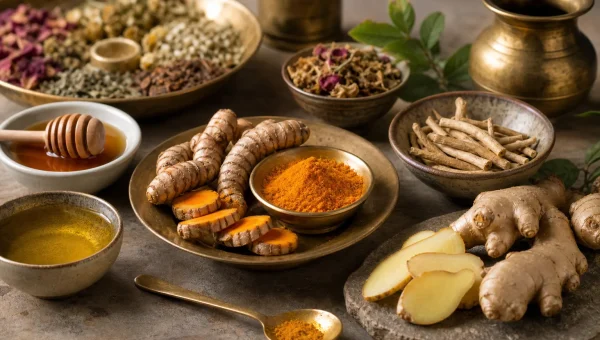
Spices to favor: Ginger, cinnamon, cardamom, cumin, fennel, and a small pinch of nutmeg.
Foods to reduce: Cold cereal with cold milk, dry crackers, raw salads, iced drinks, carbonated drinks, and coffee taken alone on an empty stomach.
Timing: Vata does best with consistency. Eat after the morning routine once hunger appears, and avoid pushing the first meal too late if skipping breakfast causes shakiness, anxiety, lightheadedness, or scattered focus.
Pitta Dosha Breakfast
Pitta types often have sharp appetite and may become irritable, overheated, or acidic when meals are delayed. Their breakfast should be nourishing but not fiery. The aim is to satisfy hunger without adding excessive heat, sourness, salt, or pungency.
Best foods: Coconut rice porridge, oatmeal with coconut milk, soft rice flakes, wheat porridge, ripe sweet pear, soaked raisins, dates in moderation, toast with ghee, and room-temperature fruit preparations suited to digestion.
Spices to favor: Fennel, coriander, cardamom, mint, and small amounts of cinnamon.
Foods to reduce: Hot chilies, very sour citrus, tomato-heavy breakfasts, vinegar, fermented foods in excess, fried foods, very salty foods, and strong coffee on an empty stomach.
Timing: Pitta should eat before hunger becomes sharp or uncomfortable. A regular breakfast is often helpful, especially for people who wake hungry or become irritable when meals are delayed.
Kapha Dosha Breakfast
Kapha types are the main exception to the idea that everyone needs a full breakfast. If a Kapha-dominant person wakes with no hunger, heaviness, coated tongue, congestion, or sluggishness, forcing a large breakfast can add to the same heavy qualities. A lighter start, warm water, movement, and a later small meal may be more suitable.
Best foods when hungry: Light grain porridge made with water, barley, millet, buckwheat, lightly spiced mung soup, stewed apple with clove or ginger, warm herbal tea, and small portions of cooked vegetables or dal.
Spices to favor: Ginger, black pepper, turmeric, cumin, mustard seed, fenugreek, clove, and Trikatu when appropriate for the person.
Foods to reduce: Cheese, cream, full-fat yogurt, bananas, sweet pastries, pancakes with syrup, cold smoothies, large oat bowls with sweeteners, and oversized portions.
Timing: Kapha types may take breakfast later, keep it very small, or skip it when there is no real hunger. Warm water, ginger tea, or a light spiced drink may be enough until lunch, provided the person feels clear and stable.
Quick Reference: Dosha Breakfast Comparison
The table below summarizes the general Ayurvedic pattern. Mixed constitutions, illness, pregnancy, intense physical work, medications, diabetes, and eating-disorder history require individualized guidance.
| Factor | Vata | Pitta | Kapha |
|---|---|---|---|
| Morning appetite | Variable; benefits from routine | Often strong or sharp | Often slow or absent |
| Portion size | Small to medium, satisfying | Medium, steadying | Small, or none if not hungry |
| Temperature | Warm to hot | Warm or room temperature, not overheated | Warm to hot |
| Qualities | Moist, soft, oily, grounding | Cooling, sweet, moderate, not sharp | Light, dry, warm, stimulating |
| Helpful spices | Ginger, cinnamon, cardamom, cumin | Fennel, coriander, cardamom, mint | Ginger, black pepper, turmeric, clove |
| Reduce | Cold, dry, raw foods | Very spicy, sour, salty foods | Heavy, cold, sweet, dairy-rich foods |
5 Quick Ayurvedic Breakfast Recipes
These recipes are simple templates. Adjust the quantity, spice level, sweetness, and fat according to appetite, season, and digestive comfort.
1. Vata-Balancing Spiced Oatmeal
This warm, soft, slightly oily oatmeal is suited to Vata because it combines cooked grain, gentle sweetness, ghee, and warming aromatic spices.
Prep time: 10 minutes
- 1/2 cup rolled oats
- 1 cup milk or almond milk
- 1/2 cup water
- 1 teaspoon to 1 tablespoon ghee, according to appetite
- 1/4 teaspoon ground cinnamon
- 1/8 teaspoon ground cardamom
- Pinch of dry ginger
- 2 chopped dates or a few raisins
- 5 soaked and peeled almonds, sliced
Instructions: Bring milk and water to a gentle boil. Add oats and reduce heat. Stir in ghee and spices. Cook until soft and creamy. Top with dates and almonds. Serve warm.
2. Pitta-Cooling Coconut Rice Porridge
This porridge is soft, mildly sweet, and cooling in quality. It avoids sharp, sour, and pungent ingredients while still giving Pitta enough nourishment to prevent irritability from delayed food.
Prep time: 15 minutes
- 1/3 cup white basmati rice, soaked and drained
- 1 cup coconut milk
- 1/2 cup water
- 1/2 teaspoon ground fennel
- 1/4 teaspoon ground cardamom
- 1 teaspoon raw sugar, jaggery, or maple syrup if needed
- 1/4 cup diced ripe pear
- 1 teaspoon shredded coconut
Instructions: Combine rice, coconut milk, and water in a saucepan. Simmer until very soft. Stir in fennel and cardamom. Sweeten lightly if needed. Top with pear and coconut. Serve warm, not piping hot.
3. Kapha-Stimulating Buckwheat Bowl
This bowl is intentionally small, warm, and spiced. It is better for Kapha than a cold, sweet, dairy-heavy breakfast because it emphasizes lightness and stimulation.
Prep time: 12 minutes
- 1/3 cup buckwheat groats
- 3/4 cup water
- 1/4 teaspoon ground ginger
- 1/8 teaspoon ground black pepper
- Pinch of ground cloves
- 1/2 small apple, diced
- 1/2 teaspoon honey, added only after the food cools from hot to warm
Instructions: Toast buckwheat groats in a dry pan for 2 minutes. Add water and spices. Simmer until tender and the water is absorbed. Let it cool from hot to warm, then add diced apple and honey. Serve in a small bowl.
4. Gentle Stewed Apple Breakfast
Cooked apple is a useful morning option when digestion feels delicate. Vata may add a little more ghee, Pitta may keep the spices mild, and Kapha may reduce or omit ghee and use more ginger or clove.
Prep time: 8 minutes
- 2 sweet apples, peeled and diced
- 1/4 cup water
- 1/4 to 1/2 teaspoon ghee, optional
- 1/4 teaspoon cinnamon
- Pinch of ground cardamom
- Pinch of ground clove or ginger, especially for Kapha
- 5 raisins, optional
Instructions: Place apples, water, ghee, and spices in a saucepan. Cover and cook until soft. Add raisins near the end if using. Serve warm.
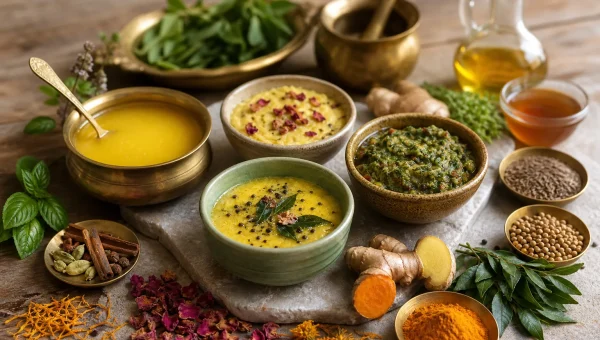
5. Tridoshic Savory Mung Morning Soup
A light mung soup can work well when sweet breakfast foods feel heavy. It is warm, digestible, and easy to adjust: more ghee for Vata, more coriander and fennel for Pitta, and more ginger and black pepper for Kapha.
Prep time: 20 minutes
- 1/4 cup split yellow mung dal, washed
- 2 cups water
- 1/4 teaspoon turmeric
- 1/2 teaspoon cumin seeds
- 1/4 teaspoon fresh grated ginger
- 1/2 cup chopped spinach or other tender greens
- 1 teaspoon ghee
- Salt to taste
- A small squeeze of lime, optional and best reduced for high Pitta
Instructions: Boil mung dal with water and turmeric until soft and soupy. In a small pan, warm ghee and toast cumin seeds briefly. Add ginger, then pour the tempering into the soup. Add greens and cook for 2 minutes. Season lightly. For a more substantial version, see our kitchari recipes.
Common Breakfast Mistakes by Dosha
Most breakfast mistakes happen when the food has the same qualities as the dosha that is already dominant. Ayurveda uses the principle that like increases like and opposite qualities bring balance.
- Vata mistake: Skipping breakfast, drinking coffee alone, or eating dry cereal. This can increase lightness, dryness, and irregularity.
- Pitta mistake: Starting the day with hot sauce, excess coffee, fried food, or very sour foods. This can increase heat and sharpness.
- Kapha mistake: Eating a large, cold, sweet, dairy-rich breakfast without hunger. This can increase heaviness, sluggishness, and mucus tendency.
Practical Tips for Getting Started
Begin with one change rather than rebuilding your whole routine. If your breakfast is cold, make it warm. If it is very heavy, reduce the portion. If you skip food and feel unstable, try a small cooked breakfast. If you force breakfast and feel dull, begin with warm water, movement, and a later light meal.
Season also matters. In colder months, breakfast may be slightly more substantial, especially for Vata. In hot months, Pitta benefits from lighter, cooling foods and fewer heating spices. In damp, heavy periods, Kapha benefits from warm, light, spiced meals and less dairy or sugar.
Use your 10 a.m. state as feedback. A suitable breakfast should leave you clear, steady, and comfortably nourished. Heaviness, acidity, gas, sleepiness, shakiness, or intense hunger soon after eating are signs that the timing, portion, or food quality may need adjustment.
The Ayurvedic approach to breakfast is not rigid. It is a practical way of matching food to dosha, Agni, appetite, and season. Once you know your pattern, the right breakfast becomes easier to choose.
Note: If you have diabetes, hypoglycemia, pregnancy, a chronic illness, an eating disorder, or take regular medication, consult a qualified healthcare provider before changing meal timing or fasting practices. For individualized Ayurvedic care, consult a qualified Ayurvedic practitioner.
References
- Determinants of prakriti, the human constitution types of Indian traditional medicine and its correlation with contemporary science (2014), PubMed Central
- Ayurnutrigenomics: Ayurveda-inspired personalized nutrition from inception to evidence (2015), PubMed Central
- Physiological aspects of Agni (2010), PubMed Central
- LWW Journals
- Banyanbotanicals (banyanbotanicals.com)
- Banyanbotanicals (banyanbotanicals.com)
- Mapi (mapi.com)
- Banyanbotanicals (banyanbotanicals.com)
- Banyanbotanicals (banyanbotanicals.com)
- Ayurveda (ayurveda.com)
- Banyanbotanicals (banyanbotanicals.com)
- Banyanbotanicals (banyanbotanicals.com)
- Mapi (mapi.com)
- Banyanbotanicals (banyanbotanicals.com)
- Effects of ginger on gastric emptying and motility in healthy humans (2008), PubMed
- Effect of ginger on gastric motility and symptoms of functional dyspepsia (2011), PubMed
- Studies on the physicochemical characteristics of heated honey, honey mixed with ghee and their food consumption pattern by rats (2010), PubMed Central
- Ayurveda (ayurveda.com)
- NCCIH
the meal plan here is so practical. I was intimidated by Ayurvedic cooking but seeing it broken down like this makes it feel achievable for a busy working parent.
this is so helpful to read. Im just starting out with this and hearing positive experiences helps me stay motivated
The food combining rules here helped me understand why certain meals left me feeling heavy and uncomfortable even when the individual foods were healthy.
Thank you for sharing the practical tip about sourcing. That’s something I’ve been confused about.
Good reminder on Breakfast. A few more examples would still help.
I love how this connects food to season rather than giving one-size-fits-all advice. I always felt worse eating the same things in winter as in summer. Now I understand why
I run a small Ayurvedic cooking class in my city and I share resources with participants. This article is going on the required reading list immediately.
I was resistant to giving up raw salads, feels counterintuitive when you’ve been told salads are healthy. But three weeks of warm cooked vegetables and my digestion is so much calmer.
The connection you made between those two things is really insightful. I hadn’t thought of it that way before
I’m a chef and I’ve been incorporating these principles into my menu development. The food combining guidance especially has influenced how I think about recipe creation.
I work in healthcare too and I appreciate you engaging with this from a clinical standpoint
this has been sitting in my bookmarks for weeks and I finally read it today. Going to implement starting Monday. Thank you for making this so approachable
I’m going to share this comment with my skeptical partner. Exactly what I needed to articulate why this works.
my nutritionist and my Ayurvedic practitioner have me working together and articles like this help me bridge the two frameworks in my own cooking.
The timing guidance around eating is new to me. I’d never considered when I eat as significant as what I eat. Already experimenting with making lunch my biggest meal.
The explanation of why to avoid cold water was the first thing I implemented. Such a small change but I genuinely feel it makes a difference in how I digest my meals.
The shopping list format is brilliant. I’ve tried following Ayurvedic diet advice before but always got stuck at the grocery store not knowing what to buy. This solves that.
Started drinking CCF tea after reading this. Two weeks in and my appetite feels more regulated and I’m not craving sweets the way I used to after meals
Great question, I’ve been wondering the same thing. Following this thread for the answers.
The Breakfast angle is useful here. Would be useful to see a short checklist next.
That’s a really important distinction you’ve made. I think a lot of people skip the preparation phase and then wonder why results are inconsistent.
Good reminder on Breakfast. This would be easier to follow with a one-week sample plan.
The Breakfast angle is useful here. I would like to know how long to try it before judging results.
I switched to eating this way about two months ago and my digestion has completely transformed. I used to have bloating every single day. It’s almost gone now
The recipe at the end is now a household staple. My kids even like it, which is the real test. So much easier to eat well when the food is genuinely delicious.
Followed this advice for a month. Not only did it not help, my symptoms actually got slightly worse before I went back to my doctor.
The seasonal eating section is so logical once you read it. Eating what grows locally and seasonally is the original human diet. We just forgot somewhere along the way.
I came here to say exactly this and you said it better. Completely agree.
The spice information here overlaps beautifully with what I learned from my Indian mother-in-law. She always cooked this way intuitively. Now I understand the science behind it
I’m a registered dietitian and while I approach nutrition from a Western evidence-based perspective, I find the Ayurvedic framework fascinating as a complementary lens.
The grandmothers always knew! I keep finding that traditional knowledge holds up to modern scrutiny
good effort but need more clinical data backing these claims. anecdotes arent enough for me
Please consider adding a note about consulting with a healthcare provider before starting any new supplement regimen. Some readers might not know this.
The explanation of Agni being lowest in the morning really clarified why a light meal works better than a heavy bowl of oatmeal for some people.
I liked the practical side of Breakfast. I would like to know how long to try it before judging results.
the concept is great but the execution could be better. A lot of ‘do this’ without explaining the why behind each step
Valid concerns. Ayurveda works best as a complementary approach, not a replacement for evidence-based medicine. Thank you for highlighting this important distinction.
As someone who has tracked my eating and energy pretty carefully, the Prakriti-based breakfast approach is the first framework that actually predicts how I’ll feel rather than just prescribing a generic healthy option. My Pitta constitution means I need more substance in the morning than I was giving myself. Two weeks in and the afternoon energy crash is gone.
Three months of following the Kapha-specific breakfast protocol and I’ve stopped craving chai and biscuits by 10 AM, which was a daily habit for years. The idea that eating the wrong breakfast for your constitution creates cravings rather than satisfaction is such a simple insight but it genuinely holds up in practice.
The safest part of the Breakfast advice is keeping it simple. The practical details matter more than people think.
I tried the stewed apple recipe and felt steadier energy until lunch, especially after adding a pinch of cinnamon.
I’ve been adding a pinch of dry ginger and cardamom to my morning porridge for two weeks based on what’s described here for Kapha types and the mid-morning heaviness I used to feel is almost gone. Small adjustments, but the difference is real. The spice-as-medicine framing is something I grew up with in my family but never had explained so clearly.
It would help to have a short guide for people who are dual-dosha types — I’m Vata-Pitta and the breakfast recommendations for each dosha pull in somewhat different directions. Do you adapt based on the season, or based on whichever dosha feels more aggravated at the time? That would be a useful follow-up.
One thing that stood out was the advice for Kapha types to skip breakfast when not hungry, which goes against the usual ‘always eat’ mantra.
The Pitta cooling coconut rice porridge sounds perfect for hot summer mornings when I need something soothing but still filling.
The guidance to skip breakfast for Kapha types on some mornings is something my Ayurvedic practitioner has been telling me for two years and I kept second-guessing it because every mainstream health source contradicts it. Having the Prakriti logic explained here makes it much easier to trust the approach.
Reading about Vata types needing warm, oily foods made me reconsider my habit of grabbing a cold cereal bar first thing.
It’s interesting how the article links Agni to the campfire analogy, making the concept easy to grasp.
A practical tip I liked was sipping warm water with lemon before any food to gently kickstart digestion.
The mention of research from the British Journal of Nutrition gave the warm food recommendation extra credibility.
I’m a Vata type and assumed a light breakfast was always right for me. The nuance here — that Vata in the morning actually needs warm and grounding rather than just light — explains why my usual fruit smoothie leaves me anxious by mid-morning. Switching to warm rice porridge this week to test it.
I appreciate the clear breakdown of foods to avoid for each dosha, especially the warning about carbonated drinks for Vata.
After reading the Kapha section, I’m thinking of trying a ginger tea instead of forcing a heavy breakfast on sluggish mornings.
The comparison table at the end makes it quick to see which spices suit my constitution without flipping back and forth.
It’s helpful that the article suggests adjusting breakfast timing with the seasons, like eating a bit later in winter.
I found the advice about not eating cold smoothies first thing convincing, especially after my own mid morning crashes.
The reminder to listen to your body’s signals at 10 a.m. as a real time check on breakfast suitability feels very actionable.