
Every January, the internet fills with “liver detox” plans built around juice fasts, cayenne, laxative teas, supplement stacks, and dramatic promises. As a physician who has seen patients weaken digestion with aggressive cleanses, and who has also watched real liver disease progress while people trusted social-media remedies, I will be direct: commercial liver detoxes are not the same thing as Ayurvedic liver care. Authentic Ayurvedic support for yakrit, the liver, is slower, more precise, and grounded in diet, agni, rakta, pitta balance, appropriate herbs, and professional judgment.
The Liver in Ayurvedic Theory: Yakrit, Rakta, and Ranjaka Pitta
Ayurvedic literature discusses the liver, or yakrit, together with pliha and rakta dhatu. Ranjaka Pitta is traditionally linked with the coloring and transformation of blood, and later Ayurvedic interpretation connects this function with the metabolic and blood-related work of the liver. This is why classical liver care is not merely about “flushing toxins”; it is about correcting excess heat, supporting digestion, keeping elimination clear, and protecting the quality of rakta.
In practical terms, yakrit support begins by removing the load: alcohol, overeating, heavy fried food, unnecessary supplements, irregular sleep, and self-prescribed herbs. When jaundice, hepatitis, cirrhosis, marked enzyme elevation, severe fatigue, abdominal swelling, or unexplained weight loss is present, this is not a home-cleansing situation. It requires medical evaluation along with any qualified Ayurvedic care.
Five Verified Ayurvedic Liver-Supporting Dravyas
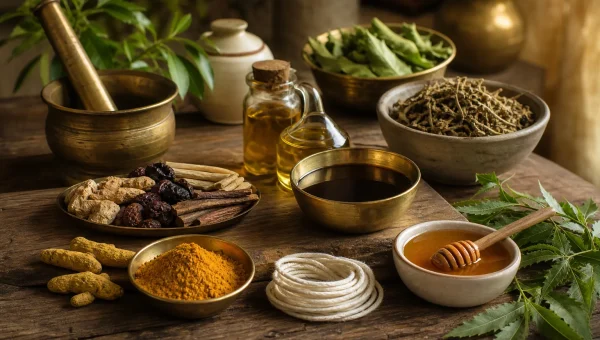
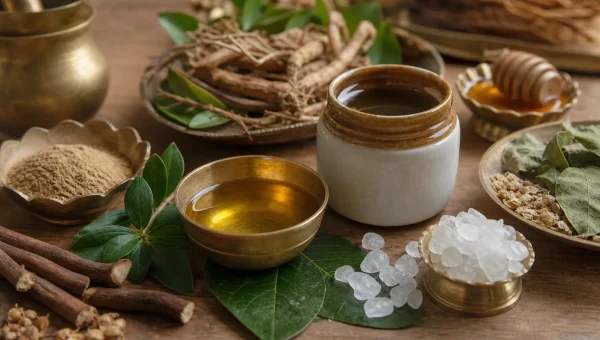
The following herbs are better understood as practitioner-selected dravyas, not a universal supplement stack. The adult doses listed below are pharmacopoeial crude-drug ranges or commonly cited official ranges; they are not a prescription for every reader. Constitution, digestion, pregnancy status, medications, diagnosis, and liver-test results all matter.
| Herb | Verified Ayurvedic Identity | Classical Ayurvedic Actions and Uses | Adult Dose Range |
|---|---|---|---|
| Bhumyamalaki / Tamalaki | Phyllanthus fraternus Webst.; syn. Phyllanthus niruri Hook. f. non Linn. | Tikta-kashaya-madhura rasa, shita virya, pittashamaka, dahanashani, mutrala; used in amlapitta, pandu, prameha, trishna, mutraroga, and related pitta-rakta presentations. | 10–20 ml fresh juice or 3–6 g powder |
| Kutki / Katuka | Picrorhiza kurroa Royle ex Benth. | Katu-tikta rasa, laghu guna, ushna virya, katu vipaka; pittahara, dipani, bhedini, jvarahara; used in kamala, daha, jvara, kushtha, vishamajvara, and arocaka. | 1–3 g powder |
| Guduchi / Amrita | Tinospora cordifolia (Willd.) Miers | Tikta-kashaya rasa, laghu guna, ushna virya, madhura vipaka; rasayana, tridoshashamaka, raktashodhaka, jvaraghna; used in jvara, pandu, prameha, vatarakta, and kamala. | 3–6 g powder or 20–30 g for decoction |
| Bhringaraja | Eclipta alba Hassk. | Katu-tikta rasa, ruksha-tikshna guna, ushna virya, katu vipaka; amahara, rasayana, keshya, tvachya; used in yakridroga, pandu, shotha, kasa, shvasa, and related presentations. | 3–6 ml fresh juice or 12–36 g for decoction |
| Amalaki | Emblica officinalis Gaertn.; syn. Phyllanthus emblica Linn. | Madhura, amla, katu, tikta, and kashaya rasa; laghu-ruksha guna, shita virya, madhura vipaka; rasayana, tridoshajit, chakshushya; used in raktapitta, amlapitta, prameha, and daha. | 3–6 g dried fruit powder; fresh fruit 10–20 g or 5–10 ml juice |
Milk thistle, or silymarin, belongs to modern Western herbal and supplement use, not the classical Ayurvedic materia medica. It should not be used as a reason to combine many liver products at once. More products do not equal deeper purification, especially when the liver is already under strain.
A Safer 21-Day Ayurvedic Liver Reset
A conservative 21-day reset can be useful for a generally healthy adult who wants to reduce dietary and lifestyle burden on the liver. It is not a treatment for hepatitis B or C, jaundice, cirrhosis, liver failure, gallbladder obstruction, drug-induced liver injury, or very high liver enzymes. In those conditions, herbs must not replace medical diagnosis or antiviral, hepatology, or emergency care when needed.
Days 1–7: Remove the Load
Stop alcohol completely. Avoid fried food, heavy late dinners, refined sugar, ultra-processed food, unnecessary supplements, and self-prescribed “detox” products. Eat warm, freshly cooked meals at regular times, keep portions moderate, and support daily bowel movement without harsh laxatives. Warm water may be used through the day, but forced water loading, fasting, and juice-only cleansing are not Ayurvedic discipline.
Days 8–21: Gentle Herb and Diet Support
When herbs are appropriate, a qualified practitioner usually selects one or two based on the person’s presentation rather than giving all five together. For example, Kutki may be chosen where strong pitta signs, sluggish appetite, and constipation coexist; Guduchi may be chosen where depletion, heat, and recurrent inflammatory patterns are present; Amalaki may be chosen where rasayana support and pitta cooling are needed. Bhumyamalaki, Bhringaraja, and classical combinations are used according to constitution, digestion, and diagnosis.
After Day 21: Rebuild, Do Not Keep Purging
After a short reset, the emphasis should shift toward stable habits: regular meals, adequate protein, earlier dinners, walking, sleep, alcohol avoidance, and follow-up testing when indicated. Continuous purgation, repeated cleanse cycles, and long-term bitter herb use without assessment can disturb appetite, bowel function, strength, and medication safety.
The Yakrit-Supportive Diet
Ayurvedic liver support favors a light, cooked, regular diet that reduces pitta-provoking excess while maintaining strength. The aim is not starvation; it is to make digestion steady and reduce the foods and habits that repeatedly inflame the system.
| Category | Prefer | Limit or Avoid During the Reset |
|---|---|---|
| Meals | Freshly cooked, warm, moderate portions; simple kitchari when digestion is heavy | Skipping meals, fasting aggressively, overeating at night |
| Grains and Dal | Old rice, barley, moong dal, thin moong soup, light khichari | Refined flour, very oily breads, heavy late-night grain meals |
| Vegetables | Bitter gourd, cooked leafy greens, bottle gourd, ridge gourd, pumpkin, radish in moderation | Deep-fried vegetables, very spicy preparations, excessive pickle or vinegar |
| Fruits | Amla, pomegranate, ripe papaya, seasonal sweet fruits in moderation | Excess sour fruits, tamarind-heavy foods, fruit-juice cleansing |
| Beverages | Warm water, plain water according to thirst, coconut water when suitable | Alcohol, sugary drinks, packaged juices, excessive coffee, laxative teas |
| Tastes | Sweet, bitter, and astringent tastes used appropriately | Excess pungent, sour, and salty tastes when pitta signs are strong |
Virechana: Classical Pitta Shodhana
Virechana is therapeutic purgation within Panchakarma and is traditionally used for pitta-dominant disorders. In the context of liver care, it is the supervised shodhana method most often discussed for pitta, not a weekend laxative plan. It requires assessment, preparation, correct drug choice, monitoring, and post-procedure diet.
Virechana should not be attempted at home for elevated AST or ALT, jaundice, hepatitis, fatty liver with significant metabolic disease, pregnancy, frailty, dehydration tendency, kidney disease, gallbladder obstruction, eating-disorder history, or while taking prescription medicines. The safer choice is a qualified Ayurvedic physician working alongside a primary-care clinician or hepatologist when liver disease is suspected.
Signs to Track During Liver Support
Track ordinary, useful markers rather than dramatic “toxin release” stories: appetite, bowel regularity, reflux or heat symptoms, sleep quality, energy stability, skin irritation, and tolerance of meals. When liver tests are being followed, changes in ALT, AST, ALP, GGT, bilirubin, albumin, and related markers should be interpreted by a clinician, not by symptoms alone.
Stop the protocol and seek care promptly for yellow eyes or skin, dark urine, pale stools, persistent itching, right-upper-abdominal pain, vomiting, confusion, swelling, unusual bruising or bleeding, fever, severe fatigue, or worsening symptoms after starting any herb or supplement.
Our guide on Ayurvedic digestive health covers the broader context of how hepatic health relates to agni, appetite, elimination, and the entire digestive ecosystem.
Safety note: Kutki is a potent bitter herb and may have a laxative effect. Guduchi has traditional liver-related uses, but self-directed use is not appropriate in active liver disease, autoimmune liver disease, unexplained jaundice, pregnancy, breastfeeding, or complex medication use. Ayurvedic products should be obtained from quality-tested sources because some traditional or imported products have been found to contain unsafe levels of heavy metals. Anyone with known liver disease, abnormal liver tests, chronic viral hepatitis, cirrhosis, liver failure, autoimmune disease, pregnancy, or prescription medication use should consult a qualified Ayurvedic practitioner and a healthcare provider before using herbs.
Actionable tip: Before beginning any liver protocol, ask your primary-care clinician whether a baseline liver panel is appropriate, especially if you drink alcohol, use regular medication, have metabolic risk factors, have a history of hepatitis exposure, or have not had liver tests in several years. Objective numbers are safer than guessing from symptoms.
References
- NCCIH
- Hopkinsmedicine (hopkinsmedicine.org)
- Sciensage (sciensage.info)
- Liver and liver disease in Hinduism (2024), PubMed Central
- Ayurvedic Pharmacopoeia of India
- Ayurvedic Pharmacopoeia of India
- Webprod (webprod.hc-sc.gc.ca)
- Tinospora Cordifolia (Giloy)-Induced Liver Injury During the COVID-19 Pandemic-Multicenter Nationwide Study From India (2022), PubMed Central
- NCBI
- Ia800501 (ia800501.us.archive.org)
- Karger (karger.com)
- Cochrane (cochrane.org)
- Banyanbotanicals (banyanbotanicals.com)
- Clinical study to evaluate the effect of Virechanakarma on serum electrolytes (2013), PubMed Central
- Analysis of Virechana karma with Danti avaleha: A retrospective study (2015), PubMed Central
- NCBI
- Mayoclinic (mayoclinic.org)
- MedlinePlus
- NCCIH
The January detox content proliferating online every year is something I’ve watched with concern as a practitioner. This is the first article I’ve seen that distinguishes clearly between the social media version and actual Yakrit Shodhana.
I did a commercial detox package from a wellness brand last January. Three days of extreme lemon water and cayenne. My digestion was disrupted for two months afterward. This article explains what likely happened.
Which herbs have the strongest evidence for actual hepatoprotective effect? The article is a good overview but as someone managing fatty liver I’d like to know where to start.
My general physician was alarmed by the idea of any liver detox and said the liver is self-cleaning. I understand that’s true at a basic level but it doesn’t account for accumulation states the Yakrit Shodhana concept is addressing.
I appreciate the clear breakdown of Yakrit Shodhana stages, especially the emphasis on preparation before jumping into herbs.
The evidence for Bhumyamalaki as a hepatoprotective agent is genuinely solid. Several Indian researchers have done decent RCT work on this. The social media liver detox products that don’t contain anything like this are indeed a different category.
How long should a proper Yakrit Shodhana protocol run? The commercial detox products are 7-14 days but I get the sense the classical approach is much longer.
Does the warm lemon water recommendation conflict with avoiding excess sour fruits listed in the diet table?
I work in the wellness industry and we sell detox products. Reading this honestly made me uncomfortable because the criticism is accurate about most of what’s out there. The Kutki-based formulations are the exception, not the rule.
I’ve tried milk thistle before; it’s interesting to see how it could complement Kutki and Bhumyamalaki without overlapping.
The warning about high doses of Kutki causing abdominal discomfort makes me think twice about self dosing.
The Liver Detox Protocols in Ayurveda explanation is clearer than most short posts. A few more examples would still help.
Getting a baseline liver panel first seems like a sensible step that many online detox guides skip.
I wonder if the Triphala dose at bedtime could be adjusted for someone with a sensitive stomach.
I have elevated ALT that my doctor is watching. Can I start any of the Yakrit Shodhana herbs without supervision or does elevated liver enzymes require a practitioner before beginning?
The article’s distinction between commercial detoxes and classical Ayurvedic protocol feels grounded in real clinical experience.
Are there any substitutions for Amalaki if fresh fruit isn’t available year round?
The Liver Detox Protocols in Ayurveda explanation is clearer than most short posts. Small daily changes are easier to follow than a perfect plan.
Seeing the list of hepatoprotective herbs with specific doses helps me move beyond vague “liver cleanse” claims.
Is the Shodhan (purification) versus Shaman (palliation) distinction for liver conditions based on the severity of Pitta vitiation, and are there clinical markers to guide this choice?
I’m curious how Virechana differs from a standard laxative beyond just herb choice.
the Virechana section, is it suitable for home practice or requires a clinic
this article stopped me from buying the latest social media detox kit. saved money and started the Kutki approach instead. much better results
The Pitta-liver correlation is the right classical framework. The Ranjaka Pitta function and its dysfunction as the Ayurvedic parallel to hepatocellular function is appropriately described.
The signs of progress like cleaner tongue coating and reduced afternoon fatigue are practical markers to watch.
can Bhumi Amalaki be taken alongside prescribed medication for fatty liver or NASH
Kutki (Picrorhiza kurroa) has significant dose-dependency concerns and the standard dose of 500mg twice daily can cause diarrhea and hepatotoxicity in sensitive individuals. This needs clearer dosage guidance.
Avoiding nightshades and excess eggs during the protocol aligns with what I’ve read about Pitta aggravating foods.
Kutki + Bhumi Amalaki for 3 months alongside diet changes. ALT level dropped from 78 to 42 in 3 months. my gastroenterologist was interested in what I was taking
I plan to discuss this protocol with my doctor before trying any of the herbal extracts.
tried the Arogyavardhini Vati approach for my fatty liver on my Ayurvedic doctor’s advice. ALT came down from 72 to 48 over 3 months. Still elevated but moving in the right direction alongside dietary changes.
can the Yakrit Shodhana protocol be done without a practitioner or does it need supervision
Punarnava for the water-retention aspect of liver disease is classical and the saponin-based diuretic mechanism is supported by reasonable research. Not a social media trend.
the difference between Yakrit Shodhana and Yakrit Balya approaches, which one is needed for fatty liver specifically
2-day juice cleanses are mentioned as useless but 3-week herbal protocols aren’t compared to clinical standards either. needs some honest benchmarking
The morning Amla juice as daily liver maintenance rather than acute treatment is the right framing. Consistent low-level Rasayana support is more valuable for chronic prevention than periodic dramatic cleanses.
I liked the practical side of Liver Detox Protocols in Ayurveda. This feels more usable than a long list of herbs.
the dietary recommendations here, warm easy cooked meals, reduction of fried and processed foods, early dinner, are sustainable and made a measurable difference in my energy and digestion over 2 months
the article doesn’t address liver health in the context of alcohol use clearly enough. the overlap between social media detox culture and actual alcohol-related liver damage needs clearer differentiation
The article correctly critiques detox claims but then makes some of its own. Bhumi Amalaki’s hepatoprotective evidence is preliminary and mostly in-vitro. This inconsistency undermines the credibility.
this article stopped me from buying the latest social media detox kit. saved money and started the Kutki approach instead. much better results Has anything changed about this advice recently?
no mention of alcohol interaction with the herbs recommended. Kutki and alcohol together could be risky
The separation of Yakrit Shodhana (genuine classical liver care) from the social media detox concept is the most valuable contribution of this article. The two have almost nothing in common.
is milk thistle considered an Ayurvedic herb or Western? article seems to mix systems
The article correctly critiques detox claims but then makes some of its own. Bhumi Amalaki’s hepatoprotective evidence is preliminary and mostly in-vitro. This inconsistency undermines the credibility. 921
The separation of Yakrit Shodhana (genuine classical liver care) from the social media detox concept is the most valuable contribution of this article. The two have almost nothing in common. 931
the Virechana section, is it suitable for home practice or requires a clinic 890
The Pitta-liver correlation is the right classical framework. The Ranjaka Pitta function and its dysfunction as the Ayurvedic parallel to hepatocellular function is appropriately described. 850
the difference between Yakrit Shodhana and Yakrit Balya approaches, which one is needed for fatty liver specifically 829
The morning Amla juice as daily liver maintenance rather than acute treatment is the right framing. Consistent low-level Rasayana support is more valuable for chronic prevention than periodic dramatic cleanses. 178
The safest part of the Liver Detox Protocols in Ayurveda advice is keeping it simple. The timing advice is the part I would start with.
is milk thistle considered an Ayurvedic herb or Western? article seems to mix systems 975
can Bhumi Amalaki be taken alongside prescribed medication for fatty liver or NASH 586
Is the Shodhan (purification) versus Shaman (palliation) distinction for liver conditions based on the severity of Pitta vitiation, and are there clinical markers to guide this choice? 859
no mention of alcohol interaction with the herbs recommended. Kutki and alcohol together could be risky 859
can the Yakrit Shodhana protocol be done without a practitioner or does it need supervision 818
the dietary recommendations here, warm easy cooked meals, reduction of fried and processed foods, early dinner, are sustainable and made a measurable difference in my energy and digestion over 2 months 234
the article doesn’t address liver health in the context of alcohol use clearly enough. the overlap between social media detox culture and actual alcohol-related liver damage needs clearer differentiation 194