
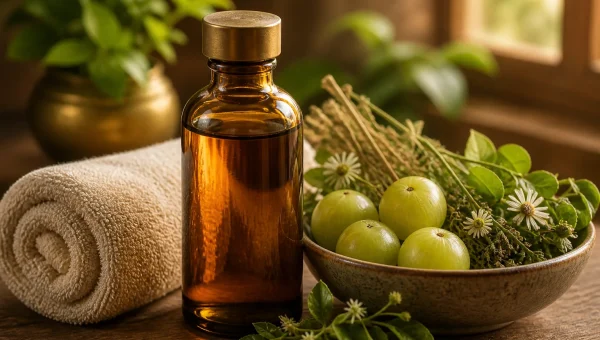
Classical Kumkumadi Taila is a medicated Ayurvedic facial oil named after kumkuma, or saffron. A complete classical preparation is not simply herbs soaked in oil; it belongs to the broader Ayurvedic method of taila/sneha kalpana, where herbal paste and liquid media are cooked with oil until the oil phase remains. This recipe is therefore best understood as a kumkumadi-inspired facial oil: simpler, affordable, external-use only, and designed to support radiance, softness, and a more even-looking complexion without claiming to replace a pharmacy-prepared classical taila.
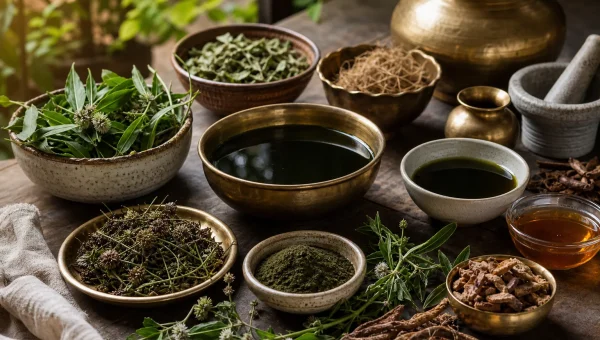
The goal here is to keep the spirit of Kumkumadi Taila while using a smaller group of accessible ingredients. The classical formulas vary by textual and manufacturing tradition; one Ashtanga Hridaya-based version includes saffron, sandalwood, red sandalwood, lotus parts, licorice, vetiver, goat milk, and sesame oil. This home version keeps saffron, sandalwood, licorice, vetiver, and sesame oil as the backbone, then adds manjistha and rosehip seed oil as practical complexion-supporting additions.
What Makes This Simplified Kumkumadi Oil Useful?
The central ingredient is saffron, the kumkuma that gives Kumkumadi Taila its name. Saffron contains characteristic compounds such as crocin, crocetin, picrocrocin, and safranal, which contribute to its color, aroma, and cosmetic value. In this formula, saffron is used for the same traditional skincare direction as Kumkumadi Taila: enhancing a fresh, luminous appearance.
The supporting herbs are chosen for their classical role in complexion care and their suitability in a gentle facial oil. Sandalwood brings a cooling, soothing aromatic quality; licorice supports even-looking tone; vetiver adds a cooling root fragrance; manjistha contributes the traditional complexion-clearing direction associated with the herb; sesame oil provides the classical oil base; and rosehip seed oil adds a modern, lightweight carrier rich in skin-friendly fatty acids and carotenoids.
- Saffron (Crocus sativus) for radiance and the characteristic Kumkumadi identity
- Sandalwood powder (Santalum album) for cooling, soothing, and aromatic support
- Licorice root (Glycyrrhiza glabra) for supporting a more even-looking complexion
- Manjistha root (Rubia cordifolia) for complexion clarity in the Ayurvedic tradition
- Vetiver root (Chrysopogon zizanioides) for cooling fragrance and skin comfort
- Cold-pressed sesame oil (Sesamum indicum) as the classical carrier oil base
- Rosehip seed oil (Rosa canina) as a modern addition for fatty acids and carotenoids
Sourcing Your Ingredients
Ingredient quality matters, especially with saffron and sandalwood. Saffron is expensive and widely adulterated, so choose whole threads from a reputable supplier rather than very cheap powders or brightly dyed-looking strands. Genuine saffron should have a natural thread-like appearance and should release color gradually rather than bleeding artificial red dye immediately.
For powdered herbs, buy from suppliers that identify the botanical name and provide basic quality or contaminant testing where possible. This is especially important for herbs used on the face. If you buy whole dried roots and grind them yourself, use a clean grinder reserved for herbs and sift the powder finely so the finished oil is easier to strain.
Use cold-pressed, untoasted sesame oil. Toasted sesame oil has a strong culinary aroma and is not the right base for this facial preparation. Choose a mild, pale sesame oil intended for body or culinary use, and keep all tools completely dry because water shortens the life of a homemade oil.
The Recipe: Simplified Kumkumadi Facial Oil
This recipe makes about 100 ml before straining loss. Because it is a home infusion rather than a full classical taila paka with milk or decoction, it will be lighter and simpler than traditional Kumkumadi Taila.
Ingredients and Measurements
Measure the oils carefully and keep the herb powders fine. The quantities below are intentionally modest so the oil remains gentle enough for facial use.
| Ingredient | Amount | Purpose |
|---|---|---|
| Cold-pressed sesame oil | 80 ml | Classical carrier oil base |
| Rosehip seed oil | 20 ml | Modern lightweight carrier with fatty acids and carotenoids |
| Saffron threads | 0.25-0.5 g | Radiance and Kumkumadi identity |
| Sandalwood powder | 1 tsp | Cooling, soothing, aromatic support |
| Licorice root powder | 1 tsp | Even-looking tone support |
| Manjistha root powder | 1/2 tsp | Complexion clarity |
| Vetiver root powder | 1/2 tsp | Cooling root fragrance and comfort |
Equipment You’ll Need
Use clean, dry, heat-safe equipment. Moisture left in a jar, spoon, cloth, or bottle can spoil an oil infusion faster.
- A small heavy-bottomed stainless steel saucepan or double boiler
- A clean glass jar for saffron infusion
- A kitchen thermometer
- A fine mesh strainer and muslin cloth
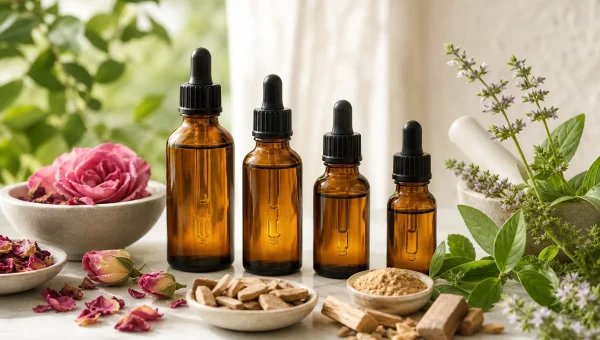
- Dark glass dropper bottles
- Labels for date and ingredients
Step-by-Step Preparation
The process below uses gentle warmth rather than high heat. Keep the oil below smoking temperature and do not fry the herbs.
Step 1: Saffron Pre-Infusion
Place the saffron threads in a clean, dry glass jar. Add the rosehip seed oil, cap tightly, and keep it in a cool, dark place for 24 hours. The oil may take on a golden tint and saffron aroma. This step is mainly for gentle color and aroma transfer; it does not fully reproduce the extraction achieved in classical preparations that use liquid media.
Step 2: Warm the Herbal Sesame Oil
Pour the sesame oil into a saucepan or double boiler. Add sandalwood, licorice, manjistha, and vetiver powders, then stir until evenly dispersed. Warm the mixture on the lowest heat, ideally around 60-70°C, and keep it there for 2-3 hours. Stir every 15-20 minutes so the powders do not settle and scorch.
Step 3: Cool Before Straining
Remove the pan from heat and let the oil cool naturally to room temperature. Do not cover it with a wet lid and do not place it in the refrigerator while hot, because condensation introduces moisture.
Step 4: Strain Carefully
Strain the cooled oil through muslin into a clean, dry glass jar. Let gravity do most of the work, then press gently at the end. A very fine powder residue may remain; allow the oil to settle overnight and decant the clearer top layer if you want a smoother facial oil.
Step 5: Combine and Bottle
Add the saffron-infused rosehip oil to the strained sesame-herb oil and stir with a clean, dry spoon. Transfer to dark glass bottles and label with the preparation date. The finished oil should be golden to amber with a warm herbal aroma.
Storage and Shelf Life
Store the oil in dark glass, tightly capped, away from heat, sunlight, and bathroom humidity. Because this is a homemade oil with rosehip seed oil and no laboratory preservation system, use it within 3-4 months, or sooner if the smell or appearance changes.
Discard the oil if it develops a rancid, crayon-like, paint-like, sour, or stale odor. Also discard it if you see unexpected cloudiness, mold, water droplets, or a major change in color. You may add 2-3 drops of mixed tocopherol or natural vitamin E per 30 ml bottle to slow oil oxidation, but vitamin E is an antioxidant, not a preservative against water-based contamination.
How to Use Your Kumkumadi Facial Oil
Use a small amount at first. Facial oils work best when applied thinly, especially on skin that is oily, acne-prone, or sensitive.
Evening Application
After cleansing, apply 2-4 drops to slightly damp skin. Warm the oil between your palms, press it gently over the face, and massage lightly for 1-2 minutes without tugging. If your skin tolerates facial oils well, you may leave it on overnight. If your skin is sensitive or acne-prone, leave it on for 30-60 minutes and then wash off with a gentle cleanser.
Morning Application
Morning use is optional and should be very light. Apply 1-2 drops only if your skin is dry, allow it to absorb, and then apply broad-spectrum sunscreen before daytime exposure. Sunscreen remains important because complexion-care routines do not replace sun protection.
What to Expect
In the first few uses, the most realistic changes are softness, a smoother feel, and a mild glow from improved surface conditioning. Over the next several weeks, you can judge whether the oil supports a more even-looking tone and better skin comfort. Results vary with skin type, sun exposure, sleep, diet, hormones, and the quality of the ingredients used.
Do not expect a homemade oil to erase deep pigmentation, scars, melasma, active acne, or medical skin disease. For persistent pigmentation, inflamed acne, eczema, rashes, or sudden skin changes, consult a dermatologist or a qualified healthcare provider.
Troubleshooting Common Issues
Small adjustments can make this oil easier to use. Most problems come from using too much oil, applying it too often, using coarse powders that were not strained well, or using an ingredient that does not suit your skin.
The Oil Feels Too Heavy
Reduce the amount to 1-2 drops and apply only at night. You can also use it as a short-contact treatment for 30 minutes before cleansing rather than leaving it on overnight.
My Skin Is Breaking Out
Stop using the oil for a few days and let the skin settle. If you try again, use only 1 drop every other night on damp skin. If breakouts, itching, burning, or redness continue, discontinue the batch and consult a dermatologist or qualified practitioner.
The Oil Looks Grainy or Muddy
Let the bottle stand undisturbed overnight, then decant the clear upper oil into a fresh dry bottle. For the next batch, use finer powders, a tighter muslin weave, and more patient straining.
The Color Is Very Light
A pale color may simply reflect a smaller amount of saffron or a gentler infusion. You may add a few more saffron threads and allow the bottled oil to sit for 48 hours in a cool, dark place. Do not add artificial colors or fragrance.
Important Safety Notes
Patch test first. Apply a small amount to the inner arm or bend of the elbow and repeat for several days before using it on the face. Do not use the oil if you notice redness, itching, burning, swelling, rash, or irritation.
This recipe is for external use only. Avoid the eyes, eyelids, broken skin, infected skin, and active rashes. Pregnant and breastfeeding women should consult a healthcare provider before using new herbal or Ayurvedic skincare products, especially those containing saffron. If you have known allergies to sesame, saffron, licorice, sandalwood, vetiver, manjistha, rosehip, or related plants, do not use this oil.
Making your own kumkumadi-inspired facial oil is a practical way to connect with an Ayurvedic skincare tradition while staying honest about the difference between a home infusion and a classical medicated taila. Begin with a small batch, use it gently, protect your skin from excess sun, and let your skin’s response guide the frequency.
Nothing in this article diagnoses, treats, cures, or prevents a medical condition. Use it as educational information and consult a qualified Ayurvedic practitioner, dermatologist, or physician before starting herbs, supplements, detoxes, or therapeutic protocols, especially if pregnant, managing a condition, or taking medication.
References
- Frontiersin (frontiersin.org)
- A comparative review study of Sneha Kalpana (Paka) vis-a-vis liposome (2011), PubMed Central
- Detection of Saffron’s Main Bioactive Compounds and Their Relationship with Commercial Quality (2022), PubMed Central
- ROS-scavenging and Anti-tyrosinase Properties of Crocetin on B16F10 Murine Melanoma Cells (2018), PubMed
- Globenewswire (globenewswire.com)
- The inhibitory effect of glabridin from licorice extracts on melanogenesis and inflammation (1998), PubMed
- Cosmeceuticals for Hyperpigmentation: What is Available? (2013), PubMed Central
- Sandalwood Album Oil as a Botanical Therapeutic in Dermatology (2017), PubMed Central
- A comprehensive review of Rubia cordifolia L.: Traditional uses, phytochemistry, pharmacological activities, and clinical applications (2022), PubMed Central
- Liposomal Bilayer as a Carrier of Rosa canina L. Seed Oil: Physicochemical Characterization, Stability, and Biological Potential (2022), PubMed Central
- Mdpi (mdpi.com)
- Physicochemical, potential nutritional, antioxidant and health properties of sesame seed oil: a review (2023), PubMed Central
- Vegetable oil oxidation: Mechanisms, impacts on quality, and approaches to enhance shelf life (2025), PubMed Central
- Harnessing Natural Antioxidants for Enhancing Food Shelf Life: Exploring Sources and Applications in the Food Industry (2023), PubMed Central
- FDA
- Aad (aad.org)
- Aad (aad.org)
- NCCIH
I have spent years and significant money on commercial Kumkumadi products. Making this simplified version at home was surprisingly straightforward. The skin result after 3 weeks is better than any commercial product I have used. The freshness of the oil seems to matter.
My partner was skeptical but tried it after reading this. Now they’re a convert.
shared with my yoga teacher.. she was genuinely impressed by the info here
The 7-ingredient simplified formula works because saffron and sandalwood are doing the majority of the brightening work in the classical 26-ingredient formula. Understanding which ingredients carry the load is the key insight here.
Ive been looking for exactly this information for weeks. Thank you for being so thorough.
Tried the morning routine version and it’s become non-negotiable in my daily schedule now.
This didnt work for me personally, though I wonder if I have a different constitution than what this targets. Still disappointing
I appreciate your thoughtful question. I’ll address this in more detail in an upcoming post, but in the meantime, the key is to listen to your body and adjust accordingly.
Managed to source most of the seven ingredients but I’m struggling to find proper saffron that isn’t adulterated. How much does the quality of saffron actually affect the final serum? I found a Kashmir-sourced option online but it’s significantly more expensive than what’s at local shops.
Your skepticism is healthy and welcome. We never intend for our content to replace medical advice, and we’ll make that clearer going forward.
The part about Make Your Own Kumkumadi Serum feels realistic. A few more examples would still help.
I appreciate the framing but the case study is a sample of one. The natural history of this condition means some people improve without intervention.
The part about Make Your Own Kumkumadi Serum feels realistic. Small daily changes are easier to follow than a perfect plan.
What’s the shelf life of the prepared make formulations? I ask because some preparations I’ve used seemed less potent after 2-3 months.
I patch tested this before applying to my face and had a mild reaction to the sandalwood. Not an allergy but mild irritation. Is there a common substitute for sandalwood in this formula for sensitive skin types?
The step on preinfusing saffron in rosehip oil for twenty four hours caught my attention because it explains why the color turns golden red
I compared the homemade version from this recipe to a 4000 rupee commercial Kumkumadi from an established Ayurvedic brand. The homemade version performed better on my skin. Cost difference significant. The knowledge barrier is real but once cleared the economics make obvious sense.
I wonder if using jojoba oil instead of sesame would still give the same grounding feel for oily skin types
The lotus and Indian madder bark sourcing is the hard part for those of us outside India. Are there equivalent substitutes available internationally that would produce a similar skin effect in the formula?
A quick tip: label the bottle with the preparation date so you can track the four to six months shelf life easily
The troubleshooting section about heavy texture made me think about mixing a drop of aloe vera gel for a lighter texture
After reading about the need for cold pressed untoasted sesame oil I checked my pantry and realized I had the toasted kind by mistake
It’s interesting that the article emphasizes grinding whole dried roots yourself to keep potency, something I hadn’t considered before
One question I have is whether the serum can be safely used under makeup during the day if sunscreen is applied
I appreciate the clear temperature range of sixty to seventy Celsius for the herb oil infusion; it takes the guesswork out of low heat
Seeing the mention of kanti, that inner luminosity from Ayurvedic texts, adds a nice cultural touch to the modern recipe
A mild skepticism: can a simplified seven ingredient version really deliver the same benefits as the traditional twenty six ingredient oil
The advice to patch test behind the ear before full application is a sensible safety step I always forget to mention
After trying the recipe I noticed the serum absorbed quickly and left my skin feeling supple without any greasy residue