
At a glance
| Core theory | Tridosha: Vata, Pitta and Kapha are the three functional principles that regulate physiology and become disease-causing when disturbed. |
| Elements | Vata: air and ether; Pitta: fire with water; Kapha: water and earth. |
| Main qualities | Vata: dry, light, cold, mobile; Pitta: hot, sharp, slightly oily, fluid; Kapha: heavy, cold, oily, stable. |
| Governs | Vata governs movement and nerve-like activity; Pitta governs digestion, metabolism and transformation; Kapha governs structure, lubrication and stability. |
| Seasonal tendency | Vata rises in rainy/autumnal dryness and cold; Pitta rises with heat; Kapha rises in late winter and spring. |
| Basic balancing principle | Use opposite qualities: warm and grounding for Vata, cooling and calming for Pitta, light and stimulating for Kapha. |
Understanding
In Ayurveda, the word dosha refers to a regulatory principle that can support health when balanced and disturb tissues, channels and functions when aggravated. The three doshas—Vata, Pitta and Kapha—are not physical substances in a modern anatomical sense; they are clinical categories used to understand patterns of movement, heat, transformation, moisture, structure and stability in the body and mind. Vata is primarily associated with motion, communication, breathing, circulation of impulses, elimination and sensory activity. Pitta is associated with digestion, appetite, body heat, metabolism, vision, complexion, discrimination and courage. Kapha is associated with cohesion, growth, lubrication, immunity-like resilience, steadiness, patience and physical strength. The tridosha theory is practical: a physician observes a person’s constitution, season, age, digestion, symptoms, habits, environment and disease stage, then applies diet, lifestyle, herbs and therapies that restore balance.
When balanced vs aggravated
Balanced Vata gives enthusiasm, clarity of movement, normal breathing, proper elimination, creativity and alertness. Aggravated Vata tends to show dryness, gas, constipation, variable appetite, pain, tremors, insomnia, fear, anxiety and irregular routines. Balanced Pitta supports good digestion, warmth, healthy appetite, clear understanding, courage and a bright complexion. Aggravated Pitta may show acidity, burning sensations, loose stools, inflammation, irritability, anger, excess sweating, skin rashes and sensitivity to heat. Balanced Kapha gives strength, endurance, stable joints, lubrication, calmness, compassion and steady energy. Aggravated Kapha may show heaviness, lethargy, excess sleep, mucus, congestion, slow digestion, weight gain, dullness and attachment. In practice, doshas often combine; for example, a person may have Vata-Pitta acidity with anxiety, or Kapha-Vata congestion with stiffness.
Balancing diet
Favour
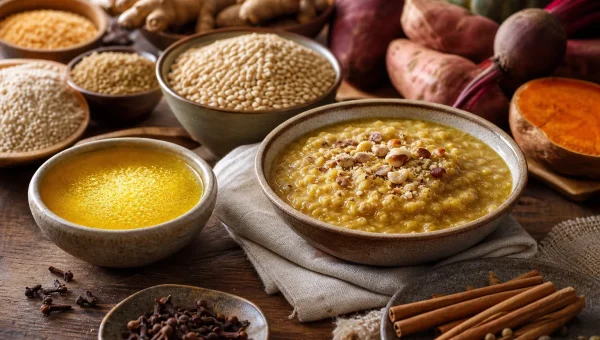
- For Vata: warm, freshly cooked, moist and grounding foods such as rice, wheat, mung dal, soups, stews, ghee in moderation, sesame oil, cooked root vegetables, ripe fruits and gentle spices like ginger, cumin, ajwain and hing.
- For Pitta: cooling, mildly sweet, bitter and astringent foods such as rice, barley, wheat, mung dal, coconut, cucumber, leafy greens, coriander, fennel, amalaki, pomegranate and moderate amounts of ghee.
- For Kapha: light, warm, dry and stimulating foods such as barley, millet, old rice, mung soup, cooked vegetables, leafy greens, lentils in moderation, honey in small amounts and spices such as dry ginger, black pepper, trikatu, mustard seed and cumin.
- For tridosha balance: regular meal timing, good digestion, fresh seasonal food, mindful eating and avoiding overeating are more important than rigid food lists.
Reduce
- For Vata: dry snacks, fasting, cold drinks, raw excess salads, irregular meals, too much caffeine, late nights and very bitter or astringent foods in excess.
- For Pitta: excess chilli, sour fermented foods, vinegar, alcohol, deep-fried foods, too much salt, excessive sun exposure and competitive or overheated routines.
- For Kapha: heavy dairy, sweets, fried foods, excess wheat, cold foods, iced drinks, daytime sleep, overeating and a sedentary lifestyle.
- For all doshas: stale food, incompatible food combinations, eating before the previous meal is digested and suppressing natural urges should be avoided as general Ayurvedic health principles.
Daily routine
A balanced daily routine should match the dominant dosha and the current season. Vata benefits most from regularity: waking and sleeping at consistent times, warm oil massage, gentle stretching, warm meals, calm breathing practices and reduced overstimulation. Pitta benefits from moderation: cooling walks, avoiding work during intense heat, non-competitive exercise, calming pranayama, adequate rest and a schedule that prevents overwork. Kapha benefits from activation: early waking, vigorous exercise according to capacity, dry massage or udvartana, light breakfast or physician-guided fasting when appropriate, mental stimulation and avoiding daytime sleep. For tridosha harmony, Ayurveda emphasizes dinacharya—cleanliness, oral care, oil application, movement, timely meals, proper sleep and seasonal adaptation.
Best herbs
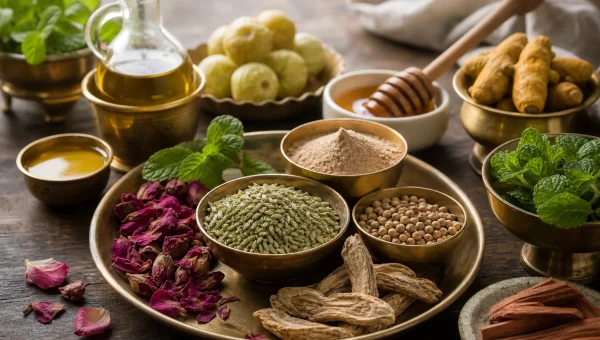
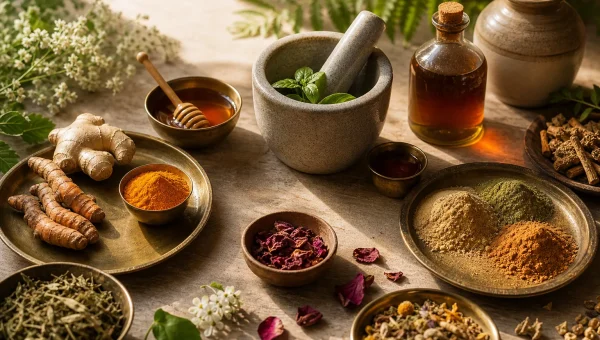
Herbs should be chosen according to constitution, digestion, disease, age, strength and season, not by dosha label alone. Common Vata-balancing herbs include Ashwagandha, Bala, Dashamula, Shatavari and Haritaki, often used with warm carriers such as ghee or sesame oil when appropriate. Pitta-balancing herbs include Amalaki, Guduchi, Shatavari, Yashtimadhu, Musta and cooling bitters, chosen carefully when digestion is weak. Kapha-balancing herbs include Trikatu, Pippali, dry ginger, Tulsi, Musta and Guggulu preparations when clinically suitable. Triphala is widely used in Ayurveda and may be adjusted by dose, timing and vehicle, but it is not suitable for everyone. Strong herbs, mineral preparations, purgatives, emetics and Panchakarma medicines should be used only under qualified supervision.
Signs of imbalance
- Vata imbalance: dryness of skin or stool, cracking joints, variable appetite, bloating, constipation, restless sleep, worry, fear, anxiety, tremors, wandering pain and sensitivity to cold or wind.
- Pitta imbalance: burning sensation, acidity, loose stools, strong hunger and thirst, irritability, anger, inflammatory skin eruptions, red eyes, excess sweating, heat intolerance and sour or bitter taste.
- Kapha imbalance: heaviness, sluggishness, excess sleep, slow digestion, nausea, mucus, congestion, swelling, weight gain, dullness, low motivation and a tendency toward attachment or inertia.
- Mixed imbalance: symptoms from more than one dosha may appear together, such as dry constipation with burning acidity, or mucus congestion with bloating and stiffness.
- Clinical warning: severe pain, unexplained weight loss, persistent fever, blood in stool or urine, chest pain, breathing difficulty, neurological symptoms or rapidly worsening illness require prompt medical evaluation.
FAQ
No. A person’s constitution, or prakriti, may be described through Vata, Pitta and Kapha predominance, but doshas are broader than body type. They describe functional tendencies in digestion, sleep, energy, mind, tissues, disease patterns and response to diet, season and treatment.
Yes. Every person has all three doshas because movement, transformation and structure are all necessary for life. What differs is the proportion at birth, the current imbalance, and the way doshas respond to food, age, climate, habits and illness.
Begin with gentle measures: regular meals, adequate sleep, freshly cooked seasonal food, suitable movement, stress reduction and avoiding clear personal triggers. Herbs, strong detoxification therapies and Panchakarma should be individualized by a qualified Ayurvedic physician.
References
- Charaka Samhita, Sutrasthana: teachings on dosha, dhatu, mala, health, disease causation, diet, daily regimen and seasonal regimen.
- Charaka Samhita, Vimanasthana: guidance on assessment of constitution, strength, digestive capacity, suitability and individualized clinical judgment.
- Sushruta Samhita, Sutrasthana: descriptions of dosha functions, bodily supports, seasonal influence and the relationship of balanced doshas to health.
- Ashtanga Hridaya, Sutrasthana: descriptions of the three doshas, their qualities, seats, functions, aggravating factors, dinacharya and ritucharya.
- Bhavaprakasha Nighantu: classical materia medica references for herbs traditionally used in Vata, Pitta and Kapha conditions.
- Ayurvedic Pharmacopoeia of India, Government of India: official monographs for identity, parts used and standards of selected Ayurvedic medicinal plants.


This is one of the clearest explanations of Vata, Pitta, and Kapha I have read. The movement, heat, and structure breakdown made the whole tridosha idea click.
Useful to see dosha described as a regulatory principle instead of a literal body part. That keeps the framework grounded.
Kapha as stability and lubrication is a really practical way to frame it. The late winter and spring seasonal link made sense too.
the Vata food list sounds very doable. Warm soups, root vegetables, and regular meals feel realistic.
The mixed pattern examples helped a lot because real people rarely fit just one bucket. Vata Pitta acidity and Kapha Vata stiffness both sounded familiar.
Easy to remember, the opposite qualities approach gives a simple mental model for balancing each dosha.
How do practitioners usually tell the difference between a stable constitution and a temporary imbalance from weather or stress?
For a beginner, would digestion and sleep be the first things to look at, or should diet changes come first?
Seasonal differences vary a lot by region, so I wonder how that gets adjusted in practice when the weather is unpredictable.
A simple starting point would help here, since the article covers diet, routine, and symptoms all together. Curious what most people focus on first.
The framework makes sense conceptually, but I would still want stronger modern evidence before leaning on it for health decisions.
Herbs and therapies can get expensive, and dosage and safety can get tricky if someone is already taking medication.
The general advice is reasonable, but a lot of the dosha matching still seems hard to standardize without larger studies and clearer measurements.