
Vegan Ayurveda: Building Ojas Without Dairy or Meat
Growing up watching my grandmother prepare creamy ksheerpaka-style drinks with milk, ashwagandha, and saffron, I assumed dairy was non-negotiable in Ayurvedic nourishment. Many traditional kitchens use milk and ghee as sweet, moist, unctuous carriers, so the question naturally arises for plant-based practitioners: can you truly build ojas on a vegan Ayurveda diet?
The practical answer is yes, provided the diet is planned carefully. Vegan ojas-building is not about copying dairy with watery substitutes; it is about recreating the functions that dairy often serves in Ayurveda: moisture for rasa, steadiness for vata, enough fat for unctuousness, enough protein for tissue formation, and enough micronutrients to prevent depletion. A vegan Ayurvedic diet can be deeply nourishing when it is warm, digestible, varied, and honest about the nutrients that plant-only eating does not automatically provide.
What Ojas Actually Is and Why the Question Matters
Ojas is not a single food, supplement, or mystical ingredient. It is described in Ayurveda as the vital essence that arises from well-nourished tissues and is associated with strength, stability, and immunity. Ayurveda presents the dhatus in a sequence: rasa, rakta, mamsa, meda, asthi, majja, and shukra; artava is addressed in the female reproductive context. For a vegan practitioner, this means ojas is built by supporting the whole chain of nourishment, beginning with steady digestion and ending with the finest reproductive and regenerative tissues.
This is not a philosophical barrier; it is a practical design challenge. Plant foods can nourish the dhatus, but a vegan diet easily becomes too cold, raw, dry, under-fatted, or under-proteined when it is designed only around salads, smoothies, and packaged meat substitutes. The Ayurvedic solution is to make plant foods easier to transform into nourishment: soak nuts and legumes, cook grains and dals until soft, use enough healthy fat, season with digestive spices, and keep meals warm and regular.
The Core Vegan Ojas Swaps
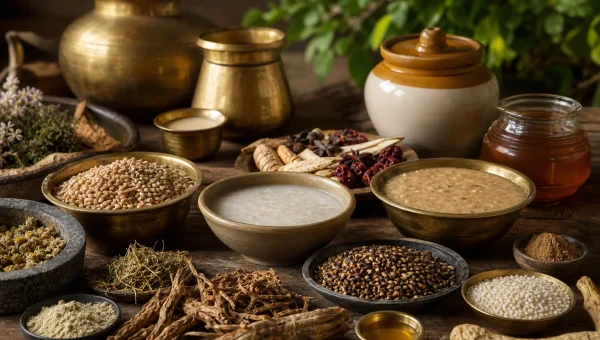
The first swap is homemade nut or seed milk in place of cow’s milk. Boxed plant milk can be useful, especially when fortified, but it rarely gives the same richness as a fresh preparation. For a simple badam ksheera-style drink, soak 25 to 30 raw almonds overnight, peel them in the morning, and blend with 1.5 cups warm water until creamy. Add 2 to 4 strands of saffron, traditionally known as kumkuma or keshara, for aroma, color, and a more luxurious rasa. Cashew milk works even faster because soaked cashews blend into cream without straining.
The second swap is a clear fat strategy. Strict vegan cooking cannot use ghee, so the meal must get unctuousness elsewhere: sesame oil for savory dishes, coconut milk or coconut cream for sweet and restorative dishes, tahini or ground sesame for mineral-rich richness, almond butter or cashew paste for creamy tonics, and avocado where it suits the season and digestion. These are not magic replacements for ghee, but they supply the moist, stabilizing quality that a depleted body often misses when vegan meals become too lean.
The third swap is for shukra/artava support. The food foundation is simple: soaked almonds and cashews, dates, black sesame or tahini, soft mung-rice khichari, warm spiced plant milk, and enough total calories to prevent depletion. The herbal foundation should be individualized. Ashwagandha is classically listed as rasayana, balya, and vajikarana; shatavari is listed as shukrala, balya, rasayana, and stanyakara; kapikacchu is listed as vrishya, brhmana, and balya. Kapikacchu seed also contains 3,4-dihydroxyphenylalanine, so it belongs in practitioner-guided use rather than casual self-supplementation.
The Vegan Ashwagandha Golden Milk Formula
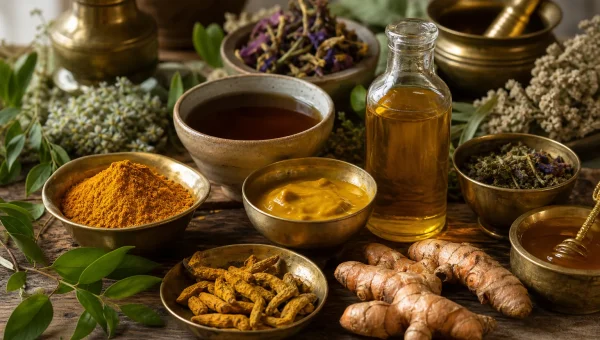
This is a plant-based version of a creamy nighttime Ayurvedic drink. It is designed to be warm, mildly sweet, unctuous, and easy to digest. Turmeric is included as a small kitchen spice, not as a megadose; the Ayurvedic Pharmacopoeia describes haridra as katu-tikta, ruksha, and ushna. Cardamom, or ela, keeps the drink fragrant and lighter, with classical actions including dipana and anulomana.
Ashwagandha Vegan Golden Milk, serves 2:
- 2 cups fresh cashew milk or almond milk
- 1/2 teaspoon ashwagandha root powder, or the amount advised by your practitioner
- 1/4 teaspoon turmeric powder
- 1 small pinch black pepper
- 1/4 teaspoon cardamom powder
- 1 teaspoon sesame oil or coconut oil for richness
- 1 to 2 teaspoons date paste, jaggery, or coconut sugar
- 2 to 4 saffron strands soaked in 1 tablespoon warm water
Warm the plant milk on low heat. Add the ashwagandha, turmeric, pepper, and cardamom, then whisk gently for 4 to 5 minutes without boiling aggressively. Stir in the oil, sweetener, and saffron water at the end. Take it in the evening only if it digests comfortably; if it feels heavy, use a smaller portion, take it earlier in the day, or omit the ashwagandha until you have practitioner guidance.
Dhatu-by-Dhatu Vegan Nourishment Plan
Ojas-building works best when every dhatu is fed in sequence rather than relying on one tonic. The table below keeps the same classical logic but translates it into vegan kitchen practice: cooked fluids for rasa, iron-aware meals for rakta, protein anchors for mamsa, healthy fats for meda, mineral-rich foods for asthi, omega-3 attention for majja, and sweet, strengthening foods for shukra/artava.
| Dhatu Focus | Vegan Food Base | Best Preparation | Classical Support to Discuss With a Practitioner |
|---|---|---|---|
| Rasa | Rice gruel, oat porridge, stewed fruit, coconut water in warm seasons | Warm, moist, gently spiced, not icy or raw-heavy | Shatavari when appropriate |
| Rakta | Lentils, beans, leafy greens, beets, pomegranate, vitamin-C foods | Pair plant iron with lemon or other vitamin-C foods; avoid tea and coffee with iron-rich meals if iron is low | Individualized herbal support only after assessment |
| Mamsa | Mung dal, lentils, chickpeas, tofu or tempeh if tolerated, quinoa, amaranth, hemp seeds | Soft-cooked dals, khichari, soups, and protein at each main meal | Ashwagandha when suitable |
| Meda | Sesame oil, tahini, coconut milk, coconut cream, almond butter, cashew paste, avocado | Use enough fat to prevent dryness, but keep portions lighter when heaviness or congestion is present | Practitioner-guided regulation rather than random fat restriction |
| Asthi | Sesame seeds, tahini, calcium-set tofu, fortified plant milk, ragi, pulses, mineral-rich greens | Use ground sesame or tahini rather than relying only on whole seeds | Asthisamhara (Cissus quadrangularis) when clinically appropriate |
| Majja | Walnuts, ground flax, chia, hemp seeds, sesame, algae-derived DHA or EPA when needed | Grind or soak seeds; keep fats fresh and avoid rancid oils | Nervine herbs only after prakriti, agni, sleep, and medication review |
| Shukra/Artava | Dates, soaked almonds, cashews, black sesame, warm spiced plant milk, nourishing khichari | Sweet, warm, soft, regular meals with enough calories and rest | Ashwagandha, shatavari, or kapikacchu under supervision |
Addressing Nutrient Gaps Honestly
Vegan ojas-building must include modern nutrition planning because vitality is not built by intention alone. Appropriately planned vegan diets can be nutritionally adequate, but the planning matters. Vitamin B12, vitamin D, calcium, iodine, iron, zinc, protein, and omega-3 fats deserve deliberate attention, especially for pregnancy, breastfeeding, children, older adults, athletes, and anyone recovering from illness.
Vitamin B12 is the clearest non-negotiable. Plant foods do not naturally provide dependable B12 unless they are fortified, and no Ayurvedic herb substitutes for it. Use fortified foods and/or a supplement plan with a qualified healthcare provider or registered dietitian. This is especially important for long-term vegans and for anyone with fatigue, numbness, anemia, neurological symptoms, digestive disorders, or a history of low B12.
Omega-3 fats need similar clarity. Flax, chia, hemp seeds, walnuts, and some vegetable oils provide ALA, while EPA and DHA are different omega-3 forms. Conversion from ALA to EPA and DHA is limited, so algae-derived DHA or EPA can be useful for vegans who need a direct source. Choose dose and form carefully if you take blood thinners, have surgery planned, are pregnant, or use other regular medication.
Calcium and vitamin D are central for asthi dhatu support in a vegan diet. Good vegan calcium sources include fortified unsweetened plant drinks, calcium-set tofu, sesame seeds, tahini, pulses, and suitable leafy vegetables. Vitamin D status should be handled through appropriate sunlight exposure, fortified foods, testing when needed, and supplementation when advised. Sesame paste dissolved into warm food or drink is often more practical than sprinkling whole sesame seeds and hoping they are well used.
Iron requires attention because plant iron is non-heme and less readily absorbed than heme iron. Build rakta-supporting meals around lentils, beans, tofu, seeds, and leafy vegetables, then pair them with vitamin-C foods such as lemon, amla, citrus, or fresh herbs. If iron is low, avoid drinking tea or coffee with main meals because this can reduce absorption. Persistent fatigue, breathlessness, dizziness, hair fall, or heavy menstrual bleeding should be assessed medically rather than treated only with food.
Recipes for Each Meal Slot
The meal rhythm matters as much as the ingredients. Ojas responds better to repeated, warm, digestible meals than to occasional rich tonics followed by erratic eating. A vegan Ayurvedic day should usually contain one soft grain, one well-cooked legume or soy protein, one cooked vegetable, one healthy fat, one mineral-rich accent, and digestive spices.
Breakfast: creamy oat-almond porridge. Cook rolled oats or broken rice slowly with water and almond or cashew milk. In the final minutes, stir in cardamom, a spoon of almond butter or tahini, soaked raisins, and chopped dates. If ashwagandha or shatavari has been prescribed for you, this is a gentle place to add it. Keep the bowl warm, soft, and moderately sweet; avoid cold smoothie-style breakfasts when the goal is ojas-building.
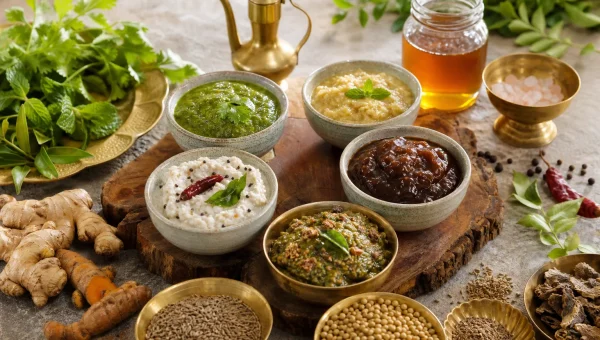
Lunch: mung dal khichari. Mung, or mudga, is classically described as laghu and is used in yusha-style preparations. Soak split mung dal, cook it with basmati rice until completely soft, and season with cumin, ginger, turmeric, a pinch of asafoetida, and sesame oil. This is the most reliable vegan lunch anchor because it is warm, protein-containing, easy to vary, and friendly to agni when prepared simply.
Dinner: sesame-root soup or soft rice gruel. For dinner, keep the meal lighter than lunch but still nourishing. Simmer carrots, pumpkin, bottle gourd, or sweet potato with rice or mung until soft, then finish with tahini thinned in warm water, cardamom or cumin, and a little rock salt. This gives warmth, fluid, minerals, and unctuousness without forcing the body to digest a heavy late-night meal.
The complete guide to building agni is especially important for vegan Ayurveda because plant foods must be transformed well to nourish the dhatus. The same dosha-specific eating principles still apply: vata needs warmth and oiliness, pitta needs moderation of heat and sourness, and kapha needs lighter portions, legumes, greens, and more digestive spices.
When Vegan Ojas-Building Needs Extra Care
A vegan Ayurvedic plan needs extra supervision during pregnancy, breastfeeding, childhood, eating disorder recovery, chronic illness, intense athletic training, infertility treatment, autoimmune disease, and long-term digestive weakness. It also needs care when using herbs alongside thyroid medicine, antidepressants, sedatives, blood thinners, diabetes medication, fertility treatment, or neurological medication. Herbs that are traditional and plant-based can still be potent.
Medical Disclaimer: This article is for educational purposes only and does not diagnose, treat, or replace medical care. A plant-based diet requires careful nutritional planning. Consult a qualified Ayurvedic practitioner, registered dietitian, or healthcare provider before starting herbs, supplements, detoxes, or therapeutic protocols, especially if pregnant, breastfeeding, managing a medical condition, or taking medication.
References
- Blog (blog.mygov.in)
- Concepts of Dhatu Siddhanta (theory of tissues formation and differentiation) and Rasayana; probable predecessor of stem cell therapy (2014), PubMed Central
- Position of the Academy of Nutrition and Dietetics: Vegetarian Diets (2016), PubMed
- NIH Office of Dietary Supplements
- NHS
- NIH Office of Dietary Supplements
- NIH Office of Dietary Supplements
- Ayurvedic Pharmacopoeia of India
- Ayurvedic Pharmacopoeia of India
- Ayurvedic Pharmacopoeia of India
- NCCIH
for Ojas-building without meat or dairy, what’s the minimum protein amount recommended and from which vegan sources?
the article understates how difficult it is to build Ojas on a vegan diet in Ayurvedic terms. dairy and meat have specific roles that plant foods don’t fully replicate.
the Dhatu-building vegan meal plan in this article is more practical than any other Ayurveda vegan guide Ive found.
for building Shukra Dhatu without dairy, are sesame seeds sufficient as a replacement or are other seeds needed? 🙏
vegan Ayurveda is tricky because so many ojas examples use ghee and milk. this topic needed a proper article.
does the vegan Ayurveda protocol address B12 supplementation? this is a critical gap in plant-based diets.
That’s a really important point about B12. The post doesn’t seem to address it directly, and it’s honestly one of my biggest hesitations about shifting to a fully vegan protocol — even if ojas-building is achievable with coconut milk and seeds, B12 simply doesn’t come from plants reliably. Would love to see the author’s take on whether supplementation fits within an Ayurvedic framework or is viewed as adulterated.
as a long-term vegan I struggled with Ayurvedic practitioners who kept insisting dairy was essential for Ojas. this article finally provides practical alternatives.
@Mahesh for Ojas-building without meat or dairy, what’s the minimum protein amount recommended and from which vegan sources?
can you list vegan ojas foods by season? sesame, dates, almonds, mung, coconut maybe but not all suit everyone.