
Sariva (Hemidesmus indicus): The Cooling Blood Purifier for Skin, Urinary Comfort, and Pitta Heat
There is a fragrant root that grows across much of India, climbing quietly through scrubland and village fences. Scratch the bark of good sariva root and you notice its characteristic sweet-aromatic scent. This is sariva, also called shveta sariva, anantamula, nannari, and Indian sarsaparilla; in the Ayurvedic Pharmacopoeia of India it is identified as the root of Hemidesmus indicus.
Many people first meet sariva through nannari sherbet, the South Indian summer drink made from the aromatic root. In Ayurveda, that cooling kitchen use is not accidental. Sariva is classically sweet, heavy, unctuous, cooling, and sweet in post-digestive effect, with actions described as raktashodhaka and tridoshanashana. This gives it a special place among herbs used for pitta-rakta heat, itching, skin discomfort, feverish heat, and urinary burning.
Classical Profile of Sariva
Bhavaprakasha Nighantu describes the pair of sariva varieties in the Guduchyadi Varga and praises their sweet, unctuous, heavy, and balancing qualities. The Ayurvedic Pharmacopoeia of India gives the following profile for shveta sariva, the Hemidesmus indicus root used in official Ayurvedic drug standards.
| Property | Sariva Classification | Ayurvedic Significance |
|---|---|---|
| Rasa (Taste) | Madhura (sweet) | Cooling, soothing, and nourishing rather than sharply scraping or drying |
| Guna (Quality) | Guru (heavy), Snigdha (unctuous) | Grounding and softening; useful where heat is accompanied by dryness or irritation |
| Virya (Potency) | Shita (cooling) | Pacifies excess heat in pitta-rakta presentations |
| Vipaka (Post-digestive effect) | Madhura (sweet) | Supports a gentle, non-depleting style of purification |
| Karma (Actions) | Raktashodhaka, Vishaghna, Tridoshanashana, Dipana, Amanashana, Jvarahara | Traditionally used for blood vitiation, toxicity, feverish states, impaired appetite, and ama-related imbalance |
This profile explains why sariva is valued differently from many strongly bitter blood-purifying herbs. It cools and cleanses while retaining a sweet, unctuous, and stabilizing nature. In practice, that makes it especially attractive for pitta-rakta conditions where heat, itching, redness, thirst, burning, or irritation are present but the person cannot tolerate harsh, very drying herbs.
The Three Pillars of Sariva’s Action: Skin, Urinary Comfort, and Pitta Heat
Sariva’s classical indications cluster around three related themes: the skin and blood, the urinary channels, and heat-driven discomfort. These are not separate actions in Ayurvedic physiology; they are linked through pitta, rakta, fluid balance, and the body’s response to accumulated heat and ama.
Pillar 1: Skin and Rakta Purification
The Ayurvedic Pharmacopoeia lists kandu, kushtha, and raktavikara among the therapeutic uses of shveta sariva. In practical Ayurvedic language, this points to itching, skin disorders, and conditions understood through vitiation of rakta. Sariva is therefore a classic choice when the skin picture is hot, itchy, reactive, or associated with pitta-rakta aggravation.
For skin support, sariva is commonly used as a decoction, as part of compound formulations, or in practitioner-designed combinations with herbs such as manjistha, chandana, usheera, guduchi, or neem depending on the dosha picture. Its sweet and cooling nature makes it especially useful when a formula needs blood purification without excessive dryness.
- Itching and heat irritation: Sariva’s raktashodhaka, shita, and snigdha profile suits pitta-rakta skin presentations marked by heat, itching, or burning.
- Recurring inflammatory skin patterns: In classical practice, sariva may be included in broader rakta-pacifying formulas when skin eruptions are linked with internal heat.
- Post-eruption skin recovery: When the active heat has settled, sariva’s sweet and unctuous qualities make it gentler than very bitter herbs for longer restorative use under guidance.
Modern phytochemical work on Hemidesmus indicus has examined aromatic aldehydes, saponins, tannins, sterols, and other constituents, and laboratory investigations have described antioxidant, anti-inflammatory, and antimicrobial activity in extracts of the root. These findings fit well with the classical use of sariva in pitta-rakta and skin-support contexts, while therapeutic use still belongs within proper clinical assessment.
Pillar 2: Urinary Comfort and Kidney Support
Sariva’s cooling sweetness also makes it valuable in urinary discomfort where burning, heat, irritation, and pitta aggravation are prominent. Classical Ayurvedic practice often favors sweet-cooling herbs for urinary heat because they soothe rather than irritate the channels.
The official classical formulation Sarivadyasava contains sariva as a key ingredient and is listed in the Ayurvedic Formulary of India for conditions including meha, prameha pidaka, upadamsha, raktavikara, daurbalya, and agnimandya. Animal investigations have also examined Hemidesmus indicus extracts in kidney-injury models such as gentamicin-induced renal toxicity and bromobenzene-associated kidney mitochondrial dysfunction.
- Burning urination: In pitta-dominant urinary discomfort, sariva is traditionally chosen for its cooling, sweet, and soothing profile.
- Urinary heat with thirst and internal burning: Sariva may be paired with other cooling urinary herbs by a practitioner when the presentation calls for mutra-vaha-srotas support.
- Kidney support: Sariva should be used only as a supervised supportive herb in kidney disease, not as a replacement for medical diagnosis, infection treatment, stone care, or renal monitoring.
Pillar 3: Feverish Heat, Itching, and Ama-Pitta Irritation
Bhavaprakasha Nighantu describes sariva as useful in conditions such as impaired appetite, loss of taste, asthma, cough, ama, toxicity, blood disorders, fever, diarrhea, and doshic disturbance. The Ayurvedic Pharmacopoeia similarly lists agnimandya, aruchi, atisara, shvasa, jvara, kasa, kandu, kushtha, and raktavikara.
This wider classical profile matters because sariva is not only a “skin herb.” It is a cooling purifier used when heat, ama, appetite disturbance, feverishness, itching, and rakta-pitta irritation overlap. In a hot season, after heavy food, or during pitta aggravation, sariva’s action is gentle, aromatic, and balancing rather than forceful.
- Summer pitta aggravation: Nannari-style sariva drinks are a traditional seasonal way to use the root’s cooling nature as a food preparation.
- Feverish heat: Sariva is classically described as jvarahara, but fever requires appropriate medical evaluation, especially if persistent, high, recurrent, or associated with infection signs.
- Ama with poor appetite: Sariva is described as dipana and amanashana, making it relevant where pitta heat and digestive dullness coexist.
Sariva Preparations and Doses
Sariva is used as a raw root drug, decoction, syrup, topical wash, and as an ingredient in compound formulations. The appropriate form depends on whether it is being used as a seasonal beverage, a classical decoction, a skin-support ingredient, or part of a supervised therapeutic plan.
| Preparation | How It Is Used | Dose or Guidance | Best Suited For |
|---|---|---|---|
| Kashaya (Decoction) | Dried sariva root boiled in water and reduced, then strained | The Ayurvedic Pharmacopoeia lists 20-30 g of the drug for decoction; therapeutic use should be practitioner-guided | Classical use in pitta-rakta, itching, feverish heat, and internal cooling formulas |
| Churna (Powder) | Fine powder of dried root | Use according to a qualified practitioner’s direction or a regulated pharmacy label | Gentle internal support where sariva is selected for the constitution and condition |
| Nannari Sherbet | Sariva root syrup diluted in cool water | A household beverage, not a clinical dose; reduce or avoid sugar when medically necessary | Seasonal cooling, summer refreshment, and food-grade use of the aromatic root |
| Sarivadyasava | Classical fermented Ayurvedic preparation containing sariva | The Ayurvedic Formulary of India lists 12-24 mL as the adult dose; use under guidance | Classical indications such as raktavikara, meha, prameha pidaka, daurbalya, and agnimandya |
| External Wash | Cooled decoction applied externally | Use on intact skin and discontinue if irritation occurs | Cooling external support in heat and itching presentations when appropriate |
Nannari Sherbet: A Cooling Kitchen Use
Nannari sherbet is the most familiar household preparation of sariva in South India. It is a beverage tradition rather than a substitute for clinical treatment, but it beautifully expresses sariva’s aromatic, cooling, and sweet nature.
For the Concentrate
This produces a fragrant syrup that can be diluted in cool water during hot weather.
- 100 g dried sariva roots, washed and lightly crushed or chopped
- 500 mL water
- 150-200 g jaggery or sugar, adjusted to taste and health needs
- 1 tablespoon lemon juice
- A few drops of rose water, optional
Method
The preparation is simple: soak, simmer, strain, sweeten, and dilute.
- Soak the sariva roots in water overnight.
- The next morning, simmer the roots in the same water until the liquid is aromatic and reduced by about one-third.
- Strain through a clean cloth.
- Add jaggery or sugar to the warm liquid and stir until dissolved.
- Add lemon juice and rose water if desired.
- Cool completely and store in a clean glass bottle in the refrigerator.
- To serve, mix 2-3 tablespoons of concentrate with a glass of cool water.
People with diabetes, insulin resistance, obesity, or medical restrictions on sugar should avoid sweet syrups or prepare an unsweetened infusion under dietary guidance.
Sariva in Classical Formulations and Groups
Sariva appears both as a single herb and as a named ingredient in classical combinations. Its most direct official formulation is Sarivadyasava, where sariva is a principal root ingredient in a fermented preparation described for blood, urinary-metabolic, debility, and digestive indications.
- Sarivadyasava: The Ayurvedic Formulary of India lists sariva root among its ingredients and gives the adult dose as 12-24 mL. Its indicated uses include vatarakta, meha, prameha pidaka, upadamsha, bhagandara, raktavikara, daurbalya, and agnimandya.
- Sarivadi gana: Sariva also gives its name to classical sariva-based herb groups used for cooling and pitta-related conditions in Ayurvedic tradition.
- Single-root decoction: The Ayurvedic Pharmacopoeia recognizes sariva root as an official single drug and gives a decoction dose of 20-30 g of the drug.
Buying the Right Sariva
Names such as sariva, anantamula, nannari, and Indian sarsaparilla can overlap in trade. For the herb discussed here, the botanical identity should be Hemidesmus indicus root, especially when a formula or prescription calls for shveta sariva.
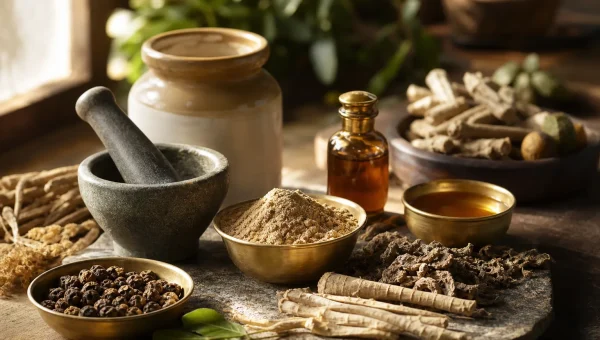
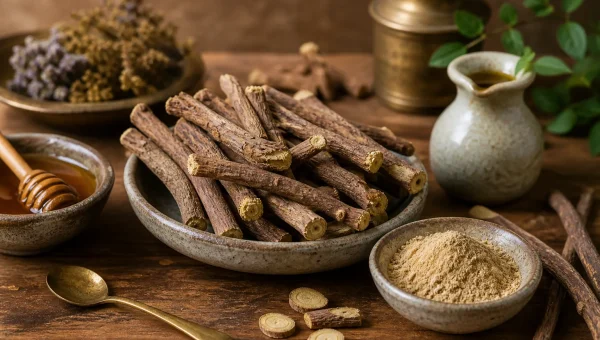
Good-quality Hemidesmus indicus root is typically thin, wiry, aromatic, dark brown externally, corky in bark, and sweetish to slightly acrid in taste. The Ayurvedic Pharmacopoeia describes root pieces about 3-8 mm in diameter with a characteristic odour and aromatic taste. Modern pharmacognostic work has also noted that other roots may be sold under the name sariva, so botanical identity matters.
- Buy from suppliers who state the botanical name Hemidesmus indicus.
- Prefer whole or coarsely cut root when possible so aroma and appearance can be checked.
- Avoid material that is musty, scentless, moldy, artificially perfumed, or unidentified.
- Do not confuse Indian sariva with unrelated commercial “sarsaparilla” products unless the botanical source is clearly stated.
Safety Profile and Contraindications
Sariva is gentle in classical character, but “gentle” does not mean careless use. Therapeutic dosing should be individualized by constitution, digestive strength, age, condition, medication use, and the seriousness of the disease being addressed.
- Consult a qualified Ayurvedic practitioner or healthcare provider before using sariva therapeutically, especially during pregnancy, lactation, childhood, chronic kidney disease, liver disease, fever, recurrent urinary symptoms, or ongoing medication use.
- Do not use sariva as a replacement for medical care in urinary tract infection, kidney infection, kidney stones, chronic kidney disease, persistent fever, severe skin disease, or unexplained bleeding.
- Asavas such as Sarivadyasava are fermented preparations and may contain alcohol and sugar; they may be unsuitable for some people.
- Nannari syrup is often sugar-rich and should be modified or avoided by people with diabetes or medical sugar restrictions.
- Because sariva is heavy, sweet, unctuous, and cooling, excess use may feel dampening for people with weak digestion, heaviness, coating on the tongue, or sluggish appetite.
Why Sariva Deserves More Attention
Sariva represents a quiet Ayurvedic approach to purification. It is not harsh, fiery, or aggressively scraping. It cools, soothes, and cleanses through a sweet and stabilizing profile, which is why it remains valuable for pitta-rakta heat, itching, urinary burning, feverish irritation, and summer discomfort.
In a marketplace crowded with stimulating herbs, sariva reminds us that some of the most useful medicines are gentle, aromatic, and deeply balancing. A glass of nannari sherbet on a hot afternoon captures the essence of the herb: cooling, fragrant, softening, and quietly restorative.
Medical Disclaimer: This article is for educational purposes only and does not constitute medical advice. Herbal medicines should be used under the guidance of a qualified practitioner, especially for specific medical conditions, during pregnancy or lactation, in children, or alongside conventional medications. Nothing in this article diagnoses, treats, cures, or prevents any disease.
References
- Ayurvedic Pharmacopoeia of India
- Davpharmacy (davpharmacy.com)
- Dravyaguna notes
- The bioactive and therapeutic potential of Hemidesmus indicus R. Br. (Indian Sarsaparilla) root (2013), PubMed
- Evaluation of antioxidant properties of root bark of Hemidesmus indicus R. Br. (Anantmul) (2002), PubMed
- Phcogj (phcogj.com)
- Renoprotective effect of Hemidesmus indicus, a herbal drug used in gentamicin-induced renal toxicity (2004), PubMed
- Protective effect of Hemidesmus indicus L. R. Br. against bromobenzene-induced mitochondrial dysfunction in rat kidney (2012), PubMed
- Analysis of the chemical composition of root essential oil from Indian sarsaparilla (Hemidesmus indicus) and its application as an ecofriendly insecticide and pharmacological agent (2021), PubMed
- Or (or.niscpr.res.in)
- Ijrap (ijrap.net)
the evidence base for Hemidesmus indicus is very limited. most studies are in-vitro or in animal models.
does Sariva interact with hormonal contraceptives given its claimed hormonal effects?
for the blood purification effect, is Sariva used as a standalone or always in combination with Manjistha and Neem?
the hormonal regulation angle for Sariva is interesting. my PCOS-related acne improved alongside the main treatment protocol when Sariva was added. 💯
That’s interesting to hear. 💯 The skin connection makes sense given Sariva’s effect on Pitta and blood — PCOS-related acne often has that internal inflammatory component that topical treatments alone don’t fully resolve. Did you take it as a decoction or in tablet form during the protocol?
does Sariva interact with hormonal contraceptives given its claimed hormonsl effects?
That’s a really relevant safety question. On a related note, I’ve been wondering whether Sariva’s hormone-modulating effect is strong enough to actually interfere with other treatments or if it’s gentle enough to use alongside conventional approaches — would love the author’s take on that.
Following on that — yes, Hemidesmus indicus and Anantamool are the same plant, just different regional names. The botanical name confusion is real though, because Sariva is also used loosely for Cryptolepis buchanani in some traditions, which is a completely different species with different actions. Worth double-checking the Latin name on any product you buy.
Helpful.
is Hemidesmus indicus the same as Indian Sarsaparilla? the botanical name is different from what I’ve seen sold as ‘Anantamool’.
for the blood purification rffect, is Sariva used as a standalone or always in combination with Manjistha and Neem? tbh
The vanilla like fragrance when scratching the bark really caught my attention; it makes the herb feel more approachable.
the article mentions Sariva for kidneys but doesn’t specify CKD stages. is it safe for stage 3 CKD?
the kidney health claim needs to be contextualized better. ‘cooling’ is not a clinical endpoint and readers with kidney disease should not self-treat.
Hemidesmus indicus for chronic skin conditions been taking 500mg twice daily for 6 weeks and my seborrheic dermatitis patches have reduced significantly.
@Mark the evidence base for Hemidesmus indicus is very limited. most studies are in-vitro or in animal models.
I wonder how the sweet bitter taste balance affects vata when used long term.
does Sariva interact with hormonal contraceptives given its claimed hormonal effects? 🙌
for the blood purification effect, is Sariva used aa a standalone or always in combination with Manjistha and Neem?
does Sariva interact with hormonal contracrptives given its claimed hormonal effects?
Sariva’s role in kidney support seems especially relevant for pitta related urinary discomfort.
Will try!
does Sariva interact with hormonal contraceptives given its claimed hormonal effects? 💯
@Jaya hemidesmus indicus for chronic skin conditions been taking 500mg twice daily for 6 weeks and my seborrheic dermatitis patches have reduced significantly.
Reading about the classical formulation Sarivadyasava made me curious about trying a fermented preparation.
Noted.
The kidney cooling properties described here are what caught my attention. I’ve had recurring UTIs and my Ayurvedic practitioner has mentioned Sariva a few times but I haven’t started it yet. Is there a standard decoction ratio or does it vary depending on whether the target is skin, kidney, or hormone-related conditions?
Useful info.
The idea of using sariva for hormonal acne along the jawline sounds practical for hot months.
is Hemidesmus indicus the same as Indian Sarsaparilla? the botanical mame is different from what ive seen sold as ‘Anantamool’. ✨
Same here.
does Sariva interact with hormonal contraceptives given its claimed hormonal effects? नमस्ते
for the blood purification effect, is Sariva used as a standalone or always in combination with Manhistha and Neem? tbh 🙌
I appreciate that the article mentions safety in pregnancy when used as a food grade sherbet.
@Vikram the kidney health claim needs to be contextualized better. ‘cooling’ is not a clinical endpoint and readers with kidney disease should not self-treat.
That vanilla-like fragrance from the root is what hooked me on sariva too. The blood-purifying angle makes sense given how much pitta imbalance shows up as skin issues — has anyone here used it specifically for recurring heat rashes?
A simple decoction of ten grams root in two hundred milliliters water reduced to fifty milliliters seems easy to prepare at home.
Doing this.
Does the mild estrogenic activity mean men should watch for any changes after several weeks of use?
Good one. ❤️
The cooling potency sheetavirya explains why nannari sherbet feels so instantly refreshing on a scorching day.
I found the comparison with neem and kutaja helpful to understand why sariva is gentler on vata.
Using sariva powder with cold milk at bedtime for menopausal hot flashes seems like a soothing routine.
The nephroprotective results from the rat study suggest potential for gentle kidney support without harsh side effects.