
At a glance
| Type (internal/external/Panchakarma) | Internal bio-purification therapy; core Panchakarma system, supported by external preparatory therapies such as snehana and swedana |
| Typical duration | Usually 7–21 days for a clinical course; shorter or longer protocols may be planned according to strength, disease, season and dosha status |
| Main indications | Chronic dosha aggravation, Kapha disorders, Pitta disorders, Vata disorders, metabolic imbalance, skin disorders, joint stiffness, recurrent congestion, selected digestive and neurological conditions |
| Oils/herbs used | Medicated ghee, sesame oil, Dashamula preparations, Triphala, Trivrit, Eranda, Madanaphala, Yashtimadhu, Anu Taila, Bala Taila and disease-specific decoctions |
| Primary dosha | Vamana for Kapha; Virechana for Pitta; Basti for Vata; Nasya for doshas in the head and neck; Raktamokshana for Rakta-Pitta vitiation |
What is it?
Panchakarma means “five actions” and refers to Ayurveda’s classical system of carefully planned shodhana, or bio-purification therapy. In common contemporary practice the five are described as Vamana, therapeutic emesis; Virechana, therapeutic purgation; Basti, medicated enema; Nasya, nasal administration of medicines; and Raktamokshana, therapeutic bloodletting. Classical texts also preserve a slightly different enumeration: Charaka gives major importance to Vamana, Virechana, Niruha Basti, Anuvasana Basti and Nasya, while Sushruta gives special prominence to Raktamokshana for disorders involving vitiated blood. In practical clinical use, Panchakarma is not a generic spa detox. It is a physician-supervised medical process in which the patient’s prakriti, vikriti, agni, strength, age, season, bowel habit, disease stage and medicines are assessed before any cleansing procedure is selected.
How it is done
- Clinical assessment: The physician examines dosha involvement, disease stage, digestive strength, tissue strength, contraindications, current medicines and whether the patient is fit for shodhana.
- Deepana and pachana: Digestive and ama-reducing herbs may be used first when heaviness, coating, poor appetite or sluggish digestion is present.
- Snehana: Internal oleation with medicated ghee or oil, and/or external oil application, is given to loosen aggravated doshas and prepare them for elimination.
- Swedana: Therapeutic fomentation or sweating is used after oleation to help mobilize doshas from the tissues toward the gastrointestinal tract or appropriate route of elimination.
- Selection of the main karma: Vamana is chosen mainly for Kapha disorders; Virechana for Pitta and Rakta-Pitta patterns; Basti for Vata disorders; Nasya for head, neck and sense-organ conditions; and Raktamokshana for selected blood-vitiation and localized inflammatory conditions.
- Pradhana karma: The main procedure is performed under supervision with appropriate medicines, dose, timing, monitoring and emergency readiness.
- Observation of response: The physician observes classical signs of proper, inadequate or excessive cleansing, as well as modern safety parameters such as hydration, weakness, dizziness, bleeding, pain or bowel disturbance.
- Samsarjana krama: A graduated post-cleansing diet is prescribed, beginning with light, warm, digestible foods and gradually returning to normal meals according to the degree of cleansing.
- Rasayana and disease-specific care: After the body has recovered, rejuvenative, strengthening or disease-specific medicines, diet and lifestyle measures may be introduced.
Indications
Panchakarma is traditionally indicated when aggravated doshas are strong enough to require elimination rather than simple pacification. Vamana is considered for Kapha-dominant conditions such as chronic heaviness, recurrent congestion, certain respiratory and skin conditions and Kapha-related metabolic patterns. Virechana is used for Pitta-dominant disorders, burning sensations, certain liver-biliary and skin conditions, hyperacidity patterns and Rakta-Pitta involvement. Basti is the principal therapy for Vata disorders, including dryness, stiffness, constipation, degenerative joint problems, low back disorders and certain neuromuscular conditions. Nasya is used for disorders above the clavicle, including selected sinus, nasal, head, neck, voice and sense-organ conditions. Raktamokshana is reserved for carefully selected cases involving localized Rakta dushti, inflammatory skin lesions, certain painful swellings and Pitta-Rakta aggravation. The choice is never made by disease name alone; it depends on the patient’s strength, digestion, age, season, chronicity and risk profile.
Benefits
When properly selected and performed, Panchakarma aims to remove aggravated doshas, lighten the body, kindle agni, improve bowel regularity, reduce heaviness, support clearer skin, improve joint comfort, calm disturbed Vata, reduce Kapha stagnation and prepare the body for rasayana therapy. Many patients also experience improved sleep, appetite, mental clarity and adherence to healthier routines because the treatment includes diet, rest and daily supervision. These benefits should be understood in the Ayurvedic clinical framework, not as a guaranteed cure or a replacement for urgent medical care. The best outcomes are usually seen when Panchakarma is individualized and followed by appropriate diet, lifestyle, medicines and follow-up care.
Oils & herbs used
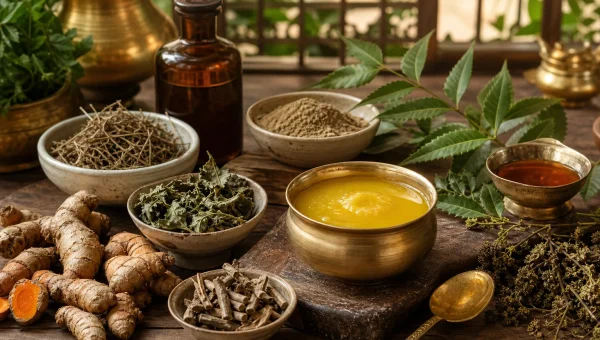
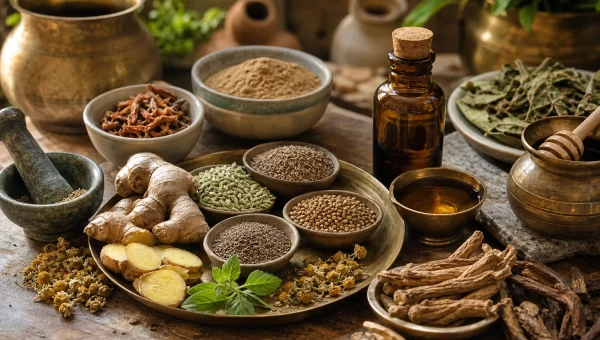
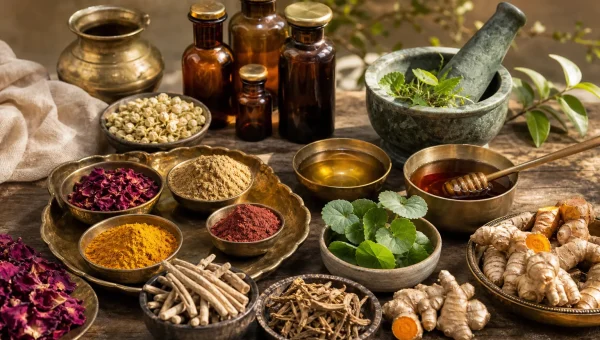
The medicines used in Panchakarma vary widely. For snehana, physicians may use plain ghee, medicated ghee, sesame oil or disease-specific preparations. Vamana commonly uses emetic-supporting formulations such as Madanaphala with adjuncts like Yashtimadhu, milk or suitable decoctions, depending on the patient. Virechana may use classical purgative herbs and preparations based on Trivrit, Eranda, Avipattikara-type combinations or other physician-selected medicines. Basti formulations may include Dashamula decoction, Bala, Eranda, honey, rock salt, medicated oils and ghee, combined according to the type of basti. Nasya may use Anu Taila, Shadbindu Taila, ghee, herbal powders, juices or decoctions depending on whether the intention is cleansing, nourishing or pacifying. Raktamokshana methods described in classical surgery include siravedha and jalauka application, but these require strict clinical judgment, sterile technique and appropriate training. All herbs and oils should be authentic, uncontaminated and selected according to classical indications and modern safety considerations.
Contraindications
Panchakarma is contraindicated or must be heavily modified in pregnancy, immediately after delivery, severe debility, extreme old age or very young age, acute fever, dehydration, severe anemia, uncontrolled diabetes, unstable heart disease, serious kidney or liver disease, active infection, active bleeding disorders, severe diarrhea, fainting tendency, eating disorders and after major surgery unless cleared by the treating physician. Vamana is avoided in weak patients, children, the elderly, pregnancy, bleeding tendency, severe hypertension and major cardiac risk. Virechana is avoided in dehydration, severe weakness, acute diarrhea and pregnancy. Basti is avoided or modified in acute diarrhea, rectal bleeding, severe anal disease and profound debility. Nasya is avoided immediately after meals, alcohol intake, bathing, acute fever, severe indigestion and in very young children unless specifically indicated. Raktamokshana is contraindicated in anemia, bleeding disorders, anticoagulant use, severe weakness, pregnancy and poor wound-healing states. Panchakarma should not be self-administered.
What to expect & after-care
A proper course usually feels structured and disciplined. During preparation, the patient may take measured doses of ghee or oil, receive massage and sweating, and eat a simple diet. During the main cleansing procedure there may be vomiting, purgation, bowel evacuation, nasal discharge, sweating, fatigue or emotional sensitivity, depending on the therapy used. These responses are monitored closely. After the procedure, appetite is often delicate, so samsarjana krama is essential: warm rice gruel, thin soups, light khichari and gradually heavier foods are introduced as digestion recovers. Rest, warm water, early sleep, avoiding cold exposure, avoiding exertion, avoiding sexual activity, avoiding alcohol, avoiding heavy fried foods and avoiding day sleep are commonly advised. The after-care period is as important as the procedure itself; poor diet or overexertion immediately after cleansing can disturb agni and aggravate Vata.
What the research says
Modern clinical evidence for Panchakarma as a complete system is still limited. A small observational study of a five-day Panchakarma-based retreat reported improvements in quality-of-life and psychosocial measures, but it was not a large randomized trial and cannot prove disease-specific efficacy. A metabolomics study in healthy subjects reported measurable short-term changes after a Panchakarma-based program, but the intervention included diet, herbs and lifestyle elements, so the specific effect of individual procedures cannot be separated. Some randomized and comparative studies of broader Ayurvedic care, especially in knee osteoarthritis, suggest symptom improvement, but these usually combine medicines, diet, massage, sweating, basti or other procedures, making it difficult to isolate Panchakarma alone. Overall, Panchakarma has a strong classical rationale and long clinical use, but modern evidence remains preliminary, condition-specific and methodologically mixed. It should be used as supervised integrative care, not as a substitute for evidence-based emergency treatment, surgery, antibiotics, insulin, antihypertensives or other essential medical care when needed.
FAQ
No. Panchakarma is often simplified as “detox,” but classically it is a medical shodhana therapy based on dosha assessment, preparation, elimination and recovery. It is not just fasting, massage, sweating or taking laxatives.
There is no universally best Panchakarma. Vamana, Virechana, Basti, Nasya and Raktamokshana have different indications. The best choice depends on dosha, disease, strength, age, digestion, season and safety factors.
Gentle preparatory routines such as simple diet, rest, warm water and mild oil massage may be advised at home, but the main cleansing therapies should be done only under a qualified Ayurvedic physician. Self-induced vomiting, purgation, enemas or bloodletting can be dangerous.
Frequency varies. Some people may need a short, mild seasonal protocol; others may need disease-specific treatment only when clearly indicated. Repeated strong cleansing without assessment can weaken agni, aggravate Vata and cause complications.
References
- Charaka Samhita, Sutra Sthana, Chapter 15, Upakalpaniya Adhyaya; and Siddhi Sthana, chapters on purification procedures, basti, therapeutic success and complications.
- Charaka Samhita, Kalpa Sthana, chapters on emetic and purgative formulations, including Madanaphala and other vamana-virechana dravyas.
- Sushruta Samhita, Sutra Sthana, Chapter 13, Jalauka Avacharaniya Adhyaya; Chapter 14, Shonita Varnaniya Adhyaya, for blood and bloodletting principles.
- Ashtanga Hridaya, Sutra Sthana, Chapter 16, Sneha Vidhi; Chapter 17, Sweda Vidhi; Chapter 18, Vamana-Virechana Vidhi; Chapter 19, Basti Vidhi; Chapter 20, Nasya Vidhi; Chapter 27, Siravyadha Vidhi.
- Ayurvedic Pharmacopoeia of India, Part I, Government of India, Ministry of AYUSH / Pharmacopoeia Commission for Indian Medicine & Homoeopathy: official standards for single Ayurvedic drugs.
- Conboy LA, Edshteyn I, Garivaltis H. Ayurveda and Panchakarma: measuring the effects of a holistic health intervention. The Scientific World Journal. 2009;9:272–280.
- Peterson CT, Lucas J, John-Williams LS, et al. Identification of altered metabolomic profiles following a Panchakarma-based Ayurvedic intervention in healthy subjects. Scientific Reports. 2016;6:32609.
- Kessler CS, Dhiman KS, Kumar A, et al. Effectiveness of an Ayurveda treatment approach in knee osteoarthritis: a randomized controlled trial. Osteoarthritis and Cartilage. 2018;26(5):620–630.
The distinction between Panchakarma as a medical process and a spa detox was the clearest part for me. The prep steps like snehana and swedana really seem important, not optional.
Nice to see the article spell out how Vamana, Virechana, Basti, Nasya, and Raktamokshana are chosen for different dosha patterns. That made the whole system feel a lot more organized.
That 7 to 21 day course feels more realistic than the quick detox hype you see online. The post cleansing diet part is probably where a lot of people would need guidance.
The safety reminders were helpful, especially the part about monitoring hydration, weakness, dizziness, and bowel changes. It sounds a lot more supervised than people usually assume.
Does the article have a rule of thumb for how clinicians decide between shorter and longer protocols based on season or strength? That part seems very individualized.
Curious how the post cleansing diet is usually adjusted after Vamana versus Basti. Are the food stages different depending on which therapy was used?
This still seems pretty intense to do without stronger evidence on who benefits most and what the real risks are. The article mentions supervision, but cost, access, and how much benefit someone actually gets would matter a lot.
https://fscasino-lv.comMan liekas pievilcīgs FS Casino Latvijā.|
FS varētu būt interesanta tiešsaistes kazino platforma.|
Ļoti labs online kazino, īpaši tiem, kam
patīk ātras spēles!|
FS Casino izceļas ar plašu spēļu izvēli.|
Ērts lapas noformējums, spēles var atrast diezgan ātri.|
Liels pluss ir tas, ka FS Casino neizskatās pārbāzts ar lieku informāciju.|
Tiem, kam interesē slotu spēles, FS Kazino Latvijā varētu būt laba izvēle.|
Reģistrācijas bonusi FS platformā var būt spēlētājiem svarīga lieta!|
Pirms spēlēšanas būtu labi iepazīties ar spēles
noteikumiem.|
Kopumā FS Casino Latvijā šķiet kā pievilcīgs online kazino!