
Sunday Batch Cooking Saved My Kapha Season
Every February and March, without fail, my cooking gets sluggish. The cold lingers, the body naturally gravitates toward heavier foods, and over time the spice rack gets neglected while rich, oily comfort meals take over. By the second week, signs of Kapha imbalance become noticeable—heaviness after meals, low energy, mental dullness, and gradual weight gain. In Ayurveda, late winter and early spring are Kapha-dominant seasons, when accumulation of Kapha qualities (heaviness, coldness, and stagnation) can increase if diet and routine are not adjusted.
A structured approach that helps counter this is weekly batch cooking focused on Kapha-pacifying foods. Preparing a set of light, warming, and spice-forward meals in advance ensures consistent digestive support throughout the week. Aromatic spices such as ginger, cumin, mustard seed, and black pepper are traditionally used to support agni (digestive fire) and reduce heaviness in food.
Below are seven meal preparations aligned with classical Ayurvedic dietary principles for Kapha season, designed for rotation across the week.
The Anti-Stagnation Spice Base: Your Foundation for All Seven Recipes
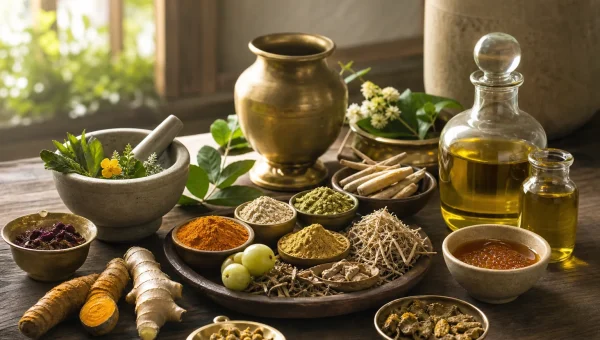
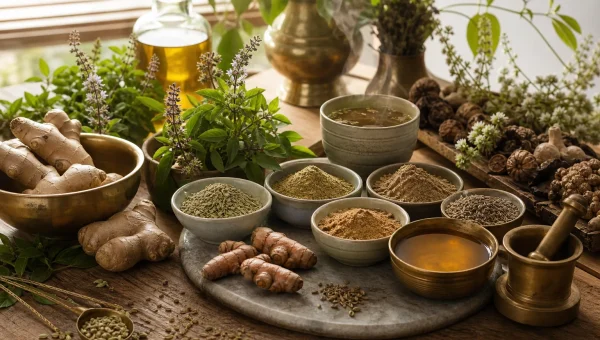
In Ayurvedic cooking, spices that are heating, drying, and digestive-supporting are commonly used to balance Kapha. A basic spice base can be prepared in advance for convenience:
- Mustard seeds
- Cumin seeds
- Dry ginger (shunti)
- Black pepper (maricha)
- Asafoetida (hing)
This combination reflects traditional Kapha-balancing spices described in Ayurvedic dietary practice for enhancing digestion and reducing heaviness after meals.
Recipe 1: Spiced Red Lentil Soup (Masoor Dal)
Red lentils are considered lighter among legumes and are commonly used in Ayurvedic cooking when easier digestion is desired. They absorb spices well and cook quickly, making them suitable for Kapha-supportive meals.
Batch (serves 8): Red lentils, water, ghee, mustard-cumin base spices, dry ginger, turmeric, salt, garlic, tomatoes, curry leaves, coriander.
Cook lentils until soft. Prepare a spiced tempering in ghee using mustard and cumin seeds until aromatic. Add garlic and tomatoes, cook down, then combine with lentils and simmer briefly. Finish with coriander.
Storage: Refrigerate in glass containers for several days. Reheat with a small amount of water to adjust consistency.
Recipe 2: Barley and Bitter Greens Khichdi
Barley (yava) is traditionally valued in Ayurveda for its light, drying quality and is often recommended in Kapha-pacifying dietary patterns. Bitter greens contribute tikta rasa (bitter taste), which is considered supportive for Kapha balance.
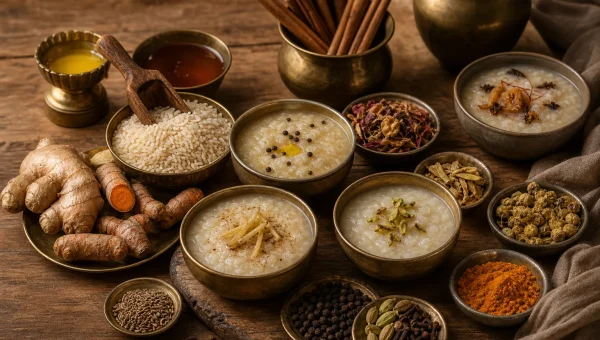
Batch (serves 6): Pearl barley, moong dal, bitter greens (such as fenugreek leaves or mustard greens), ghee, cumin, fennel, coriander powder, salt.
Cook barley and moong dal until soft. Separately sauté bitter greens with spices in ghee, then combine everything and adjust seasoning.
Storage: Refrigerate and reheat with added water as it thickens on standing.
Recipe 3: Kapha-Clearing Vegetable Broth
Light, spiced vegetable broths are traditionally used in Ayurveda to support hydration and digestion while keeping meals light during Kapha season. Ginger, pepper, fennel, and coriander are commonly used digestive spices.
Batch: Water, garlic, ginger, black pepper, coriander seeds, fennel seeds, fenugreek seeds, dried red chilli, cinnamon, cloves, bay leaf, celery, spinach, rock salt.
Simmer all ingredients until reduced and well infused. Strain and store the liquid.
Use: Dilute with hot water and sip between meals as a light, warming beverage.
Recipe 4: Roasted Root Vegetables with Spices
Roasting vegetables reduces moisture content and enhances digestibility. In Ayurvedic food preparation, cooking methods are considered important for modifying the heaviness or lightness of ingredients.
Batch: Carrots, parsnips, turnip, beetroot, ghee, cumin, mustard seeds, dry ginger, coriander, turmeric, salt.
Roast at high temperature until tender and slightly caramelized. Finish with lemon and black pepper.
Recipe 5: Kulattha (Horse Gram) Soup
Kulattha (Macrotyloma uniflorum) is described in classical Ayurvedic texts as a strong, heating legume used in conditions involving excess Kapha. It is traditionally included in diets aimed at reducing heaviness and water retention.
Batch: Soaked horse gram, water, sesame oil, cumin, mustard seeds, ginger, asafoetida, coriander powder, dry mango powder, curry leaves, dried chilli, salt.
Cook until soft, temper with spices, and simmer briefly.
Note: Due to its strong heating nature, it is traditionally consumed in moderation.
Recipe 6: Steamed Rice-Barley Cakes
Steamed preparations are lighter than fried or heavy cooked dishes. Barley is used alongside rice to reduce heaviness and improve digestibility in Kapha-prone conditions.
Batch: Rice, barley flour, buttermilk, ajwain, ginger, salt, spice base, coriander.
Prepare batter and steam until firm. Serve with fresh green chutney made from coriander, mint, green chilli, cumin, and lime.
Recipe 7: Ginger-Spiced Poha
Flattened rice (poha) is commonly used in light breakfast preparations. When combined with warming spices like ginger and cinnamon, it becomes more suitable for Kapha balance.
Batch: Poha, ghee, mustard-cumin spice base, ginger, turmeric, cinnamon, pumpkin seeds, salt, lime, coriander.
Quickly sauté spices in ghee, mix with poha, and finish with lime juice.
| Recipe | Kapha-Pacifying Feature | Storage | Best Time |
|---|---|---|---|
| Red Lentil Soup | Light protein with warming spices | 5 days | Lunch |
| Barley Khichdi | Barley supports lightness | 4 days | Dinner |
| Vegetable Broth | Supports digestion and light intake | 10 days | Between meals |
| Roasted Vegetables | Dry roasting reduces heaviness | 5 days | Lunch side |
| Kulattha Soup | Classically used for Kapha reduction | 4 days | Occasional meals |
| Steamed Cakes | Steaming improves digestibility | 3 days | Breakfast/snack |
| Spiced Poha | Quick, light, warming breakfast | 2 days | Breakfast |
In Ayurveda, dietary timing, food combinations, and seasonal adaptation are considered important factors in maintaining digestive balance and preventing Kapha accumulation.
Classical basis for these preparations is drawn from Charaka Samhita (Sutrasthana, dietetics and seasonal regimen), Bhavaprakasha Nighantu (grain and pulse properties), and Ashtanga Hridaya (dosha-wise dietary guidance).
Disclaimer: This article is for educational purposes only and does not replace professional medical advice. Consult a qualified Ayurvedic practitioner or healthcare provider before making significant dietary changes.

Are these recipes appropriate for Kapha-Pitta dual types or would some of the pungent spices aggravate the Pitta component?
That’s a fair question — I’m Kapha-Pitta and the black pepper and ginger quantities in some of the recipes do give me pause. My experience has been that reducing the long pepper and skipping the mustard seeds in the tempering helps keep Pitta in check without losing the anti-stagnation effect. Curious if others with dual types have found a good middle ground.
the shunthi (dry ginger) vs adrak (fresh ginger) distinction for kapha can you always substitute one for the other?
the methi (fenugreek) spiced lentil soup recipe is now a weekly staple. light, warming, and the bitterness actually helps with my morning heaviness.
some of the anti-kapha spice levels (2 tsp black pepper in a soup) feel aggressive. caused significant stomach burn for me.
Batch cooking warm spiced food sounds good in theory but Ayurveda also emphasizes freshly cooked food. Refrigerated day-old food isn’t truly Sattvic regardless of ingredients.
Some of the anti-Kapha spice levels (2 tsp black pepper in a soup) feel aggressive… Caused significant stomach burn for me…
the Kapha season timing is vague. Is this spring only, or also applies to humid monsoon and early winter? The article uses ‘Kapha season’ without clear temporal definition.
is it okay to freeze the Kapha-pacifying soups or does freezing damage the thermogenic spice activity?
the ginger-cumin tempering base for all the batch recipes is a game changer for Kapha season. Made the entire 7-recipe prep last Sunday and had warm stimulating food all week. 🙌
The five spice starter sounds like a smart way to keep flavors consistent throughout the week.
Doing this.
the methi (fenugreek) spiced lentil soup recipe is now a weekly staple. light, warming, adn the bitterness actually helps with my morning heaviness. धन्यवाद
The Kapha season timing is vague Is this spring only, or also applies to humid monsoon and early winter? The article uses ‘Kapha season’ without clear temporal definition
How long do these batch-cooked recipes stay fresh in the fridge? The article mentions 3-5 days but some of the recipes use fragile greens.
For children, do the same Kapha-reducing spice levels apply or should it be gentler?
Roasting root vegetables at high heat really transforms their sweetness into something more pungent.
Thanks!
Good luck with it! The trikatu-spiced dal batch I made on Sunday has honestly been a game changer for weekday lunches — way easier than cooking fresh every day when the cold makes you want to just grab something heavy.
For children, do the same Kapha-reducing spice levels apply or should it be gentler? 🌿
The broth concentrate seems perfect for sipping between meals when boredom cravings hit.
good question. mine is similar still figuring out the timing.
For children, do the same Kapha-reducing spice levels apply or should it be gentler? धन्यवाद
Have you tried storing the spice blend in a tiny jar labeled Kapha Starter for quick access?