Hemochromatosis Ayurveda Iron Overload: A Rakta-Pitta Lens
Hemochromatosis is not named in the classical Ayurvedic texts, and it should not be equated one-for-one with raktapitta. In Charaka’s usage, raktapitta is a bleeding disorder arising from aggravated pitta afflicting rakta. For hereditary iron overload, the safer Ayurvedic lens is rakta dushti with pitta involvement and strong attention to yakrit and pliha, the liver-spleen axis described in classical discussions of blood. This keeps the traditional logic intact while respecting the modern diagnosis: HFE-related hemochromatosis involves increased intestinal iron absorption and iron deposition that can affect the liver, pancreas, heart, skin, joints and anterior pituitary, with fatigue, arthralgia, progressive skin pigmentation, diabetes risk, cirrhosis and cardiac complications in advanced disease.
The practical convergence remains important. Modern treatment removes excess iron through monitored therapeutic phlebotomy; Ayurveda’s raktamokshana category includes siravyadha, or venesection. For a person with hemochromatosis, the appropriate blood-removal protocol is medically supervised therapeutic phlebotomy, guided by hemoglobin, serum ferritin, transferrin saturation and organ-risk assessment. Ayurvedic care is best used to support digestion, liver resilience, diet, joint comfort and long-term adherence without adding iron.
Understanding Raktamokshana and Therapeutic Phlebotomy
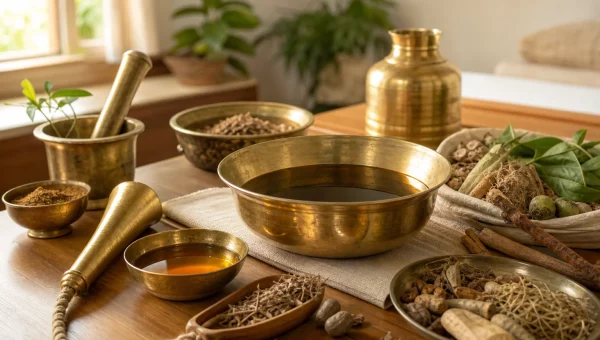
Raktamokshana means controlled removal of blood in Ayurvedic surgical and clinical practice. Sushruta describes bloodletting by surgical means as pracchana (scarification) and siravyadha (venesection), and also describes non-venesection methods such as jalauka (leech), shringa (horn) and alabu (gourd) for selected presentations of vitiated blood. In the hemochromatosis context, the meaningful overlap is siravyadha/venesection, because therapeutic phlebotomy removes a measured volume of blood from a vein under laboratory monitoring.
Phlebotomy for hemochromatosis is commonly performed during an induction phase until the iron target is reached, with many protocols using about 500 ml weekly and adjusting the amount to the person’s tolerance and hemoglobin. Targets are individualized, but major hemochromatosis guidance commonly uses a ferritin goal around 50-100 µg/L or ng/mL before maintenance. Leeches remove small, localized amounts of blood and are not an iron-depletion replacement for therapeutic phlebotomy. The wider procedural context is discussed in the panchakarma complete guide.
Herbs That Support Rakta-Pitta Balance Without Adding Iron
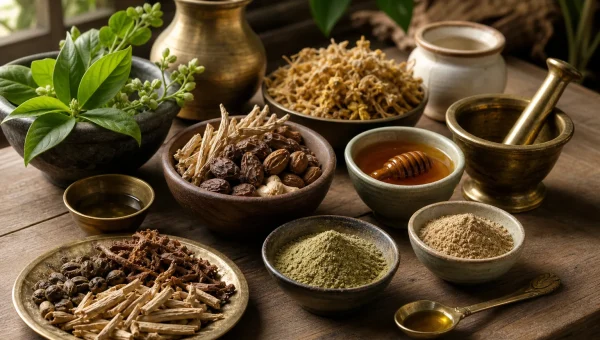
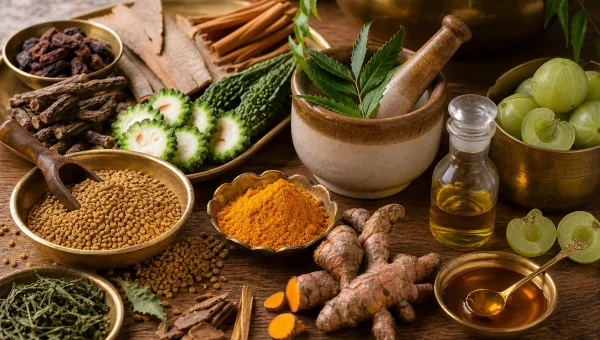
For hemochromatosis, the herb strategy is not to “build blood” with iron. It is to choose non-iron herbs and foods that fit the person’s constitution, protect agni without overheating, keep the bowels regular, support the liver channel and calm rakta-pitta irritation. Any formulation labeled lauha, loha, mandura, bhasma, mineral, metal, or hematinic should be treated as high-risk until the exact ingredients are reviewed by the prescribing physician and hematologist.
| Dravya | Verified Ayurvedic Profile | Supportive Role in This Framework | Safety Note |
|---|---|---|---|
| Tamalaki / Bhumi Amalaki (Phyllanthus fraternus; associated in some references with Phyllanthus niruri nomenclature) | Madhura, tikta and kashaya rasa; laghu and ruksha guna; sheeta virya; madhura vipaka; pittashamaka, dahanashani, mutrala and rochana karma. | Cooling rakta-pitta support where burning, thirst, urinary irritation or pitta heat dominate; a non-iron bitter-astringent option when professionally selected. | Use only with correct botanical identity and professional dosing; do not use as a substitute for phlebotomy. |
| Guduchi (Tinospora cordifolia stem) | Tikta and kashaya rasa; laghu guna; ushna virya; madhura vipaka; balya, dipana, rasayana, raktashodhaka, tridoshashamaka and jvaraghna karma. | Rasayana-style support for strength, digestion and rakta resilience when selected by a practitioner. | Avoid self-prescribing in liver disease or unexplained liver enzyme elevation; stop and seek care for jaundice, dark urine, abdominal pain or marked fatigue. |
| Manjistha (Rubia cordifolia stem) | Madhura, tikta and kashaya rasa; guru guna; ushna virya; katu vipaka; kaphapittashamaka, shothaghna, varnya, rasayana and shonitasthapana karma. | Classical rakta-supportive dravya for pitta-kapha involvement in the blood and skin channels; not an iron chelator or iron-depletion treatment. | Use practitioner-guided, especially when taking medicines, preparing for procedures, or managing bleeding or liver conditions. |
| Katuki / Katuka (Picrorhiza kurroa rhizome and root) | Katu and tikta rasa; laghu guna; ushna virya; katu vipaka; pittahara, dipani, bhedini and jvarahara karma; classical uses include kamala and daha. | Physician-guided yakrit-pitta and bowel support when excess pitta and sluggish digestion coexist. | Because of its bhedini action, it is not a casual daily tonic; professional supervision is essential. |
These dravyas are supportive, not hemochromatosis medicines. The safest plan avoids fixed extract doses borrowed from supplement labels and uses individualized form, timing and duration after reviewing ferritin trends, liver enzymes, medications, alcohol history and phlebotomy schedule.
Critically Contraindicated Approaches for Hemochromatosis
Hemochromatosis patients should avoid medicinal iron and mineral supplements containing iron. In Ayurveda this means avoiding self-use of formulations built around lauha, loha or mandura, as well as unreviewed bhasma, rasayana or “blood-building” products that may contain iron, metal or mineral ingredients. High-dose vitamin C supplementation, iron-containing multivitamins, excess alcohol and uncooked seafood are also inappropriate unless the treating physician gives a specific reason.
Tea or coffee with meals can be useful when tolerated because tannins and other polyphenols reduce non-heme iron absorption. Calcium-containing foods and phytate-containing grains, beans, lentils, nuts and seeds also reduce iron absorption, but they should be used as dietary modifiers, not as a substitute for phlebotomy. The safety concerns around unreviewed metal and mineral therapy are discussed further in the copper and metal therapy guide.
Dietary Framework for Iron Overload Management
The Ayurvedic pitta-pacifying diet fits hemochromatosis best when it is cooling, alcohol-minimizing or alcohol-free according to liver status, not excessively sour, salty or pungent, and built around digestible grains, legumes, vegetables, suitable fats and adequate protein. Red meat is a heme-iron source, and heme iron is absorbed more efficiently than non-heme iron from plants and fortified foods, so large or frequent servings are a poor fit for an iron-overload plan. Plant proteins such as lentils, beans, chickpeas, mung, tofu and nuts contain non-heme iron and natural absorption inhibitors such as phytates and polyphenols, making them easier to adapt within a medically monitored plan.
During frequent phlebotomy, nutrition should not become depleted. A plant-forward, pitta-pacifying plan can still provide protein through mung, lentils, beans, tofu, dairy, eggs or carefully selected non-red animal proteins according to the patient’s needs and medical guidance. Classical raktapitta management emphasizes avoiding heat-promoting causes and using sweet, bitter, astringent and cooling measures; in modern hemochromatosis care this translates to avoiding alcohol heat, excessive sour-pungent stimulants, iron-fortified supplements and unnecessary vitamin C megadoses.
Well-cooked grains and legumes remain important for agni. The practical adjustment is not to over-process every meal to maximize mineral absorption. Whole grains, beans and lentils can be cooked for digestibility while retaining enough fiber and phytate to moderate iron absorption. The preparation details are discussed in the phytate reduction cooking guide.
Monitoring and Integration with Conventional Care
Iron overload requires active medical monitoring. Serum ferritin and transferrin saturation help establish and follow iron loading; HFE genetic testing confirms common HFE-related disease; hemoglobin guides phlebotomy safety; liver enzymes, fibrosis or cirrhosis assessment, diabetes surveillance, joint evaluation and cardiac assessment are added when clinically indicated. Once ferritin targets are reached, ongoing maintenance and periodic monitoring help prevent reaccumulation.
The Ayurvedic role is complementary: preserve agni during repeated phlebotomy, keep pitta and rakta irritation low, support sleep and strength, maintain bowel regularity and address vata-pitta joint discomfort without adding iron. Discuss all herbs and supplements with the hematologist or hepatologist and with a qualified Ayurvedic practitioner, especially when liver enzymes are abnormal, medications are used or phlebotomy is frequent.
Medical Disclaimer: Hemochromatosis is a serious medical condition requiring diagnosis and specialist management. This article provides educational information only. Never substitute Ayurvedic treatment, leech therapy, detox programs, supplements, diet, or herbal care for therapeutic phlebotomy or specialist-directed iron management. All herbal supplements, mineral preparations and dietary changes should be discussed with your hematologist, hepatologist, gastroenterologist or qualified healthcare provider.
Nothing in this article diagnoses or treats a medical condition. Use it as educational information and consult a qualified Ayurvedic practitioner or physician before starting herbs, supplements, detoxes, bloodletting procedures or therapeutic protocols, especially if pregnant, managing liver disease, managing a chronic condition, or taking medication.
References
- NCBI
- Aasld (aasld.org)
- Charaka Samhita — Raktapitta Chikitsa
- En (en.wikisource.org)
- Easyayurveda (easyayurveda.com)
- Ayurvedic Pharmacopoeia of India
- NCBI
- Ayurvedic Pharmacopoeia of India
- Ayurvedic Pharmacopoeia of India
- NCCIH
- NCBI
- Gastrores (gastrores.org)
- Britishlivertrust (britishlivertrust.org.uk)