What I Wish Every Patient Knew Before Their First Panchakarma
Panchakarma is best approached as physician-directed Ayurvedic purification therapy, not as a spa package or a generic weekend detox. The classical method depends on careful preparation, correct procedure selection, close observation during the main therapies, and a disciplined recovery diet afterward. The patient who understands these stages usually enters the process with more realistic expectations and better compliance.
This guide explains what Panchakarma means in classical Ayurveda, why preparation and recovery matter, what the main procedures involve, who should avoid strong purification, and how to choose a center that treats it as a clinical therapy rather than a relaxation add-on.
What Panchakarma Actually Is
Pancha means five, and karma means action or therapeutic procedure. In classical Ayurveda, Panchakarma refers to a group of purification procedures used to expel excessively aggravated dosha through appropriate routes after the body has been prepared. The Charaka tradition describes Vamana, Virechana, Niruha or Asthapana Basti, Anuvasana Basti, and Shirovirechana or Nasya as the five procedures; later Ayurvedic traditions often combine the two Basti types under one heading and include Raktamokshana as the fifth.
The goal is not simply to make a person feel relaxed. Classical Panchakarma belongs to Shodhana Chikitsa, purification therapy, and is distinct from Shamana Chikitsa, which pacifies or manages dosha without strong elimination. Panchakarma is considered only when the dosha state, digestive strength, physical strength, season, age, constitution, and disease condition make purification appropriate.
The procedures are commonly explained as follows:
- Vamana (therapeutic emesis): a supervised emetic procedure mainly used for Kapha-dominant conditions when the patient is suitable.
- Virechana (therapeutic purgation): a supervised purgative procedure especially associated with Pitta-dominant disorders.
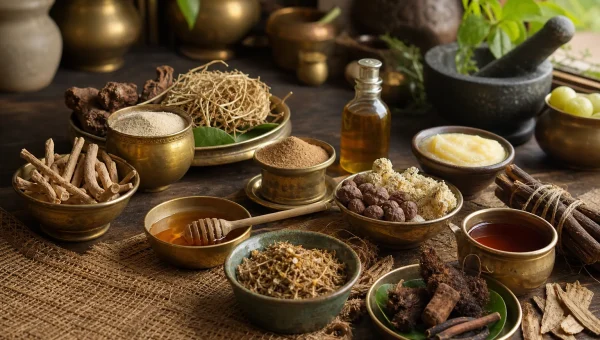
- Niruha or Asthapana Basti (decoction enema): a medicated decoction-based Basti in which honey, rock salt, unctuous substance, herbal paste, and decoction may be combined according to classical method.
- Anuvasana Basti (unctuous enema): an oil- or ghee-based Basti especially associated with Vata disorders, dryness, and selected patients who can tolerate unctuous therapy.
- Nasya or Shirovirechana (nasal therapy): administration of medicine through the nasal route for disorders of the head and neck region, selected according to indication and contraindication.
Raktamokshana, or bloodletting, appears in important Ayurvedic traditions, but there is a difference of opinion about whether it belongs in the fivefold list of Panchakarma. In modern practice it is not a routine substitute for the other procedures and should be considered only in appropriate clinical settings by qualified practitioners.
Not every patient receives all five procedures. A proper plan is individualized. One patient may need only preparation and mild Shamana therapy; another may require Virechana; another may be suited for a Basti course. The decision should be made after assessment of prakriti, vikriti, agni, koshtha, strength, age, season, disease state, medicines, and contraindications.
Phase One: Purva Karma (Preparation)
Purva Karma is the preparatory phase before the main procedure. Classical sources describe preparation as a way to help aggravated dosha detach from their sites, become fit for movement, and come toward the gastrointestinal tract for elimination. The commonly described preparatory measures include deepana, pachana, snehana, and swedana.
Deepana and Pachana
Deepana supports digestive fire, while Pachana helps process undigested or poorly metabolized material described as ama. In practical terms, this phase often means a lighter diet, digestive herbs chosen by the practitioner, and avoidance of heavy, incompatible, or irregular meals before stronger oleation and purification are attempted.
Snehapana (Internal Oleation)
Snehapana is internal oleation with ghee, medicated ghee, oil, or another suitable unctuous substance. The substance, dose, timing, and number of days are not fixed for everyone; they are adjusted according to digestive capacity, bowel nature, disease, strength, and the intended purification procedure. For some patients, internal oleation may be short and mild; for others, it may be gradually increased under observation.
Classical assessment looks for signs of adequate oleation rather than a single universal dose. Proper oleation is associated with signs such as downward movement of Vata, improved digestive readiness, softness of the body, soft or unctuous stool, and aversion to further intake of the unctuous substance. If heaviness, nausea, poor digestion, or other discomfort appears, the practitioner decides whether it is expected, excessive, or a reason to pause or modify the plan.
Abhyanga and Swedana (External Oleation and Sweating)
External Snehana commonly includes oil application or massage, and Swedana means sudation or fomentation. In the Panchakarma sequence, these are not merely relaxation services. They help prepare the body so that dosha can move toward the gut for appropriate elimination. The oil, pressure, heat, duration, and method of fomentation should be selected according to constitution, disease, age, strength, and season.
Many patients experience relaxation after Abhyanga and Swedana, but fatigue, heaviness, mild headache, or digestive changes may also occur. These reactions should be reported rather than ignored, because the purpose of the preparation phase is to make the main procedure safer and more effective, not to push every patient through a fixed package.
Phase Two: Pradhana Karma (The Main Procedures)
Pradhana Karma is the main therapeutic procedure. Classical administration is based on the disease condition, the site of dosha vitiation, the route through which the dosha should be expelled, and the patient’s suitability. The practitioner monitors the number of eliminative episodes, the clinical signs during the procedure, and the end-point features that indicate whether the therapy was adequate, insufficient, or excessive.
Vamana (Therapeutic Emesis)
Vamana is therapeutic emesis, mainly indicated for Kapha-dominant conditions when the patient has sufficient strength and no contraindication. Classical indications include Kapha-related disorders such as cough, breathlessness, coryza, heaviness, nausea, anorexia, certain skin disorders, and other conditions where Kapha predominance is clinically assessed.
This procedure should never be attempted at home. It requires preparation, suitable timing, an emetic formulation chosen by the physician, observation of the emetic bouts, and post-procedure care. It is avoided in many states, including pregnancy, marked weakness, exhaustion, hunger, thirst, emaciation, heart disease, active bleeding through the upward tract, repeated vomiting, and several other unsuitable conditions described in the classical texts.
Virechana (Therapeutic Purgation)
Virechana is therapeutic purgation and is classically associated with expelling aggravated Pitta. It is selected for appropriate Pitta-dominant disorders and for patients whose strength, digestion, bowel nature, and disease state make purgation suitable. Classical indications include certain skin diseases, fever conditions, Pitta disorders, jaundice, abdominal disorders, fistula, piles, and other conditions when the physician judges Virechana appropriate.
Virechana is not the same as ordinary diarrhea. It is induced with a chosen medicine after preparation, and the practitioner observes the number of purgative bouts, the patient’s strength, thirst, abdominal comfort, stool features, and signs of adequate or excessive elimination. Because purgation can deplete fluids and strength if poorly managed, hydration, rest, observation, and the recovery diet are essential.
Basti (Medicated Enema)
Basti is considered one of the most important Panchakarma procedures, especially for Vata disorders. The Charaka tradition gives it a central place and describes it as chikitsardha, or half of major therapeutic treatment, while also noting its broad therapeutic scope when properly planned.
Two principal forms are used in Panchakarma planning:
- Niruha or Asthapana Basti: a decoction-dominant Basti. Classical preparation includes a sequence such as honey, rock salt, unctuous material, herbal paste, decoction, and additional medicine when required. The formulation and amount are individualized.
- Anuvasana Basti: an unctuous Basti using medicated oil, ghee, or another fatty substance. It is especially used for Vata conditions, dryness, and selected patients with adequate suitability.
Basti is not simply a colon cleanse. Classical texts emphasize examination of dosha, medicine, place, season, digestive power, mental state, habituation, age, and strength before administration. Basti courses may be arranged in specific schedules, including shorter and longer sequences, with Niruha and Anuvasana used in a planned order.
Nasya (Nasal Administration)
Nasya, also called Shirovirechana in the purificatory context, uses the nasal route for medicines intended for disorders of the head and neck region. It may involve oil, powder, juice, decoction, or another preparation depending on the type of Nasya and the patient’s condition.
Nasya is commonly discussed for chronic coryza, head heaviness, certain headache patterns, Kapha-related head conditions, and disorders where the physician sees involvement of the head region. It is avoided in unsuitable states such as indigestion, immediately after food, acute fever, exhaustion, intoxication, recent purgation, pregnancy, acute coryza, and other contraindicated conditions.
Phase Three: Paschat Karma (Recovery)
Paschat Karma is the post-therapy regimen after the main purification. This stage is often the most neglected part of commercial programs, yet classical Ayurveda treats it as essential. After dosha elimination, strength and digestion are reduced, so the patient returns to normal food gradually rather than abruptly.
Samsarjana Krama (Graded Recovery Diet)
Samsarjana Krama is the graduated diet after purification. The length and intensity depend on the strength of the purification and the patient’s condition. Classical descriptions begin with very light rice gruel and gradually progress toward thicker gruel, pulse soup, meat soup where appropriate, or vegetarian alternatives such as thin khichari before returning to normal meals.
| Stage | Food | Purpose |
|---|---|---|
| Early stage | Peya | Thin rice gruel or rice water to restart digestion gently. |
| Next stage | Vilepi | Thicker rice gruel, often with mild salt and cumin when suitable. |
| Protein stage | Yusha | Light pulse soup, commonly from mudga or moong, introduced gradually. |
| Strengthening stage | Mamsa Rasa or vegetarian alternative | Light meat soup in non-vegetarian protocols, or thin khichari in vegetarian protocols. |
| Return stage | Normal diet | Soft, digestible meals first, followed by a gradual return to regular food. |
Heavy food, fried food, alcohol, overeating, late nights, strenuous exercise, travel, and emotional overexertion can undermine recovery. The first meals after purification are not casual; they are part of rebuilding Agni. A patient who ignores Samsarjana Krama may feel weak, bloated, depleted, or disturbed even after a technically correct procedure.
Who Should Not Do Strong Panchakarma
Strong purification is not suitable for everyone. A qualified practitioner must screen for classical contraindications and modern medical risk. Pregnancy, severe weakness, emaciation, acute fever, indigestion, exhaustion, dehydration, active bleeding risk, unstable heart disease, uncontrolled medical conditions, recent major illness or surgery, frailty, and lack of patient consent are reasons to avoid, postpone, or substantially modify Panchakarma.
Children, older adults, very weak patients, and people with chronic medical conditions may still receive mild Ayurvedic care, but strong Vamana, Virechana, or intensive Basti should not be treated as routine. The safer question is not “Can I book Panchakarma?” but “Which, if any, purification procedure is appropriate for my present strength, diagnosis, medicines, and risks?”
How to Choose a Panchakarma Center
A good Panchakarma center should make you feel clinically assessed, not sold to. The practitioner should take a detailed history, examine digestion, bowel habit, strength, sleep, medicines, disease status, and contraindications before recommending a plan. A center that offers the same package to every guest is not practicing individualized Panchakarma.
Look for these signs of a safer center:
- A qualified and registered Ayurvedic physician or Vaidya who performs assessment and daily review.
- Written procedure plans that include indication, contraindication, preparation, main therapy, monitoring, and post-therapy diet.
- Clear explanation of what will be done, why it is being done, and what symptoms require immediate attention.
- Willingness to refuse or postpone Panchakarma when the patient is unsuitable.
- Proper facilities, trained therapists, hygiene protocols, emergency referral arrangements, and documented observation after procedures.
- A real Samsarjana Krama plan instead of sending the patient back to normal meals immediately after purification.
In India, NABH has published accreditation standards for Panchakarma clinics and AYUSH treatment and wellness centers. These standards emphasize patient safety, defined services, assessment, reassessment, documented procedure notes, post-procedure plans, qualified personnel, and therapy under the guidance of a Vaidya. Accreditation is not the only marker of quality, but it is a useful sign that a center has engaged with formal safety and quality expectations.
The Bottom Line
Panchakarma done correctly is a structured Ayurvedic purification process with preparation, individualized procedure selection, supervision, and recovery. Done carelessly, it can be exhausting or unsafe. The difference lies in whether the practitioner respects indication, contraindication, strength, Agni, timing, monitoring, and Samsarjana Krama.
If you are considering Panchakarma, do not begin with a package. Begin with a consultation. Ask which procedure is being recommended, why it is suitable for you, what preparation is required, what risks apply to your health history, how you will be monitored, and what your recovery diet will be.
Nothing in this article diagnoses or treats a medical condition. Use it as educational information and consult a qualified Ayurvedic practitioner or healthcare provider before starting herbs, supplements, detoxes, Panchakarma, or therapeutic protocols, especially if pregnant, managing a condition, or taking medication.
References
- Charaka Samhita — Panchakarma
- Charaka Samhita — Panchakarmiya Siddhi
- Ijam (ijam.co.in)
- Pilot study investigating the effects of Ayurvedic Abhyanga massage on subjective stress experience (2011), PubMed
- Charaka Samhita — Virechana
- Clinical study to evaluate the effect of Virechanakarma on serum electrolytes (2013), PubMed Central
- Charaka Samhita — Bastisutriyam Siddhi
- Ijrap (ijrap.net)
- Charaka Samhita — Upakalpaniya Adhyaya
- Portal (portal.nabh.co)
- Portal (portal.nabh.co)

I did Panchakarma at a wellness resort without understanding it was a medical procedure. I recovered fine but I felt unprepared for the herxheimer-like reaction on day 3 and the complete exhaustion by day 5. This article would have been exactly what I needed before booking.
The ‘spa treatment vs medical procedure’ distinction is the single most important thing in this article. I’ve seen wellness centers market 5-day Panchakarma packages where the proper preparation alone should take longer than 5 days.
I want to go for Panchakarma after reading this but I’m 37 weeks pregnant. Obviously I wouldn’t do it now. But I’m curious about the postpartum timing the article mentions it’s contraindicated in pregnancy, but what about after delivery and when breastfeeding?
The Poorvakarma preparation (oil saturation and fomentation before the main procedures) being as important as the main procedures is something even some Ayurvedic centers skip to fit commercial time constraints. Well said.
The emotional release described during Virechana and Basti crying for no apparent reason, old memories surfacing is real and was very disorienting for me during my first course. I wish someone had warned me that this is expected and normal.
The diet restriction during Sansarjana Krama (post-procedure refeeding) is the hardest part. 3 days of kanji then peya then khichdi is genuinely challenging for someone who hasn’t fasted before. But the results on digestion and energy after completing it are worth the discipline.
This is a lot to take in before committing to something that requires 2-3 weeks off work. What’s the minimum version for someone who cannot take extended time off but wants to experience authentic Panchakarma? Does a shorter authentic protocol exist?
The The Panchakarma angle is useful here. The main idea is clear even if someone is new to Ayurveda.
The The Panchakarma angle is useful here. This feels more usable than a long list of herbs.
Having done Panchakarma 3 times over 15 years, I can confirm the outcomes described. The key variable is always the practitioner quality and the facility’s willingness to do the prep properly. This guide will help patients ask the right questions before booking.
The The Panchakarma angle is useful here. I would like to know how long to try it before judging results.
The explanation of Purva Karma really clarified why preparation matters.
I had never realized that Basti is considered half of the treatment until reading this.
Questions about Nasya duration: does the seven day standard apply to preventive use as well?
The contraindications list felt thorough, especially noting recent surgery and uncontrolled hypertension.
It’s helpful to see that not every patient gets all five procedures; the selection based on prakriti makes sense.
Reading about Samsarjana Krama reminded me how crucial the recovery diet is after such intense cleansing.
Many wellness resorts advertise Panchakarma packages, but this article makes clear why a clinical setting with supervision is essential.
i had a bad experience at a center that rushed the preparation phase. please emphasize that corner-cutting is risky
how do you find a qualified panchakarma practitioner. the article lists criteria but no way to verify credentials in India
this guide prepared me better than anything my clinic gave me. the pre-panchakarma snehan phase instructions were clear
i had a bad experience at a center that rushed the preparation phase. please emphasize that corner-cutting is risky asked this earlier
what’s the realistic minimum days for a meaningful panchakarma. the article says 7 but some centers do 3 asked this earlier
what’s the realistic minimum days for a meaningful panchakarma. the article says 7 but some centers do 3
What dose?
what’s the realistic minimum days for a meaningful panchakarma. the article says 7 but some centers do 3 asked this just now
@Karen how do you find a qualified panchakarma practitioner. the article lists criteria but no way to verify credentials in India asked this last week
is there a minimum health baseline required. I have hypertension, does that change the protocol significantly
panchakarma is extremely expensive. 7 days residential starts at Rs 80000 in Pune. the article should address cost
is there a minimum health baseline required. I have hypertension, does that change the protocol significantly asked this earlier
panchakarma is extremely expensive. 7 days residential starts at Rs 80000 in Pune. the article should address cost asked this recently
what’s the realistic minimum days for a meaningful panchakarma. the article says 7 but some centers do 3 asked this recently
just completed a 7-day residential panchakarma. the virechana day was intense but the post-cleanse clarity is hard to describe
how do you find a qualified panchakarma practitioner. the article lists criteria but no way to verify credentials in India asked this just now
I had a bad experience at a center that rushed the preparation phase. please emphasize that corner-cutting is risky 💯
i had a bad experience at a center that rushed the preparation phase. please emphasize that corner-cutting is risky asked this recently
how do you find a qualified panchakarma practitioner. the article lists criteria but no way to verify credentials in India asked this recently
ठीक है। what’s the realistic minimum days for a meaningful panchakarma. the article says 7 but some centers do 3
just completed a 7-day residential panchakarma. the virechana day was intense but the post-cleanse clarity is hard to describe asked this last week
is there a minimum health baseline required. I have hypertension, does that change the protocol significantly asked this recently
🙏 is there a minimum health baseline required. I have hypertension, does that change the protocol significantly
how do you find a qualified panchakarma practitioner. the article lists criteria but no way to verify credentials in India 🙌
is there a minimum health baseline required. I have hypertension, does that change the protocol significantly asked this last week
This makes sense for The Panchakarma. I would still ask a practitioner before changing medicines.
This makes sense for The Panchakarma. The safety notes could be expanded a little.
just completed a 7-day residential panchakarma. the virechana day was intense but the post-cleanse clarity is hard to describe 🙌
how do you find a qualified panchakarma practitioner. the article lists criteria but no way to verify credentials in India asked this earlier
is there a minimum health baseline required. I have hypertension, does that change the protocal significantly
नमस्ते, what’s the realistic minimum days for a meaningful panchakarma. the article says 7 but some centers do 3
panchakarma is extremely expensive. 7 days residential starts at Rs 80000 in Pune. the article should address cost asked this last week
i had a bad experience at a center that rushed the preparation phase. please emphasize that corner-cutting is risky ✨
how do you find a qualified panchakarma practitioner. the article lists criteria but no way to verify credentials in India 🌿 at least in my case
panchakarma is extremely expensive. 7 days residential starts at Rs 80000 in Pune. the article should address cost asked this just now