
When my gynecologist told me I had cervical ectropion after a routine Pap smear, she was reassuring. “It is completely normal,” she said. “Many women have it. It is not cancer, it is not dangerous, and it may cause some spotting or discharge. We will keep an eye on it.” That explanation was medically sound, but it did not fully answer the practical question of what to do when contact bleeding after sex and watery discharge begin affecting daily confidence.
I began looking at cervical and vaginal health through an Ayurvedic lens as a complementary framework. Ayurveda does not replace gynecological diagnosis, Pap smear screening, HPV testing, infection testing, or colposcopy when needed. What it can offer is a way to think about discharge, irritation, tissue sensitivity, and bleeding as patterns involving yoni swasthya, srava, rakta, pitta, kapha, and local tissue tone.
Understanding Cervical Ectropion
Cervical ectropion occurs when glandular cells that normally line the inside of the cervical canal are visible on the outer surface of the cervix. These cells are delicate and mucus-producing, so they may be more easily irritated during sex, pelvic examination, or tampon use. For some women, this leads to watery or mucous discharge, spotting after intercourse, or cervical sensitivity.
Medically, cervical ectropion is a benign cervical finding and is not considered a precancerous condition. It is common during the reproductive years and may be associated with higher estrogen states such as pregnancy or hormonal contraception. Many cases need no treatment beyond appropriate evaluation and reassurance, while persistent troublesome bleeding or discharge may be managed by a gynecologist with office procedures such as cautery, cryotherapy, or other local treatments after infection and abnormal cervical changes have been ruled out.
The Ayurvedic Framework: Yoni Vyapad, Srava and Rakta Involvement
Classical Ayurveda does not name cervical ectropion as a modern anatomical diagnosis, so it should not be forced into one exact classical disease category. A more accurate Ayurvedic approach is to examine the symptom-pattern: excess discharge is considered through srava and kapha; redness, heat, irritation, or bleeding is considered through pitta and rakta; pain, dryness, or heightened sensitivity may involve vata.
Classical texts such as the Charaka Samhita and Sushruta Samhita describe yoni vyapad, a group of twenty disorders of the female reproductive tract, and emphasize that treatment should be selected after assessing the dominant dosha, tissue involvement, strength, age, reproductive stage, and presenting symptoms. In the context of symptomatic cervical ectropion, the closest useful Ayurvedic pattern is not “cervical erosion” as a literal diagnosis, but a mixed pitta-rakta-kapha presentation when watery or mucous discharge occurs with contact bleeding or irritation.
Dietary Support: Cooling, Astringent and Rakta-Calming Food
The dietary aim is to reduce irritant, heat-producing inputs while supporting tissue steadiness and digestive regularity. This is not a cure for the anatomical appearance of ectropion, but it may be used as supportive care when symptoms are aggravated by heat, acidity, inflammation-like irritation, or recurrent mucus discharge.
Emphasize foods that are gentle, cooling, mildly astringent, and easy to digest:
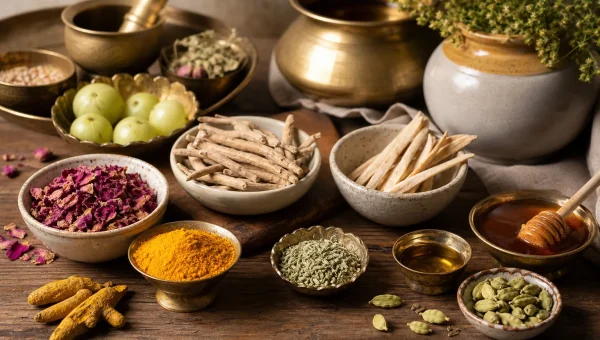
- Pomegranate: Dadima is described in Ayurvedic pharmacopoeial sources as having sweet, sour, and astringent taste, with digestive and grahi qualities. As a food, pomegranate can be included in a cooling, tissue-supportive diet.
- Amalaki: Amalaki is classically described with cooling potency, rejuvenative action, and use in raktapitta and burning conditions. It may be taken as food, fresh juice, or a prescribed preparation according to constitution and digestion.
- Coconut water and fresh coconut: These are traditionally used as cooling foods and can be helpful when symptoms are aggravated by heat, thirst, or acidity.
- Cooked bitter greens and gentle vegetables: Lightly cooked leafy greens, ridge gourd, bottle gourd, ash gourd, and similar vegetables are preferable to very spicy, oily, or sour preparations during symptomatic phases.
- Simple meals: Rice, mung dal, ghee in small amounts, coriander, fennel, and cumin can help keep digestion steady without adding excessive heat.
Reduce during symptomatic periods:
- Very spicy, pungent, sour, and heavily fermented foods.
- Excess pickles, vinegar, tamarind, sour curd, and chili-heavy meals.
- Alcohol and excess coffee, especially when bleeding or burning-type irritation is present.
- Deep-fried foods and heavy late-night meals that worsen heat, acidity, or pelvic congestion.
Herbal Support for Cervical Tissue and Discharge Patterns
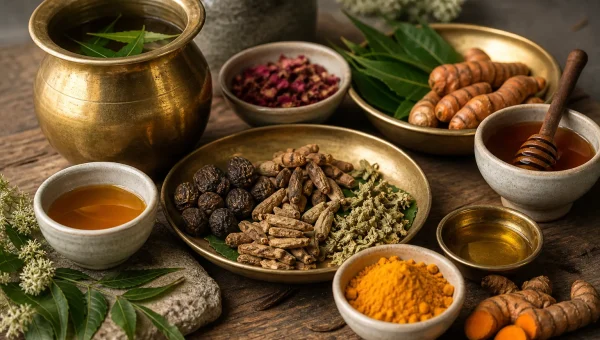
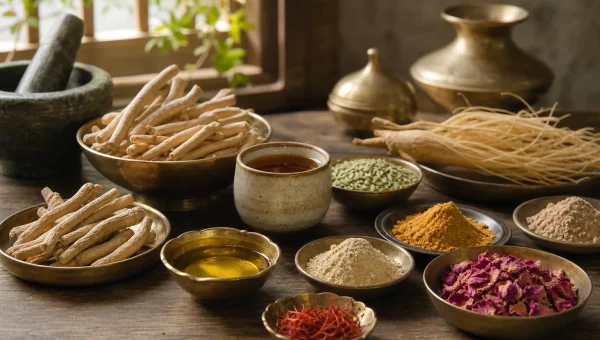
Herbs for cervical ectropion symptoms should be individualized by a qualified Ayurvedic practitioner. The herbs below are not presented as a direct treatment for ectropion itself; they are classical options used for related patterns such as pradara, raktapitta, asrigdara, excess discharge, heat, and tissue laxity. Doses shown are pharmacopoeial or commonly referenced traditional dose ranges and should not be used as self-medication.
| Herb | Classical Basis | Supportive Use in This Pattern | Typical Dose Note |
|---|---|---|---|
| Lodhra (Symplocos racemosa) | Astringent, cooling, grahi, kapha-pitta reducing; used in pradara and raktapitta | Supports excess discharge, tissue tone, and bleeding-associated patterns | Pharmacopoeial powder dose: 3–5 g, when prescribed |
| Ashoka (Saraca asoca) | Bitter-astringent, cooling, grahi, shothahara; used in asrigdara and raktadosha | Supports uterine and reproductive-tract bleeding patterns, especially where pitta-rakta features are present | Pharmacopoeial decoction dose: 20–30 g of bark, when prescribed |
| Shatavari (Asparagus racemosus) | Sweet-bitter, cooling, nourishing, pittahara, rasayana, and traditionally supportive of female reproductive tissues | Supports dryness, heat, sensitivity, and depleted tissue states; less suitable as a stand-alone herb when discharge is heavy and kapha-dominant | Pharmacopoeial powder dose: 3–6 g, when prescribed |
| Amalaki (Emblica officinalis/Phyllanthus emblica) | Cooling, rejuvenative, tridosha-balancing; used in raktapitta, acidity, and burning conditions | Supports pitta-rakta balance, tissue resilience, and cooling dietary care | Fresh fruit, juice, or prescribed formulations according to digestion and constitution |
Lodhra: Astringent Support for Discharge and Tissue Tone
Lodhra is one of the most relevant classical herbs for a symptom-picture involving excess discharge and local tissue laxity. Its dominant astringent taste and cooling action make it suitable in pitta-kapha patterns where mucus, watery discharge, and mild bleeding coexist. In practice, it is often used as part of a formula rather than as an isolated herb, especially when cervical symptoms are associated with menstrual irregularity, vaginal discharge, or local irritation.
Ashoka: Reproductive Rakta Support
Ashoka bark has a long-standing role in Ayurvedic care of women’s reproductive health, particularly where abnormal bleeding patterns are present. It is not a substitute for evaluation of postcoital bleeding, but after gynecological causes have been assessed, Ashoka-based preparations may be considered by a practitioner when the pattern involves pitta, rakta, and uterine or cervical sensitivity.
Shatavari: Cooling and Nourishing Support
Shatavari is more nourishing than drying, so it is best suited when cervical or vaginal symptoms occur with heat, dryness, sensitivity, weakness, or hormonal fluctuation. In a kapha-heavy pattern with thick discharge, heaviness, and sluggish digestion, it may need to be combined carefully or avoided until digestion and discharge are better balanced.
External Yoni Care Practices
Classical Ayurvedic gynecology includes local therapies such as washes, applications, medicated oils, and uttara basti under clinical supervision. For modern home care, the safest adaptation is conservative: keep the vulval area clean with plain water, avoid harsh soaps and perfumed products, and do not place oils, powders, herbs, or decoctions inside the vagina without direct professional guidance.
Yoni Prakshalana: A Safer Modern Adaptation
Traditional yoni prakshalana refers to cleansing or washing procedures using suitable herbal liquids. For a modern reader, this should be understood as an external rinse only unless a trained clinician advises otherwise. Internal douching can disturb the vaginal microbial environment and may worsen infection risk, so a gentle external wash with clean lukewarm water is the safer baseline. If an Ayurvedic practitioner prescribes a diluted decoction for external use, it should be used only as directed and discontinued if burning, itching, odor, or increased discharge appears.
Local Procedures Are Not Home Treatments
Procedures such as uttara basti, yoni pichu, or medicated local applications require proper diagnosis, sterile technique where appropriate, and practitioner judgment. They are not suitable for self-administration in cervical ectropion, particularly when there is bleeding, pregnancy, infection, abnormal Pap findings, pelvic pain, or unexplained discharge.
Lifestyle Factors That May Worsen Symptoms
Because cervical ectropion symptoms often arise from contact irritation of delicate glandular tissue, lifestyle support should focus on reducing local friction, heat, and irritants while maintaining gynecological follow-up.
- During active spotting or irritation: Avoid intercourse or anything that repeatedly triggers contact bleeding until symptoms are assessed and settled.
- With recurrent postcoital bleeding: Use gynecological evaluation rather than assuming the bleeding is only ectropion, especially if the symptom is new or worsening.
- With hormonal contraception: Discuss the pattern with your gynecologist, because ectropion is associated with estrogen influence and may be noticed more often in women using hormonal contraception.
- With heat-aggravated symptoms: Reduce hot baths, sauna, hot yoga, excessive sun exposure, and very spicy meals during symptomatic phases.
- With discharge: Avoid perfumed washes, vaginal sprays, internal cleansing products, and repeated pantyliner use that traps heat and moisture.
When Conventional Management Is Appropriate
Ayurvedic support is appropriate only after the cervix has been medically evaluated. Postcoital bleeding, persistent watery discharge, foul odor, pelvic pain, fever, bleeding in pregnancy, or abnormal screening results require gynecological assessment. Cervical ectropion may be benign, but symptoms that resemble ectropion can also occur with infection, cervicitis, polyps, trauma, pregnancy-related changes, or abnormal cervical findings.
If tests are reassuring but symptoms continue to affect sexual comfort, confidence, or quality of life, conventional treatment such as cryotherapy, cautery, or another local procedure may be reasonable. These treatments aim to remove or seal the delicate glandular cells on the outer cervix so that tougher squamous cells regrow over the area. Ayurvedic diet and practitioner-guided herbs can then be used as supportive care for tissue recovery, digestion, inflammation-like irritation, and overall reproductive health.
A Balanced Middle Path
The most useful Ayurvedic contribution to cervical ectropion is not claiming that a classical herb can erase a modern cervical finding. It is the more practical middle path: understand the diagnosis clearly, rule out important medical causes, reduce pitta-rakta and kapha aggravating factors, support tissue tone with appropriate herbs when prescribed, and reserve procedures for cases where symptoms persist or quality of life is affected.
Yoni swasthya is not a taboo topic in Ayurveda. Classical texts devote serious attention to women’s reproductive health, discharge, bleeding, pain, tissue changes, and local therapies. When used responsibly alongside gynecological care, that framework can help women feel less dismissed and more actively supported.
Disclaimer: Cervical ectropion requires gynecological diagnosis and monitoring, including appropriate Pap smear and HPV screening as advised by your clinician. The dietary, herbal, and lifestyle approaches described here are complementary educational information and are not replacements for medical care. Consult a qualified gynecologist for abnormal bleeding, discharge with odor, pelvic pain, pregnancy-related bleeding, or abnormal screening results. Consult a qualified Ayurvedic practitioner or physician before starting herbs, supplements, detoxes, or therapeutic protocols, especially if pregnant, trying to conceive, breastfeeding, managing a medical condition, or taking medication.
cervical ectropion was causing persistrnt spotting and discharge. the Ayurvedic dietary approach (reducing hot, spicy foods, adding cooling herbs) combined with my gynecologist’s monitoring has helped stabilize symptoms.
does the dietary approach help with ectropion caused by oral contraceptives specifically or is it more for congenital or postpartum ectropion? 🙌
That’s a really specific question and I’m curious too. My ectropion showed up while I was on the pill for about three years, so OCP-related is exactly my situation. The article seemed to address dietary support in a general way — I wonder if the pitta-reducing emphasis is still relevant when the hormonal trigger is synthetic rather than endogenous.
herbal approach to cervical conditions without adequate clinical evidence is concerning. women should have regular pap smears regardless of any Ayurvedic treatment.
for me spotting after sex is the main takeaway. rest depends on the person
cervical ectropion overlaps with other cervical conditions that need gynecological investigation. the article doesn’t sufficiently stress ruling out cervical pathology first.
cervical ectropion was causing persistent spotting and discharge. the Ayurvedic dietary approach (reducing hot, spicy foods, adding cooling herbs) combined with my gynecologist’s monitoring has helped stabilize symptoms.
the herb recommendations include Ashoka (Saraca asoca). is this appropriate for someone already on hormonal contraception? ❤️
@Maria the herb recommendations include Ashoka (Saraca asoca). is this appropriate for someone already on hormonal contraception?
Useful info.
I was diagnosed with cervical ectropion last year and one thing my gynecologist didn’t mention at all was diet. Reading this article made me think about how much I eat processed and spicy food, which apparently aggravates the pitta imbalance linked to this condition. Has anyone here actually noticed a difference after changing to a cooler, less stimulating diet?
is there any evidence on whether Ayurvedic treatment for cervical ectropion reduces the need for cryotherapy? asking because my gynecologist is considering the procedure.
The part about Yoni Swasthya being a full system of care rather than just treating symptoms really shifted my understanding. I came to this article skeptical — my gynaecologist told me ectropion is benign and just to monitor it — but the framing of reducing tissue irritation through internal balance actually makes sense alongside conventional advice.
The explanation of how cervical ectropion relates to Pitta and Rakta really clarified why I noticed more spotting after intercourse.
@Jaya cervical ectropion overlaps with other cervical conditions that need gynecological investigation. the article doesn’t sufficiently stress ruling out cervical pathology first.
herbal approach to cervical conditions without adequate clinical evudence is concerning. women should have regular pap smears regardless of any Ayurvedic treatment. tbh
Adding bitter gourd and pomegranate to my diet seemed like a simple step after reading about their Pitta reducing properties.
What struck me reading this is how rarely ectropion comes up in women’s health conversations even though it’s apparently very common. My own diagnosis came as a complete surprise during a routine Pap. The article’s point about Rakta dhatu imbalance and chronic low-level inflammation as contributing factors makes me want to look more closely at my overall diet and not just the local symptom.
@Jessica cervical ectropion overlaps with other cervical conditions that need gynecological investigation. the article doesn’t sufficiently stress ruling out cervical pathology first. 💯
cervical ectropion overlaps with other cervical comditions that need gynecological investigation. the article doesnt sufficiently stress ruling out cervical pathology first.
The section on Lodhra as a primary herb made me curious about trying the powdered form with warm water.
The contact bleeding piece in this article is something I’ve been too embarrassed to discuss properly with my doctor. I kept being reassured it’s harmless but no one explained why it happens or what might reduce it. The emphasis here on cooling herbs and mucous membrane support actually gives me something concrete to ask about at my next appointment.
Interesting.
A diluted Triphala wash applied externally sounds like a gentle way to address discharge while protecting the microbiome.
is theee any evidence on whether Ayurvedic treatment for cervical ectropion reduces the need for cryotherapy? asking because my gynecologist is considering the procedure.
@Lisa good one.
The advice to avoid hot baths and saunas during flare ups matches what I’ve noticed about heat worsening symptoms.
Reading about Ashoka bark’s dual astringent and mild phytoestrogenic action gave me a clearer picture of how it could support cervical tissue.
It’s helpful that the article points out when conventional cauterization might be appropriate, so readers don’t feel pressured to avoid medical care.
The citation from Sushruta Samhita Uttara Tantra linking bloody discharge with pain to Pittaja Yoni vyapat caught my attention.
Noted. 🙌