
Every July and August, many people notice the same pattern: appetite becomes irregular, digestion feels heavier, bloating and loose stools become easier to trigger, the skin feels more reactive, and damp-weather respiratory discomfort becomes more common. Ayurveda maps this seasonal shift as Varsha Ritu, the rainy season, and treats it as a time for protecting agni, pacifying provoked Vata, keeping food and water clean, and choosing warm, simple routines rather than heavy or raw seasonal experiments.
Varsha Ritu: The Ayurvedic Map of Monsoon Season
In the classical Ayurvedic seasonal calendar, Varsha Ritu generally corresponds to the rainy season, approximately mid-July through mid-September in much of the Indian subcontinent, though the timing shifts by region. It follows the hot summer period and belongs to the beginning of Visarga Kala, the part of the year in which external moisture returns but the body is still relatively weakened. The central Ayurvedic concern in Varsha is provoked Vata, accumulating Pitta, and low digestive steadiness. Cloudy skies, humidity, unstable winds, damp clothing, contaminated water, and irregular appetite all make this a season in which warm, freshly cooked food and disciplined water safety matter more than usual.
What to Eat in July and August
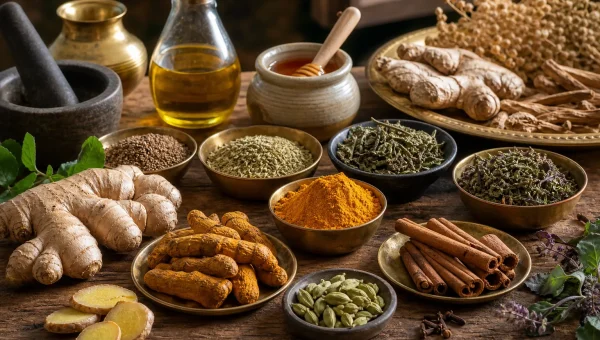
Monsoon food should be warm, freshly prepared, light enough to digest, and gently seasoned with digestive spices. Classical Varsha guidance favors old grains, moderate sour and salty tastes when appropriate, small amounts of unctuousness such as ghee, and boiled or otherwise safe drinking water. The aim is not starvation or harsh restriction; it is to avoid overwhelming a seasonally sensitive digestive system.
| Category | Recommended Choices | Limit or Avoid |
|---|---|---|
| Grains | Old rice, aged shali rice, barley, wheat, thin rice gruel, light kitchari | New rice, very heavy grain meals, deep-fried snacks |
| Legumes | Moong dal, well-cooked lentil soup, thin dal with cumin, ginger, or black pepper | Urad dal, rajma, chickpeas, poorly cooked beans, large portions of gas-forming pulses |
| Vegetables | Cooked gourds, ridge gourd, bottle gourd, drumstick, okra, carrots, and well-cooked seasonal vegetables | Raw salads, unwashed greens, raw sprouts, damp stored cut vegetables |
| Fruits | Pomegranate, stewed apple or pear, ripe seasonal fruit in small portions | Melons, iced fruit bowls, excess raw sour fruit, fruit eaten immediately after heavy meals |
| Water | Boiled and cooled water, warm water, ginger-infused water, musta water, tulsi-ginger tea | Untreated tap water, river water, floodwater exposure, iced water, drinks from unsafe street sources |
| Fats | Small amounts of ghee, moderate sesame oil or other suitable cooking fat | Excess oil, reheated fried foods, heavy cream, greasy snacks in humid weather |
The Monsoon Agni and Herb Stack
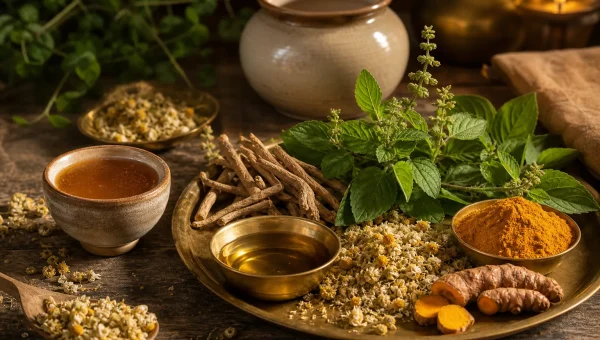
The most useful monsoon herbs are those that support digestion, help prevent seasonal heaviness, and fit the person’s constitution. These herbs should not all be taken together by default. Choose one or two with guidance from a qualified Ayurvedic practitioner, especially if you are pregnant, have a chronic condition, have acidity or ulcers, take prescription medication, or are giving herbs to a child.
Guduchi / Giloy (Tinospora cordifolia) is classically described in the Ayurvedic Pharmacopoeia of India as bitter and astringent in taste, light in quality, heating in potency, and sweet in post-digestive effect. Its listed actions include dipana, balya, rasayana, sangrahi, tridosha-shamaka, raktashodhaka, and jvaraghna. In a monsoon routine, Guduchi is best understood as a light, bitter seasonal support when digestion is dull and the body feels burdened by dampness. Our detailed Giloy immunity guide covers the herb in more detail.
Classical adult range: The Ayurvedic Pharmacopoeia of India lists Guduchi powder at 3–6 g and decoction material at 20–30 g. Individual dosing should be decided by a practitioner.
Tulsi (Ocimum sanctum / Ocimum tenuiflorum) is a practical household herb for the damp season because it is easy to prepare as a warm infusion and pairs well with dry ginger. In monsoon care, its most useful role is supporting warm hydration, throat comfort, and a lighter morning routine. Use it as tea rather than treating it as a substitute for hygiene, safe water, or medical care. Our Tulsi benefits guide offers additional preparation ideas.
Household use: Steep 3–5 fresh leaves in hot water, or prepare tulsi with a small piece of dry ginger. Concentrated extracts should be used only with appropriate guidance.
Haritaki (Terminalia chebula) has a special place in seasonal Ayurveda. The practice of Ritu Haritaki pairs Haritaki with different adjuvants according to the season, and rainy-season use is traditionally paired with saindhava lavana, or rock salt. The Ayurvedic Pharmacopoeia of India describes Haritaki with actions including dipana, anulomana, rasayana, and sarvadosha-prashamana. It is useful when the monsoon pattern is sluggish appetite, coated tongue, heaviness, and irregular elimination. It is also one of the three fruits in Triphala; see our Triphala guide for context.
Classical adult range: The Ayurvedic Pharmacopoeia of India lists Haritaki powder at 3–6 g. Smaller household amounts are often used, but constipation, diarrhea, pregnancy, debility, and medication use require professional guidance.
Pippali (Piper longum) is a sharp monsoon digestive support when appetite is low, the tongue feels coated, and Kapha-Vata heaviness dominates. The Ayurvedic Pharmacopoeia of India lists Pippali with dipana, rucya, kaphahara, vatahara, and rasayana actions. It should be used carefully in people with acidity, burning sensations, ulcers, active bleeding disorders, pregnancy, or high Pitta symptoms.
Classical adult range: The Ayurvedic Pharmacopoeia of India lists Pippali powder at 1–3 g. For home use, a very small pinch in honey or warm water is usually enough unless a practitioner prescribes otherwise.
Sunthi / Dry Ginger (Zingiber officinale) is one of the simplest rainy-season kitchen medicines. The Ayurvedic Pharmacopoeia of India lists Sunthi as pungent in taste, light and unctuous in quality, heating in potency, and sweet in post-digestive effect, with dipana, pachana, anulomana, and Vata-Kapha pacifying actions. In July and August, it is most practical as tea, in dal, in kitchari, or in warm water before meals when digestion is dull.
Classical adult range: The Ayurvedic Pharmacopoeia of India lists Sunthi powder at 1–2 g. People with strong acidity, ulcers, burning, or medication concerns should use it cautiously.
Skin Care During Monsoon
Monsoon skin care should focus on keeping the skin clean, dry, breathable, and free from prolonged dampness. Warm and moist areas of the body are more vulnerable to fungal overgrowth, irritation, itching, and rashes, especially when socks, shoes, underclothes, or exercise clothing stay damp for hours. Ayurvedic care in this season is therefore lighter than winter care: bathe regularly, dry the skin folds well, wear breathable cotton when possible, change damp clothes quickly, avoid sharing towels, and use sandals in public showers or pool areas.
Heavy oil application is not ideal for everyone during peak humidity, especially when the skin is sweaty, acne-prone, itchy, or fungal-prone. A small amount of oil before bathing may still suit dry Vata-dominant skin, but thick post-bath oiling should be reduced if it traps heat or moisture. Light, dry, astringent applications such as Multani mitti or sandalwood powder may be used occasionally on intact skin, but they should be patch-tested and avoided on broken, infected, or highly inflamed skin. Our complete Ayurvedic skincare routine includes seasonal modifications by skin type.
Waterborne Illness Prevention
Rainy season water safety deserves serious attention. Heavy rain, flooding, poor drainage, and unsafe storage can contaminate drinking water and increase gastrointestinal and skin-related illness risk. Ayurveda’s emphasis on boiled and cooled water during Varsha fits well with practical public health guidance: drinking water should be boiled, bottled from a safe source, filtered, or otherwise treated when safety is uncertain.
Dry ginger, musta, tulsi, or a few digestive spices may be added after the water has already been made safe, but herbs are not a substitute for boiling or treatment. Copper storage may be used as a traditional add-on for plain drinking water, but it should not replace boiling, filtration, or safe sourcing. Do not store acidic drinks in copper vessels, do not use corroded vessels, and avoid copper-water routines if you have a copper metabolism disorder or have been advised to restrict copper.
July and August Exercise Guidelines
Classical Varsha guidance advises avoiding excessive exertion because strength and digestion are not at their seasonal peak. The best monsoon exercise plan is steady, warming, and moderate: enough movement to prevent stagnation, not so much that it leaves the body depleted, overheated, drenched, or exposed to unsafe water.
| Exercise Type | Monsoon Recommendation | Reason |
|---|---|---|
| Intensity | Light to moderate; reduce effort on very humid or stormy days | Protects agni and seasonal strength while preventing stagnation |
| Outdoor exercise | Use caution; avoid heavy rain, floodwater, lightning, and wet shoes for long periods | Reduces Vata aggravation, damp exposure, slipping risk, and contamination risk |
| Yoga | Appropriate; emphasize gentle heating, twists, standing poses, and steady breathing | Supports circulation and digestion without excessive depletion |
| Swimming | Use only well-maintained pools; avoid floodwater, open drains, and uncertain water bodies | Unsafe water can increase gastrointestinal, skin, and wound-related illness risk |
| Walking | Beneficial on dry, safe paths; covered walkways are ideal | Gentle movement supports digestion and Vata regulation |
The Monsoon Daily Schedule
A steady daily rhythm is one of the simplest monsoon medicines. Wake at a consistent early time, clean the mouth, scrape the tongue, rinse or perform kavala if it suits you, and begin with warm water or a light ginger-tulsi infusion. Breakfast should be warm and easy to digest, lunch should be the main meal, and dinner should be early and lighter than lunch. Keep clothes, socks, towels, bedding, and footwear dry; damp fabrics are one of the easiest ways to invite skin irritation and seasonal discomfort.
Daytime sleep is classically discouraged during Varsha because it increases heaviness and slows a digestive system that already needs protection. If tired, choose quiet rest, early bedtime, or a shorter workload rather than a long day nap. The seasonal living framework is covered in our complete Ritucharya seasonal routine guide.
Food Safety Note for Leafy Greens and Sprouts
The monsoon caution around raw greens and sprouts is not a permanent rejection of these foods. It is a seasonal hygiene rule. Leafy vegetables can be used when fresh, thoroughly washed under running water, and preferably cooked during high-risk rainy periods. Do not wash produce with soap, detergent, bleach, potassium permanganate, or harsh chemical solutions. Raw sprouts deserve extra caution because they are difficult to clean fully; children, older adults, pregnant people, and immunocompromised individuals should avoid raw sprouts unless they are cooked thoroughly.
Actionable tip: For the next 30 days, replace an iced morning drink with a warm tulsi-ginger decoction. Simmer 3–5 tulsi leaves and a small piece of dry ginger in 1.5 cups of water for about 5 minutes, strain, and sip warm. This one seasonal swap supports warm hydration, a lighter morning rhythm, and the agni-centered approach Ayurveda recommends for July and August.
Nothing in this article diagnoses, prevents, or treats a medical condition. Use it as educational information and consult a qualified Ayurvedic practitioner or healthcare provider before starting herbs, supplements, detoxes, or therapeutic protocols, especially if pregnant, elderly, immunocompromised, managing a medical condition, giving herbs to a child, or taking medication.
References
- Ritucharya: Answer to the lifestyle disorders (2011), PubMed Central
- Easyayurveda (easyayurveda.com)
- Easyayurveda (easyayurveda.com)
- Ayurvedic Pharmacopoeia of India
- Wjpst (wjpst.com)
- Ayurvedic Pharmacopoeia of India
- Tulsi – Ocimum sanctum: A herb for all reasons (2014), PubMed Central
- World Health Organization
- CDC
- CDC
- Storing drinking-water in copper pots kills contaminating diarrhoeagenic bacteria (2012), PubMed Central
- Aad (aad.org)
- FDA
- Archive (archive.cdc.gov)
- Charaka Samhita — Matrashiteeya Adhyaya


Every July my IBS flares and every year I wonder why. The Varsha Ritu explanation Agni at its weakest during monsoon is the first satisfying answer I’ve had. Started the light diet protocol last week, two weeks early, as a preventive measure.
The part about Monthly feels realistic. The article avoids making it sound like a quick fix.
I’m in the UK and we don’t have a monsoon but our July and August can be wet and grey. Does the Varsha Ritu guidance apply in temperate climates without true monsoon conditions, or is this specifically a tropical/subtropical framework?
the monsoon skin care section does heavy humidity require less oil or more oil for Kapha skin types
The practice of peya and kanji during monsoon that my mother always pushed I thought it was just preference for bland food in the heat. Now I understand it as an Agni-protective measure for the most vulnerable season of the year.
The Agni depression during monsoon season is the central clinical fact that all other recommendations in this guide correctly derive from. The humidity-digestion connection is the most important thing to understand about July-August health. 313
The water-borne illness spike during monsoon is addressed in the article through the Ushna Jal (boiled water) guidance. This is practical and has always been traditional knowledge the question of why it matters was never explained to me until now.
The water quality concern during monsoon is mentioned briefly but deserves more emphasis. Waterborne illness risk during monsoon is significant and proper water treatment is primary prevention. 756
The abhyanga frequency increase during monsoon to compensate for Vata aggravation from cold and damp does this change the oil used or just the frequency? I use sesame oil year round and wondered if switching to a heavier medicated oil for this season makes sense.
The section on skin infections during monsoon is spot on. Every year the dermatology clinics fill up in July. Fungal infections, folliculitis, contact dermatitis. The Neem and Haridra protocol for skin protection during this season is something I’ve used for years.
The seasonal diet guide is nicely laid out but I’d appreciate more detail on the dosage and preparation of the herbs mentioned for monsoon digestive support. ‘Take Trikatu’ is not actionable without dosage and timing.
This guide should be sent to every household in South India before July. The predictable digestive problems that Ayurveda described 2000 years ago are still the same ones filling GI clinics in the third week of monsoon every year.
The spike in digestive issues during July really matches what I see in my clinic.
Do the guidelines differ between early monsoon (June-July) and late monsoon (September)? The article treats Varsha Ritu as a single season but in reality the intensity of the monsoon and the humidity profile change significantly through it.
I never realized how much cloud cover could weaken agni until reading this.
The water quality concern during monsoon is mentioned briefly but deserves more emphasis. Waterborne illness risk during monsoon is significant and proper water treatment is primary prevention.
is Trikatu suitable every day in monsoon or only on particularly cold rainy days
The psychological impact of monsoon low mood, low energy, social withdrawal is addressed briefly. A bit more on the Kapha-Vata psychological pattern in wet seasons would make this more complete for people who struggle more with mood than digestion during this time.
recommendations to avoid leafy greens completely during monsoon seems extreme. some guidance on which greens and how to prepare them safely would be more practical
The Vishama Agni (irregular digestive fire) that peaks in monsoon is the correct clinical pattern. The variable nature of appetite and digestion during this season is well-captured.
the Nasya protocol for monsoon sinus protection, is it daily or only when symptoms start
the Ginger-Lemon-Rock salt pre-meal preparation for monsoon Agni is the one change that made the most difference. Just that before each meal kept my digestion stable through a very wet August
avoiding exercise during peak monsoon seems wrong. what about indoor yoga or gym workouts
does the monsoon protocol apply to regions where monsoon starts in June rather than July
Is the classical Ritucharya (seasonal regimen) for Varsharutu (monsoon season) in Charaka Samhita the basis for these recommendations, or has the article adapted them for modern lifestyles?
The blanket recommendation to avoid raw foods during monsoon ignores that India’s regional climate varies enormously. Mumbai monsoon versus Northeast India monsoon represent very different humidity and temperature profiles.
Does eating old rice instead of new rice actually make a noticeable difference in bloating?
The recommendation to reduce meal size and increase frequency during monsoon is physiologically sound. Smaller loads are managed better by a digestively compromised Agni.
been following the July-August guide for 3 years. August illness that used to hit every year hasn’t happened. this actually works
The Sadanga Paniya (six-ingredient water) recommendation for monsoon hydration is classical and the digestive spice additions prevent the water from being too cooling for the compromised monsoon Agni.
the supplement list for monsoon is long. priority ranking of 3-5 most important items would make this more actionable
The Agni depression during monsoon season is the central clinical fact that all other recommendations in this guide correctly derive from. The humidity-digestion connection is the most important thing to understand about July-August health.
The water quality concern during monsoon is mentioned briefly but deserves more emphasis. Waterborne illness risk during monsoon is significant and proper water treatment is primary prevention. 409
The Katu Rasa (pungent taste) emphasis during monsoon for Agni kindling is classical. The mustard tempering and black pepper incorporation in daily cooking is the most accessible implementation.
the Pitta-type modifications for monsoon, since Pitta actually increases in post-monsoon Sharad season, are the recommendations here different from the regular monsoon advice
the Nasya protocol for monsoon sinus protection, is it daily or only when symptoms start 367
Reading this later and the Monthly advice still feels relevant. The safety notes could be expanded a little.
the Ginger-Lemon-Rock salt pre-meal preparation for monsoon Agni is the one change that made the most difference. Just that before each meal kept my digestion stable through a very wet August Curious if others had same experience.
The Katu Rasa (pungent taste) emphasis during monsoon for Agni kindling is classical. The mustard tempering and black pepper incorporation in daily cooking is the most accessible implementation. 478
does the monsoon protocol apply to regions where monsoon starts in June rather than July 421
The recommendation to boil water and store it in copper vessels feels both traditional and practical.
recommendations to avoid leafy greens completely during monsoon seems extreme. some guidance on which greens and how to prepare them safely would be more practical 130
avoiding exercise during peak monsoon seems wrong. what about indoor yoga or gym workouts 919
the monsoon skin care section does heavy humidity require less oil or more oil for Kapha skin types 539
The Sadanga Paniya (six-ingredient water) recommendation for monsoon hydration is classical and the digestive spice additions prevent the water from being too cooling for the compromised monsoon Agni. 232
is Trikatu suitable every day in monsoon or only on particularly cold rainy days 384
The Agni depression during monsoon season is the central clinical fact that all other recommendations in this guide correctly derive from. The humidity-digestion connection is the most important thing to understand about July-August health. 645
the supplement list for monsoon is long. priority ranking of 3-5 most important items would make this more actionable 523
The Vishama Agni (irregular digestive fire) that peaks in monsoon is the correct clinical pattern. The variable nature of appetite and digestion during this season is well-captured. 625
The blanket recommendation to avoid raw foods during monsoon ignores that India’s regional climate varies enormously. Mumbai monsoon versus Northeast India monsoon represent very different humidity and temperature profiles. 190
been following the July-August guide for 3 years. August illness that used to hit every year hasn’t happened. this actually works 786
Is the classical Ritucharya (seasonal regimen) for Varsharutu (monsoon season) in Charaka Samhita the basis for these recommendations, or has the article adapted them for modern lifestyles? 250
I tried adding a pinch of rock salt to haritaki at night and noticed lighter mornings.
the Pitta-type modifications for monsoon, since Pitta actually increases in post-monsoon Sharad season, are the recommendations here different from the regular monsoon advice 397
The recommendation to reduce meal size and increase frequency during monsoon is physiologically sound. Smaller loads are managed better by a digestively compromised Agni. 444
The Vishama Agni (irregular digestive fire) that peaks in monsoon is the correct clinical pattern. The variable nature of appetite and digestion during this season is well-captured. 414
The Monthly explanation is clearer than most short posts. This feels more usable than a long list of herbs.
the Pitta-type modifications for monsoon, since Pitta actually increases in post-monsoon Sharad season, are the recommendations here different from the regular monsoon advice Sharing with friends.
the monsoon skin care section does heavy humidity require less oil or more oil for Kapha skin types 434
the Ginger-Lemon-Rock salt pre-meal preparation for monsoon Agni is the one change that made the most difference. Just that before each meal kept my digestion stable through a very wet August 770
Is the classical Ritucharya (seasonal regimen) for Varsharutu (monsoon season) in Charaka Samhita the basis for these recommendations, or has the article adapted them for modern lifestyles? 430
The Katu Rasa (pungent taste) emphasis during monsoon for Agni kindling is classical. The mustard tempering and black pepper incorporation in daily cooking is the most accessible implementation. 823
is Trikatu suitable every day in monsoon or only on particularly cold rainy days 860
It’s interesting that tulsi leaves can be chewed raw for immunity during the monsoon.
The Sadanga Paniya (six-ingredient water) recommendation for monsoon hydration is classical and the digestive spice additions prevent the water from being too cooling for the compromised monsoon Agni. 288
The blanket recommendation to avoid raw foods during monsoon ignores that India’s regional climate varies enormously. Mumbai monsoon versus Northeast India monsoon represent very different humidity and temperature profiles. 487
avoiding exercise during peak monsoon seems wrong. what about indoor yoga or gym workouts 933
does the monsoon protocol apply to regions where monsoon starts in June rather than July 949
the supplement list for monsoon is long. priority ranking of 3-5 most important items would make this more actionable 166
been following the July-August guide for 3 years. August illness that used to hit every year hasn’t happened. this actually works 624
recommendations to avoid leafy greens completely during monsoon seems extreme. some guidance on which greens and how to prepare them safely would be more practical 543
The advice to avoid heavy oil on skin when humidity is high makes sense for preventing breakouts.
The recommendation to reduce meal size and increase frequency during monsoon is physiologically sound. Smaller loads are managed better by a digestively compromised Agni. 503
the Nasya protocol for monsoon sinus protection, is it daily or only when symptoms start 121
I liked the practical side of Monthly. I would like to know how long to try it before judging results.
The recommendation to reduce meal size and increase frequency during monsoon is physiologically sound. Smaller loads are managed better by a digestively compromised Agni. 246
the Nasya protocol for monsoon sinus protection, is it daily or only when symptoms start Six months in and still helpful.
the supplement list for monsoon is long. priority ranking of 3-5 most important items would make this more actionable 527
Is the classical Ritucharya (seasonal regimen) for Varsharutu (monsoon season) in Charaka Samhita the basis for these recommendations, or has the article adapted them for modern lifestyles? 376
been following the July-August guide for 3 years. August illness that used to hit every year hasn’t happened. this actually works 675
The water quality concern during monsoon is mentioned briefly but deserves more emphasis. Waterborne illness risk during monsoon is significant and proper water treatment is primary prevention. 806
The safest part of the Monthly advice is keeping it simple. This is the kind of detail readers can test slowly.
The Katu Rasa (pungent taste) emphasis during monsoon for Agni kindling is classical. The mustard tempering and black pepper incorporation in daily cooking is the most accessible implementation. 735
the Ginger-Lemon-Rock salt pre-meal preparation for monsoon Agni is the one change that made the most difference. Just that before each meal kept my digestion stable through a very wet August 639
What time of day do you find most effective for the tulsi ginger decoction?
Seeing the connection between high bacterial load and skin eruptions clarified a lot for me.
I appreciate the clear chart contrasting recommended grains with those to limit.
The section on exercise suggests light walks on covered paths, which fits my rainy day routine.
is Trikatu suitable every day in monsoon or only on particularly cold rainy days 164
recommendations to avoid leafy greens completely during monsoon seems extreme. some guidance on which greens and how to prepare them safely would be more practical 247
Do you think pippali with honey before meals could help with appetite loss in August?
avoiding exercise during peak monsoon seems wrong. what about indoor yoga or gym workouts 779
The Vishama Agni (irregular digestive fire) that peaks in monsoon is the correct clinical pattern. The variable nature of appetite and digestion during this season is well-captured. 171
The explanation of Vata getting provoked by damp winds helped me understand my joint stiffness.
The Sadanga Paniya (six-ingredient water) recommendation for monsoon hydration is classical and the digestive spice additions prevent the water from being too cooling for the compromised monsoon Agni. 958
Following the daily schedule of waking before six and doing oil pulling feels doable even with a busy job.
does the monsoon protocol apply to regions where monsoon starts in June rather than July 338
the Pitta-type modifications for monsoon, since Pitta actually increases in post-monsoon Sharad season, are the recommendations here different from the regular monsoon advice 512
the monsoon skin care section does heavy humidity require less oil or more oil for Kapha skin types 707
The Agni depression during monsoon season is the central clinical fact that all other recommendations in this guide correctly derive from. The humidity-digestion connection is the most important thing to understand about July-August health. 746
The blanket recommendation to avoid raw foods during monsoon ignores that India’s regional climate varies enormously. Mumbai monsoon versus Northeast India monsoon represent very different humidity and temperature profiles. 911
the monsoon skin care section does heavy humidity require less oil or more oil for Kapha skin types My doctor agreed with this assessment.
the supplement list for monsoon is long. priority ranking of 3-5 most important items would make this more actionable 758
This helped me understand Monthly without too much jargon. The article avoids making it sound like a quick fix.
The Agni depression during monsoon season is the central clinical fact that all other recommendations in this guide correctly derive from. The humidity-digestion connection is the most important thing to understand about July-August health. 565
The water quality concern during monsoon is mentioned briefly but deserves more emphasis. Waterborne illness risk during monsoon is significant and proper water treatment is primary prevention. 651
the Pitta-type modifications for monsoon, since Pitta actually increases in post-monsoon Sharad season, are the recommendations here different from the regular monsoon advice 168
Is the classical Ritucharya (seasonal regimen) for Varsharutu (monsoon season) in Charaka Samhita the basis for these recommendations, or has the article adapted them for modern lifestyles? 764
recommendations to avoid leafy greens completely during monsoon seems extreme. some guidance on which greens and how to prepare them safely would be more practical 671
been following the July-August guide for 3 years. August illness that used to hit every year hasn’t happened. this actually works 358
The Sadanga Paniya (six-ingredient water) recommendation for monsoon hydration is classical and the digestive spice additions prevent the water from being too cooling for the compromised monsoon Agni. 886
The Katu Rasa (pungent taste) emphasis during monsoon for Agni kindling is classical. The mustard tempering and black pepper incorporation in daily cooking is the most accessible implementation. 332
The blanket recommendation to avoid raw foods during monsoon ignores that India’s regional climate varies enormously. Mumbai monsoon versus Northeast India monsoon represent very different humidity and temperature profiles. 985
the Ginger-Lemon-Rock salt pre-meal preparation for monsoon Agni is the one change that made the most difference. Just that before each meal kept my digestion stable through a very wet August 448
is Trikatu suitable every day in monsoon or only on particularly cold rainy days 424
the Nasya protocol for monsoon sinus protection, is it daily or only when symptoms start 648
does the monsoon protocol apply to regions where monsoon starts in June rather than July 470
The recommendation to reduce meal size and increase frequency during monsoon is physiologically sound. Smaller loads are managed better by a digestively compromised Agni. 108
avoiding exercise during peak monsoon seems wrong. what about indoor yoga or gym workouts 685
The Vishama Agni (irregular digestive fire) that peaks in monsoon is the correct clinical pattern. The variable nature of appetite and digestion during this season is well-captured. 343
is Trikatu suitable every day in monsoon or only on particularly cold rainy days 171
the Pitta-type modifications for monsoon, since Pitta actually increases in post-monsoon Sharad season, are the recommendations here different from the regular monsoon advice Anyone else notice this?
The Monthly section feels grounded enough to try carefully. The timing advice is the part I would start with.
does the monsoon protocol apply to regions where monsoon starts in June rather than July 812
The recommendation to reduce meal size and increase frequency during monsoon is physiologically sound. Smaller loads are managed better by a digestively compromised Agni. 497