
Why Your Diabetic Diet Needs More Than a Calorie Count
A calorie count can be useful, but it is only one layer of a diabetes meal plan. For type 2 diabetes, the practical questions are often more detailed: how much carbohydrate is eaten at one time, whether the grain is whole or refined, how the meal is paired with legumes and vegetables, whether added sugars are minimized, how food choices fit medication timing, and how glucose readings respond after meals. Ayurveda adds another lens by looking at meal timing, heaviness or lightness of foods, preparation method, digestive strength, daily movement, and the taste profile of the diet.
In classical Ayurveda, diabetes-like urinary and metabolic presentations are discussed under Prameha. Prameha is broader than modern diabetes mellitus and should not be treated as a one-to-one diagnostic label, but many adult, over-nourishment, heaviness, obesity, and kapha-dominant patterns are approached through the logic of reducing kapha, meda and excess kleda, while supporting agni and daily activity. Charaka Samhita, Chikitsa Sthana 6 describes dietary causes such as excess curd, milk preparations, fresh foods, jaggery preparations, sedentary habits, excess sleep, and other kapha-aggravating factors, and it places barley, old grains, mudga, bitter vegetables, and exercise at the center of management.
Core Principles of a Prameha-Supportive Diet
The aim is not starvation or extreme restriction. The aim is a lighter, steadier, kapha-reducing food pattern built around whole grains in measured portions, legumes, bitter and non-starchy vegetables, digestive spices, regular activity, and close glucose monitoring. The following principles preserve the Ayurvedic intent while keeping the plan suitable for discussion with a physician, dietitian, or qualified Ayurvedic practitioner.
| Principle | Ayurvedic Rationale | Modern Equivalent | Practical Implementation |
|---|---|---|---|
| Tikta-Katu-Kashaya Emphasis | Bitter, pungent, and astringent tastes are used to reduce kapha heaviness and support a lighter diet. | Non-starchy vegetables, legumes, spices, and bitter vegetables reduce reliance on refined starch and sweet foods. | Include bitter gourd, fenugreek greens, leafy greens, pointed gourd, amla, cumin, coriander, ginger, turmeric, and black pepper according to tolerance. |
| Yava and Whole-Grain Rotation | Charaka emphasizes yava, barley preparations, old shali rice with mudga, bitter vegetables, and trina dhanyas in prameha diet. | Whole barley and many millets can produce a lower glycemic response than refined wheat or polished rice when portions are controlled. | Use barley, foxtail millet, barnyard millet, little millet, pearl millet, finger millet, or small portions of aged rice paired with dal and vegetables. |
| Laghu-Ruksha Meal Form | Light and relatively dry preparations counter kapha-heavy, oily, sweet, and excessively nourishing foods. | Minimizing fried foods, sweets, refined flour, and sweet drinks supports steadier glucose control. | Prefer steaming, roasting, pressure-cooking, light sautéing, thin dals, soups, and vegetable-heavy meals over fried snacks and creamy dishes. |
| Regular Meal Rhythm | A stable routine supports agni and reduces impulsive snacking on sweet or heavy foods. | Meal timing, medication timing, carbohydrate portions, and glucose monitoring all affect daily blood sugar patterns. | Keep three structured meals, avoid grazing on sweets, and check glucose response to new grains or recipes. |
| Vyayama | Exercise is part of classical prameha management and is especially important in kapha-meda dominant patterns. | Regular activity supports blood glucose control, weight goals, blood pressure, and insulin sensitivity. | Aim for physician-approved daily walking, post-meal walks, yoga, and resistance exercise; build toward at least 150 minutes of moderate activity weekly if safe. |
Week 1: The Foundation
The first week establishes the basic rhythm: whole grains instead of refined grains, legumes with most meals, one bitter or astringent vegetable daily, no added sugar, no sweet drinks, and a lighter dinner. Portions should be individualized because even healthy grains can raise glucose if the serving is too large.
Daily Framework
This framework is designed as an educational model, not a medication substitute. People using insulin, sulfonylureas, or other glucose-lowering medicines should discuss dietary changes and herb powders with their healthcare provider because blood glucose can fall when carbohydrate intake changes.
On waking: Soak half to one teaspoon of fenugreek seeds overnight in water. Drink the water and chew the softened seeds if tolerated. Fenugreek seed is listed in the Ayurvedic Pharmacopoeia of India for Prameha, and soaked seeds become mucilaginous, which makes them suitable as a food-based support rather than a quick cure.
Breakfast: Choose a millet, besan, mung, or vegetable-based breakfast. Keep it unsweetened and pair grains with protein, vegetables, or nuts rather than eating a plain refined-starch meal.
Lunch: Make lunch the most complete meal: one measured portion of barley, millet, or aged rice; one dal or legume; two vegetable preparations; and a small serving of thin spiced buttermilk if tolerated and approved for your diet.
Afternoon: Snack only if genuinely hungry. Choose roasted chana, lightly steamed sprouts, amla, or unsweetened tea rather than biscuits, fruit juice, or sweetened beverages.
Dinner: Keep dinner lighter than lunch. Vegetable soup, dal with a small millet roti, steamed vegetables, or a thin khichdi is preferable to a grain-heavy late meal.
Day 1-7 Rotation
The rotation below keeps the Ayurvedic structure intact while allowing glucose monitoring to guide personal adjustments. Check fasting and post-meal readings as advised by your clinician, especially when introducing a new millet or changing portion size.
Day 1 Breakfast: Small portion of unsweetened ragi porridge or ragi vegetable upma with cinnamon, crushed almonds, and no sugar. Cook with water rather than sweetened milk.
Day 1 Lunch: Foxtail millet with mung dal, turmeric, cumin, bitter gourd sabzi, and cucumber with roasted cumin.
Day 1 Dinner: Bottle gourd soup seasoned with ginger, black pepper, coriander, and a small amount of ghee if tolerated.
Day 2 Breakfast: Besan chilla stuffed with grated bottle gourd, coriander, cumin, and minimal oil.
Day 2 Lunch: Barley roti, masoor dal, pointed gourd curry, and drumstick sambar with extra non-starchy vegetables.
Day 2 Dinner: Foxtail millet and mung dal khichdi in a small portion, cooked thin with vegetables and digestive spices.
Day 3 Breakfast: Lightly steamed sprouted mung with lemon, cumin, coriander, and grated cucumber.
Day 3 Lunch: Pearl millet roti, horse gram or chana dal, bitter gourd sautéed or baked with minimal oil, and thin cumin buttermilk if suitable.
Day 3 Dinner: Steamed pointed gourd, beans, and leafy greens with ginger, rock salt, and one teaspoon of ghee if it fits your plan.
Days 4-7: Continue rotating foxtail millet, barley, barnyard millet, little millet, pearl millet, and finger millet. Keep the same structure: grain in a measured portion, dal or legumes, at least one bitter or astringent vegetable, and spices such as cumin, coriander, ginger, turmeric, fenugreek, and black pepper.
Week 2: Therapeutic Intensification
Once the foundation is stable, week 2 adds stronger Ayurvedic food supports while keeping safety first. These additions should be introduced one at a time so that glucose response, digestion, appetite, and medication needs can be observed clearly.
Additions for Week 2
The following additions are traditional food or practitioner-guided supports. Powders and concentrated extracts should be treated with more caution than ordinary culinary use, especially in people taking diabetes medicines.
- Haridra in food: Add one-quarter to half a teaspoon of turmeric to dal, soup, vegetables, or warm water with a pinch of black pepper if tolerated. Haridra is listed in the Ayurvedic Pharmacopoeia of India with Prameha among its therapeutic uses, but high-dose curcumin capsules are not the same as culinary turmeric and should be used only with professional guidance.
- Jambu seed powder: Jambu seed is listed in the Ayurvedic Pharmacopoeia of India for Madhumeha and Udakameha, with a general adult powder range of 3-6 g. Use it only under a qualified practitioner’s supervision, especially if you take glucose-lowering medication.
- Amalaki: Use one fresh amla, or a small practitioner-approved amount of amla powder in warm water, as an afternoon option. Amalaki is classically valued as rasayana and is listed with Prameha among its therapeutic uses.
- Post-meal walking: Add a gentle 10-15 minute walk after lunch or dinner if your physician has cleared you for activity. This keeps the protocol grounded in both classical vyayama and practical glucose management.
Specific Recipes for Blood Sugar Management
These recipes are designed to make the daily plan easier to follow. They use bitter vegetables, legumes, whole grains, and spices as part of meals, not as replacements for prescribed diabetes treatment.
Prameha Spice Mix
This spice mix keeps meals aromatic, kapha-reducing, and digestion-oriented. Use it as a food seasoning in small amounts rather than as a standalone medicine.
Ingredients: Fenugreek seeds (3 parts), cumin seeds (2 parts), coriander seeds (2 parts), dry ginger powder (1 part), turmeric (1 part), cinnamon (half part), and black pepper (half part).
Preparation: Dry roast fenugreek, cumin, and coriander separately on low heat. Cool completely. Grind with dry ginger, turmeric, cinnamon, and black pepper into a fine powder. Store in an airtight jar.
Use: Add one-quarter to half a teaspoon to dal, vegetable preparations, soups, or thin buttermilk. Reduce or avoid the mix if it causes acidity, burning, loose stools, or discomfort.
Bitter Gourd-Fenugreek Sabzi
This recipe combines Karavallaka or bitter gourd, a bitter vegetable listed in the Ayurvedic Pharmacopoeia of India with Prameha among its uses, with fenugreek, which is also listed for Prameha. Keep the dish moderately spiced and lightly cooked.
Ingredients: Bitter gourd 200 g, sliced; fenugreek leaves 1 cup; onion half, optional; garlic 2-3 cloves, optional; turmeric one-quarter teaspoon; coriander powder half teaspoon; cumin half teaspoon; sesame or mustard oil 1-2 teaspoons; rock salt to taste.
Method: Heat the oil. Add cumin, onion, and garlic if using. Add turmeric and coriander. Add bitter gourd and cook on medium heat until softened. Add fenugreek leaves, cover, and cook for a few more minutes. Add salt at the end.
Use this as one vegetable dish within a balanced meal that also contains dal and a measured grain portion. Bitter gourd should not be used as a replacement for insulin, oral diabetes medicines, or medical monitoring.
Barley-Mung Khichdi
Barley and mudga fit the classical prameha diet pattern, and this preparation is lighter than a rice-heavy khichdi when cooked thin and paired with vegetables.
Ingredients: Barley 2 tablespoons, split mung dal 2 tablespoons, bottle gourd or ridge gourd 1 cup, turmeric one-quarter teaspoon, cumin half teaspoon, ginger half teaspoon, black pepper a pinch, and water as needed.
Method: Soak barley for several hours or overnight. Cook barley and mung dal with vegetables, turmeric, cumin, and ginger until soft. Keep the consistency thin. Finish with black pepper and a small amount of ghee if tolerated.
Foods to Limit or Avoid
The following restrictions come from the same kapha-meda-reducing logic: remove sweet, heavy, oily, refined, and repeatedly snacked foods first. Individual tolerance varies, so use glucose readings and professional guidance rather than rigid assumptions.
- Added sugars and sweet drinks: Avoid white sugar, jaggery, sweetened tea, packaged juices, fruit juices, sweets, desserts, and sweetened beverages. Natural sweeteners can still raise blood glucose.
- Refined grains: Avoid maida, white bread, biscuits, noodles, bakery foods, and refined-flour snacks. Replace with measured portions of whole barley, millets, besan, dal, and vegetables.
- Large rice portions: If rice is culturally important, use a small measured portion of aged rice with mudga or dal and bitter vegetables rather than a large plate of plain polished rice.
- Heavy dairy and curd-heavy meals: Charaka includes curd, milk preparations, and kapha-aggravating foods among prameha-promoting causes. If dairy is used, keep it small, unsweetened, and individualized; avoid turning milk, curd, or paneer into the main calorie source.
- Fried and oily foods: Limit pakoras, puris, chips, namkeen, deep-fried snacks, and heavy gravies because they increase meal heaviness and make portion control difficult.
- Starchy roots in large portions: Potatoes, sweet potatoes, colocasia, and similar roots should be limited and paired with dal and non-starchy vegetables when used.
- Large portions of sweet fruit: Prefer whole fruit in measured portions rather than fruit juices. Amla and jamun are especially compatible with this Ayurvedic framework when available and tolerated.
- Alcohol: Avoid alcohol unless your physician specifically says it is safe for your medication plan, liver status, and glucose control.
Monitoring and Adjusting
This meal plan is a framework, not a rigid prescription. Monitor fasting glucose and post-meal glucose as advised by your physician, especially during the first month of changing grains, meal timing, herbs, or exercise. Keep a diary noting the grain used, portion size, dal or protein, vegetables, spices, activity, medication timing, and the corresponding glucose readings.
General glucose targets to discuss with your physician are: A1c below 7% for many nonpregnant adults, pre-meal glucose 80-130 mg/dL, and 1-2 hour post-meal glucose below 180 mg/dL. These targets are not universal; older adults, pregnant people, people with kidney disease, cardiovascular disease, recurrent hypoglycemia, or complex medication plans may need different goals.
Use your readings to personalize the plan. Some people tolerate barley better than millet; others do better with besan, mung, or a smaller grain portion. The Ayurvedic principle remains the same: reduce kapha-heavy foods, favor lighter preparations, keep meals regular, move daily, and adjust based on digestion, energy, and measured glucose response.
Safety and Medical Disclaimer
Type 2 diabetes is a serious metabolic condition requiring qualified medical care. This article is for educational purposes only and does not diagnose, treat, or cure diabetes. Do not stop or reduce diabetes medicines, insulin, blood pressure medicines, cholesterol medicines, or any prescribed treatment without consulting your physician. Dietary changes, bitter gourd, fenugreek, jambu seed, amla, turmeric, exercise, and weight loss can affect blood glucose and may require medication adjustment under medical supervision.
Consult a qualified Ayurvedic practitioner and your physician or endocrinologist before starting herb powders, concentrated extracts, fasting, detoxification, panchakarma, or major dietary changes, especially if you are pregnant, breastfeeding, elderly, underweight, have kidney or liver disease, have type 1 diabetes, have a history of hypoglycemia, or take glucose-lowering medication. If symptoms of low blood sugar occur, such as sweating, shakiness, confusion, dizziness, hunger, palpitations, or faintness, follow your diabetes action plan and seek medical guidance promptly.
References
- Charaka Samhita — Prameha Chikitsa
- Ayurvedic Pharmacopoeia of India
- NCCIH
- The Effect of Fenugreek in Type 2 Diabetes and Prediabetes: A Systematic Review and Meta-Analysis of Randomized Controlled Trials (2023), PubMed Central
- Mskcc (mskcc.org)
- Ayurvedic Pharmacopoeia of India
- Curcumin extract for prevention of type 2 diabetes (2012), PubMed Central
- A Systematic Review and Meta-Analysis of the Potential of Millets for Managing and Reducing the Risk of Developing Diabetes Mellitus (2021), PubMed Central
- Professional (professional.diabetes.org)
- Diabetes (diabetes.org)
- Diabetes (diabetes.org)
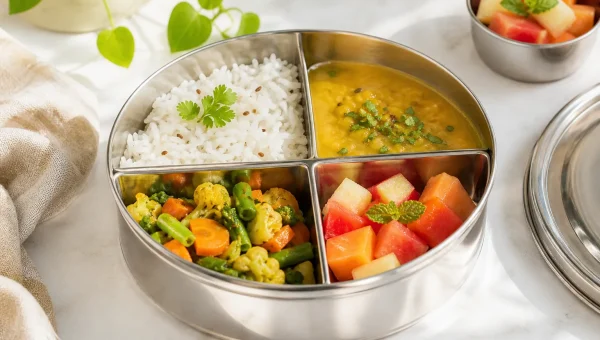
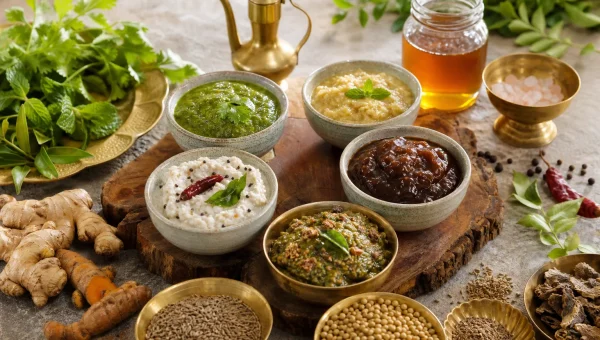
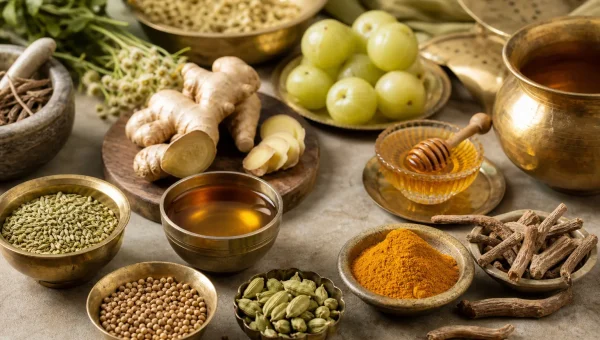
good that it talks about timing. late dinner affects my sugar more than one sweet sometimes
diabetes meal planning gets confusing fast. a breakfast table would help more than theory
Interesting.
@Susan day 7 recipe with Jamun seed powder stirred into warm water surprisingly effective, and the color in the morning is oddly satisfying.
the 14-day prameha plan is useful, but carb portions need real examples like roti size
Helpful. ❤️
the distinction between Kapha-type and Vata-type Prameha diet is genuinely useful. my endocrinologist was confused when I explained it but the clinical outcome is what matters.
following the meal plan for 3 weeks now. HbA1c moved from 7.4 to 6.9. coincidence possible but the dietary shift is real.
the plan doesn’t address caloric density at all. for obese Type 2 patients, weight loss matters as much as glycemic index.
the article mentions Haridra (turmeric) in several meals. is 1 tsp per day the therapeutic dose or just culinary?
is the Triphala recommendation here specifically for glycemic control or for general gut health? asking because im already taking it for constipation.
i like the framework, but fruits list should be stricter for type 2 diabetes readers
no mention of how this interacts with SGLT2 inhibitors or GLP-1 agonists. these are now first-line diabetes medications and the article pretends they don’t exist.
the Prameha classification has 20 subtypes. which subtype does Type 2 diabetes map to most commonly in clinical practice? नमस्ते
@Maria can the 14-day plan be repeated indefinitely or is it a reset protocol followed by a maintenance phase?
can the 14-day plan be repeated indefinitely or is it a reset protocol followed by a maintenance phase?
is the barley porridge in the morning compatible with Metformin or should there be a gap? my diabetologist didn’t know.
the article mentions Haridra (turmeric) in several meala. is 1 tsp per day the therapeutic dose or just culinary?
does the plan account for insulin users? the carb content on some days seems higher than a standard 45g/meal recommendation.
day 7 recipe with Jamun seed powder stirred into warm water surprisingly effective, and the color in the morning is oddly satisfying.
Thanks!
@David the Prameha classification has 20 subtypes. which subtype does Type 2 diabetes map to most commonly in clinical practice?
The fenugreek seed drink in the morning lowered my fasting numbers after a week.
The point about meal sequencing really hit home. My mother-in-law always insisted we eat bitter gourd first at diabetic meals, and I never understood why until now — the post explains exactly how that kind of sequencing affects blood sugar. Has anyone actually followed the full 14-day framework here?
is the Triphala recommendation here specifucally for glycemic control or for general gut health? asking because im already taking it for constipation. tbh
Switching to barley roti for lunch made my post meal sugar feel steadier than the usual wheat roti.
@Mark can the 14-day plan be repeated indefinitely or is it a reset protocol followed by a maintenance phase?
@Nandini the article mentions Haridra (turmeric) in several meals. is 1 tsp per day the therapeutic dose or just culinary?
I appreciate that the article goes beyond a simple food list. My uncle has had type 2 diabetes for eight years and his dietitian never once mentioned spice selection or meal timing. Does the 14-day framework here account for people who are already on metformin, or is it designed for diet-controlled cases only?
Is the jamun seed powder safe to take with metformin, or should I space them apart?