
Ayurvedic Cooking for Hyperacidity: 12 Pitta-Soothing Recipes for Chronic GERD
Ayurvedic cooking for hyperacidity is not about making food bland. It is about removing the sharp, sour, excessively salty, oily, fermented, and fiery triggers that disturb a pitta-dominant digestion pattern, while keeping meals satisfying, warm, cooked, mildly spiced, and easy to digest. For people with chronic reflux, this kind of kitchen discipline can be a helpful support alongside appropriate medical care.
In Ayurveda, a burning, sour-belching, acid-regurgitation pattern is commonly discussed under Amlapitta when assessed by a qualified practitioner. In modern terms, GERD involves the backflow of stomach contents into the esophagus, where it can cause burning, regurgitation, throat irritation, cough, or disturbed sleep. The recipes below keep the original aim simple: build a “cool stomach kitchen” with everyday meals that reduce pitta aggravation rather than adding to it.
Understanding Hyperacidity in Ayurvedic Terms
Amlapitta literally combines the idea of sourness with pitta. Ayurvedic descriptions emphasize impaired digestion, sour or bitter belching, nausea, heaviness, burning in the chest or throat, and discomfort after unsuitable food or habits. The practical cooking response is to favor foods that are light, cooked, non-sour, non-irritating, and pitta-pacifying, while avoiding the items that inflame the sour, hot, sharp, and liquid qualities of aggravated pitta.
The cooking principles for this condition are straightforward:
- Favor madhura, tikta, and kashaya tastes: naturally sweet grains, mild milk preparations if tolerated, bitter vegetables, gentle greens, pomegranate, amalaki, and lightly astringent foods can support a pitta-soothing plate.
- Reduce amla, lavana, and katu tastes: sour, salty, and pungent foods are common aggravators in a pitta-dominant reflux pattern, especially when combined with fried food, late meals, alcohol, coffee, or stress.
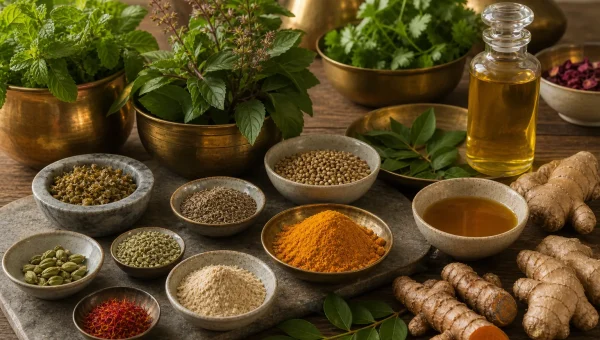
- Use spice gently: fennel and cardamom are especially useful in this kitchen. Coriander, cumin, and turmeric may be used in small amounts for flavor and digestion, but they should not be treated as “cooling spices” in the same way as fennel and cardamom.
- Choose moderate unctuousness: ghee is included in classical pathya lists for Amlapitta, but reflux can worsen with heavy or excessive fat. Use enough ghee to make food soft and satisfying, not so much that the meal becomes greasy.
- Build meals around simple staples: old rice, moong dal, barley, wheat if tolerated, gourds, bitter vegetables, coconut water, pomegranate, and mild milk preparations appear in traditional Amlapitta-friendly guidance.
The 12 Recipes
These twelve recipes are built around the same pattern: cooked grains, moong, gourds, mild dairy if tolerated, coconut, fennel, cardamom, small amounts of ghee, and the deliberate absence of chili, vinegar, tamarind, sour curd, mustard-heavy tempering, and deep-fried ingredients.
Recipe 1: Cooling Coconut Rice
This is a gentle rice dish for days when the stomach feels hot, sour, or irritated. It keeps the comfort of South Indian coconut rice while removing the usual chili, mustard, and sour elements.
- Cooked old rice or basmati rice: 2 cups
- Fresh grated coconut: 1/2 to 3/4 cup
- Ghee: 1 to 2 teaspoons
- Fennel seeds: 1/2 teaspoon
- Cumin seeds: 1/4 teaspoon, optional
- Fresh curry leaves: 6 to 8, optional
- Fresh coriander leaves: 1 tablespoon, chopped
- Rock salt: a small amount, to taste
Warm the ghee in a pan. Add fennel seeds and, if using, a small amount of cumin and curry leaves. Stir briefly without burning the spices. Add the cooked rice and grated coconut, mix gently, and warm only until the rice is evenly coated. Finish with coriander leaves. Serve warm or at room temperature, not very hot.
Ayurvedic note: The strength of this recipe is what it leaves out: no chili, no tamarind, no vinegar, no mustard-heavy tempering, and no sour pickle on the side. The rice gives a steady base, coconut adds softness, and fennel keeps the dish aromatic without making it fiery.
Recipe 2: Shatavari-Infused Khichdi
Khichdi is one of the most useful formats for a pitta-soothing meal because it is warm, soft, simple, and easy to season mildly. This version uses moong dal and an optional small amount of shatavari under guidance.
- Old rice or basmati rice: 1 cup
- Yellow moong dal: 1/2 cup
- Ghee: 1 to 2 teaspoons
- Fennel seeds: 1/2 teaspoon
- Cumin seeds: 1/4 teaspoon
- Shatavari powder: 1/4 teaspoon, optional and only if suitable for you
- Turmeric: 1 small pinch
- Fresh coriander leaves: 2 tablespoons, chopped
- Rock salt: to taste
- Water: 4 to 5 cups
Wash the rice and moong dal well. Warm ghee in a heavy pot, add fennel and a small amount of cumin, then add the washed rice and dal. Stir for a minute. Add water, turmeric, salt, and shatavari if using. Cook on low heat until the grains are very soft and porridge-like. Garnish with fresh coriander and serve warm.
Ayurvedic note: Moong is a preferred legume in Amlapitta-friendly cooking. Shatavari is classically described as sweet, bitter, unctuous, cooling, sweet in post-digestive effect, pitta-hara, and used in Amlapitta; however, it is an herb, not an ordinary spice, so it belongs in a therapeutic routine only when appropriate for the person.
Recipe 3: Bitter Gourd and Ash Gourd Sabzi
This vegetable dish brings together a bitter vegetable and a watery gourd in a mild preparation. It is best served with rice or soft khichdi rather than eaten alone.
- Bitter gourd: 1 medium, deseeded and sliced thin
- Ash gourd or winter melon: 1 cup, peeled and cubed
- Ghee or coconut oil: 1 teaspoon
- Fennel seeds: 1/2 teaspoon
- Coriander powder: 1/2 teaspoon
- Fresh grated coconut: 2 tablespoons
- Fresh coriander leaves: 1 tablespoon
- Rock salt: to taste
Warm the ghee or coconut oil. Add fennel seeds and let them release aroma gently. Add bitter gourd and cook for 4 to 5 minutes. Add ash gourd, coriander powder, salt, and a few tablespoons of water. Cover and cook on low heat until the vegetables are tender. Finish with fresh coconut and coriander leaves.
Ayurvedic note: Bitter vegetables and mature winter melon appear in Amlapitta-friendly food lists. The key is to cook them softly and keep the seasoning mild, without chili, mustard, tamarind, or heavy oil.
Recipe 4: Fennel-Cardamom Cooling Hima
Hima is a cold-infusion method in which coarsely crushed herbs or seeds are soaked in water and strained later. This version is a gentle daily sipping water, especially useful when very hot tea, coffee, or carbonated drinks aggravate reflux.
- Fennel seeds: 1 tablespoon
- Coriander seeds: 1 teaspoon
- Green cardamom pods: 2, lightly crushed
- Dried edible rose petals: 1 teaspoon, optional
- Mishri: 1/2 to 1 teaspoon, optional
- Boiled and cooled water: 1 liter
Lightly crush the fennel, coriander, and cardamom. Add them to a clean glass or ceramic vessel with the water, rose petals, and mishri if using. Cover and let the infusion sit overnight. Strain in the morning and sip through the day at room temperature.
Ayurvedic note: Fennel and cardamom are especially suited to this pitta-soothing kitchen. Coriander is included in a smaller amount as a digestive seed, not as the main cooling ingredient.
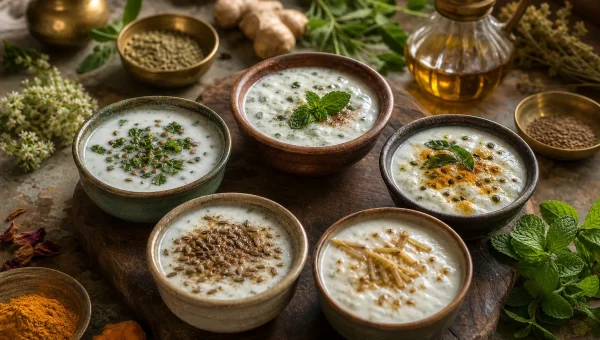
Recipe 5: Fresh Cucumber Takra-Raita with Mint
Curd and sour fermented foods can aggravate Amlapitta, so this recipe is deliberately light, diluted, and lunch-only. Use it only when the curd is fresh, mild, and personally well tolerated.
- Fresh mild curd: 1/4 cup
- Water: 3/4 cup
- Cucumber: 1/2, grated
- Fresh mint leaves: 1 tablespoon, finely chopped
- Roasted cumin powder: 1 small pinch
- Rock salt: a small pinch
Whisk the curd with water until smooth and buttermilk-like. Fold in cucumber and mint. Add a tiny pinch of roasted cumin and rock salt. Serve with lunch, not at night, and avoid it entirely if curd reliably triggers your reflux.
Ayurvedic note: The purpose of this recipe is to soften a meal, not to add a sour side dish. Freshness matters: sharp, tangy, old, or heavily fermented curd is not suitable for this pattern.
Recipe 6: Gentle Rose Milk with Cardamom
This is a mild evening drink for people who tolerate milk well. It should not be used after a heavy dinner, and it should be skipped if milk worsens phlegm, bloating, reflux, or nighttime discomfort.
- Milk: 1 cup
- Gulkand or edible rose preserve: 1 to 2 teaspoons
- Cardamom powder: a pinch
- Shatavari powder: 1/4 teaspoon, optional and only under guidance
Warm the milk gently; do not boil it aggressively and do not drink it very hot. Stir in the gulkand and cardamom. Add shatavari only if it has been recommended for you. Drink slowly, ideally at a comfortable gap from dinner.
Ayurvedic note: Milk appears in Amlapitta-friendly food guidance, but suitability depends on digestion. In reflux-prone people, even a traditionally cooling item can become unsuitable if taken late, too hot, too sweet, or after an already heavy meal.
Recipe 7: Ash Gourd or Lauki Soup with Coriander
This is a soft, simple soup for evenings when dinner needs to be light. Ash gourd is the preferred choice; bottle gourd can be used when ash gourd is not available.
- Ash gourd or bottle gourd: 2 cups, peeled and cubed
- Ghee: 1 teaspoon
- Fennel seeds: 1/2 teaspoon
- Fresh coriander leaves: 1/4 cup, chopped
- Rock salt: to taste
- Water: 2 to 3 cups
Warm the ghee and add fennel seeds. Add the gourd and water. Cook until very soft, then blend or mash until smooth. Add rock salt and fresh coriander leaves at the end. Serve warm with a small portion of rice or as a light soup dinner.
Ayurvedic note: Soft-cooked gourds are useful in a pitta-soothing kitchen because they create a light, moist meal without relying on sourness or heat for flavor.
Recipe 8: Laja-Sattu Cooling Drink
This drink is a better pitta-soothing option than a lemony, salty summer drink. For reflux-prone people, the sour lemon is omitted and the drink is kept mild.
- Laja sattu, roasted barley sattu, or roasted gram sattu: 2 tablespoons
- Room-temperature water: 1 glass
- Mishri: 1/2 teaspoon, optional
- Fennel powder: 1/4 teaspoon
- Cardamom powder: a pinch
- Fresh mint: 2 to 3 leaves, optional
Whisk the sattu into water until smooth. Add fennel, cardamom, and mishri if using. Crush mint lightly and add it at the end. Drink mid-morning or in the afternoon, not immediately after a large meal.
Ayurvedic note: Classical Amlapitta-friendly food lists include preparations such as laja saktu. Keep this drink non-sour, non-carbonated, and lightly seasoned.
Recipe 9: Moong Dal Cheela with Coconut Chutney
Moong dal cheela is a practical breakfast or light dinner when you want something more substantial than porridge but still need to avoid fermented batter, chili, and sour chutneys.
- Whole green moong dal: 1 cup, soaked overnight
- Fresh coriander leaves: 2 tablespoons
- Fennel seeds: 1/2 teaspoon
- Cumin seeds: 1/4 teaspoon, optional
- Rock salt: to taste
- Ghee: for light greasing
Drain the soaked moong and grind it with just enough water to make a smooth, pourable batter. Add coriander, fennel, optional cumin, and salt. Spread thinly on a warm, lightly ghee-greased tawa. Cook both sides until set and lightly golden.
For the coconut chutney, blend 1/2 cup fresh coconut with 2 tablespoons roasted chana dal, a pinch of cardamom or fennel powder, rock salt, and enough water to make a smooth chutney. Do not add tamarind, chili, vinegar, garlic, or sour curd.
Ayurvedic note: Moong is one of the most suitable legumes for this pattern. The chutney keeps the meal satisfying without adding sourness or heat.
Recipe 10: Poha with Sweet Potato and Fennel
This breakfast keeps the comfort of poha while changing the tempering so it is not chili-heavy, mustard-heavy, or paired with lemon.
- Flattened rice: 2 cups, rinsed and drained
- Sweet potato: 1 small, peeled and cubed small
- Ghee: 1 to 2 teaspoons
- Fennel seeds: 1 teaspoon
- Curry leaves: 6 to 8, optional
- Turmeric: 1 small pinch
- Fresh coconut: 2 tablespoons, grated
- Fresh coriander leaves: 1 tablespoon
- Rock salt: to taste
- Mishri or raw sugar: a tiny pinch, optional
Warm ghee and add fennel seeds and curry leaves. Add sweet potato cubes and cook until nearly tender, adding a splash of water if needed. Add turmeric, then the drained poha. Toss gently, cover for 2 minutes, and finish with coconut, coriander, salt, and a tiny pinch of sweetness if desired.
Ayurvedic note: This version avoids lemon juice, green chili, and sour accompaniments. It is best eaten freshly cooked, warm, and in a moderate portion.
Recipe 11: Soft Rice-Barley Porridge with Dates and Cardamom
This replaces a heavy nighttime millet porridge with a softer grain preparation based on ingredients that fit Amlapitta-friendly guidance more reliably. Use water, milk, or a mix depending on tolerance.
- Old rice flakes or cooked old rice: 1/2 cup
- Barley flour or fine barley flakes: 1 tablespoon, optional
- Milk or water: 1 to 1 1/2 cups
- Dates: 1 to 2, pitted and finely chopped, optional
- Cardamom powder: a pinch
- Ghee: 1/2 teaspoon, optional
Cook the rice and barley with milk, water, or a mixture of both until very soft. Stir frequently so the porridge becomes smooth. Add chopped dates and cardamom near the end. Finish with a small amount of ghee if tolerated. Serve warm, not hot.
Ayurvedic note: Old rice and barley are useful staples in this pattern. Keep the porridge light enough for evening; overeating even a mild food can still worsen reflux.
Recipe 12: Pitta-Pacifying Masala Mix for Daily Cooking
This spice blend is designed to replace regular garam masala, chili powder, pickle masala, and mustard-heavy seasoning in everyday dal, rice, and vegetable dishes.
- Fennel seeds: 4 tablespoons
- Coriander seeds: 2 tablespoons
- Cumin seeds: 1 tablespoon
- Green cardamom pods: 10, seeds only
- Dried edible rose petals: 1 tablespoon, optional
- Turmeric powder: 1 teaspoon
Dry roast fennel, coriander, and cumin separately on very low heat only until aromatic. Let them cool completely. Grind with cardamom seeds and rose petals. Stir in turmeric powder. Store in an airtight jar. Use 1/2 to 1 teaspoon in dal, sabzi, khichdi, soup, or rice.
Ayurvedic note: This mix is fennel-led and cardamom-supported. Coriander, cumin, and turmeric are kept in smaller amounts because they are useful digestives but not cooling in the same way as fennel and cardamom.
Foods to Avoid with GERD: The Pitta Aggravators
The foods below are common aggravators when the reflux pattern is hot, sour, sharp, and pitta-dominant. Individual tolerance still matters, so use this table as a starting framework rather than a rigid rulebook.
| Category | Avoid or Minimize | Replace With |
|---|---|---|
| Sour items | Tamarind, vinegar, lemon-heavy foods, sour pickles, very sour curd, raw tomato sauces | Pomegranate, coconut water, mild coconut chutney, fresh coriander-mint chutney without lemon |
| Hot spices | Red chili, green chili, excess black pepper, mustard-heavy tempering, very hot garam masala | Fennel, cardamom, small amounts of coriander and cumin, fresh coriander leaves |
| Fermented foods | Vinegar pickles, sour yogurt, kombucha, fermented chili sauces, old fermented batters when symptomatic | Fresh diluted takra at lunch if tolerated, coconut chutney, soft cooked vegetables |
| Beverages | Coffee, alcohol, carbonated drinks, very hot tea, sour fruit drinks | Fennel-cardamom hima, room-temperature water, coconut water, warm milk if tolerated |
| Cooking fats | Deep-fried foods, greasy snacks, excessive oil, mustard oil when it aggravates symptoms | Moderate ghee, small amounts of coconut oil, soft cooked meals instead of fried foods |
| Grains and legumes | New rice, black gram, horse gram, heavy fried breads, sour fermented breads when symptomatic | Old rice, moong dal, barley, wheat if tolerated, soft khichdi, light porridge |
Eating Habits That Matter as Much as the Food
Even a pitta-soothing meal can aggravate reflux if it is eaten late, eaten in a rush, followed by lying down, or taken in a quantity the stomach cannot handle. Cooking matters, but rhythm matters too.
- Keep meal times steady. Long fasting followed by a large, spicy meal is a common way to provoke sour belching and burning.
- Make dinner light and early. For reflux-prone people, avoid eating within 2 to 3 hours of bedtime whenever possible.
- Sip rather than flood the stomach. Small sips with meals are usually easier than large volumes of liquid taken quickly during or right after food.
- Pause when emotionally heated. Ayurveda includes stress and disturbed routine among aggravating factors for Amlapitta. Sit, breathe, and settle before eating.
- Stay upright after dinner. A gentle walk after meals and avoiding immediate lying down can help reduce nighttime reflux.
- Adjust sleep posture for night symptoms. If reflux wakes you at night, consider head-of-bed elevation and left-side sleeping as part of a broader GERD plan.
A Week of Pitta-Soothing Meals
A weekly rhythm makes these recipes easier to use. The aim is not to eat all twelve recipes every week, but to rotate them so meals stay simple, fresh, and non-irritating.
- Breakfast options: moong dal cheela with coconut chutney, poha with sweet potato and fennel, or soft rice-barley porridge with dates and cardamom.
- Lunch as the main meal: old rice or barley, moong dal or khichdi, one soft cooked gourd or bitter vegetable, and fresh diluted takra-raita if tolerated.
- Afternoon support: fennel-cardamom hima, laja-sattu drink, coconut water, or a small snack that is not fried, sour, or spicy.
- Light dinner: shatavari-infused khichdi if appropriate, ash gourd soup with rice, coconut rice with a mild vegetable, or soft porridge in a small portion.
When Cooking Alone Is Not Enough
Food is important, but chronic GERD can involve structural, inflammatory, medication-related, or lifestyle factors that require professional evaluation. Seek medical care promptly for difficulty swallowing, painful swallowing, unexplained weight loss, vomiting blood, black stools, persistent chest pain, anemia, recurrent vomiting, or symptoms that continue despite sensible diet changes.
Classical herbs such as shatavari, yashtimadhu, and amalaki are relevant to pitta and Amlapitta discussions, but herbs should be chosen according to constitution, disease stage, medication use, blood pressure, pregnancy status, and medical history. Do not self-prescribe strong herbal routines for chronic reflux without a qualified Ayurvedic practitioner or healthcare provider.
Medical Disclaimer: This article provides dietary guidance based on Ayurvedic principles and is for educational purposes only. It does not diagnose, treat, or cure GERD, Amlapitta, gastritis, ulcers, Barrett’s esophagus, or any other medical condition. Do not discontinue prescribed medications, including PPIs, abruptly without medical supervision, because rebound acid hypersecretion can occur after stopping long-term therapy. Consult a gastroenterologist and a qualified Ayurvedic practitioner for a personalized plan.
Nothing in this article replaces medical care. Consult a qualified Ayurvedic practitioner or physician before starting herbs, supplements, detoxes, or therapeutic protocols, especially if pregnant, managing a medical condition, or taking medication.
References
- Jaims (jaims.in)
- Ijam (ijam.co.in)
- Ia800501 (ia800501.us.archive.org)
- Ayurpharm (ayurpharm.com)
- NIDDK
- Mayoclinic (mayoclinic.org)
- ACG Clinical Guideline for the Diagnosis and Management of Gastroesophageal Reflux Disease (2022), PubMed Central
- Rebound Acid Hypersecretion after Withdrawal of Long-Term Proton Pump Inhibitor (PPI) Treatment-Are PPIs Addictive? (2024), PubMed Central
can you combine GERD with fennel or is that too much at once
Fennel is actually one of the gentler herbs for GERD so it usually combines well with other cooling foods. I have been having fennel water alongside the coconut-based recipes from this post without any problems.
That tracks — how long did you stick with it? I found the first few weeks felt like nothing was happening and then it kind of clicked around week 8 or 9.
finally something practical. been reading about fennel for months and this is the first clear how-to
can i take licorice wid metformin??
Where is the evidence for the coconut dosage recommended here? I could not find any peer-reviewed backing in the Indian Journal of Ayurveda for these specific numbers. 🙌
been taking mint for like 6 weeks and honestly sleep is better. never expected it to work this fast tbh
@Paul Good point about mint. The quality of the herb makes a huge difference in my experience.
Totally agree on quality. I noticed the same thing with the shatavari I was using alongside these recipes — same herb, completely different response depending on where I sourced it. 🌿
Is mint safe to use alongside SSRIs? My psychiatrist has not cleared any supplements and I want to go in informed.
The 12 recipes here are actually a good starting point if chronic GERD is behind your other symptoms. Pitta imbalance can show up in a lot of ways and the diet piece is almost always part of the fix.
My doctor actually recommended cooling last month, so finding this detailed explanation of the dosing schedule is exactly what I needed.
how long do u need to take coconut before results show? been 3 weeks, nothing yet
way too vague about dosage for coconut. ‘2 to 3 capsules’ covers a huge range depending on body weight
is GERD ok during pregnancy? asking for my wife who is in second trimester
way too vague about dosage for licorice. ‘2 to 3 capsules’ covers a huge range depending on body weight
my vaidya suggested cooling but never explained the why. this article fills that gap 🙏
anyone here tried cooling for the specific issue in the article? what was your experience
The formulation type matters a lot for coconut. Churna vs capsule vs kashayam gave me different results.
My practitioner said the same thing about cucumber. Results vary by individual constitution.
the dosage chart for acid reflux is really helpful. been overdoing it apparently
does brand matter for mint or is generic fine 💯
tried the coconut recipe from section 3 last week, tasted awful but felt lighter the next morning lol
way too vague about dosage for cooling. ‘2 to 3 capsules’ covers a huge range depending on body weight
first time trying licorice properly after reading this. fingers crossed it helps with the fatigue
hyperacidity recipes are useful only if they are not bland punishment food
does brand matter for coconut or is generic fine ✨
yeah licorice quality is huge. local brand didnt work, switched to a standardized extract and different story
i have pitta excess and amlapitta worked fine for me, but started at lower dose 🙏
the decoction method for cucumber is a bit confusing, is there a simpler version
I just juiced it and drank it fresh, skipped the decoction entirely. Might be less potent but it was a lot easier and still helped with the acidity.
Not sure I agree on fennel being suitable for Vata-Pitta. My experience was different.
anyone here tried cucumber for the specific issue in the article? what was your experience
Would have appreciated actual study citations for the coconut claims. The references section is thin for something presented as clinical fact.
anyone here tried fennel for the specific issue in the article? what was your experience
I asked my rheumatologist about cooling and he was dismissive, citing no RCT data. Would love to know which studies this article draws from.
hw mny wks 4 GERD 2 work
Depends on the person honestly. I started noticing fewer night-time reflux episodes around week 3 or 4, but a friend did the same protocol for 10 weeks before feeling a shift.
Can children use mint? The post covers adults but my 11-year-old has similar symptoms.
For kids I would really check with a paediatric vaidya first. The pitta-reducing foods in the recipes here are probably fine at child-appropriate portions but the herbal formulations are a different matter.
hw mny wks 4 cucumber 2 work
The formulation type matters a lot for amlapitta. Churna vs capsule vs kashayam gave me different results.
Kashayam was the game changer for me too. Churna sat too heavy and capsules felt like nothing. The liquid form absorbed way faster and my GERD settled noticeably within a couple of weeks.
Huge difference yes. I had the same experience — supermarket brand fennel seeds were basically inert. Once I switched to a proper Ayurvedic supplier the cooling effect was obvious within days.
honestly try licorice for at least 3 months before deciding it doesnt work
The Cooling Coconut Rice recipe looks like a great go to when the stomach feels warm after a spicy lunch.
does brand matter for mint or is generic fine
bought amlapitta from a random brand and got no results. does quality vary that much between suppliers? ✨
tryd fennel nothing happend
r side effects of pitta real
Been using licorice for three weeks now and the difference in energy is noticeable. The morning fatigue that used to hit by 11am has reduced quite a bit.
finally smthing useful abt acid reflux
can you combine cucumber with mint or is that too much at once
bought cucumber from a random brand and got no results. does quality vary that much between suppliers?
can you combine coconut with coconut or is that too much at once
Started following the diet guidelines mentioned for amlapitta about a month ago. The bloating that had bothered me for years is now very manageable.
That’s encouraging to hear. Did you make any specific dietary changes alongside, or mostly stick to what the article outlines? Wondering how much the food choices contributed versus the herbal protocol.
Good point about coconut. The quality of the herb makes a huge difference in my experience. 🙏
Been using cucumber for three weeks now and the difference in energy is noticeable. The morning fatigue that used to hit by 11am has reduced quite a bit.
Yeah the GERD timing thing confused me too. I do it before meals now based on another source.
first time trying coconut properly after reading this. fingers crossed it helps with the fatigue
Coconut worked for my reflux too but it took a good two months before I really noticed a shift. Don’t give up too soon if you don’t see results in the first couple weeks.
The article glosses over contraindications for GERD. People on blood thinners really need to know this before starting.
curd at night is always confusing in GERD advice. please make that part more direct
Agree, that section was the most confusing part of the post for me too. I ended up cutting curd completely at night and just going with warm milk with cardamom instead, which seemed to help.
Quick question: is the coconut dose mentioned here for KSM-66 extract or full-spectrum powder? The potency difference is significant.
can you combine GERD with cucumber or is that too much at once
dosw for kids same or diff
@Amrita about 8 weeks for me with cooling before any visible change
@Indira The formulation type matters a lot for cooling. Churna vs capsule vs kashayam gave me different results.
Yes and it also depends on what else you are eating. The kashayam I used worked noticeably faster during weeks I was actually sticking to the Pitta diet in the article than when I wasn’t.
honestly try pitta for at least 3 months before deciding it doesnt work
I found the Shatavari infused khichdi surprisingly soothing; the gentle coriander and fennel notes kept my acid reflux at bay for a few days.
can you combine mint with coconut or is that too much at once
does brand matter for GERD or is generic fine
The formulation type matters a lot for acid reflux. Churna vs capsule vs kashayam gave me different results.
My practitioner said the same thing about amlapitta. Results vary by individual constitution.
How long does it typically take before the pitta effects become measurable in blood markers? My next labs are in three months.
my practitioner told me something different about GERD. this article contradicts what i was told
Good point about acid reflux. The quality of the herb makes a huge difference in my experience.
the dosage chart for pitta is really helpful. been overdoing it apparently
The article glosses over contraindications for cucumber. People on blood thinners really need to know this before starting.
the dosage chart for cucumber is really helpful. been overdoing it apparently ठीक है
Would have appreciated actual study citations for the fennel claims. The references section is thin for something presented as clinical fact.
Fair criticism. There are a few studies on Foeniculum vulgare and acid secretion that would have been worth linking. The clinical evidence is there but the post kind of asks you to take it on faith.
the decoction method for mint is a bit confusing, is there a simpler version
is pitta ok during pregnancy? asking for my wife who is in second trimester
That’s a fair concern. I found pitta worked better when I also adjusted my diet simultaneously.
can you combine pitta with pitta or is that too much at once
honestly try mint for at least 3 months before deciding it doesnt work
Three months is probably realistic. I gave up at 6 weeks the first time and then restarted with more patience — the longer run is when the dietary changes and the mint water together actually started compounding.
dosage info not clear enuf
Dosage is genuinely unclear in this one. My vaidya told me to start at half the suggested amount and build up based on how my stomach responded, which made more sense for chronic GERD than a flat dose. 🙏
The explanation connecting licorice with mint in Ayurvedic theory here is cleaner than anything I found in the textbooks I have.
For the pitta preparation described, does the water temperature affect the active compounds during the decoction process?
Can the bitter gourd and ash gourd sabzi be prepared ahead and reheated without losing its cooling effect?
helpful info on pitta
yeah acid reflux quality is huge. local brand didnt work, switched to a standardized extract and different story
The article glosses over contraindications for licorice. People on blood thinners really need to know this before starting.
My grandmother used fennel for decades. Reading the science behind it here connects the dots for me in a satisfying way.
I am Vata-Pitta constitution. Would the acid reflux protocol here need modification or is it generally dosha-agnostic? 🙌
The formulation type matters a lot for pitta. Churna vs capsule vs kashayam gave me different results.
i have pitta excess and acid reflux worked fine for me, but started at lower dose
How long does it typically take before the GERD effects become measurable in blood markers? My next labs are in three months.
Honestly the recipes in this post are worth trying first — amla-based drinks and the coconut cooling protocol both made a real difference for my acid reflux before I started chasing other things. ❤️
Would have appreciated actual study citations for the pitta claims. The references section is thin for something presented as clinical fact.
Would have appreciated actual study citations for the cucumber claims. The references section is thin for something presented as clinical fact.
bought pitta from a random brand and got no results. does quality vary that much between suppliers?
my aunt has been doing amlapitta for years, finally understand why it actually helps after reading this
yeah GERD quality is huge. local brand didnt work, switched to a standardized extract and different story
bought GERD from a random brand and got no results. does quality vary that much between suppliers? ✨
Yes, quality varies enormously. I had the same experience with a random online brand. Switched to a GMP-certified Ayurvedic manufacturer and the difference in how my stomach responded was immediate. ✨
the decoction method for licorice is a bit confusing, is there a simpler version
The article glosses over contraindications for cooling. People on blood thinners really need to know this before starting.
My doctor actually recommended mint last month, so finding this detailed explanation of the dosing schedule is exactly what I needed.
I asked my vaidya the same question about pitta. He said constitution matters more than standard dose.
Same situation here — my doctor mentioned mint as cooling for Pitta and this article filled in the gaps around timing and preparation that the prescription sheet didn’t cover at all.
the dosage chart for cooling is really helpful. been overdoing it apparently
the decoction method for fennel is a bit confusing, is there a simpler version
does brand matter for cooling or is generic fine 💯
Sipping fennel coriander water throughout the shift helped me stay hydrated without aggravating my pitta.
Just started the coconut protocol this week. A bit early to report results but the article gave me enough confidence to try it properly.
Good luck with it. The first week I felt almost nothing but consistency really matters with coconut water — having it at the same time each morning rather than randomly seemed to help a lot.
i have pitta excess and cucumber worked fine for me, but started at lower dose धन्यवाद
can you combine pitta with fennel or is that too much at once
Is acid reflux safe to use alongside SSRIs? My psychiatrist has not cleared any supplements and I want to go in informed.
r side effects of coconut real
For the fennel preparation described, does the water temperature affect the active compounds during the decoction process?
The article glosses over contraindications for pitta. People on blood thinners really need to know this before starting.