
When Your Stomach Fights Back: An Ayurvedic Kitchen Approach
Acid reflux is often experienced as burning in the chest or throat, sour belching, heaviness after food, nausea, and discomfort that worsens after large or late meals. Ayurveda approaches this pattern through the classical frame of Amlapitta, a condition in which aggravated Pitta develops an excessively sour quality and disturbs digestion. The kitchen approach is not to shut digestion down, but to remove the sour, burning, incompatible, heavy, and late-night factors that provoke the pattern while supporting a steadier, calmer Agni.
Madhava Nidana, Chapter 51, presents Amlapitta as a disorder arising when already increased Pitta becomes excessively sour and is provoked by incompatible, spoiled, very sour, burning, and Pitta-aggravating foods and drinks. Its descriptions include indigestion, nausea, bitter or sour belching, heaviness, burning in the chest or throat, and loss of taste. Upward-moving Amlapitta is especially relevant to reflux-like symptoms because it includes sour or bitter upward movement and burning in the throat, chest, and upper abdomen.
Modern GERD care and Ayurvedic food discipline can work alongside each other. Prescription medicines, including acid-suppressing drugs, may be necessary and appropriate in many cases. The dietary plan below is meant as supportive education: it emphasizes measured meals, earlier dinners, personally identified trigger avoidance, and cooling yet digestible foods. It should not replace medical care for persistent reflux, painful swallowing, bleeding, unexplained weight loss, or chest pain.
The Six Dietary Principles for Amlapitta
Amlapitta management begins with a pattern, not a single magic food. The six principles below translate the classical emphasis on Pitta, Agni, measured eating, and food compatibility into practical kitchen choices.
Principle 1: Cool the Burning Without Smothering Agni
The art is to cool excess heat while keeping digestion functional. Very cold, raw, heavy, or oily meals may feel soothing briefly but can weaken digestion and leave heaviness behind. A better Amlapitta plate is warm, freshly cooked, moist, simple, mildly spiced, and easy to digest. Good staples include aged rice, thin moong dal, bottle gourd, ash gourd, soft cooked vegetables, small amounts of ghee, fennel, sweet pomegranate, and practitioner-guided use of classical herbs such as Amalaki or Shatavari when appropriate.
Principle 2: Reduce Amla, Katu, Vidahi, and Personal Triggers
Classical Ayurveda does not need a modern grocery list to make the principle clear: excessive sour, pungent, hot, sharp, stale, fermented, incompatible, and burning-producing foods aggravate Pitta and can provoke burning. In a modern reflux kitchen, this means reducing obvious sour and spicy triggers while also noticing individual responses, because the same food may be tolerated by one person and aggravating to another.
| Common Trigger to Reduce | Ayurvedic Reason | Gentler Alternative |
|---|---|---|
| Excess tomato, tamarind, vinegar, sour pickles | Too much Amla Rasa and Pitta-provoking sourness | Ash gourd, bottle gourd, or mild vegetable gravies |
| Green chilies, red chilies, hot sauces | Excess Katu Rasa, heat, sharpness, and burning quality | Fennel, coriander, small amounts of cumin, and fresh herbs |
| Strong coffee, strong black tea, cola | Stimulating, drying, and often personally reflux-provoking | Fennel infusion, coriander infusion, or warm water sipped slowly |
| Alcohol | Heating, irritating, and Pitta-aggravating | Room-temperature water, fennel tea, or unsweetened herbal infusions |
| Chocolate, mint, and very rich desserts if they trigger symptoms | Heavy, sweet-rich foods can linger and provoke post-meal heaviness | Dates, soaked raisins, or small amounts of sweet ripe fruit |
| Deep-fried snacks and very oily meals | Heavy and slow to digest, increasing post-meal pressure and discomfort | Lightly sautéed vegetables with a small amount of ghee |
| Large late dinners | Food remains undigested near bedtime and encourages upward movement | Early khichdi, thin moong soup, or soft cooked rice with vegetables |
| Fermented sour foods during active burning | Sourness and heaviness can aggravate Amlapitta in sensitive digestion | Freshly cooked meals, mild soups, and non-sour accompaniments |
Principle 3: Eat Measured Meals and Keep Hunger Steady
Charaka’s principle of measured eating, Matravat Ahara, teaches that food quantity should match digestive capacity and should not create pressure, heaviness, or discomfort. A practical version is to stop before fullness becomes pressure. Long gaps can leave some people with a burning, empty-stomach feeling, while overeating distends the stomach and encourages upward movement. Three steady meals with a small, simple snack when needed is often better than alternating fasting with very large meals.
Principle 4: Put the Main Meal at Midday and Make Dinner Early
Amlapitta usually improves when the heaviest meal is eaten earlier in the day and dinner is kept light, warm, and simple. This agrees with modern reflux guidance to avoid eating close to bedtime. Finish dinner at least two to three hours before lying down, remain upright after meals, and avoid the habit of eating a heavy, oily, or sour meal late at night.
Principle 5: Choose Anupana Carefully
Anupana, the drink or carrier taken with food or medicine, should support digestion rather than dilute or shock it. For Amlapitta, sip small amounts of warm or room-temperature water with meals instead of drinking large glasses at once. Avoid iced drinks, carbonated drinks, and very sour beverages. Thin, freshly prepared buttermilk with roasted cumin may suit reflux accompanied by heaviness, bloating, and sluggish digestion, but it is not ideal when sharp sour belching and active burning dominate; in that state, choose warm water or fennel infusion instead.
Principle 6: Keep Food Combinations Simple
Viruddha Ahara, incompatible food, is a central Ayurvedic idea. During Amlapitta, simplify the plate and avoid combinations that are classically discouraged or personally aggravating. The most important examples are milk with sour fruits or sour fermented foods, milk with fish or salt, heated honey, and curd or yogurt at night. Smoothies made from milk and sour fruit may look healthy, but they are not a gentle choice for sour, burning digestion.
A Complete Day’s Meal Plan for Amlapitta
This sample day is a template, not a prescription. Portions should be adjusted to appetite, constitution, medical conditions, medication schedule, and tolerance. The guiding qualities are warm, freshly cooked, mild, moist, moderate in quantity, and finished early enough to prevent night reflux.
| Time | Meal | Recipe | Amlapitta-Specific Purpose |
|---|---|---|---|
| 6:30 AM | First thing | Warm water, or mild fennel infusion if burning is common | Gently begins the day without sourness, caffeine, or cold shock |
| 7:30 AM | Breakfast | Poha with coconut and coriander, or soft oatmeal with ghee and cardamom | Light, warm, and steadying for morning acidity |
| 10:00 AM | Snack | Sweet pomegranate or ripe banana if tolerated, with a few soaked almonds | Prevents long empty-stomach gaps without making the meal heavy |
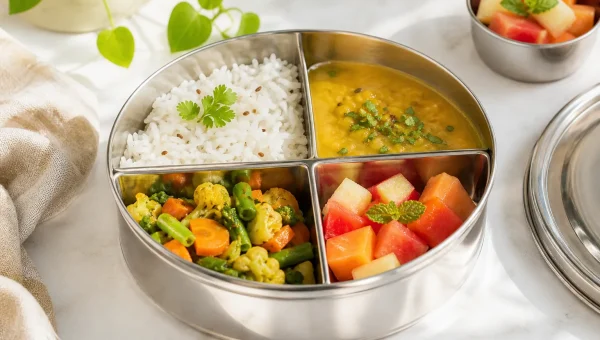
| 12:30 PM | Lunch | Aged rice, thin moong dal, lauki or kushmanda sabzi cooked with a little ghee, and one chapati if desired | Main nourishing meal while digestion is strongest |
| 1:15 PM | After meal | Warm water in small sips, fennel infusion, or thin cumin buttermilk only if it suits your digestion | Supports post-meal comfort without heaviness or excessive liquid |
| 4:00 PM | Snack | Fennel-coriander tea with rice crackers or a small bowl of soft cooked rice | Prevents afternoon burning from hunger while staying light |
| 6:30 PM | Dinner | Soft khichdi with ghee and mild spices such as fennel, coriander, turmeric, and a small amount of cumin | Early, simple, warm dinner that is easy to digest before sleep |
| 9:00 PM | Only if needed | Small cup of warm milk with cardamom, or practitioner-guided Shatavari if prescribed and tolerated | Gentle support for those who tolerate milk; skip if dairy worsens reflux |
Five Kitchen Supports for Sudden Burning
These measures are gentle supports for occasional burning and should not be used to ignore severe or persistent symptoms. Chest pain, vomiting blood, black stools, difficulty swallowing, unexplained weight loss, or reflux that continues despite basic care needs medical evaluation.
- Fennel seed chew: Chew 1/2 to 1 teaspoon of fennel seeds slowly after meals. In the Ayurvedic Pharmacopoeia of India, fennel is described with cooling potency, sweet post-digestive effect, downward-moving support, digestive action, and Vata-Pitta pacifying action.
- Amalaki support: Use a small piece of Amalaki murabba, or a small practitioner-guided dose of Amalaki powder if it suits you. Although Amalaki includes sour taste, it is classically valued for cooling potency, sweet post-digestive effect, and use in Amlapitta and burning conditions. Stop if the sourness aggravates your symptoms.
- Warm water in small sips: Sit upright and sip warm or room-temperature water slowly. Avoid iced water, carbonated drinks, and large volumes of liquid, especially soon after food.
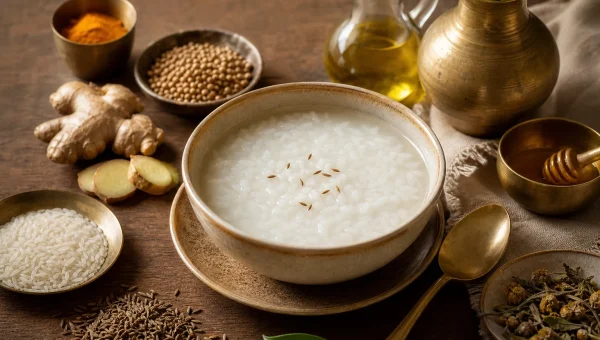
- Thin rice gruel or moong broth: When burning appears with an empty-stomach feeling, a small warm serving of thin rice gruel or moong broth may be easier than spicy snacks, tea, or fried foods.
- Practitioner-guided Yashtimadhu: Licorice root is sweet, cooling, unctuous, and Vata-Pitta supportive in Ayurvedic pharmacopoeial description, but it is not suitable for everyone. Avoid self-use if pregnant, hypertensive, prone to fluid retention, living with heart or kidney disease, on corticosteroids, or under medication unless a qualified clinician approves it.
The Shatavari Connection: Cooling and Rebuilding Strength
Shatavari is one of the most relevant classical herbs for chronic Pitta-type gastric burning. The Ayurvedic Pharmacopoeia of India identifies Shatavari as the root of Asparagus racemosus and describes it as sweet and bitter in taste, heavy and unctuous in quality, cooling in potency, sweet in post-digestive effect, Pitta-pacifying, strengthening, and Rasayana. Its listed therapeutic uses include Amlapitta and Parinama Shula. Because it is heavy and unctuous, it should be used with attention to digestion, mucus, appetite, and constitution rather than taken casually by everyone.
A traditional kitchen-style use is Shatavari powder taken in a practitioner-guided dose with warm milk or ghee when milk is tolerated and when the pattern is clearly Pitta-dominant burning rather than Kapha heaviness. Do not combine it with sour foods, fermented foods, or a heavy late dinner. If it produces coating on the tongue, heaviness, nausea, congestion, or looser stools, stop and consult a qualified Ayurvedic practitioner.
Recipes for Healing
The best reflux recipes are usually not complicated. They are freshly cooked, mild, warm, and measured, with enough softness and moisture to comfort the stomach without becoming oily or heavy.
Cooling Ash Gourd Soup (Kushmanda Yusha)
Ingredients: 300 g peeled and cubed ash gourd, 1 teaspoon ghee, 1/2 teaspoon fennel seeds or cumin seeds, 10 fresh coriander leaves, a pinch of turmeric, rock salt to taste, and 500 ml water.
Method: Cook the ash gourd in water until very soft, about 15 to 20 minutes. Blend into a smooth soup. Warm ghee in a small pan, add fennel or cumin and turmeric, and pour this tempering into the soup. Garnish with coriander and serve warm, not chilled.
Kushmanda, or ash gourd, is described in the Ayurvedic Pharmacopoeia of India as Benincasa hispida fruit with light quality, cooling potency, sweet post-digestive effect, and Vata-Pitta pacifying action. As a soup, it is especially useful in an Amlapitta kitchen because it gives volume and comfort without sourness, chili, frying, or heaviness.
Fennel-Coriander Digestive Tea
Ingredients: 1 teaspoon fennel seeds, 1/2 teaspoon coriander seeds, and 500 ml water. If bloating is present and sharp burning is not dominant, add 1/4 teaspoon cumin seeds.
Method: Simmer the seeds in water for 5 minutes, strain, and drink warm during the day or after meals in small quantities.
In this blend, fennel provides the clearest cooling and Vata-Pitta supporting role. Coriander is included as a gentle digestive seed traditionally used in thirst, burning, and indigestion patterns, while cumin should be kept mild because it is warmer and more suitable when heaviness and gas accompany the reflux pattern.
What I Wish Someone Had Told Me Earlier
The most useful reflux discipline is often routine rather than intensity: eat the main meal at midday, keep dinner light and early, leave space in the stomach, avoid lying down after food, and remove the sour-spicy-heavy triggers that repeatedly produce burning. Once those foundations are steady, herbs and remedies become secondary supports rather than daily rescue measures.
Healing reflux through diet takes patience because the goal is not just to silence burning for an hour, but to rebuild a pattern of digestion that is calm, regular, and predictable. Ayurveda’s contribution is the daily discipline of food quality, quantity, timing, compatibility, and personal observation.
, and remove the sour-spicy-heavy triggers that repeatedly produce burning. Once those foundations are steady, herbs and remedies become secondary supports rather than daily rescue measures.
Healing reflux through diet takes patience because the goal is not just to silence burning for an hour, but to rebuild a pattern of digestion that is calm, regular, and predictable. Ayurveda’s contribution is the daily discipline of food quality, quantity, timing, compatibility, and personal observationMedical Disclaimer: This article is for educational purposes only and does not constitute medical advice. Chronic reflux or GERD can have serious complications, including esophagitis and Barrett’s esophagus. Seek medical evaluation if reflux persists for more than two weeks, wakes you repeatedly at night, causes chest pain, difficulty swallowing, vomiting, blood in vomit or stool, black stools, anemia, or unexplained weight loss. Do not discontinue prescribed medications without consulting your gastroenterologist or healthcare provider.
Nothing in this article diagnoses or treats a medical condition. Use it as educational information and consult a qualified Ayurvedic practitioner or healthcare provider before starting herbs, supplements, detoxes, or therapeutic protocols, especially if pregnant, breastfeeding, managing a medical condition, or taking medication.
References
- Easyayurveda (easyayurveda.com)
- ACG Clinical Guideline for the Diagnosis and Management of Gastroesophageal Reflux Disease (2022), PubMed Central
- Health (health.harvard.edu)
- Charaka Samhita — Trividhakukshiya Vimana
- Charaka Samhita — Atreyabhadrakapyiya Adhyaya
- Easyayurveda (easyayurveda.com)
- Ayurvedic Pharmacopoeia of India
- Ayurvedic Pharmacopoeia of India
- NCCIH
- Natural Ingredient Resource Center
how long do u need to take mint before results show? been 3 weeks, nothing yet
bought cucumber from a random brand and got no results. does quality vary that much between suppliers? ठीक है
Yeah the cucumber timing thing confused me too. I do it before meals now based on another source.
The formulation type matters a lot for acid reflux. Churna vs capsule vs kashayam gave me different results.
about 8 weeks for me with cooling before any visible change 🌿
Yeah the mint timing thing confused me too. I do it before meals now based on another source.
i have pitta excess and acid reflux worked fine for me, but started at lower dose ठीक है
tried mint for months, did nothing for me honestly. maybe doesnt work for everyone 💯
Will try.
That’s a pretty quick turnaround — which meal timing change made the biggest difference for you? I’m still struggling with late dinner and wondering if that’s what’s keeping my reflux going.
can you combine cucumber with acid reflux or is that too much at once
same here, GERD helped me but took longer than the article suggests
my aunt has been doing fennel for years, finally understand why it actually helps after reading this
How long does it typically take before the pitta effects become measurable in blood markers? My next labs are in three months.
is pitta ok during pregnancy? asking for my wife who is in second trimester
My practitioner said the same thing about cooling. Results vary by individual constitution. ✨
the decoction method for cooling is a bit confusing, is there a simpler version
my aunt has been doing GERD for years, finally understand why it actually helps after reading this
my practitioner told me something different about mint. this article contradicts what i was told
about 8 weeks for me with coconut before any visible change
Yeah the GERD timing thing confused me too. I do it before meals now based on another source.
The acid reflux approach here is very specific to Amlapitta — the meal timing and food combination rules were the part I hadn’t seen laid out clearly before. Has anyone tried the three-hour gap between meals that’s mentioned?
Been using licorice for three weeks now and the difference in energy is noticeable. The morning fatigue that used to hit by 11am has reduced quite a bit.
can you combine acid reflux with coconut or is that too much at once
is GERD ok during pregnancy? asking for my wife who is in second trimester
how long do u need to take acid reflux before results show? been 3 weeks, nothing yet
How long does it typically take before the fennel effects become measurable in blood markers? My next labs are in three months.
does brand matter for acid reflux or is generic fine नमस्ते
anyone here tried fennel for the specific issue in the article? what was your experience
My practitioner said the same thing about cooling. Results vary by individual constitution.
been taking acid reflux for like 6 weeks and honestly sleep is better. never expected it to work this fast tbh
Good to know the sleep angle improves that fast. Honestly that’s what I’m hoping for most — the burning at night is the worst part. Did you change anything else at the same time or was it mainly the diet protocol?
the decoction method for acid reflux is a bit confusing, is there a simpler version
Not sure I agree on GERD being suitable for Vata-Pitta. My experience was different. ✨
same here, coconut helped me but took longer than the article suggests
That’s a fair concern. I found coconut worked better when I also adjusted my diet simultaneously.
way too vague about dosage for cucumber. ‘2 to 3 capsules’ covers a huge range depending on body weight
dosage info not clear enuf
tried GERD for months, did nothing for me honestly. maybe doesnt work for everyone
bought fennel from a random brand and got no results. does quality vary that much between suppliers? ठीक है
I am Vata-Pitta constitution. Would the cooling protocol here need modification or is it generally dosha-agnostic?
r side effects of licorice real
How long does it typically take before the coconut effects become measurable in blood markers? My next labs are in three months.
can you combine amlapitta with coconut or is that too much at once
Would have appreciated actual study citations for the cucumber claims. The references section is thin for something presented as clinical fact.
@Jennifer Same experience with cooling here. Took me about 6 weeks to notice real change.
yeah coconut quality is huge. local brand didnt work, switched to a standardized extract and different story
I asked my vaidya the same question about cooling. He said constitution matters more than standard dose.
Just started the acid reflux protocol this week. A bit early to report results but the article gave me enough confidence to try it properly.
The part about avoiding Vidahi foods really clicked for me, especially the tip to swap tomatoes for ash gourd in curries.
anyone here tried cooling for the specific issue in the article? what was your experience
i have high pitta, would the acid reflux protocol here work or make things worse
Same experience with coconut here. Took me about 6 weeks to notice real change.
anyone here tried acid reflux for the specific issue in the article? what was your experience
I tried cooling for two months following a similar protocol and saw zero improvement. Not sure if dosage was wrong or the formulation matters that much.
Is there a seasonal consideration for cooling? I read elsewhere that some adaptogens should be paused in summer.
I asked my rheumatologist about GERD and he was dismissive, citing no RCT data. Would love to know which studies this article draws from.
My practitioner said the same thing about acid reflux. Results vary by individual constitution.
Is there a seasonal consideration for licorice? I read elsewhere that some adaptogens should be paused in summer.
the studies quoted for amlapitta are like 10 years old, anything more recent?
these ayurvedic treatments take so long to work. western medicine might be faster for acute issues 🙌
i have pitta excess and acid reflux worked fine for me, but started at lower dose
Been using fennel for three weeks now and the difference in energy is noticeable. The morning fatigue that used to hit by 11am has reduced quite a bit.
Yeah the pitta timing thing confused me too. I do it before meals now based on another source.
Is mint safe to use alongside SSRIs? My psychiatrist has not cleared any supplements and I want to go in informed.
I am Vata-Pitta constitution. Would the mint protocol here need modification or is it generally dosha-agnostic?
The part about meal timing really hit home for me. I used to eat dinner at 9 PM and wondered why I was burning at midnight. Switching to a 7 PM cutoff made a noticeable difference within the first week.
does brand matter for cooling or is generic fine
r side effects of amlapitta real
i have high pitta, would the amlapitta protocol here work or make things worse
Does the quality of amlapitta source matter significantly? Organic vs non-organic makes a big cost difference where I live.
how long do u need to take amlapitta before results show? been 3 weeks, nothing yet
i have pitta excess and cooling worked fine for me, but started at lower dose
yeah cucumber quality is huge. local brand didnt work, switched to a standardized extract and different story
My practitioner said the same thing about coconut. Results vary by individual constitution.
hw mny wks 4 cucumber 2 work
these ayurvedic treatments take so long to work. western medicine might be faster for acute issues
same here, fennel helped me but took longer than the article suggests
@Shruti same here, mint helped me but took longer than the article suggests
Not sure I agree on cooling being suitable for Vata-Pitta. My experience was different.
anyone here tried GERD for the specific issue in the article? what was your experience
I wonder if the CCF tea recipe would work with a touch of mint for extra freshness.
@Sanjay i have pitta excess and GERD worked fine for me, but started at lower dose
how long do u need to take cooling before results show? been 3 weeks, nothing yet
The article glosses over contraindications for amlapitta. People on blood thinners really need to know this before starting.
bought GERD from a random brand and got no results. does quality vary that much between suppliers?
the decoction method for mint is a bit confusing, is there a simpler version
I asked my rheumatologist about cooling and he was dismissive, citing no RCT data. Would love to know which studies this article draws from.
Good point about amlapitta. The quality of the herb makes a huge difference in my experience.
honestly try licorice for at least 3 months before deciding it doesnt work
My practitioner said the same thing about amlapitta. Results vary by individual constitution.
The formulation type matters a lot for coconut. Churna vs capsule vs kashayam gave me different results.
any1 tried cooling here tell me
honestly try fennel for at least 3 months before deciding it doesnt work
Can children use cooling? The post covers adults but my 11-year-old has similar symptoms.
can you combine cucumber with licorice or is that too much at once
@Amy yeah pitta quality is huge. local brand didnt work, switched to a standardized extract and different story
I tried licorice for two months following a similar protocol and saw zero improvement. Not sure if dosage was wrong or the formulation matters that much.
where r the studies for cooling tho
@Nandini yeah GERD quality is huge. local brand didnt work, switched to a standardized extract and different story
about 8 weeks for me with GERD before any visible change
Thanks!
You’re welcome! Yeah the cooling foods approach does take patience — for me it was closer to five or six weeks before the reflux episodes actually spaced out. Stick with it if you can.
tryd licorice nothing happend
I tried acid reflux for two months following a similar protocol and saw zero improvement. Not sure if dosage was wrong or the formulation matters that much.
The claim about licorice reducing inflammation in two weeks seems optimistic. My experience was more like four months before any noticeable change. ✨
finally something practical. been reading about pitta for months and this is the first clear how-to
Yeah the coconut timing thing confused me too. I do it before meals now based on another source.
yeah cooling quality is huge. local brand didnt work, switched to a standardized extract and different story
Not sure I agree on acid reflux being suitable for Vata-Pitta. My experience was different.
For the amlapitta preparation described, does the water temperature affect the active compounds during the decoction process?
Eating the main meal at noon and keeping dinner light made a noticeable difference in my nighttime comfort.
The article glosses over contraindications for acid reflux. People on blood thinners really need to know this before starting.
can you combine cooling with coconut or is that too much at once