When a person presents with pallor, fatigue, breathlessness on exertion, low appetite, dizziness, and weakness, a laboratory report may describe anemia, while Ayurveda evaluates a closely related clinical pattern under Pandu Roga. The Ayurvedic aim is not merely to “add iron,” but to restore digestive capacity (Agni), support proper formation of Rasa and Rakta Dhatu, identify the dominant dosha pattern, correct diet and habits, and use appropriate herbs or herbo-mineral medicines only under qualified supervision.
Understanding Pandu Roga: The Ayurvedic Framework for Anemia
The word Pandu means pale, yellowish-white, or faded in appearance, which reflects the visible pallor described in classical texts. Charaka Samhita, Chikitsa Sthana, Chapter 16, presents Pandu Roga as a disorder in which unsuitable diet and lifestyle disturb the doshas, especially Pitta, and affect Rasa, Rakta, skin, and muscle tissues. General features include reduced digestive power, weakness, fatigue, dizziness, breathlessness on exertion, heaviness, dislike of food, swelling around the eyes, and abnormal pallor or yellowish discoloration.
Charaka describes five main types of Pandu Roga:
- Vataja Pandu – marked by dryness, body ache, tremors, constipation or hard stools, abdominal distention, weakness, and pale or darkish discoloration.
- Pittaja Pandu – marked by yellowish or greenish discoloration, burning sensation, fever, thirst, sweating, loose stools, yellow urine or stool, and desire for cooling substances.
- Kaphaja Pandu – marked by heaviness, drowsiness, vomiting, excess salivation, coldness, anorexia, cough, slow movement, whitish discoloration, and swelling.
- Tridoshaja or Sannipataja Pandu – a mixed presentation in which features of all three doshas appear together and the condition is more difficult to manage.
- Mrittika-Bhakshana Pandu – a presentation associated with habitual clay or soil eating, obstruction of channels, depletion of strength and complexion, swelling, disturbed digestion, and abnormal stools.
The practical value of this classification is that two people with similar hemoglobin values may still require different Ayurvedic strategies. A dry, constipated, anxious, depleted patient is approached differently from a hot, yellowish, burning Pitta presentation or a heavy, swollen, sluggish Kapha presentation.
The Ayurvedic Medicine Protocol: Core Formulations Used in Pandu Roga
Classical management of Pandu Roga combines three principles: improving digestion and assimilation, building and protecting Rakta Dhatu, and selecting medicine according to the dosha pattern. Iron-bearing herbo-mineral preparations such as Lauha, Mandura, and their compound formulations are important in this tradition, but they must be used only after proper assessment by a qualified Ayurvedic physician.
1. Lauha Bhasma and Lauha-Based Formulations
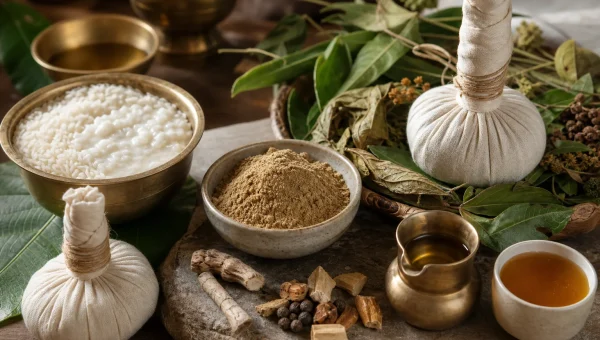
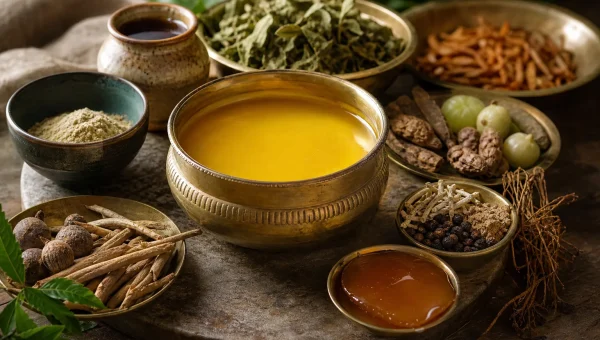
Lauha Bhasma is a classical processed iron preparation used in Pandu formulations. Charaka describes the use of Lauha Bhasma in Pandu, and also gives compound preparations such as Navayasa Churna, which combines Trikatu, Triphala, Musta, Vidanga, Chitraka, and Lauha Bhasma, taken with honey and ghee. Official Ayurvedic medicine lists also include Navayasa Lauha for Pandu, Kamala, and Hridroga. Because processed iron preparations require correct purification, dosage, vehicle, and monitoring, they should never be self-prescribed.
2. Dhatryavaleha and Dhatri-Based Support
Dhatryavaleha is an Amalaki-based linctus described by Charaka for Kamala, Pitta disorders, Pandu, cough, and Halimaka. The formulation uses Amalaki juice along with ingredients such as Vamshalochana, Shunthi, Yashtimadhu, Pippali, Draksha, sugar, and honey. Amalaki and other vitamin-C-rich sour fruits are useful dietary companions to iron-rich meals because vitamin C supports the absorption of non-heme iron.
3. Mandura Bhasma and Mandura Preparations
Mandura preparations are classical iron-oxide-based medicines used in Pandu. Charaka describes Mandura Vataka and related Mandura formulations for Pandu, and the National List of Essential AYUSH Medicines lists Mandur Bhasma for Kamala and Pandu. Mandura is especially considered when Pandu overlaps with Kamala, sluggish digestion, swelling, or spleen-liver patterns, but the choice depends on constitution, pregnancy status, digestion, laboratory findings, and the physician’s assessment.
4. Punarnavadi Mandura and Punarnava
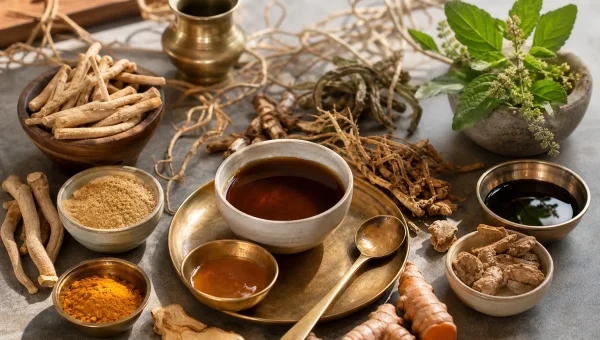
Punarnavadi Mandura is a major classical formulation for Pandu with swelling, heaviness, spleen involvement, digestive weakness, or Kapha-dominant features. Charaka describes a Punarnava Mandura preparation containing Punarnava, Trivrit, Trikatu, Vidanga, Devadaru, Chitraka, Kushtha, Haridra, Daruharidra, Triphala, Danti, Chavya, Kutaja, Pippali, Pippalimoola, Musta, and Mandura Bhasma. Official AYUSH medicine lists include Punarnavadi Mandura for Pandu, Shotha, and Pliharoga.
5. Deepana-Pachana Support: Trikatu, Triphala, Chitraka, and Musta
Ayurveda places strong emphasis on correcting Agni before attempting to build blood. Formulations such as Navayasa Churna include digestive and channel-clearing herbs like Shunthi, Pippali, Maricha, Musta, Vidanga, and Chitraka, along with Triphala and Lauha Bhasma. This reflects the classical principle that Rakta nourishment is not only a matter of intake, but also of digestion, assimilation, and unobstructed tissue metabolism.
Supporting Rasayana: Ashwagandha and Shatavari
Ashwagandha and Shatavari are not the primary classical hematinic medicines for Pandu, yet they may be selected as supportive Rasayana or nourishing herbs in appropriate patients. Ashwagandha is traditionally used for strength, restoration, stress-related depletion, and sleep support, while Shatavari is used in women’s nourishment and postpartum or lactation contexts. Heavy menstrual bleeding, postpartum anemia, pregnancy, unexplained fatigue, or persistent weakness must be evaluated medically rather than managed with tonics alone.
The Pandu Roga Diet: Building Blood Through Food
Diet is central in Pandu because the same foods that aggravate Pitta, dull Agni, obstruct channels, or weaken tissue formation can also interfere with recovery. Charaka advises abandoning causative foods and tailoring treatment by dosha: unctuous support for Vata, bitter and cooling measures for Pitta, pungent-bitter-warming measures for Kapha, and mixed treatment for combined dosha patterns.
Foods to Emphasize
A practical Pandu diet should include digestible, warm, freshly prepared foods that support Agni, provide iron and folate, and pair plant iron with vitamin-C-rich foods where appropriate. The exact plan should be adjusted for digestion, dosha, appetite, bowel habit, pregnancy status, and the cause of anemia.
| Food Category | Specific Items | Ayurvedic and Nutritional Rationale |
|---|---|---|
| Iron-containing plant foods | Lentils, mung dal, chickpeas, sesame seeds, garden cress seeds, cooked leafy greens | Provide non-heme iron and other minerals; best used in forms that are well cooked and easy to digest. |
| Green leafy vegetables | Moringa leaves, fenugreek leaves, spinach, amaranth greens | Support micronutrient intake; moringa leaf powder is especially mineral-rich, though values vary by drying and processing. |
| Iron-enhancing companions | Amalaki, lemon, pomegranate, citrus fruits | Vitamin-C-rich foods support non-heme iron absorption when eaten with iron-containing meals. |
| Classical nourishing foods | Ghee in small amounts, warm soups, well-cooked grains, mung dal preparations | Support Agni and tissue nourishment without overburdening digestion. |
| Non-vegetarian options where culturally suitable | Meat soup or broth prepared lightly with digestive spices | Classical texts include meat soup in certain depleted states; modern nutrition recognizes heme iron from animal foods as more readily absorbed. |
Foods and Habits to Reduce or Avoid
Avoidance is as important as supplementation. In Pandu, food timing, food combinations, appetite, bowel function, and meal heaviness should be corrected before adding strong medicines.
- Excessively sour, salty, very hot, incompatible, or unsuitable foods, especially in Pitta-dominant presentations.
- Heavy, cold, stale, or overly oily foods when appetite and digestion are weak.
- Tea, coffee, cocoa, or strong tannin-rich drinks taken with iron-rich meals or iron medicines, because polyphenols and tannins can reduce non-heme iron absorption.
- Clay, soil, chalk, or other non-food substances; cravings for such substances require medical evaluation.
- Unsupervised use of iron tablets, Bhasma, or compound mineral medicines, especially during pregnancy, chronic disease, liver disease, kidney disease, or when taking other medications.
A Sample 12-Week Ayurvedic Framework for Iron-Deficiency Pandu
The following framework illustrates how a qualified practitioner may think through treatment for iron-deficiency-type Pandu. It is not a prescription. Blood tests, assessment of the cause of anemia, menstrual or gastrointestinal history, diet review, pregnancy status, medication review, and red-flag symptoms must be evaluated before choosing medicines.
- Weeks 1-2: Agni and Ama correction. The first phase emphasizes regular warm meals, removal of incompatible and aggravating foods, correction of constipation or loose stools, and gentle Deepana-Pachana support when appropriate. Strong heating herbs are avoided or modified in Pitta-dominant patients, pregnancy, active bleeding, or burning symptoms.
- Weeks 3-8: Rakta-building phase. After digestion is stable, the practitioner may introduce a suitable formulation such as Dhatryavaleha, Navayasa Lauha, Lauha Bhasma-based medicine, Mandura preparation, or Punarnavadi Mandura. Selection depends on whether the presentation is dry and depleted, hot and yellowish, heavy and swollen, or mixed.
- Weeks 9-12: Consolidation and Rasayana support. When appetite, bowel function, strength, and blood parameters improve, treatment may shift toward maintaining diet discipline, continuing the most appropriate formula, and adding nourishing support such as ghee-based foods, Ashwagandha, or Shatavari where suitable.
Monitoring is important. A complete blood count, ferritin or iron studies when indicated, B12 and folate assessment where appropriate, and investigation of bleeding or malabsorption help prevent missed causes. If symptoms persist or blood values do not improve, the plan should be reassessed rather than simply increasing the dose of iron or herbs.
Lifestyle Adjustments and Supportive Practices
Charaka includes overexertion, suppression of natural urges, day sleep, sexual excess, worry, fear, anger, and grief among factors that can contribute to disease processes in Pandu. During symptomatic anemia, lifestyle should be restorative rather than depleting: regular sleep, warm meals at consistent times, light walking as tolerated, avoidance of strenuous exercise until medically cleared, and calming breath practices such as gentle alternate-nostril breathing may be used as supportive measures.
When to Seek Conventional Investigation
Ayurvedic management of Pandu Roga works best when it is paired with proper diagnosis of the underlying cause. Pallor and fatigue should not be treated by appearance alone, especially when symptoms are severe, anemia is recurrent, or there are signs of bleeding, pregnancy, chronic disease, or nutrient deficiency.
- Hemoglobin below 7 g/dL, or anemia with breathlessness at rest, chest pain, fainting, rapid heartbeat, or severe weakness.
- Pregnancy, postpartum anemia, heavy menstrual bleeding, black stools, blood in stool, vomiting blood, or unexplained abdominal symptoms.
- Unexplained weight loss, fever, night sweats, swollen lymph nodes, persistent loss of appetite, or chronic inflammation.
- Possible B12 or folate deficiency, especially with tingling, numbness, memory changes, tongue soreness, or macrocytosis on blood tests.
- Known hemolytic anemia, thalassemia, aplastic anemia, kidney disease, liver disease, iron overload, or anemia related to cancer or chronic disease.
- No improvement despite supervised treatment, dietary correction, and appropriate supplementation.
Final Thoughts from the Ayurvedic Perspective
Pandu Roga teaches that blood-building is not only about the amount of iron entering the body. It also depends on digestion, assimilation, dosha balance, tissue nourishment, food combinations, and the correction of habits that weaken Agni and Rakta Dhatu. A properly selected plan may include Lauha-based medicines, Mandura preparations, Dhatryavaleha, Punarnavadi Mandura, Deepana-Pachana herbs, Rasayana support, and a blood-building diet, but the right combination must be individualized.
Disclaimer: This article is for educational purposes only and is not a substitute for individualized medical diagnosis or treatment. Consult a qualified Ayurvedic practitioner and a licensed healthcare provider before starting herbs, supplements, iron therapy, Bhasma, or herbo-mineral formulations. Ayurvedic mineral preparations such as Lauha Bhasma and Mandura Bhasma must be used only under professional supervision. Severe anemia, pregnancy, unexplained bleeding, chest pain, fainting, breathlessness at rest, or hemoglobin below 7 g/dL requires urgent medical evaluation. Do not stop prescribed medication or delay conventional care without consulting your physician.
References
- Charaka Samhita — Pandu Chikitsa
- Hematology (hematology.org)
- Upayushsociety (upayushsociety.com)
- NIH Office of Dietary Supplements
- Wicworks (wicworks.fns.usda.gov)
- Iron Absorption: Factors, Limitations, and Improvement Methods (2022), PubMed Central
- Inhibition of non-haem iron absorption in man by polyphenolic-containing beverages (1999), PubMed
- Nutritional and Antioxidant Properties of Moringa oleifera Leaves in Functional Foods (2022), PubMed Central
- Enhancing the functional properties and nutritional quality of ice cream with processed amla (Indian gooseberry) (2015), PubMed Central
- Ayush (ayush.delhi.gov.in)
- NIH Office of Dietary Supplements
- A Double-Blind Randomized Clinical Trial for Evaluation of Galactogogue Activity of Asparagus racemosus Willd (2011), PubMed Central
- Mayoclinic (mayoclinic.org)
- Red Blood Cell Transfusion: 2023 AABB International Guidelines (2023), PubMed
- Merckmanuals (merckmanuals.com)
I was looking for a plain explanation of Anemia in Ayurveda. I appreciate that it does not oversell the result.
The Pandu Roga distinction between five types of anemia based on which dosha is involved is the kind of nuance that conventional hematology addresses through CBC subtypes but without the Agni layer. Is there any direct mapping between the Ayurvedic classifications and the iron deficiency, B12 deficiency, and chronic disease anemia categories in modern medicine?
The pomegranate and amla protocol for iron-rich anemia management is something I can confirm works based on 3 months of personal experience. Hemoglobin went from 9.2 to 11.4 with dietary changes and the prescribed herbs. My gynecologist was pleased and slightly puzzled.
The concern about synthetic iron supplementation causing constipation and gut irritation while not addressing absorption is well documented. The Ayurvedic approach of food-based iron with Agni correction seems more physiologically coherent but I wonder about timelines. At hemoglobin of 7.8, the emergency requires faster correction than a dietary approach alone may provide.
What is the Ayurvedic position on IV iron infusion for severe anemia where oral supplementation has failed? Is there a protocol for supporting recovery after IV infusion with Ayurvedic herbs or is the combination not recommended?
The agni-building phase before iron absorption is the insight that changed my anemia management. My previous protocol was throwing iron at the problem without addressing why my gut wasn’t absorbing it. Three months of triphala, ginger, and the dietary changes brought my ferritin up more than two years of supplements had.
What is the recommended time of day to take Loha Bhasma for best absorption?
The lotus seeds and sesame combination for Vata-type anemia is new to me. I have been managing anemia with standard leafy greens and pomegranate but the dryness and absorption issues the article describes for Vata anemia match my presentation exactly.
The contraindications section was important and often missing from similar articles
Avoiding tea with meals makes sense since tannins can cut iron absorption by half.
My mother had hemoglobin sitting around 8 for almost a year despite iron supplements. Her doctor kept telling her absorption was fine but nothing moved. After a family friend suggested adding small amounts of jaggery and pomegranate to her meals alongside the iron, her levels finally started climbing. I didn’t know then that Agni was likely the missing piece — this article gives me language for something I only observed.
I want to flag that severely anemic patients, particularly pregnant women, should be under medical supervision and may need IV or oral therapeutic iron alongside any Ayurvedic protocol. The wait time for purely dietary intervention at hemoglobin levels below 8 carries real risk.
Same here
It would be useful to see follow up data on hemoglobin levels after the twelve week period.
This is a fair point actually. I’ve noticed that Punarnava and Mandur Bhasma in particular vary wildly between brands in terms of color and smell, which makes me nervous about consistency. For someone trying to follow the Pandu Roga protocol at home without clinical guidance, how would you recommend they evaluate whether a supplier’s bhasma preparation is actually properly processed?
The advice around Anemia in Ayurveda is specific enough to be useful. Small daily changes are easier to follow than a perfect plan.
I tried a similar approach last year but without the specific sequencing. Wonder if that’s why it didn’t work
The cooking in iron kadai recommendation is something my mother always insisted on even after we got stainless steel cookware. She said the dal cooked in iron tasted different and was better for the blood. Both of those claims are actually correct from what I now know.
This makes sense for Anemia in Ayurveda. This is the kind of detail readers can test slowly.
The traditional context helps understand why it’s done this way. Not just ‘eat this herb’
Not skeptical about Ayurveda generally but some claims here need stronger evidence ✨
Adding pomegranate juice to my breakfast helped me feel less sluggish after a week.
The dosage range given is wide. Is there a way to determine where in the range I should start?
Thanks!
Will try
My hemoglobin was 8.4 and doctor prescribed iron tablets. Can I add Ayurvedic protocol alongside?
The distinction between Vataja and Pittaja Pandu helped me understand my own symptoms.
I have anemia but also acidity. The iron tonic herbs seem heating. Is there a gentler version?
What’s the typical duration of the treatment before reassessing?
Does this apply to children or only adults?
Including horsegram soup twice a week seems like an easy way to boost iron without supplements.
Does the Pandu protocol work for B12 deficiency anemia too or just iron-deficiency?
I appreciate how specific the instructions are compared to most Ayurveda articles
Can this be combined with modern medication or is it better standalone?
How long typically before seeing results with this approach?
Did this for 6 weeks exactly as described, going to update here with results
Is this suitable for elderly patients or does the dosage need adjustment?
started this 3 weeks ago, too early to say but the process itself feels right
The section on dosage was the most practically useful for me
Does this protocol change if someone is pregnant or breastfeeding? 🌿
Where do you recommend sourcing the herbs mentioned here in India?
good info, sharing with my father who has been looking for something like this
My doctor dismissed this as pseudoscience. Going to try it anyway and report back 🙏 नमस्ते
Shared this with my Ayurveda practitioner. She agreed with most points
Doing this
Can Ayurvedic iron herbs like Lauha Bhasma replace ferrous sulfate supplements? 💯
The vegetarian iron absorption problem the amla vitamin C pairing is practical and easy
Been following Ayurveda for 5 years and this article still taught me something new
Useful post
Useful post on Anemia in Ayurveda. Would be useful to see a short checklist next.
tbh wasnt expecting much from this but the specifics are actually helpful
Useful post on Anemia in Ayurveda. This is the kind of detail readers can test slowly.
Dates and jaggery have been my daily remedy since this article. Two months, hemoglobin up slightly धन्यवाद
Anyone else tried this for longer than 6 months? Wondering about long-term effects
The connection between gut health and this condition is the angle most allopathic doctors miss ✨
The Ayurvedic framing made this topic much easier to understand than the Western medical version
Would love a follow-up article going deeper on the herb preparation methods ✨
Is the morning or evening timing more important for this protocol overall?
This explains something I’ve experienced but couldn’t name. Good validation
The seasonal variation angle is underused in most health content. Good to see it here
Sorry off-topic but anyone here used Ayurveda for hair fall? Would love recommendations