
Red, itchy, watery eyes during pollen season are often described in modern medicine as allergic conjunctivitis. In Ayurveda, this symptom-pattern is commonly discussed under Abhishyanda, a classical eye disorder of Shalakya Tantra in which redness, watering, discharge, heaviness, itching, burning, or foreign-body sensation may appear according to the dominant dosha.
This article keeps the practical Ayurvedic focus: how to think about allergic eye flares through the Abhishyanda lens, which classical-style measures are safest for home support, which internal herbs are commonly used by practitioners, and when red eyes need urgent medical care rather than home management.
Understanding Abhishyanda in Ayurvedic Eye Care
Abhishyanda is described in Ayurvedic ophthalmology as a sarvagata netra roga, a disease affecting the eye as a whole rather than one tiny structure alone. Contemporary Ayurvedic teaching commonly correlates it with conjunctivitis-like presentations because both may involve redness, watering, itching, burning, swelling, discharge, and ocular irritation.
Classical Ayurvedic discussion recognises Abhishyanda according to dosha predominance:
- Vataja Abhishyanda: dryness, pricking pain, foreign-body sensation, roughness, and variable watering.
- Pittaja Abhishyanda: redness, heat, burning, yellowish discharge, and light sensitivity.
- Kaphaja Abhishyanda: itching, heaviness, swelling, coldness, stickiness, and thick white or mucoid discharge.
- Raktaja Abhishyanda: marked redness or congestion, burning, and greater sensitivity of the eye.
Seasonal allergic conjunctivitis often resembles the Kapha-dominant pattern because itching, lid puffiness, watery or stringy discharge, and heaviness are common. Many real cases are mixed Kapha-Pitta, especially when itching is accompanied by burning, redness, heat, or strong irritation.
Modern Allergic Conjunctivitis and the Ayurvedic View
Modern ophthalmology describes allergic conjunctivitis as an allergen-triggered immune response of the conjunctiva. Common triggers include pollen, dust mites, animal dander, mould, air pollution, and contact allergens. It commonly causes itching, redness, watering, swollen lids, burning, and stringy or watery discharge, and it may occur with sneezing, runny nose, or allergic rhinitis.
Ayurveda approaches this pattern by reducing local irritation, calming the aggravated dosha pattern, supporting the nasal and ocular channels, and avoiding food and lifestyle inputs that increase Kapha stickiness or Pitta heat. This does not replace antihistamine, mast-cell stabiliser, anti-inflammatory, antibiotic, or steroid eye medicines when those are medically indicated.
The Triphala Eye Wash Question: Use It Safely
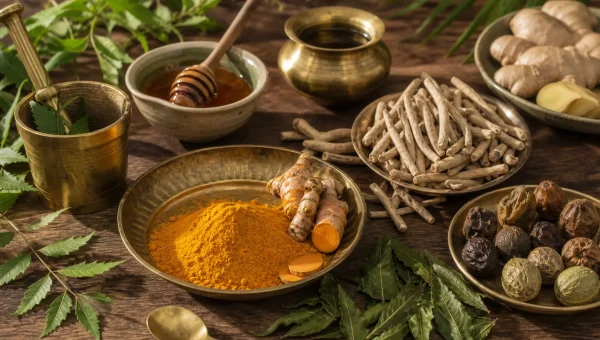
Triphala is the well-known three-fruit Ayurvedic formula made from Amalaki (Emblica officinalis), Bibhitaki (Terminalia bellirica), and Haritaki (Terminalia chebula). In Ayurvedic eye practice, Triphala-based preparations are used in practitioner-guided forms such as aschyotana or seka, and Triphala Ghrita has also been used in Ayurvedic clinical settings for Abhishyanda-like allergic eye symptoms.
The important correction is safety: a homemade herbal liquid should not be poured directly into the eyes unless a qualified practitioner has specifically instructed it and the preparation is suitable for ocular use. Any medicine placed into the eye must be sterile. Particles, contamination, excess concentration, wrong temperature, or repeated storage can worsen irritation or cause eye injury.
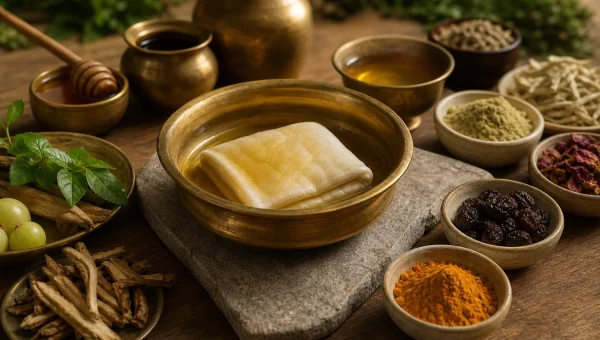
Safer Home Adaptation: Closed-Lid Triphala Compress
For home care, a closed-lid compress is safer than direct herbal eye irrigation. It keeps the herb preparation outside the eye while still offering a traditional cooling and cleansing support around the lids.
- Boil water and let it cool slightly in a clean cup.
- Add a small pinch to 1/4 teaspoon of good-quality Triphala powder to 200 ml hot water.
- Steep for 10-15 minutes, then filter very thoroughly through clean muslin or a paper coffee filter.
- Let the liquid cool to a comfortable lukewarm or cool temperature.
- Soak sterile gauze or a clean cotton pad, squeeze out excess liquid, and place it over closed eyelids for 5-10 minutes.
- Use a separate pad for each eye and discard the liquid after use.
During a mild seasonal flare, this closed-lid compress may be used once or twice daily for comfort. For direct eye drops, eye wash, aschyotana, seka, or medicated ghee in the eye, use only practitioner-prescribed preparations intended for ophthalmic use.
Five Ayurvedic Supports Commonly Considered
Ayurvedic herbs for eye allergy patterns should be selected according to dosha, digestion, constitution, age, pregnancy status, medications, and the exact eye diagnosis. The following are not a self-prescription list; they are common practitioner considerations for Kapha-Pitta eye irritation patterns.
1. Triphala
Triphala is central in Ayurvedic practice because it is used as a classical digestive, cleansing, and rasayana-style formulation, and Triphala-based ocular preparations appear in Ayurvedic eye-care practice. Internally, Triphala is often chosen when sluggish digestion, constipation, heaviness, or Kapha accumulation accompanies recurrent seasonal irritation.
2. Yashtimadhu
Yashtimadhu, or licorice root, is recognised in the Ayurvedic Pharmacopoeia as Glycyrrhiza glabra. In Ayurvedic practice it is valued for soothing irritated tissues, especially where Pitta heat and dryness are present. It should be used cautiously because oral licorice can raise blood pressure, lower potassium, and is not suitable for some people, especially during pregnancy, heart disease, kidney disease, hypertension, or diuretic use.
3. Haridra
Haridra, or turmeric, is recognised in the Ayurvedic Pharmacopoeia as Curcuma longa. In Kapha-Pitta patterns, it is traditionally used to support clear channels and reduce heat-sticky tendencies when taken appropriately through food or practitioner-guided formulations. High-dose curcumin supplements are different from culinary turmeric and should be discussed with a healthcare provider if you use blood thinners, have gallbladder disease, are pregnant, or take regular medication.
4. Nimba
Nimba, or neem, is a bitter Ayurvedic herb associated with heat-clearing and Kapha-Pitta balancing uses. Because neem can be strong and is not suitable for everyone, it is best reserved for practitioner guidance rather than casual daily use, especially in children, pregnancy, fertility planning, liver disease, or complex medication routines.
5. Punarnava
Punarnava, recognised in the Ayurvedic Pharmacopoeia as Boerhaavia diffusa, is commonly used in Ayurveda where swelling, fluid accumulation, heaviness, and Kapha involvement are prominent. In eye-allergy patterns, a practitioner may consider it when puffy lids and systemic water retention accompany the flare.
Practical Protocol Table
This table gives a conservative educational framework. Personal dosage and suitability should be decided by a qualified Ayurvedic practitioner or healthcare provider, especially for children, pregnancy, chronic disease, eye disease, or regular medications.
| Support | Preferred Safe Form | Typical Use Context | Important Safety Note |
|---|---|---|---|
| Triphala | Closed-lid compress at home; practitioner-prepared ocular product if used in the eye | Itching, heaviness, lid stickiness, seasonal Kapha-Pitta irritation | Do not put homemade, non-sterile herbal liquid directly into the eye. |
| Preservative-free artificial tears | Sterile ophthalmic lubricant drops | Allergen dilution, dryness, mild irritation | Use according to label; discard contaminated or expired drops. |
| Cold compress | Clean cool cloth or sterile gauze over closed lids | Itching, redness, puffiness, burning | Use separate cloths or pads for each eye. |
| Internal Triphala | Powder, tablet, or classical formulation | Constipation, heaviness, Kapha accumulation, seasonal recurrence | Avoid excess use if it causes loose stools, dehydration, or discomfort. |
| Yashtimadhu | Practitioner-guided tea, powder, or formulation | Pitta irritation with dryness or tissue sensitivity | Avoid or seek medical advice with hypertension, kidney disease, pregnancy, low potassium risk, or diuretic use. |
| Haridra | Food-level turmeric or practitioner-guided formulation | Kapha-Pitta seasonal tendency | Use caution with high-dose supplements, blood thinners, gallbladder disease, pregnancy, and regular medication. |
| Punarnava | Practitioner-guided powder, decoction, or formulation | Puffiness, swelling, heaviness, fluid tendency | Use professional guidance if kidney disease, pregnancy, diuretic use, or chronic illness is present. |
Ayurvedic Diet During Allergy Season
For Kapha-Pitta eye allergy patterns, food should be warm, light, freshly cooked, and easy to digest. This supports agni while avoiding excess heaviness, stickiness, and heat.
Reduce during active flares:
- Cold milk, ice cream, chilled drinks, and heavy dairy.
- Excess curd, sour fermented foods, vinegar-heavy foods, and very sour pickles.
- Deep-fried foods, refined sugar, bakery foods, and heavy late dinners.
- Very spicy, very salty, and very sour meals when burning and redness dominate.
- Alcohol and smoking exposure, which can irritate the ocular surface and aggravate heat.
Favour during the season:
- Warm cooked meals with mung dal, rice, barley, vegetables, and light soups.
- Gentle spices such as cumin, coriander, fennel, small amounts of turmeric, and fresh ginger according to tolerance.
- Cooked bitter greens and light vegetables when digestion is strong enough.
- Warm water sips through the day instead of iced drinks.
- Earlier dinners and adequate sleep to reduce eye strain and inflammatory load.
Rose Water: Use Only With Caution
Rose water is traditionally considered cooling and soothing, but cosmetic rose water is not the same as a sterile ophthalmic preparation. Do not put ordinary rose water directly into the eyes. If used at all, keep it outside the eye as a closed-lid cool compress, and avoid products containing fragrance, preservatives, colour, alcohol, or cosmetic additives.
Daily Practices That Help Prevent Flares
Seasonal allergic conjunctivitis is easier to calm before the flare becomes intense. Begin prevention before your usual pollen or dust-trigger season by reducing exposure, washing the face and eyelids after outdoor time, changing pillow covers frequently, avoiding eye rubbing, and using sterile preservative-free artificial tears when dryness or allergen exposure is high.
Ayurveda also gives importance to nasal care because the eyes and nose are anatomically and symptomatically linked in allergic rhinitis and conjunctivitis. Gentle nasal hygiene, steam only when appropriate, and practitioner-guided Nasya may be considered for recurrent seasonal patterns. Do not perform Nasya during acute fever, severe congestion, nosebleed, immediately after heavy meals, or without guidance if pregnant, medically fragile, or treating a child.
When to See a Doctor Immediately
Red eyes are not always allergy. Seek urgent medical care if you have vision changes, severe pain, strong light sensitivity, injury, chemical exposure, contact lens-related redness, a feeling of something stuck in the eye, one-sided severe redness, corneal haze, marked swelling, fever, green or yellow pus-like discharge, symptoms in an infant, or no improvement after a few days of careful management.
Allergic conjunctivitis is often manageable, but bacterial conjunctivitis, viral conjunctivitis, keratitis, uveitis, glaucoma, corneal abrasion, and contact lens complications can look similar at first and may require prompt treatment.
A Practical Seasonal Plan
Two weeks before your usual allergy season, shift to lighter warm meals, reduce cold and heavy Kapha-forming foods, improve sleep, change pillow covers more often, rinse the face after outdoor exposure, and keep sterile artificial tears ready. During mild flares, use cold compresses, closed-lid Triphala compresses if tolerated, avoid rubbing, and consult a practitioner for internal herbs if symptoms recur each season.
Disclaimer: This article is for educational purposes only. Eye symptoms should be evaluated by a qualified healthcare professional, especially when pain, vision change, photophobia, injury, contact lens use, pus-like discharge, or recurrent symptoms are present. Do not put homemade herbal preparations directly into the eyes. Consult a qualified Ayurvedic practitioner for personalised guidance.
References
- NCBI
- Allergic Conjunctivitis: Review of Current Types, Treatments, and Trends (2024), PubMed Central
- Aao (aao.org)
- CDC
- NCBI
- Internationaljournal (internationaljournal.org.in)
- Wjpmr (wjpmr.com)
- Therapeutic Uses of Triphala in Ayurvedic Medicine (2017), PubMed Central
- Ijam (ijam.co.in)
- Ijam (ijam.co.in)
- Internationaljournal (internationaljournal.org.in)
- FDA
- FDA
- Ia800501 (ia800501.us.archive.org)
- Ayurvedic Pharmacopoeia of India
- Ayurvedic Pharmacopoeia of India
- Ayurvedic Pharmacopoeia of India
- NCCIH
- Medsafe (medsafe.govt.nz)
- NCCIH
- Effect of curcumin on nasal symptoms and airflow in patients with perennial allergic rhinitis (2016), PubMed
- Mayoclinic (mayoclinic.org)
- Emergencycarebc (emergencycarebc.ca)
- Webmd (webmd.com)


Been using triphala for about 3 months now and the difference in how I feel is real. My practitioner said the same things this article covers so good to have it spelled out.
Where are the controlled trials? Personal anecdotes are useful context but they’re not evidence. I need to see RCT data before recommending this to patients.
Perennial allergic conjunctivitis here since childhood. April and May used to be genuinely disabling for me. The combination of Triphala wash and reducing Pitta in the diet during pollen season is the best protocol I’ve found in 20 years of managing this.
The connection between gut health and allergic eye disease reducing Ama to lower the systemic inflammatory burden is one that my ophthalmologist seemed unaware of. The Ayurvedic view of allergies as a systemic condition rather than a local eye problem is more accurate.
Is the Triphala wash appropriate for contact lens wearers? I need to know if there’s any interaction with soft lens material before trying this.
The rose water interim solution while the Triphala decoction cools pure rose water from a reputable source genuinely helps with the itching within minutes. It’s become my daily eye refresh even outside allergy season.
The immunomodulation claim that consistent use can reduce sensitivity over time needs more evidence. Reducing symptoms is different from reducing sensitization. These are distinct mechanisms and the article conflates them.
My optometrist confirmed that the Schirmer’s test on my dry-eye-plus-allergic-conjunctivitis eyes showed improvement after 3 months of Triphala wash. He called it an impressive result for a non-pharmaceutical intervention.
What’s the shelf life of the prepared Triphala decoction? If I prepare it in the morning, can I use it in the evening or do I need a fresh preparation each time?
How do you distinguish between a genuine healing response and placebo when monitoring progress with triphala? What objective markers should I track?
The Triphala wash sounds interesting, but I wonder how long the steep time should really be to avoid any particles.
I tried the eye cup method last allergy season and noticed less puffiness after a week.
Does anyone know if the neem compress can be used safely with contact lenses on?
The article makes a good point about starting the wash two weeks before peak season.
Curious about the dosage for internal Triphala; is 5g at bedtime too much for beginners?
The mention of Kapha-type symptoms matching spring allergies really clicked for me.
I’ve read that rose water can irritate eyes if it contains preservatives, so checking purity seems essential.
Trying the Nasya ghee drops before bed could be a simple addition to the routine.
I’m skeptical of the causal claims here. Symptom improvement after starting a protocol can easily be a placebo response or regression to the mean.
does anyone know if this works the same way for Kapha types? feels like the article is more Vata focused ❤️
replaced my antihistamine eyedrops with the Triphala wash during mild flare-ups. works well enough to reduce dependence on the drops
tried this for my allergic conjunctivitis but my eyes got more irritated initially. had to reduce frequency to once daily
the digestive angle makes sense to me but i’m curious about the topical applications mentioned briefly at the end ❤️
works!! been doin this 2 months n feeling much better tbh
The timeline expectations seem unrealistic for a chronic condition. Most patients I’ve spoken to report much longer recovery arcs.
Without knowing a patient’s Prakriti and Agni status, applying a generic protocol seems premature. This kind of generalized advice can actually cause harm.
2 weeks in n no change yet. maybe giving up soon
is it safe for contact lens wearers to use triphala wash? ✨
I notice the article doesn’t address interactions with thyroid medication. Is there a concern there?
this is the kind of detail u cant find anywhere else, other sites just give vague advice
Reading this later and the Approach to Allergic Conjunctivitis (Abhishyanda) advice still feels relevant. Small daily changes are easier to follow than a perfect plan.
honestly i’ve been doing this for 2 months and the results are underwhelming. might just be my body type
I started this protocol last month. Would it be acceptable to continue Triphala alongside it or would that be too much?
I tried a similar protocol for 6 weeks and saw no improvement. It may depend heavily on individual constitution.
Very helpful.
tried it, didnt work for me. maybe need proper vaidya supervision
Will try this.
Reading this later and the Approach to Allergic Conjunctivitis (Abhishyanda) advice still feels relevant. I appreciate that it does not oversell the result.
Reading this later and the Approach to Allergic Conjunctivitis (Abhishyanda) advice still feels relevant. This would be easier to follow with a one-week sample plan.
shared this with my mom, she has been struggling with this for years and finally has a proper plan
some of the herb names in english vs sanskrit are confusing, i ended up buying the wrong thing
The article would benefit from more rigorous sourcing. The studies referenced are mostly observational, not randomized controlled. 💯
Reading this later and the Approach to Allergic Conjunctivitis (Abhishyanda) advice still feels relevant. I would like to know how long to try it before judging results.
Reading this later and the Approach to Allergic Conjunctivitis (Abhishyanda) advice still feels relevant. The main idea is clear even if someone is new to Ayurveda.
does the Kapha-reducing diet in spring help with conjunctivitis specifically or just general allergy management? धन्यवाद
finally something that explains the dosage properly instead of just saying ‘take as needed’ 💯
The Approach to Allergic Conjunctivitis (Abhishyanda) explanation is clearer than most short posts. A few more examples would still help.
what brand of ashwagandha do you recommend? KSM-66 or Sensoril or just regular churna?
finding the herbs in my city is nearly impossible, the ones available are often low quality
what’s the recommended dose for someone with a Pitta constitution? the article mentions general ranges but i want to confirm
eyes so much less itchy this season. triphala wash is now my daily routine ✨
Just found this searching for alternatives to long-term medication. How does one find a qualified Ayurvedic practitioner to supervise this?
where do u buy quality herbs in India? the market stuff seems adulterated
the article recommends avoiding Pitta-aggravating foods during flare. does that mean complete avoidance or just reduction?
the Triphala eyewash has reduced my seasonal allergy eye symptoms significantly, doing it morning and evening during pollen season
tried this last month, honestly surprised how well it worked for me
the dose ranges seem very broad, like 1 to 3 grams is quite a big difference. would be more helpful with narrower guidance 🙌
The Approach to Allergic Conjunctivitis (Abhishyanda) explanation is clearer than most short posts. The main idea is clear even if someone is new to Ayurveda.
Is this protocol safe to follow alongside standard allopathic treatment, or does it need to be spaced out?
can kids take this? what age is safe
good artcle, bookmarked. will share w/ my doctor next visit
I appreciate the distinction between the acute and chronic management approaches. That nuance matters a lot.
The mechanism explanation is interesting. I would like to understand whether the effect diminishes with long-term use.
Been following this for 3 weeks and my energy levels are noticeably steadier throughout the day.