
Anuvasana Basti: Daily Oil Enema Therapy for Chronic Vata Depletion
Anuvasana basti is the unctuous, nourishing form of basti therapy in which medicated oil, ghee, or another fatty preparation is introduced through the rectal route. Its classical purpose is not forceful evacuation but snehana: lubricating, softening, and pacifying aggravated vata, especially when dryness, wasting, stiffness, and disturbed apana vata are prominent.
Among basti therapies, anuvasana is valued because it can be repeated more frequently than niruha basti in selected patients. This does not make it a casual daily home detox. Classical Ayurveda recommends it after assessing dosha, strength, age, agni, season, suitability, and the presence or absence of ama. It is especially appropriate when vata is aggravated with dryness and adequate digestive strength, and it is unsuitable when diarrhea, acute illness, low agni, active rectal disease, or other contraindications are present.
What Makes Anuvasana Different from Niruha
Anuvasana and niruha are both basti therapies, but their direction is different. Anuvasana is primarily unctuous and nourishing, while niruha is primarily decoction-based and cleansing. A complete basti plan often uses both, but the sequence, dose, and frequency must be individualized.
| Parameter | Anuvasana Basti | Niruha Basti |
|---|---|---|
| Medium | Medicated oil, ghee, or other unctuous substance | Herbal decoction prepared with honey, salt, oil or ghee, and herbal paste |
| Therapeutic direction | Snehana, nourishment, lubrication, vata pacification | Shodhana, elimination, cleansing, vata regulation |
| Usual quantity | Smaller quantity; classical teaching often relates it to a fraction of the niruha dose | Larger quantity; classical adult dose may be built up according to age and strength |
| Timing | Given after food or after the return of niruha followed by diet, depending on the schedule | Given after the previous meal has digested and when the patient is prepared |
| Patient selection | Dryness, pure vata predominance, strong digestion, need for oleation | Vata disorders needing cleansing, downward movement, and removal of obstruction |
| Clinical feel | Gentler, lubricating, less evacuative | More active, cleansing, and evacuative |
| Frequency | May be repeated daily in selected vata conditions under supervision | Usually alternated within a structured basti schedule |
The practical difference is simple: niruha basti is used when the physician wants a stronger cleansing action, while anuvasana basti is used when the physician wants oil, softness, and nourishment to stay with the patient rather than pass quickly through the bowel.
Why Anuvasana Is Central in Vata Management
Classical Ayurveda gives basti a special place in vata disorders because vata is closely connected with the pakvashaya region and the downward movement of apana vata. When vata becomes dry, rough, depleted, obstructed, or irregular, anuvasana basti delivers the opposite qualities: unctuousness, softness, warmth, stability, and downward regulation.
- Root-site vata pacification: Basti acts in the lower gastrointestinal region, which Ayurveda treats as central to vata regulation. Anuvasana applies sneha directly where dryness and irregular movement are often most evident.
- Snehana and brimhana: The oil or ghee base counters ruksha, khara, and laghu qualities of aggravated vata. This is why anuvasana is classically linked with nourishment after cleansing basti and with patients who need oleation rather than depletion.
- Support for apana vata: Dry stool, straining, gas retention, and irregular elimination are common expressions of disturbed apana vata. A properly selected oil basti can support downward movement without the harshness of repeated purgation.
- Local and systemic relevance of the rectal route: Modern pharmaceutics recognizes the rectal route for both local and systemic delivery, with partial avoidance of first-pass liver metabolism in some formulations. This supports careful dosing rather than casual overuse.
- Gut-nervous-system connection: The enteric nervous system contains hundreds of millions of neurons and communicates bidirectionally with the central nervous system. This provides a modern anatomical context for why therapies directed at the lower gut may influence comfort, autonomic tone, and the felt sense of calm.
Classical Indications
Anuvasana basti is best understood as a therapy for vata with dryness and depletion, provided digestion is strong enough and ama is not dominant. It is especially suited to patients who need lubrication, softness, and nourishment rather than stronger evacuation.
- Dry vata constitution or vata aggravation: Dry skin, dry stools, cracking joints, light sleep, stiffness, and a depleted appearance often point toward the need for sneha.
- Constipation with dryness: When stool is hard, dry, and difficult to pass, anuvasana may be used as part of a broader vata-pacifying plan.
- Udavarta and disturbed downward movement: Retention of flatus, irregular bowel movement, and upward-moving discomfort are classical basti indications when properly assessed.
- Low back, hip, sacral, thigh, knee, calf, heel, and foot pain with vata features: Pain that is dry, stiff, shifting, cracking, or worse with cold and exertion is treated within the larger category of vata disorders.
- Joint and bone stiffness: Sandhi and asthi-related vata conditions may require oleation, basti, diet, and external therapies together.
- Tissue depletion after prolonged illness or stress: When there is karshya, loss of strength, and dryness, anuvasana may be considered only after medical red flags are evaluated and agni is suitable.
- Vata-dominant reproductive depletion: Classical basti therapy is used in some vajikarana and garbhashaya-related protocols, but the oil, schedule, and suitability must be decided by a practitioner rather than by general self-treatment.
Oil Selection
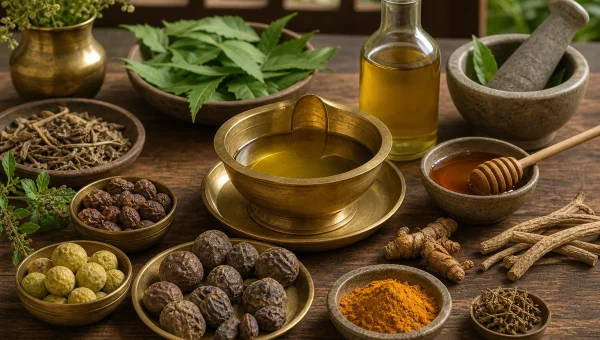
The oil used in anuvasana is not chosen randomly. A physician selects the sneha according to dosha, site of disease, strength, digestion, season, age, and the patient’s tolerance to oil. Plain sesame oil may be used in some vata patterns, while classical medicated oils are selected when a more specific action is needed.
| Sneha | Common Ayurvedic Use | Prescribing Logic |
|---|---|---|
| Tila taila | General vata dryness, dry constipation tendency, need for warmth and lubrication | Sesame oil is traditionally valued as a warming, unctuous base oil for vata-pacifying preparations |
| Vataghna-amla-siddha taila | Classical anuvasana after niruha in vata-predominant schedules | Oil processed with sour and vata-pacifying substances is described for nourishment after cleansing basti |
| Bilva taila | Vata-predominant anuvasana selection in classical basti context | Used when the physician wants a vata-directed oil rather than a general plain oil |
| Jeevaniya taila or nourishing ghrita-based sneha | Depleted or pitta-sensitive patients when oil selection must be gentler and more nourishing | The aim is to support tissue softness without provoking heat, heaviness, or digestive distress |
| Dhanvantaram taila | Musculoskeletal vata patterns, post-exertional stiffness, postpartum-style depletion, and body ache protocols | A traditional multi-herb sesame-oil formulation used in Kerala practice for vata affecting muscles, joints, and strength |
| Sahacharadi taila | Low back, hip, and lower-limb vata patterns when prescribed | Traditionally used for lower-body stiffness, radiating pain patterns, and vata in the legs and waist region |
| Ksheerabala taila | Neuromuscular vata patterns and depleted joint or nerve presentations when prescribed | A milk-processed bala and sesame-oil preparation used where nourishment, softness, and vata pacification are required |
The same oil is not suitable for every person. A patient with ama, loose stool, heaviness, fever, uncontrolled metabolic disease, active piles, or rectal bleeding may be harmed by oil basti even when the chosen oil is classical.
Administration Protocol
Anuvasana basti should be administered by a qualified practitioner or by a patient who has been personally trained and prescribed an exact oil, quantity, timing, and schedule. The procedure appears simple, but errors in timing, dose, temperature, nozzle handling, or patient selection can cause complications.
Timing
Anuvasana is not a fasting procedure. Classical instructions warn against giving it when the stomach is empty, and clinical practice commonly places it after food or within a structured basti schedule after niruha has returned and the patient has taken appropriate diet.
- It is usually given after a suitable meal, often after lunch or after the prescribed post-niruha meal.
- The patient should not be extremely hungry, exhausted, intoxicated, feverish, or distressed.
- The bowel and bladder should be emptied before the procedure when possible.
- Heavy, incompatible, or ama-producing food should be avoided before and during the basti course.
Preparation
The aim of preparation is to make the body receptive to sneha while avoiding strain. Mild external oleation and warmth are commonly used when appropriate, but strong heat, heavy massage, or aggressive preparation is avoided in weak or inflamed patients.
- The practitioner confirms that there is no diarrhea, fever, active rectal bleeding, severe abdominal pain, or other contraindication.
- The selected oil is warmed to a comfortable lukewarm temperature and checked before use.
- Gentle oil application may be done over the lower abdomen, sacrum, waist, hips, thighs, calves, or painful vata-dominant areas.
- Mild localized fomentation may be used when stiffness and coldness are present and pitta signs are not dominant.
Administration
Classical procedure places the patient in the left lateral position with the right leg flexed and the left leg extended. The anus and nozzle are lubricated, and the oil is introduced smoothly, without force, by a trained hand.
- The patient lies on the left side in a calm, private, warm setting.
- The nozzle is lubricated with the same or compatible oil.
- The oil is introduced slowly and steadily, avoiding pressure, pain, or rough handling.
- After administration, the patient rests briefly on the side and then lies supine.
- A pillow may be placed under the pelvis when appropriate, and gentle massage of the feet, calves, or painful vata areas may be used.
- The patient avoids immediate exertion, cold exposure, anger, suppression of natural urges, heavy meals, and sexual activity during the active treatment period.
Retention and Return
Anuvasana is intended to be retained longer than niruha, but retention is not forced. Early return, pain, burning, bleeding, abdominal distension, nausea, fever, or severe urgency means the plan must be reassessed immediately.
A comfortable feeling of lubrication, reduced dryness, easier flatus, softer stool, and lighter vata discomfort are favorable signs. Repeated early expulsion may indicate unsuitable dose, timing, oil, digestion, or dosha state. Delayed discomfort or inability to pass stool or gas should be evaluated rather than treated with repeated oil on one’s own.
Treatment Schedules
Anuvasana may be used alone or as part of a structured basti course. The schedule depends on the patient’s strength, disease stage, dosha, agni, age, and response to previous basti. Daily administration is a classical option only in selected vata cases, not a universal recommendation.
- Yoga basti: An 8-basti schedule commonly described as five anuvasana bastis and three niruha bastis, often beginning and ending with anuvasana.
- Kala basti: A 16-basti schedule commonly described as ten anuvasana bastis and six niruha bastis, adjusted by lineage and clinical judgment.
- Daily anuvasana course: Used in selected aggravated-vata presentations such as marked dryness, strong digestion, regular exertion, or udavarta, provided contraindications are absent.
- Supportive maintenance: Occasional anuvasana may be prescribed for chronic vata tendency, but the frequency should be periodically reviewed rather than continued indefinitely by habit.
Home Administration: A Safer Practical Framework
Home anuvasana should be treated as a prescribed therapy, not as a wellness experiment. It is appropriate only after the practitioner has demonstrated the method, selected the oil, fixed the dose, explained warning signs, and confirmed that the patient has no medical or Ayurvedic contraindication.
- Use only the oil and quantity prescribed for your condition, strength, and digestion.
- Use clean equipment reserved for this purpose, and do not share it with others.
- Warm the oil gently; never use hot oil.
- Do not administer basti when feverish, weak, nauseated, intoxicated, fasting, having diarrhea, or experiencing rectal pain or bleeding.
- Stop immediately if there is sharp pain, burning, bleeding, dizziness, severe abdominal swelling, or inability to pass stool or gas.
- Keep the treatment day simple: warm food, warm water, rest, and avoidance of cold, wind, heavy exercise, late nights, and incompatible foods.
- Report early expulsion, excessive heaviness, loose stools, or worsening symptoms before repeating the next dose.
A practical home plan may be safe only when it is narrow and specific: the exact oil, amount, meal timing, number of days, and stop rules should be written down. “More oil” and “more frequent basti” are not automatically better in vata disorders.
Modern Context for Rectal Oil Delivery
The rectal route is recognized in pharmaceutics for local treatment and for systemic delivery in selected formulations. Absorption can vary with the substance used, the condition of the mucosa, rectal contents, retention, blood flow, and formulation design, so Ayurvedic caution around dose and patient selection remains important.
Oil-based rectal application also has a local lubricating role, which aligns with the Ayurvedic use of sneha for dryness and hard stool. Modern anatomy and pharmacology do not replace classical diagnosis, but they support the practical point that rectal therapies are active interventions and should not be used casually.
Contraindications
Anuvasana basti is inappropriate when the body cannot digest, tolerate, retain, or properly respond to oil. Contraindications must be taken seriously because the same unctuous therapy that benefits dry vata can aggravate ama, kapha, pitta, infection, bleeding, or metabolic instability.
- Ama or low agni: Thick tongue coating, heaviness after meals, nausea, foul belching, undigested stool, and sluggish digestion require correction before oil basti.
- Diarrhea, dysentery, or active loose stools: Oil basti can worsen instability and should be avoided.
- Acute fever or acute infection: Anuvasana is not suitable during acute febrile illness.
- Active piles, rectal bleeding, fissure pain, or anal inflammation: The rectal route should not be used until properly evaluated and treated.
- Jaundice, severe anemia, prameha or uncontrolled diabetes, and significant urinary-metabolic disorders: These require medical assessment and close professional judgment.
- Severe abdominal pain, ascites, abdominal mass, obstruction symptoms, or unexplained weight loss: These are red flags requiring medical evaluation before any basti.
- Immediately after emesis, purgation, surgery, childbirth complications, or severe depletion: Timing and suitability must be decided by a practitioner.
- Pregnancy, anticoagulant use, inflammatory bowel flare, recent rectal procedure, or serious chronic disease: Do not attempt self-administered basti without medical clearance.
A Typical Clinical Pattern
A classic anuvasana candidate is a vata-dominant person with dry hard stool, gas retention, cracking joints, stiffness in the low back or hips, poor sleep from discomfort, dry skin, and a depleted appearance, while appetite and digestion remain reasonably strong. Such a patient may need oleation, warm food, rest, vata-pacifying routine, and a carefully prescribed basti course rather than repeated laxatives or harsh cleansing.
By contrast, a person with the same constipation plus coated tongue, heaviness, nausea, loose stools alternating with constipation, fever, bleeding, uncontrolled diabetes, or unexplained weight loss is not a simple anuvasana candidate. In that situation, the first step is medical evaluation and correction of ama, inflammation, or underlying disease.
Key Takeaway
Anuvasana basti is one of Ayurveda’s most important nourishing interventions for dry, depleted, vata-predominant states. Its strength lies in its simplicity: warm, appropriate sneha given through the basti route at the right time to the right patient. Its risk also lies in that simplicity, because oil, dose, timing, and patient selection must be correct.
Medical Disclaimer: This article is for educational purposes only. Basti therapy should be prescribed and initially supervised by a qualified Ayurvedic practitioner. Chronic constipation, unexplained weight loss, rectal bleeding, abdominal pain, chronic pain, infertility, and systemic weakness require proper medical evaluation. Do not begin self-administered enema therapy without professional guidance, especially if pregnant, taking medication, managing diabetes or another chronic illness, using blood thinners, or having rectal, bowel, liver, kidney, or abdominal disease.
Nothing in this article diagnoses or treats a medical condition. Use it as educational information and consult a qualified Ayurvedic practitioner or physician before starting herbs, supplements, detoxes, or therapeutic protocols.
References
- Charaka Samhita — Panchakarmiya Siddhi
- Charaka Samhita — Bastisutriyam Siddhi
- Charaka Samhita — Asthapana basti
- Ijapr (ijapr.in)
- Ijraps (ijraps.in)
- The GC-MS Study of the Ayurvedic Formulation “Dhanwantharam Thailam” Used for Rheumatism (2024), PubMed Central
- Easyayurveda (easyayurveda.com)
- Skmsiddha (skmsiddha.com)
- Wjpmr (wjpmr.com)
- Physiological and Pharmaceutical Considerations for Rectal Drug Formulations (2019), PubMed Central
- Pharmacokinetics of rectal drug administration, Part I. General considerations and clinical applications of centrally acting drugs (1991), PubMed
- The Enteric Nervous System and Its Emerging Role as a Therapeutic Target (2020), PubMed Central
- Gut feelings: the emerging biology of gut-brain communication (2011), PubMed Central
- Hopkinsmedicine (hopkinsmedicine.org)
- Betterhealth (betterhealth.vic.gov.au)
can someone with a strong Pitta constitution follow this or are modifications needed
good point, the article doesn’t address that
Have u tried adjusting the dose
@reply yes but results vary a lot from person to person
@Mohan yeah same
anuvasana basti for vata issues after 8 sessions at an Ayurvedic clinic my chronic lower back pain reduced significantly.
The explanation of why anuvasana basti can be repeated daily while niruha basti cannot was something I hadn’t seen clearly laid out before. The logic around oil retention and tissue nourishment makes a lot of sense once it’s explained this way.
That’s true, and from what I understand the oil used matters a lot too — sesame versus medicated tailas like bala ashwagandha can give quite different outcomes even for the same vata presentation.
True, and I think the type of oil plays into that variability too. Was the person you’re thinking of using plain sesame or a medicated taila? It might explain some of the difference in outcomes.
finally an article that explains the classical text basis rather than just listing herbs. ❤️
Same here. There’s so much content that just says ‘use sesame oil for vata’ without explaining the reasoning from Charaka or Ashtanga Hridayam. Having the classical grounding makes it easier to understand why certain modifications are made for individual cases.
how do I source quality herbs for this? most local shops sell low-grade material.
Same experience here actually
tried a similar protocol 6 months back. results were modest at best and I was consistent.
Curious which oil preparation you were working with. The article mentions mahanarayana tailam as commonly used but I’ve also seen references to ksheerabala — wondering if one is generally preferred over the other for chronic vata depletion.
Three weeks is a solid run. Did you notice any difference between days when you retained the oil longer versus shorter? I’m trying to understand how much the retention duration actually affects the outcome.
anuvasana basti should be very clearly clinic guided. daily oil enema sounds easy but isnt
finally an article that explains the classical text basis rather than just listing herbs.
respectfully, most of these claims need larger RCTs before we can say they’re validated.
shared this with my Ayurveda practitioner and she confirmed the approach is sound.
That’s reassuring to hear. Did she have anything to add about the retention time? The article suggests holding for a certain duration but I wasn’t sure if that’s a fixed recommendation or adjusted based on the individual.
i find the dosage guidance vague. ‘appropriate amount’ is not helpful for someone measuring at home.
not disputing Ayurveda has value but articles like this sometimes overstate efficacy.
very practical protocol. tried a modified version for a week and already feeling a difference.
Is anuvasana basti something that can realistically be self-administered at home, or does it really need to be done in a clinical setting? The article covers the theory well but I’m wondering about the practical side for people who don’t have easy access to a vaidya.
basti for vata depletion, is there a specific sequence to follow or can it be standalone
how long before results become noticeable with this protocol? my patience has limits tbh
chronic vata depletion is a good phrase for dry weak constipation type cases
the article would be stronger with a clear ‘when to see a doctor’ section. some of these conditions need medical clearance.
good point
the preparation method described here is exactly what my grandmother used to make. brings back memories.
is there a simplified version for beginners who dont have access to all these herbs
@Pooja i think it depends on your constitution tbh
The distinction between anuvasana basti and niruha basti was the clearest part for me, especially the contrast between nourishment and cleansing.
panchakarma at most clinics in India is done too quickly now. the traditional 7-21 day protocols are rarely followed.
@reply Thanks for sharing that, useful to know
does this protocol change during monsoon season? I’ve heard Ayurvedic timing is seasonal
i had the same question
u mention this is safe but what about drug interactions with common meds like bp tablets
is there a simplified version for beginners who don’t have access to all these herbs
great to see peer-reviewed studies referenced alongside classical texts. makes it easier to trust.
can someone with a strong Pitta constitution follow this or are modifications needed ✨
@Eric Thanks for sharing that, useful to know
what’s the source text for this recommendation Charaka Samhita or Ashtanga Hridayam
Finally!
is this appropriate for elderly patients above 70 or should the dosages be reduced
Interesting that sesame oil and Dhanwantaram taila are framed so differently here. How do you decide which oil fits a patient best in day to day practice?
after 3 basti sessions I felt more depleted not less. maybe it wasn’t the right time for my constitution.
is this appropriate for elderly patients above 70 or should the dosages be reduced ✨
basti for vata depletion, is there a specific sequence to follow or can it be standalone 🙌
what decides the oil basti dose? body strength must matter a lot