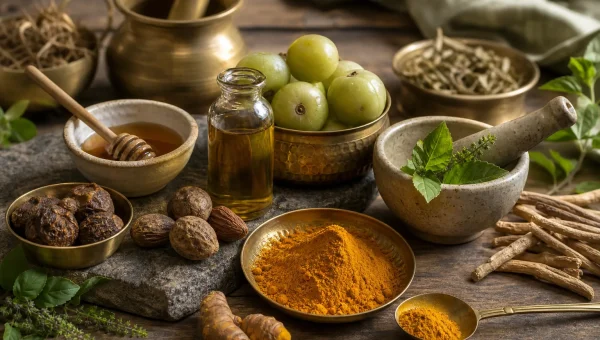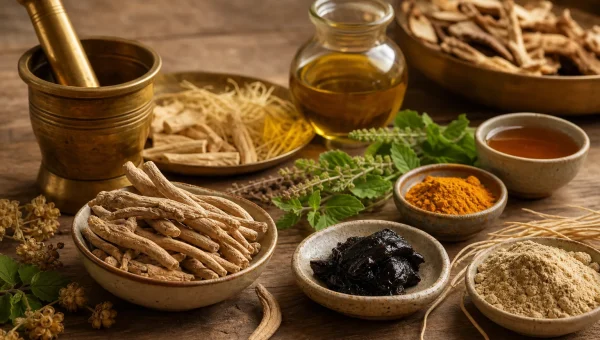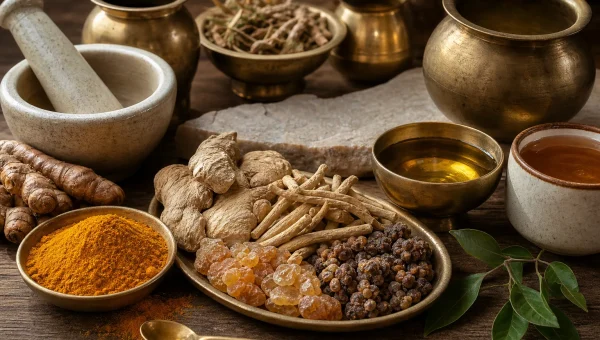
Here’s something most gym guys don’t talk about: winter recovery is different from summer recovery. The same workout that had you bouncing back in 36 hours during June leaves you sore for four days in December. Your joints ache more. Your muscles feel tighter. That post-leg-day walk down stairs becomes genuinely embarrassing.
It’s not in your head. It’s Vata season.
Cold, dry weather increases Vata dosha systemically. Vata governs movement, nerve conduction, and circulation. When it’s aggravated, blood flow to muscles slows, waste products (lactic acid, inflammatory metabolites) clear more slowly, and the nervous system’s ability to downshift into recovery mode gets compromised. Add gym-induced micro-trauma to muscles that are already cold and tight, and you’ve got the perfect storm for delayed recovery, stiffness, and increased injury risk.
I’ve trained through 15 winters. Here’s the Ayurvedic post-workout recovery system I’ve built, tested, and refined for cold-weather training.
The Post-Workout Window: First 90 Minutes
Step 1: Warm Oil Abhyanga (15 Minutes)
This is the single most effective recovery tool I use, and it costs about Rs. 50 per session. Forget cryotherapy chambers and compression boots. Warm oil massage after training has been the standard in Indian wrestling (Kushti) and martial arts for centuries, and the physiology backs it up.
Oil choice for winter gym recovery:
- Mahanarayan Taila: My top pick. Contains Ashwagandha (Withania somnifera), Shatavari (Asparagus racemosus), Bala (Sida cordifolia), and 20+ anti-inflammatory herbs in a sesame oil base. Warm 30-40 ml in a small steel bowl placed in hot water.
- Sesame oil (plain): If Mahanarayan isn’t available, plain organic sesame oil at 40°C works. Sesame is the most Vata-pacifying oil in Ayurveda, and its natural sesamol content has documented anti-inflammatory properties.
How to apply:
- Shower first with warm water (not hot). Get the muscle surface clean.
- Apply warm oil to every muscle group you trained. Use long strokes on limbs (toward the heart), circular motions on joints.
- Spend extra time on quads, hamstrings, and lower back after leg day; shoulders and upper back after push/pull day.
- Leave the oil on for at least 20 minutes. Don’t wash it off immediately. Let the skin absorb it.
- If needed, take a second quick warm shower to remove excess oil, using minimal soap only on underarms and groin.
A study in the Journal of Ayurveda and Integrative Medicine (2011) evaluated oil massage (Abhyanga) for post-exercise recovery and found significant reductions in perceived muscle soreness and improvements in grip strength at 24 and 48 hours compared to no-massage controls (PubMed).
Step 2: Post-Workout Meal (Within 45 Minutes)
Winter recovery nutrition is not summer recovery nutrition. Your body needs more fat, more warmth, and more grounding than a cold protein shake can provide.
My winter post-workout meal template:
| Component | Food | Amount | Why |
|---|---|---|---|
| Protein | Eggs (whole) or paneer | 3 eggs or 100 g paneer | Complete amino acids; fats support Vata |
| Carbohydrate | Basmati rice or sweet potato | 1 cup cooked | Glycogen replenishment; warm and grounding |
| Fat | Ghee | 1 tablespoon | Lubricates joints, carries nutrients, calms Vata |
| Spice | Turmeric + black pepper + ginger | 1/2 tsp each | Anti-inflammatory; piperine enhances curcumin absorption by 2000% |
| Liquid | Warm milk or bone broth | 200 ml | Tissue repair, hydration, warmth |
Skip the cold smoothies. Skip the room-temperature protein shakes. In December, your Agni (digestive fire) is naturally strong, but cold food extinguishes it. Everything you eat post-workout during winter should be warm or hot.
Step 3: Herbal Recovery Stack
I take these within 30 minutes of my post-workout meal:
- Ashwagandha (Withania somnifera): 600 mg KSM-66 extract. The most-studied Ayurvedic herb for athletic recovery. A 2015 RCT in the Journal of the International Society of Sports Nutrition found that 600 mg/day Ashwagandha improved muscle strength, recovery, and reduced exercise-induced muscle damage biomarkers (creatine kinase) in healthy men over 8 weeks (PubMed).
- Shatavari (Asparagus racemosus): 500 mg. Anti-inflammatory, supports tissue hydration, mildly anabolic.
- Shilajit: 300 mg purified resin with warm water. Rich in fulvic acid, which enhances mitochondrial function. A 2019 study in Journal of Medicinal Food found that Shilajit supplementation maintained muscular strength and serum hydroxyproline after fatiguing exercise (PubMed).
- Turmeric extract (Curcumin): 500 mg with piperine. Multiple RCTs confirm curcumin reduces DOMS (delayed onset muscle soreness) by 20-40%. A 2015 meta-analysis in the European Journal of Applied Physiology reviewed 8 trials and confirmed moderate-to-large effects on post-exercise pain reduction (PubMed).
Evening Recovery: The Hours That Matter Most
Muscle repair happens while you sleep. Winter nights are long, which is actually an advantage if you use them correctly.
Pre-Sleep Protocol
- 8:30 PM: Warm milk with 1/2 teaspoon Ashwagandha and a pinch of nutmeg. The tryptophan in milk combines with Ashwagandha’s GABA-ergic effects to promote deep sleep. Nutmeg (Jatiphala) is a mild sedative at small doses (1/8 to 1/4 teaspoon).
- 9:00 PM: Apply Bala Taila or Mahanarayan Taila to the soles of your feet. 5 ml per foot, massaged in for 2 minutes. This grounds Vata at its primary seat (feet) and promotes sleep quality.
- 9:30 PM: Lights out. Room at 18-20°C. No screen exposure for the previous 45 minutes.
A 2012 study in PLOS ONE showed that massage improved sleep quality metrics (sleep efficiency, wake-after-sleep-onset) in adults with muscle soreness, independent of pain reduction (PubMed).
Weekly Recovery Rituals
Sunday Abhyanga (Full Body)
Once per week, do a full-body Abhyanga with 100 ml warm Mahanarayan Taila or sesame oil. This isn’t the quick post-workout version. This is 30-40 minutes of systematic massage covering every joint and muscle group. Follow with a warm bath. The Charaka Samhita recommends weekly Abhyanga as a core Dinacharya (daily routine) practice, and during winter, it’s non-negotiable for athletes.
Steam (Swedana) After Abhyanga
If you have access to a steam room at your gym, use it after your weekly oil application. 10-15 minutes in steam after Abhyanga opens the Srotas (channels), allowing the herbal oil to penetrate deeper into Mamsa Dhatu (muscle tissue). Keep your head cool with a cold towel. The Panchakarma tradition of combining Abhyanga with Swedana exists precisely because the two are more effective together than either alone.
Common Winter Recovery Mistakes
- Ice baths in winter: Cold immersion therapy has its place in summer or after heat-dominant training. In winter, it hammers Vata and causes vasoconstriction that slows nutrient delivery to damaged tissue. If you love cold exposure, limit it to 30-second cold finishes at the end of a warm shower, not full ice baths.
- Skipping warmups: A 5-minute warmup in July might be enough. In December, you need 10-15 minutes minimum. The 5-minute joint preparation warmup is a starting point; double it in cold weather.
- Training fasted in winter: Fasted training works for some people in warmer months. In winter, it depletes glycogen too fast and aggravates Vata. Eat a small warm meal (oatmeal with ghee, or 2 eggs) at least 60-90 minutes before training.
- Ignoring hydration: You sweat less visibly in cold weather but still lose significant fluid through respiration (your visible breath is moisture leaving your body). Drink warm water throughout the day, at least 2 liters. Add 1/4 teaspoon of ajwain (carom seeds) to a thermos of hot water for digestive support.
The Recovery Stack Summary
| Timing | Action | Duration/Dose |
|---|---|---|
| Immediately post-workout | Warm shower + Abhyanga with Mahanarayan Taila | 15 minutes, 30-40 ml oil |
| Within 45 minutes | Warm meal (protein + carbs + ghee + spices) | 500-600 calories |
| With post-workout meal | Ashwagandha 600 mg + Shatavari 500 mg + Shilajit 300 mg + Curcumin 500 mg | Daily on training days |
| 8:30 PM | Warm milk with Ashwagandha + nutmeg | 200 ml milk, 1/2 tsp Ashwagandha |
| 9:00 PM | Foot Abhyanga with Bala Taila | 5 ml per foot, 2 minutes |
| Weekly (Sunday) | Full-body Abhyanga + Steam | 40 minutes oil + 15 minutes steam |
For men over 50 looking to combine this recovery approach with a testosterone support protocol, the Shukra Dhatu rebuilding plan integrates seamlessly with this recovery framework since many of the herbs overlap.
For a deeper understanding of how Balya herbs support strength training specifically, that article covers the full range of Ayurvedic performance herbs beyond what I’ve listed here.
The American College of Sports Medicine physical activity guidelines provide the evidence base for exercise recovery protocols. The Examine.com curcumin review covers the DOMS evidence in detail. For cold weather training physiology, a review in the British Journal of Sports Medicine (2012) covered thermoregulatory responses to exercise in cold environments (PubMed).
Recovery isn’t passive. It’s an active process that requires the same discipline you bring to the training floor. In winter, that process needs to be warmer, oilier, and more deliberate than any other season. The men who train hardest and recover smartest are the ones still lifting heavy in their 50s and 60s without joint replacements. That’s the long game. Play it.
Disclaimer: This article is for informational purposes only and not a substitute for professional medical advice. Consult a qualified Ayurvedic practitioner or healthcare provider before starting any new health regimen.