Triathlon Ayurvedic Recovery Dosha: Three Sports, Three Recovery Priorities
Triathlon ayurvedic recovery dosha analysis is useful because a race does not stress the body in one uniform way. The swim, bike, and run bring different qualities: cold and wet exposure in the swim, wind, vibration, repetition, and fixed posture on the bike, then heat, impact, and depleted movement on the run. Classical Ayurveda describes Vata through dry, cold, light, mobile, subtle, clear, and rough qualities; Pitta through hot, sharp, liquid, and mobile qualities; and Kapha through heavy, cold, soft, unctuous, stable, and cohesive qualities. Recovery becomes more precise when the athlete matches food, fluids, rest, oiling, warmth, and cooling to the qualities that dominated each phase.
The practical pattern is this: the swim tends to create a cold-wet Kapha field while disturbing Vata through exertion and rapid transition; the bike loads Vata through speed, wind, vibration, repetitive motion, and seated pressure; and the run adds Pitta-Vata stress through heat, solar exposure, impact, and the demand to keep moving after the first two disciplines. This is an applied Ayurvedic lens, not a substitute for a coach, sports physician, hydration plan, or race-day nutrition plan.
Phase 1 Analysis: The Swim (Cold-Wet Exposure, Kapha Quality and Vata Transition)
The swim is best understood as a cold-wet exposure followed by an abrupt transition. Cold and water share qualities that overlap with Kapha, while exertion, sensory intensity, and the fast shift into T1 can disturb Vata. The recovery priority after the swim is therefore not heavy feeding; it is drying, warming, mobilizing stiff areas, and entering the bike with stable breath and stable digestion.
Race-day implementation should follow the athlete guide and official wetsuit rules because wetsuit use is governed by water temperature and race distance. Ayurveda can sit inside that rule set: keep the pre-swim routine warm, familiar, and non-slippery; never apply oil to hands, feet, goggles, or any contact point that could affect safety; and do not introduce a new warming herb, drink, or supplement on race morning.
Pre- and post-swim protocol: Use warm sesame-oil abhyanga on the evening before a cold swim, or after the session once the body is dry, focusing on shoulders, chest, low back, hips, knees, and ankles. If oiling before an open-water swim is allowed and already tested, keep it minimal and away from grip areas. Tila Taila is classically unctuous, warming, subtle, and Vatahara, so its best role is to counter the rough, cold, mobile qualities that accumulate around cold-water training and transition stress.
Phase 2 Analysis: The Bike (Progressive Vata Load)
Cycling is the strongest Vata-loading phase because it combines speed, air movement, repetitive cadence, road vibration, and prolonged flexed posture. In Ayurvedic terms, the bike repeatedly adds mobile, light, subtle, and rough qualities; in sports terms, athletes need to manage fueling, hydration, bike fit, saddle pressure, back comfort, and hand or foot numbness before these small stresses become race-limiting.
| Triathlon Segment | Primary Dosha Pattern | Common Recovery Signals | Recovery Priority |
|---|---|---|---|
| Swim | Cold-wet Kapha quality with Vata transition stress | Stiff shoulders, peripheral cold, breath tension | Dry, warm, mobilize, stabilize digestion |
| Bike | Vata load from wind, vibration, repetition, posture | Back tightness, numbness, unsettled stomach, scattered focus | Warmth, snehana, bike fit, steady nutrition |
| Run | Pitta heat with continued Vata movement | Overheating, thirst, nausea, heavy legs, irritability | Cooling, pacing, fluids, sodium, digestible fuel |
| Post-race | Vata-Pitta depletion with digestive variability | Soreness, appetite changes, poor sleep, mental fatigue | Easy digestion, sleep, oiling, gradual return |
On-bike nutrition with Ayurvedic adaptation: Keep the sports-nutrition base intact: a practiced carbohydrate, fluid, and sodium plan. Many long-course endurance athletes use roughly 60-90 g carbohydrate per hour when the gut has been trained and the product mix is tolerated. The Ayurvedic refinement is not to replace that plan with herbs; it is to reduce Vata aggravation around it: avoid unnecessary iced drinks in cold conditions, keep the torso and hands warm, use familiar foods only, and choose textures that are easy to swallow and digest at race intensity.
Phase 3 Analysis: The Run (Pitta-Vata Compound Stress)
By the run, the athlete is no longer starting fresh. The Vata load of swim transition and cycling is already present, and the run adds Pitta through metabolic heat, solar exposure, thirst, and the irritability that can come with overheating. Impact and continued motion keep Vata involved. This is why the run-phase recovery strategy must be both cooling and grounding: manage heat without collapsing digestion, and restore rhythm without forcing heavy food too soon.
Run cooling protocol: Use aid-station cooling as the race permits: water over the head or neck, shaded walking breaks when needed, and cold towels or ice only if they do not trigger cramps, dizziness, or gastrointestinal upset. Cooling the head, face, or neck can improve thermal comfort for athletes in heat, but it should be practiced before race day and paired with appropriate fluid and sodium intake. After the finish, shift toward warm, easy-to-digest food once nausea settles, while using cooling Pitta foods and drinks that the athlete already tolerates.
The Herb Stack for Triathlon Recovery
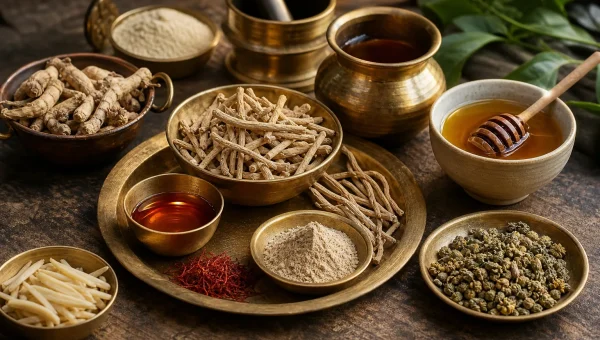
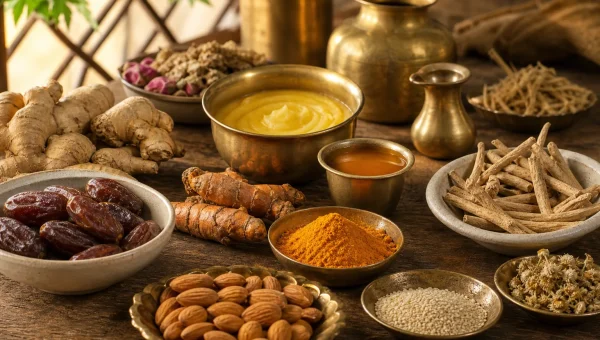
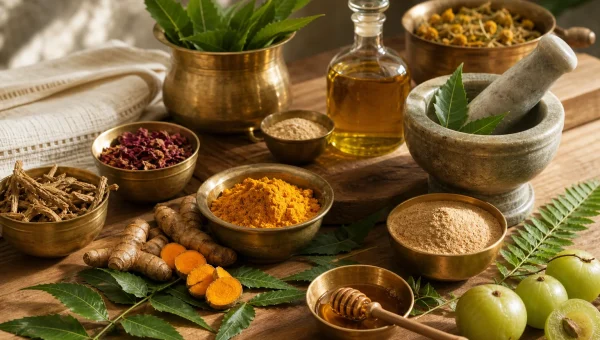
The triathlete’s Ayurvedic recovery stack should be built during training blocks, not improvised after a race. The safest hierarchy is digestion first, then sleep, then herbs. Classical Rasayana and Balya herbs can support recovery when chosen by constitution, climate, digestive strength, medication use, and competition schedule.
Ashwagandha (Withania somnifera): The Ayurvedic Pharmacopoeia of India identifies Ashwagandha as the dried mature root of Withania somnifera and lists it as Tikta-Kashaya in rasa, Laghu in guna, Ushna in virya, Madhura in vipaka, and Rasayana, Balya, and Vata-Kapha-pacifying in action. For athletes, this places it in the supervised rebuilding category rather than a race stimulant. The classical powder dose listed is 3-6 g; standardized extracts should be individualized by a qualified practitioner.
Shatavari (Asparagus racemosus): The Ayurvedic Pharmacopoeia of India identifies Shatavari as the tuberous root of Asparagus racemosus and lists it as Madhura-Tikta in rasa, Guru-Snigdha in guna, Shita in virya, Madhura in vipaka, and Balya, Rasayana, Pittahara, and Vatahara in action. This makes it better suited to the athlete whose post-race picture is hot, dry, irritable, and depleted rather than heavy, congested, or sluggish. The classical powder dose listed is 3-6 g under appropriate guidance.
Amalaki (Emblica officinalis / Phyllanthus emblica): Amalaki is the most Pitta-friendly Rasayana in this stack. The Ayurvedic Pharmacopoeia of India lists its fruit as having five tastes excluding Lavana, with Laghu-Ruksha guna, Shita virya, Madhura vipaka, and Rasayana and Tridoshajit actions. The monograph also notes ascorbic acid and tannins or gallotannins as constituents. For recovery use, the listed dried fruit powder dose is 3-6 g, while fresh fruit and juice have separate listed ranges. It should still be matched to digestion, bowel tendency, and medication status.
Post-Race Recovery Window: First 72 Hours
The first 72 hours after a major triathlon are a practical rebuilding block. Ayurveda emphasizes restoring agni before loading the system, while sports nutrition emphasizes timely carbohydrate, protein, fluid, and sodium replacement. These two views can work together: start with what is digestible, restore hydration, and then add heavier Rasayana foods or herbs only after appetite and sleep begin to normalize.
- Hour 0-4: Begin with fluids, sodium, and carbohydrate according to the athlete’s tested plan. When the stomach is ready, use warm, simple foods such as rice, khichadi, soup, potatoes, or other familiar carbohydrate-rich foods with an appropriate protein source. Avoid large raw meals and very cold foods if digestion feels weak or unsettled.
- Day 1-2: Prioritize sleep, warm cooked meals, gentle walking, easy mobility, and warm sesame-oil abhyanga if there is no skin irritation, acute injury, fever, or medical restriction. Herbs should be continued only if they were already part of the athlete’s plan and were prescribed or approved for that individual.
- Day 3-7: Return through easy movement before intensity. Continue simple meals, hydration, and individualized Rasayana support. Amalaki or Amalaki-based Chyavanaprasha may be appropriate for some athletes, but it should be introduced only when digestion is steady and the formula is suitable for the person.
The practical signs for resuming harder work are simple: resting rhythm feels normal, appetite is steady, sleep is refreshing, soreness is resolving, and the mind feels clear rather than wired. Returning to intervals or heavy strength work before these signs return keeps Vata moving when the body is still asking for rebuilding.
Safety and Individualization
Triathlon recovery is affected by race distance, climate, sweat rate, heat acclimation, gastrointestinal tolerance, sleep debt, medicines, and medical history. Athletes with asthma, heart disease, kidney disease, hypertension, diabetes, bleeding disorders, thyroid disease, pregnancy, or medication use should get individualized guidance before using herbs, electrolyte changes, heat strategies, or oil therapies. Ayurvedic products should be sourced carefully because safety concerns and heavy-metal contamination have been documented in some products.
Medical Disclaimer: This article is for educational purposes in sports performance and Ayurvedic recovery. Triathlon is a demanding endurance sport. Training, nutrition, hydration, cooling, and return-to-training decisions should be made in consultation with qualified coaches, sports medicine physicians, and sports nutrition professionals.
Nothing in this article diagnoses or treats a medical condition. Consult a qualified Ayurvedic practitioner or healthcare provider before starting herbs, supplements, detoxes, medicated oils, or therapeutic protocols, especially if pregnant, managing a condition, recovering from illness or injury, or taking medication.
References
- Triathlon (triathlon.org)
- Charaka Samhita — Guna
- Dravyaguna notes
- Arxiv (arxiv.org)
- Low Back Pain in Cycling. Are There Differences between Road and Mountain Biking? (2023), PubMed Central
- Consensus recommendations on training and competing in the heat (2015), PubMed Central
- Head, Face and Neck Cooling as Per-cooling (Cooling During Exercise) Modalities to Improve Exercise Performance in the Heat: A Narrative Review and Practical Applications (2022), PubMed Central
- American College of Sports Medicine position stand. Exercise and fluid replacement (2007), PubMed
- Acsm (acsm.org)
- A step towards personalized sports nutrition: carbohydrate intake during exercise (2014), PubMed Central
- International society of sports nutrition position stand: nutrient timing (2017), PubMed Central
- Ayurvedic Pharmacopoeia of India
- Ayurvedic Pharmacopoeia of India
- Ayush (ayush.delhi.gov.in)
- NCCIH