Arthritis Diet Ayurvedic Anti-Inflammatory: Food That Supports Joints from Within
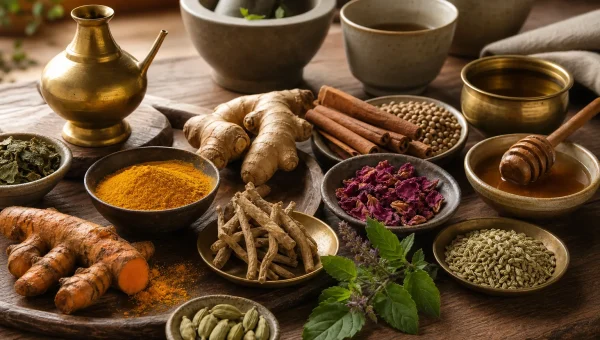
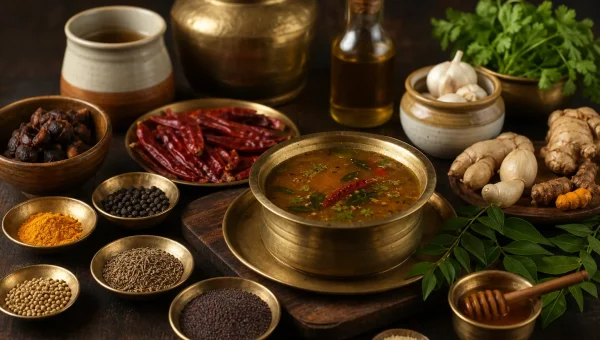
Arthritis diet ayurvedic anti-inflammatory cooking is not a restriction protocol — it is a flavor transformation. The spices traditionally used to kindle digestion and support comfortable movement, including ginger, turmeric, black pepper, cumin, coriander, cinnamon, fenugreek, and ajwain, are among the most aromatic ingredients in the kitchen. When meals are built around warm, cooked food and carefully tempered spices, the diet becomes more satisfying, more digestible, and more suitable for long-term joint care.
Ayurveda distinguishes two important joint patterns that require different dietary emphasis. Amavata describes a condition in which ama, the heavy and sticky residue of impaired digestion, combines with aggravated vata and lodges in the joints, producing pain, stiffness, swelling, heaviness, and loss of comfortable movement. It is often discussed beside rheumatoid arthritis because of overlapping features, but the Ayurvedic diagnosis is based on its own signs, causes, and treatment logic. In this pattern, food should be light, warm, digestible, and spiced to support agni, reduce ama, and prevent further stagnation.
Sandhivata, also called Sandhigata Vata, is a vata disorder of the joints and is commonly correlated with osteoarthritis or degenerative joint disease. Its classical picture emphasizes pain, stiffness, crepitus or cracking, restricted movement, and the drying, depleting influence of vata, especially with age and tissue depletion. In this pattern, food should still be warm and digestible, but it may include more unctuous nourishment such as ghee, sesame oil, well-cooked grains, soft dals, soups, and, where appropriate, strengthening broths.
Many people have a mixed presentation: stiffness and swelling after heavy meals, but also dryness, cracking, and age-related degeneration. For that situation, the middle path is best: reduce heavy, cold, processed, sugary, and poorly digested foods; emphasize warm cooked meals; use spices intelligently; include enough healthy fat to protect vata; and keep dinner light enough that the body does not carry digestive heaviness into the night.
The Foundation Spice Blend: Golden Anti-Arthritis Masala
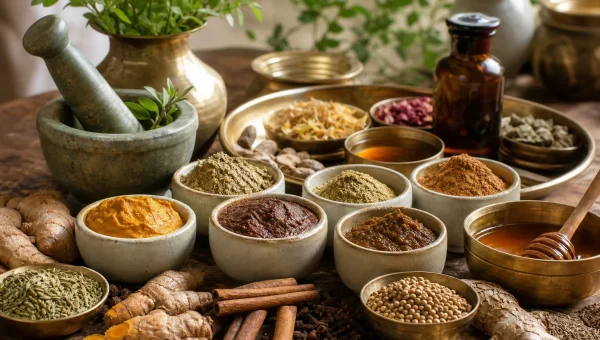
Every Ayurvedic kitchen managing joint discomfort can keep a simple base blend prepared in advance. Mix 4 tablespoons turmeric powder, 2 tablespoons dry ginger powder, 1 tablespoon freshly ground black pepper, 1 tablespoon cumin seeds that have been lightly dry-roasted and ground, 1 tablespoon ground coriander seed, 1 teaspoon cinnamon powder, 1 teaspoon roasted fenugreek seed powder, and 1/2 teaspoon ground ajwain or carom seed. Store the blend in an airtight glass jar away from heat, moisture, and direct light.
This masala is designed around classical Ayurvedic cooking logic. Turmeric, or Haridra, is pungent and bitter, heating in potency, and traditionally used in conditions involving kapha, skin impurities, and swelling. Dry ginger, or Shunthi, is a classic dipana and pachana spice, meaning it supports digestive fire and helps process heaviness; it is specifically listed among substances used in amavata. Cumin supports appetite and digestion while reducing vata-kapha heaviness. Cinnamon and ajwain add warming, penetrating qualities, so the blend should be adjusted downward in people with strong acidity, burning sensations, mouth ulcers, or marked pitta aggravation.
Use 1/2 to 1 teaspoon of this blend in warm ghee, sesame oil, or another suitable cooking fat as the tempering base for dal, soups, vegetables, and kitchari. This is important because turmeric’s curcuminoids are poorly water-soluble, while black pepper’s piperine and cooking fat improve practical absorption. In everyday Ayurvedic cooking, this means turmeric is best used in food, warmed with fat and balanced by digestive spices, rather than sprinkled dry at the end of a meal.
The Week’s Template: Anti-Arthritis Meal Planning
The weekly meal template for arthritis is built around warm, cooked, digestible food. It limits the categories most likely to burden digestion or aggravate inflammatory patterns: added sugar, refined flour, ultra-processed snacks, repeated deep-fried foods, excess alcohol, cold drinks, and late heavy dinners. Nightshades are not automatically forbidden for everyone, but they can be tested individually when a person repeatedly notices flares after tomato, potato, eggplant, peppers, or paprika.
Breakfast — Savory Spiced Mung Kitchari: Heat 1 tablespoon ghee in a heavy pot. Add 1/2 teaspoon cumin seeds or mustard seeds and allow them to release their aroma. Add 1/2 teaspoon golden anti-arthritis masala and a small pinch of asafoetida. Add 1/2 cup split mung dal, washed well, and 1/4 cup old rice or basmati rice. Stir to coat the grains in the spiced ghee, then add 3 cups hot water, a little rock salt, and 1 inch of grated fresh ginger. Cook covered on low heat until completely soft. Finish with fresh coriander and a small squeeze of lime if acidity is not present. This breakfast is warm, soft, easy to digest, and suitable when morning stiffness is accompanied by digestive heaviness.
Lunch — Golden Mung-Vegetable Stew: Lunch should be the most nourishing meal of the day, especially for vata-type joint depletion. Cook mung dal or red lentil with soft vegetables such as carrot, beetroot, bottle gourd, ridge gourd, pumpkin, green beans, spinach, or other well-tolerated seasonal vegetables. Temper 1 teaspoon of the spice blend in ghee or sesame oil and add it to the pot once the dal is soft. For a depleted non-vegetarian person with sandhivata, a clear, well-spiced meat broth or bone broth may be used occasionally as a strengthening broth under practitioner guidance. For active amavata with heaviness, swelling, coated tongue, or sluggish digestion, keep lunch lighter and rely on mung, vegetables, and spices rather than heavy animal foods.
Dinner — Light Sesame-Ginger Vegetable Soup: Dinner should be warm, simple, and finished early when possible. Heat 1 teaspoon to 1 tablespoon sesame oil, depending on digestion and constitution. Add fresh ginger slices, 1/2 teaspoon of the spice blend, and chopped seasonal vegetables such as zucchini, green beans, leafy greens, pumpkin, or ridge gourd. Add water or vegetable broth and simmer until soft. For amavata, keep the soup thin and light. For sandhivata, add a little more ghee or sesame oil and include soft root vegetables to protect vata without making the meal heavy.
| Food Category | Emphasize | Limit or Individualize | Why It Matters |
|---|---|---|---|
| Fats | Ghee, sesame oil, olive oil, small amounts of coconut oil when suitable | Repeated deep-fried foods and excess refined vegetable oils | Good fats protect vata and carry spices; excess refined omega-6 oils can tilt the diet toward inflammatory chemistry |
| Vegetables | Cooked leafy greens, gourds, pumpkin, carrots, beets, okra, green beans | Raw salads in excess; nightshades only when personally aggravating | Cooked vegetables are lighter for digestion and easier for vata joints than cold raw meals |
| Grains | Old rice, barley, millet, oats, soft rice-mung kitchari | Refined flour, pastries, sweetened breakfast cereals, frequent bakery foods | Steady, simple grains support strength without the sugar swings of refined carbohydrates |
| Protein | Mung dal, well-cooked lentil soups, sesame, soft stews, suitable broths | Processed meats and heavy daily red meat, especially with poor digestion | Protein is needed for tissue support, but it should be prepared in a form the person can digest |
| Beverages | Warm water, ginger tea, cumin-coriander-fennel tea, turmeric milk when suitable | Iced drinks, excess alcohol, sweetened beverages, too much coffee | Warm drinks support agni and are gentler for vata than cold beverages |
The Nightshade Question
Nightshade elimination should be handled as an individual experiment, not a universal rule. Tomato, potato, eggplant, peppers, and paprika are well-tolerated by many people, especially when cooked, spiced, and eaten in moderate amounts. However, if a person repeatedly notices more stiffness, swelling, heat, or pain after eating them, a structured trial is reasonable. Remove all nightshades for two to four weeks while keeping the rest of the diet steady. Then reintroduce one food at a time in a cooked form, leaving about three days before testing another. Keep a simple journal of morning stiffness, swelling, digestion, bowel movements, sleep, and pain levels. If symptoms clearly return with one food, avoid that item while allowing the others that do not aggravate the joints.
In Ayurvedic terms, this is not about demonizing a botanical family. It is about observing whether a food increases ama, heaviness, gas, heat, swelling, or pain in a particular person. A person with active amavata may need a stricter temporary diet, while a person with sandhivata and strong digestion may tolerate well-cooked nightshades without difficulty. The best arthritis diet is therefore both principled and personal.
Therapeutic Beverages: The 24-Hour Anti-Arthritis Drink Cycle
Morning begins with warmth. Take 250 to 300 ml warm water with 1 teaspoon fresh ginger juice or a few slices of fresh ginger simmered briefly in water. Add 1/4 teaspoon turmeric if tolerated. Honey may be added only after the drink is warm rather than hot, and it should not be boiled or mixed in equal quantity with ghee. People with diabetes, reflux, ulcers, or strong pitta symptoms should adjust this drink with professional guidance. The purpose of the morning drink is to wake the digestive system gently, not to irritate it.
Mid-morning is a good time for a digestive decoction. For gas and heaviness, boil 1/2 to 1 teaspoon ajwain in 2 cups water for 5 minutes, strain, and sip warm. For people who find ajwain too heating, use a gentler cumin-coriander-fennel tea instead. These warm infusions fit the Ayurvedic goal of keeping channels clear, reducing abdominal heaviness, and preventing poorly digested food from feeding joint discomfort.
Evening can include golden milk when digestion is strong and kapha-ama symptoms are not dominant. Warm 250 to 300 ml milk or a suitable plant milk. Add 1/4 to 1/2 teaspoon of the spice blend, a small pinch of black pepper, and 1 teaspoon ghee. Simmer gently, but do not add honey while the drink is hot. For amavata with heaviness, coated tongue, swelling, or sluggish digestion, replace milk with a thin turmeric-ginger tea. For sandhivata with dryness, cracking, poor sleep, and depleted strength, the milk-and-ghee version may be more suitable.
Follow this pattern for several weeks while tracking practical signs: morning stiffness duration, swelling, grip comfort, walking tolerance, digestion, bowel regularity, sleep quality, and reliance on rescue pain medication as advised by a clinician. Food is not a stand-alone cure for arthritis, but it is the most consistent daily intervention available. Done well, an Ayurvedic anti-inflammatory diet supports digestion, reduces dietary triggers, protects vata, and makes every meal part of joint care. For broader sandhivata support, see the complete vata-pacifying diet guide.
Medical Disclaimer: This content is for educational purposes only and does not constitute medical advice. Arthritis dietary changes may complement conventional rheumatological or orthopedic care, but they do not replace prescribed treatment. People with rheumatoid arthritis using DMARDs, biologics, steroids, anticoagulants, antiplatelet medicines, or regular NSAIDs should discuss dietary herbs, turmeric, ginger, and elimination diets with their healthcare provider. People with severe osteoarthritis, active inflammatory arthritis, gallbladder disease, liver disease, kidney disease, pregnancy, planned surgery, malnutrition risk, or eating disorder history should not make restrictive dietary changes without guidance. Consult a qualified Ayurvedic physician and an appropriate medical professional for a personalized plan.
References
- Management of Amavata (rheumatoid arthritis) with diet and Virechanakarma (2015), PubMed Central
- Niimh (niimh.nic.in)
- Easyayurveda (easyayurveda.com)
- Clinical study on Sandhigata Vata w.s.r. to Osteoarthritis and its management by Panchatikta Ghrita Guggulu (2010), PubMed Central
- Effect of anuvasana basti with ksheerabala taila in sandhigata vata (osteoarthritis) (2014), PubMed Central
- Ayurvedic Pharmacopoeia of India
- Influence of piperine on the pharmacokinetics of curcumin in animals and human volunteers (1998), PubMed
- Highly Bioavailable Forms of Curcumin and Promising Avenues for Curcumin-Based Research and Application: A Review (2020), PubMed Central
- NCCIH
- Arthritis (arthritis.org)
- Arthritis (arthritis.org)
- Arthritis (arthritis.org)
- Advanced glycation end products in foods and a practical guide to their reduction in the diet (2010), PubMed Central
- Arthritis (arthritis.org)
- Health (health.clevelandclinic.org)
- Ayurveda (ayurveda.com)
- Charaka Samhita — Atreyabhadrakapyiya
- Charaka Samhita — Asthapana basti
- NCCIH
- NCCIH
- FDA
- NHS