
The Milk Bath That Softens and Brightens
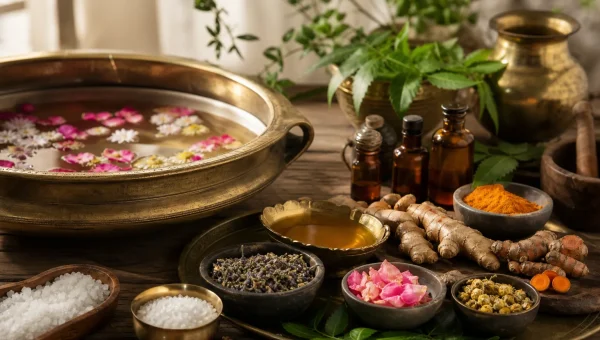
A milk-based bath is best understood as a gentle Ayurvedic self-care ritual built around snana (bathing), abhyanga (oil massage), and ubtan or udvartana (herbal powder application), rather than as a cure-all skin treatment. Classical Ayurveda gives a clear reason for the appeal of milk in a beauty ritual: cow’s milk is described as sweet, cold, soft, unctuous, dense, smooth, heavy, slow, and clear, qualities that make it especially suited to a nourishing, cooling, softening body treatment when used appropriately.
The most practical home version is simple: apply a light oil massage, use a mild flour-and-herb paste to cleanse and polish the skin, then finish with a diluted pour-over or bath made with pasteurized whole milk. The result is immediate softness, a smoother surface, and a calm, nourished feeling. It should not be used as a substitute for medical treatment of eczema, acne, fungal infection, melasma, unusual pigmentation, rashes, or any persistent skin condition.
Why Milk Feels Good on Skin
Whole milk gives the skin a combination of water, milk fat, proteins, lactose, minerals, and mild natural acidity. This makes it more of a conditioning rinse than a strong exfoliating treatment. Fresh milk’s measured acidity includes natural buffering components and lactic acidity that develops with bacterial action, so a fresh pasteurized milk bath should be understood as a softening ritual, not as a high-strength alpha-hydroxy-acid peel.
| Milk Component | What It Contributes | Practical Meaning for Skin |
|---|---|---|
| Milk fat | Whole milk contains roughly 3.25% milk fat. | Leaves a soft, emollient feel and is best suited to dry or rough-feeling skin. |
| Milk proteins | Milk contains casein and whey proteins, including proteins used in cosmetic and dermatological preparations. | Helps the skin feel conditioned, smooth, and lightly coated after rinsing. |
| Mild acidity | Milk acidity includes natural acidity and developed lactic acidity. | Supports a gentle smooth feeling, but should not be treated like a professional-strength lactic acid product. |
| Water and minerals | Milk is a water-based fluid containing minerals and nutrients. | Helps dilute herbs, carry the paste over the skin, and rinse the body without the dryness of a harsh cleanser. |
Lactic acid is used in dermatology at measured strengths, and stronger topical lactic acid preparations are different from the small, mild acidity found in fresh milk. This distinction matters: a milk bath may leave the skin feeling smoother and brighter, but it should not be presented as a controlled chemical peel or a treatment for stubborn pigmentation.
The Ayurvedic Logic Behind the Ritual
Ayurvedic daily routine gives a helpful sequence for this practice. Abhyanga is described as nourishing, Vata-calming, and supportive of good skin quality. Udvartana, the use of powder massage, is described as Kapha-reducing and complexion-supporting. Snana, or bathing, is described as removing sweat, dirt, tiredness, lethargy, thirst, and burning sensation. A milk-based bath borrows this sequence: oil first, a gentle powder paste next, and a softening milk rinse at the end.
The temperature also matters. Warm water may be used below the neck, but very hot bathing is not ideal for delicate skin, and classical daily-routine guidance cautions against applying hot water over the head. For a milk bath, keep the water pleasantly warm or lukewarm, not steaming hot. The purpose is to soften, soothe, and cleanse without irritating the skin.
A Safe Home Milk Bath Ritual
This version keeps the traditional beauty intent while making the preparation practical, hygienic, and suitable for modern bathrooms. Use pasteurized milk, clean utensils, and freshly prepared mixtures. Discard leftovers instead of storing used bath milk or herb paste.
Step 1: Begin with Light Abhyanga
Apply a small amount of warm sesame oil, coconut oil, or another plain oil that suits your skin. Massage the limbs with long strokes and the joints with gentle circular movements for 5 to 10 minutes. This prepares the skin, reduces the drying effect of powders, and makes the bath feel more nourishing.
Step 2: Prepare a Gentle Ubtan
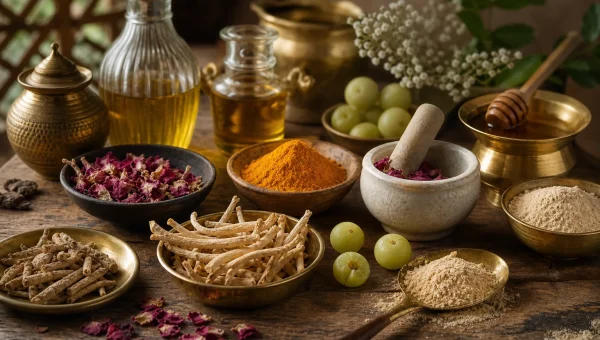
Mix a simple body paste with ingredients that are easy to rinse and unlikely to scratch the skin. A good base is 2 tablespoons of chickpea flour, a pinch of Haridra (turmeric), and enough pasteurized milk to make a spreadable paste. For a more luxurious version, steep 5 to 10 strands of Kunkuma (saffron) in a spoonful of warm milk and add it to the mixture. Apply gently; do not scrub aggressively.
- Use only a pinch of turmeric for the whole body if staining is a concern.
- Use saffron sparingly, and buy from a reliable source because adulterated saffron is common.
- Keep the paste away from the eyes, nostrils, broken skin, and freshly shaved areas.
- Patch test the paste on a small area before using it over the whole body.
Step 3: Choose Full Bath or Pour-Over Method
For a bathtub, add 1 to 2 cups of pasteurized whole milk to warm bath water and soak for 10 to 15 minutes. For Indian-style bathrooms or anyone without a tub, dilute 250 to 500 ml of warm pasteurized whole milk with 500 ml to 1 liter of warm water, then pour it slowly over the body after the ubtan has been gently rubbed and loosened. Let it remain on the skin briefly, then rinse.
| Method | How to Do It | Best For |
|---|---|---|
| Full bath | Add 1 to 2 cups pasteurized whole milk to warm bath water and soak briefly. | Dry skin, rough skin, and a relaxed weekend ritual. |
| Pour-over bath | Dilute warm milk with warm water and pour over the body after ubtan. | No bathtub, quick routine, and traditional bucket-bath settings. |
| Minimal version | Use only diluted milk and skip herbs. | Sensitive skin or first-time patch testing. |
Step 4: Rinse and Seal in Moisture
Rinse with plain lukewarm water. Avoid harsh soap immediately afterward unless the milk or oil feels uncomfortable on your skin. Pat dry with a soft towel, then apply a light layer of plain oil, body lotion, or a moisturizer that suits your skin. Clean the bath area thoroughly after the ritual.
Classical Skin Herbs That Fit the Ritual
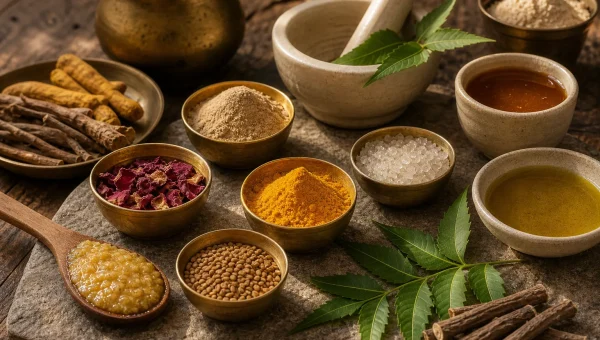
The simplest milk bath can be done with milk alone, but a small amount of classical skin-supporting herbs can make the ritual more aligned with Ayurvedic beauty practice. Use small quantities; stronger is not better in topical care.
| Ingredient | Classical Identity | Best Use in a Milk Bath | Caution |
|---|---|---|---|
| Haridra | Curcuma longa rhizome; listed with Katu and Tikta rasa, Ruksha guna, Ushna virya, and Varnya karma. | Use a pinch in ubtan for dull or oily-feeling skin. | It contains curcumin coloring matter and may stain skin, towels, and clothing. |
| Kunkuma | Crocus sativus style and stigma; listed with Varnya and Rasayana karma. | Steep a few strands in warm milk and add to the bath or ubtan. | Use genuine saffron only; avoid artificially dyed substitutes. |
| Chickpea flour | A gentle household powder base for ubtan. | Helps the paste spread, lightly polish, and rinse away oil. | Can feel drying if overused; follow with moisturizer. |
Customize by Skin Type and Season
Ayurveda’s Ritucharya principle teaches that daily care should be adapted to the season. Charaka connects seasonal suitability with the maintenance of strength and complexion. Apply the same logic to a milk bath: make it richer in cold, dry weather and lighter in humid, oily, or sensitive conditions.
| Condition | Best Adaptation | Frequency |
|---|---|---|
| Dry, rough, Vata-type skin | Use whole milk, keep the water warm, do light oil massage first, and moisturize after rinsing. | Once weekly or once every two weeks. |
| Hot, flushed, Pitta-type skin | Use lukewarm rather than hot water; keep the contact time short and use very little turmeric. | Once weekly when tolerated. |
| Oily, heavy, Kapha-type skin | Dilute the milk well, use more chickpea flour than oil, rinse thoroughly, and avoid heavy post-bath oils. | Once or twice monthly. |
| Sensitive skin | Begin with diluted pasteurized milk only and skip all herbs until patch testing is comfortable. | Occasional use only. |
| Humid or monsoon weather | Keep the ritual light, rinse carefully, and avoid leaving milk or oil residue on the skin. | As needed, not daily. |
| Cold winter weather | Use warm milk, do a longer oil massage first, and moisturize immediately after bathing. | Weekly if skin is dry. |
The Turmeric Detail People Miss
Turmeric is powerful in both color and character. The Ayurvedic Pharmacopoeia of India lists Haridra as containing curcumin coloring matter, so staining is not a mistake; it is part of the plant’s nature. For a beauty bath, use a tiny pinch rather than a spoonful. Apply oil before the ubtan, rinse well, and use old towels until you know how your skin responds.
If your skin is very fair, reactive, or recently exfoliated, skip turmeric for the first few milk baths. A plain milk-and-chickpea-flour paste is enough to experience the softening effect without risking a yellow cast.
Frequency and Expected Glow
For normal-to-dry skin, a milk bath once a week or once every two weeks is enough. The expected result is a temporary glow: softer texture, a smoother surface, and a fresh appearance after rinsing. Long-standing hyperpigmentation, acne marks, melasma, inflamed acne, or rashes need a proper skin evaluation rather than repeated scrubbing.
The ritual works best when it is gentle. Do not extend the soak for too long, do not scrub until the skin becomes red, and do not add many herbs at once. A calm, simple preparation gives better results than an overloaded mixture.
Who Should Avoid or Modify Milk Baths
Milk baths are not suitable for everyone. Anyone with a diagnosed milk protein allergy should avoid topical milk preparations, because milk proteins can trigger allergic skin reactions in susceptible people. Lactose intolerance is different from milk protein allergy, but anyone who develops itching, redness, hives, swelling, or discomfort after contact with milk should stop and seek medical advice.
- Avoid if you have a milk protein allergy: Milk allergy involves immune reaction to milk proteins and can cause rash, itching, hives, or more serious symptoms.
- Avoid on broken or infected skin: Do not apply milk, oil, or herb paste over open wounds, active infection, oozing eczema, or painful inflamed lesions.
- Use pasteurized milk only: Raw milk can carry harmful germs and is not worth the risk in a home beauty preparation.
- Be careful with acne-prone skin: Use a diluted version, rinse thoroughly, and stop if breakouts worsen.
- Patch test first: Test the milk and herb mixture on a small area for 24 hours before applying it widely.
Medical Disclaimer: This article is for educational purposes only and does not constitute medical advice. Consult a qualified Ayurvedic practitioner, dermatologist, or healthcare provider before using milk baths if you have allergies, eczema, psoriasis, acne, fungal infection, persistent pigmentation, unusual moles, pregnancy-related skin changes, or any chronic skin condition. Discontinue immediately if redness, itching, burning, swelling, hives, or irritation occurs.
References
- Charaka Samhita — Annapanavidhi Adhyaya
- Easyayurveda (easyayurveda.com)
- Charaka Samhita — Tasyashiteeya Adhyaya
- Usdairy (usdairy.com)
- Milk Proteins-Their Biological Activities and Use in Cosmetics and Dermatology (2021), PubMed
- Dairyknowledge (dairyknowledge.in)
- Epidermal and dermal effects of topical lactic acid (1996), PubMed
- Ayurvedic Pharmacopoeia of India
- Natural Ingredient Resource Center
- CDC
- FDA
- My (my.clevelandclinic.org)
- The significance of allergic contact urticaria to milk in children with cow’s milk allergy (2015), PubMed
anyone here tried turmeric milk for the specific issue in the article? what was your experience
same here, chandan helped me but took longer than the article suggests
dosw for kids same or diff
honestly try turmeric milk for at least 3 months before deciding it doesnt work
My practitioner said the same thing about turmeric milk. Results vary by individual constitution.
That’s a good point about constitution. My practitioner also said the base milk matters, raw versus pasteurized, and that adjusted the recommendation for me personally.
The article glosses over contraindications for sandalwood. People on blood thinners really need to know this before starting.
dosage info not clear enuf 🌿
Three weeks into doing the Ksheera Snana soak twice a week and my skin texture has changed visibly. The rough patches on my arms are softer and my face feels more hydrated the next morning compared to my regular bath.
Interesting that chandan improved your energy too. I noticed something similar after a few sessions. I wonder if the skin absorption of the herbs during the bath is doing more than just surface-level work.
That question is really about drinking turmeric milk, which is a different practice. This article is about the Ksheera Snana bath ritual for skin radiance. Topical use on skin wouldn’t affect blood markers the same way.
anyone here tried chandan for the specific issue in the article? what was your experience
My grandmother used saffron for decades. Reading the science behind it here connects the dots for me in a satisfying way.
i have pitta excess and turmeric milk worked fine for me, but started at lower dose
The claim about saffron reducing inflammation in two weeks seems optimistic. My experience was more like four months before any noticeable change.
does brand matter for turmeric milk or is generic fine
That’s a fair concern. I found saffron worked better when I also adjusted my diet simultaneously. 💯
these ayurvedic treatments take so long to work. western medicine might be faster for acute issues
Fair point, but this isn’t really an either-or situation. The article frames Ksheera Snana as a nourishing skin ritual, not a replacement for acute treatment. For chronic skin dullness or dryness, Ayurveda’s slower pace actually makes more sense than expecting overnight results.
Totally agree on giving it time. I’d also check whether you’re doing the milk bath at the right temperature, the article says lukewarm, not hot. Hot water can actually strip the skin of the benefits from the herbs.
Three months is a reasonable benchmark for saffron internally, yes. For the Ksheera Snana bath ritual specifically I started seeing a difference in skin tone around six weeks in, which was faster than I expected.
bought sandalwood from a random brand and got no results. does quality vary that much between suppliers?
does brand matter for saffron or is generic fine
how long do u need to take chandan before results show? been 3 weeks, nothing yet
same here, saffron helped me but took longer than the article suggests 🙏
the dosage chart for chandan is really helpful. been overdoing it apparently
Not sure I agree on sandalwood being suitable for Vata-Pitta. My experience was different.
how long do u need to take sandalwood before results show? been 3 weeks, nothing yet
The explanation connecting chandan with turmeric milk in Ayurvedic theory here is cleaner than anything I found in the textbooks I have.
I tried saffron for two months following a similar protocol and saw zero improvement. Not sure if dosage was wrong or the formulation matters that much.
does brand matter for chandan or is generic fine 🌿
same here, sandalwood helped me but took longer than the article suggests
i have pitta excess and sandalwood worked fine for me, but started at lower dose
I asked my vaidya the same question about saffron. He said constitution matters more than standard dose.
Yeah the chandan timing thing confused me too. I do it before meals now based on another source.
Quick question: is the chandan dose mentioned here for KSM-66 extract or full-spectrum powder? The potency difference is significant.
about 8 weeks for me with turmeric milk before any visible change
The formulation type matters a lot for chandan. Churna vs capsule vs kashayam gave me different results.
i have high pitta, would the chandan protocol here work or make things worse
bought saffron from a random brand and got no results. does quality vary that much between suppliers?
Quick question: is the saffron dose mentioned here for KSM-66 extract or full-spectrum powder? The potency difference is significant.
can you combine chandan with sandalwood or is that too much at once
The claim about turmeric milk reducing inflammation in two weeks seems optimistic. My experience was more like four months before any noticeable change.
same here, turmeric milk helped me but took longer than the article suggests
Same experience with chandan here. Took me about 6 weeks to notice real change. धन्यवाद
tried the chandan recipe from section 3 last week, tasted awful but felt lighter the next morning lol
helpful info on turmeric milk 🙌
r side effects of saffron real
my practitioner told me something different about saffron. this article contradicts what i was told
@Smita same here, sandalwood helped me but took longer than the article suggests
Is chandan safe to use alongside SSRIs? My psychiatrist has not cleared any supplements and I want to go in informed.
the dosage chart for turmeric milk is really helpful. been overdoing it apparently
the decoction method for sandalwood is a bit confusing, is there a simpler version
i have high pitta, would the sandalwood protocol here work or make things worse 🙌
The grandmother’s story really brought the ritual to life for me.
the dosage chart for saffron is really helpful. been overdoing it apparently
My practitioner said the same thing about saffron. Results vary by individual constitution.
yeah sandalwood quality is huge. local brand didnt work, switched to a standardized extract and different story
is sandalwood ok during pregnancy? asking for my wife who is in second trimester
I asked my vaidya the same question about chandan. He said constitution matters more than standard dose.
I am Vata-Pitta constitution. Would the chandan protocol here need modification or is it generally dosha-agnostic? ❤️
can you combine saffron with turmeric milk or is that too much at once
The Ksheera Snana ritual described here actually made me curious about how milk-based preparations work in other Ayurvedic contexts too. Anyone know if a similar herbed milk application is used for scalp treatments? The logic around nourishing dry tissue seems like it could translate. ❤️
my practitioner told me something different about sandalwood. this article contradicts what i was told
I asked my rheumatologist about sandalwood and he was dismissive, citing no RCT data. Would love to know which studies this article draws from.
tried sandalwood for months, did nothing for me honestly. maybe doesnt work for everyone
can you combine sandalwood with turmeric milk or is that too much at once
@Jennifer That’s a fair concern. I found turmeric milk worked better when I also adjusted my diet simultaneously.
Yeah the sandalwood timing thing confused me too. I do it before meals now based on another source.
Same experience with sandalwood here. Took me about 6 weeks to notice real change.
milk bath sounds nice but modern bathrooms and time limits are real. a smaller face or hand version would help
A face version is actually easy to adapt. I use a small bowl of the warm herbed milk as a compress for about ten minutes, then rinse. Takes maybe fifteen minutes total and I’ve gotten similar results on my face and neck without needing a full bath setup.
Eight weeks tracks with my experience. Did you do it once or twice a week? I started at once weekly and when I moved to twice weekly around week five the results came faster.
i have pitta excess and chandan worked fine for me, but started at lower dose
Useful info.
my aunt has been doing saffron for years, finally understand why it actually helps after reading this
tryd chandan nothing happend ठीक है
how long do u need to take turmeric milk before results show? been 3 weeks, nothing yet
The Ksheera Snana ritual in this article is really about topical skin brightening rather than internal herb use. The milk and herb soak works on the outer layers of skin, so it’s quite different from dietary Ayurvedic approaches. Might be worth checking a separate post on Ayurvedic scalp care.
You might find relevant information in posts specifically about Ayurvedic hair care. This one is focused on the Ksheera Snana milk bath for skin brightening, so the herbs and methods discussed here are quite different from what addresses scalp and hair concerns.
Does the quality of sandalwood source matter significantly? Organic vs non-organic makes a big cost difference where I live.
way too vague about dosage for saffron. ‘2 to 3 capsules’ covers a huge range depending on body weight
I wonder how the saffron strands affect the scent compared to using rose water alone.
I am Vata-Pitta constitution. Would the turmeric milk protocol here need modification or is it generally dosha-agnostic?
does brand matter for saffron or is generic fine 🙏
how long do u need to take saffron before results show? been 3 weeks, nothing yet
Can children use saffron? The post covers adults but my 11-year-old has similar symptoms. 🙏
For an 11-year-old I’d really recommend consulting a practitioner before trying anything, even gentle herbs. The article does note this protocol is designed for adults, and dosage for children is a separate consideration entirely. 🙏
Same confusion here! I settled on adding a few strands of saffron directly to the milk bath water rather than timing it around meals — seems more in line with the Ksheera Snana concept anyway.
The explanation connecting turmeric milk with chandan in Ayurvedic theory here is cleaner than anything I found in the textbooks I have.
hw mny wks 4 sandalwood 2 work
Three weeks of the Ksheera Snana bath and my skin tone has visibly evened out, especially on my cheeks where I had some sun-related dullness. Wasn’t expecting the brightening effect to be this noticeable this soon. 💯
my vaidya suggested sandalwood but never explained the why. this article fills that gap 🙏
the decoction method for saffron is a bit confusing, is there a simpler version
The formulation type matters a lot for saffron. Churna vs capsule vs kashayam gave me different results.
My grandmother used turmeric milk for decades. Reading the science behind it here connects the dots for me in a satisfying way.
For the turmeric milk preparation described, does the water temperature affect the active compounds during the decoction process?
Same experience with turmeric milk here. Took me about 6 weeks to notice real change.
The article glosses over contraindications for turmeric milk. People on blood thinners really need to know this before starting.
any1 tried turmeric milk here tell me
Is there a seasonal consideration for chandan? I read elsewhere that some adaptogens should be paused in summer.
the decoction method for chandan is a bit confusing, is there a simpler version ✨
Same experience with saffron here. Took me about 6 weeks to notice real change.
Would have appreciated actual study citations for the saffron claims. The references section is thin for something presented as clinical fact. 🙏
Good one.
the decoction method for turmeric milk is a bit confusing, is there a simpler version
Question about turmeric staining: would using a milk based cleanser after the bath help prevent any yellow tint?
my practitioner told me something different about turmeric milk. this article contradicts what i was told