
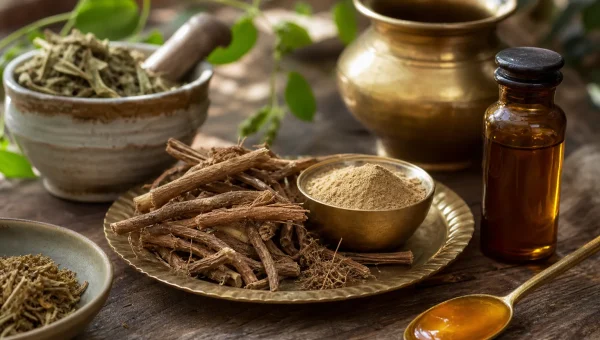
Churna (cūrṇa) is one of Ayurveda’s most practical dosage forms: cleaned, dried, powdered herbs taken in measured amounts with a suitable anupana such as honey, ghee, milk, buttermilk, or warm water. Its strength is not drama or instant cure, but accessibility: a powder can be stored, measured, mixed, and adjusted more easily than many preparations that require boiling, filtering, or fresh extraction.
In the Ayurvedic Formulary of India, churna is treated as a recognized group of compound formulations, with official entries for preparations such as Trikatu Churna, Triphala Churna, Avipattikara Churna, Talisadya Churna, Panchasama Churna, Sitopaladi Churna, and Hingvastaka Churna. The same government pharmaceutic guidance also lists quality-control expectations for fine powders, including description, particle size, moisture, ash values, extractives, heavy/toxic metals, pesticide residue, microbial contamination, aflatoxins, and shelf life.
The Classical Position of Churna Among Preparations
Churna is a powdered dosage form used either as a finished medicine or as a base for other preparations. In practice, its usefulness depends on correct identification of the ingredients, proper drying and powdering, protection from moisture, and selection of the right anupana. Modern Indian regulatory guidance lists the shelf life for churna, kwatha churna, lepa churna, and danta manjan churna as two years from manufacture unless a different shelf life is established through stability data.
Eight Classical Churna Formulations
The following formulations preserve the article’s practical focus: these are powders that householders often hear about, but each has a specific Ayurvedic logic, dose range, anupana, and caution. They should be selected by constitution, condition, age, digestive strength, pregnancy status, medicines already being taken, and the presence of serious disease.
1. Trikatu Churna
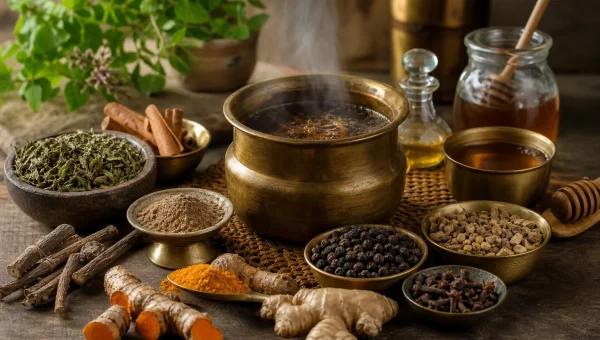
Trikatu Churna is the “three pungents” formula: Pippali fruit, Maricha fruit, and Shunthi rhizome in equal parts. The Ayurvedic Formulary of India lists its dose as 1–3 g with honey or warm water. Its listed uses include tastelessness, impaired digestion, ama-related conditions, diseases of the throat, chronic rhinitis or sinusitis, cough, dyspnoea or asthma, skin disease, abdominal lump, urinary conditions, obesity, and filariasis.
Practical use: Trikatu is a hot, sharp, Kapha-Vata-oriented digestive and respiratory powder. It is traditionally chosen when coldness, heaviness, mucus, sluggish appetite, and ama-like coating are prominent. Caution: because it is pungent and heating, it is not a casual fever remedy for children and should be avoided or used only under supervision in gastritis, peptic ulcer tendency, active burning sensations, pregnancy, and high-Pitta states.
2. Triphala Churna
Triphala Churna combines Haritaki, Bibhitaki, and Amalaki in equal parts. The Ayurvedic Formulary of India lists its dose as 3–6 g with ghee, honey, or warm water, and lists uses including abdominal distension, urinary disorders, eye disorders, Kapha-Pitta disorders, skin disease, impaired digestive fire, tastelessness, and intermittent fever.
Practical use: Triphala is one of the most versatile powders in Ayurveda, often used when bowel regularity, digestive clarity, and Rasayana-style maintenance are the aim. Warm water is commonly used at bedtime when the goal is bowel support; ghee or honey may be selected according to the practitioner’s assessment. Caution: higher doses may loosen stools, so it should be used carefully in diarrhoea, dehydration, pregnancy, frailty, and when the person is taking medicines where altered bowel transit may matter.
3. Avipattikara Churna
Avipattikara Churna is a Pitta-oriented digestive formula from Bhaiṣajyaratnāvalī’s Amlapitta context. The Ayurvedic Formulary of India lists ingredients including Trikatu, Triphala, Musta, Vida Lavana, Vidanga, Ela, Patra, Lavanga, Trivrit, and Sharkara. Its dose is 3–6 g with honey, water, or milk, and its listed uses include impaired digestion, constipation, Amlapitta, haemorrhoids, retention of urine, and urinary disorders.
Practical use: Avipattikara is used where acidity-type digestive discomfort, Pitta aggravation, and constipation appear together. Milk or water is often selected as the vehicle depending on the person’s digestive strength and Pitta presentation. Caution: because it contains Trivrit and has a laxative direction, it is not suitable for diarrhoea-prone persons unless specifically advised.
4. Hingvastaka Churna
Hingvastaka Churna contains Shunthi, Maricha, Pippali, Ajamoda, Saindhava Lavana, Shveta Jiraka, Krishna Jiraka, and purified Hingu. The Ayurvedic Formulary of India lists its dose as 1–2 g with ghee, and its uses as impaired digestion, colicky pain, abdominal lump, and Vata disorders.
Practical use: Hingvastaka is a classic Vata-digestive powder for gas, bloating, colicky discomfort, and sluggish digestion with coldness or dryness. Ghee is not incidental here: it softens the heating edge of the spices and suits the Vata-focused intention of the formula. Caution: use carefully in gastritis, ulcers, strong burning sensations, salt-restricted diets, hypertension, pregnancy, and bleeding disorders.
5. Sitopaladi Churna
Sitopaladi Churna contains Sitopala, Vamsha Lochana, Pippali, Ela, and Tvak. The Ayurvedic Formulary of India lists its dose as 1–3 g with ghee or honey, and its uses include tastelessness, impaired digestion, Pitta-type dyspnoea or asthma, fever, cough, burning sensation in palms and soles, intercostal pain, phthisis, numbness of tongue, and upper-body Raktapitta.
Practical use: Sitopaladi is a gentle, sweet, respiratory-oriented powder often chosen for cough presentations where harsh bitterness would be poorly tolerated. Honey is commonly used when Kapha and cough predominate, while ghee is used when dryness, irritation, or Pitta features are more prominent. Caution: because the formula contains a large proportion of sugar, people with diabetes or strict sugar restriction should use it only with professional guidance.
6. Talisadya Churna
Talisadya Churna contains Talisa leaf, Maricha, Shunthi, Pippali, Vamsha-rochana, Ela, Tvak, and Sharkara. The Ayurvedic Formulary of India lists its dose as 3 g with honey, and its uses include vomiting, flatulence, cough, dyspnoea or asthma, fever, tastelessness, dyspepsia, diarrhoea, cachexia, splenic disease, malabsorption syndrome, and anaemia.
Practical use: Talisadya is more warming and spice-forward than Sitopaladi and is traditionally used when respiratory symptoms are accompanied by poor appetite, digestive dullness, or abdominal gas. Caution: it should be used carefully in high-Pitta states, gastritis, uncontrolled diabetes, pregnancy, and persistent respiratory disease requiring medical evaluation.
7. Panchasama Churna
Panchasama Churna is listed in the Ayurvedic Formulary of India from Śārṅgadhara Saṃhitā. It contains Pippali, Pippalimula, Chavya, Chitraka, and Shunthi in equal parts. Its dose is 1–3 g with warm water, and its listed uses include haemorrhoids, colicky pain, tastelessness, abdominal distension, abdominal lump, disease of abdomen, and impaired digestive fire.
Practical use: Panchasama is a strong Deepana-Pachana style powder for Vata-Kapha digestive obstruction, especially when appetite is low and gas or abdominal discomfort is prominent. Caution: because it is hot and sharp, it should be avoided without supervision in pregnancy, gastritis, ulcer tendency, bleeding disorders, high-Pitta symptoms, and in children.
8. Ashwagandha Churna
Ashwagandha Churna is the powder of the dried mature root of Withania somnifera. The Ayurvedic Pharmacopoeia of India lists Ashwagandha root as Tikta-Kashaya in taste, Laghu in quality, Ushna in potency, Madhura in post-digestive effect, and Vatakaphapaha, Balya, Rasayana, and Vajikarana in action. It lists the powder dose as 3–6 g and therapeutic uses including wasting, weakness, Vata disorders, swelling, and male sexual debility.
Practical use: Ashwagandha is a strengthening single-herb powder, commonly used with warm milk or ghee-based vehicles when nourishment, Vata pacification, strength, and sleep support are the therapeutic direction. Caution: it should be avoided during pregnancy and breastfeeding unless specifically advised, and used cautiously in thyroid disorders, liver disease, autoimmune conditions, sedative use, and before surgery.
Quick Reference Dosage Table
The dose ranges below are adult ranges drawn from official Ayurvedic formulary or pharmacopoeial entries. They are not personalised prescriptions; lower doses, paediatric use, pregnancy, chronic disease, and drug interactions require professional judgement.
| Churna | Standard Adult Dose | Classical / Listed Anupana | Typical Timing |
|---|---|---|---|
| Trikatu | 1-3 g | Honey or warm water | Before meals or as directed |
| Triphala | 3-6 g | Ghee, honey, or warm water | Often bedtime when used for bowel support |
| Avipattikara | 3-6 g | Honey, water, or milk | After meals or as directed |
| Hingvastaka | 1-2 g | Ghee | With the first morsel of food or before meals |
| Sitopaladi | 1-3 g | Ghee or honey | One to two times daily or as directed |
| Talisadya | 3 g | Honey | One to two times daily or as directed |
| Panchasama | 1-3 g | Warm water | Before meals or as directed |
| Ashwagandha | 3-6 g | Traditionally milk, ghee, or practitioner-selected vehicle | Often evening or bedtime when nourishment and Vata pacification are intended |
How to Store and Use Churna Safely
Keep churna in a clean, dry, airtight container away from moisture, heat, and direct light. Do not use powders that smell rancid, show clumping from dampness, develop mould, or come from an uncertain source. Prefer products manufactured under proper quality standards, because official guidance for churna includes testing for contaminants such as heavy metals, pesticide residues, microbial contamination, specific pathogens, and aflatoxins.
Safety disclaimer: Churna preparations are pharmacologically active and should not be self-prescribed for serious symptoms, pregnancy, infants, chronic disease, or when taking prescription medicines. Fever in children, breathing difficulty, severe abdominal pain, blood in stool or vomit, dehydration, unexplained weight loss, persistent insomnia, thyroid disease, liver disease, and suspected infection require qualified medical care. Always consult a qualified Ayurvedic practitioner or healthcare provider for personalised guidance and disclose all herbs and supplements to your physician.
For related preparation guides, the Kwatha decoction masterclass covers water-based preparations that can be made when a decoction is more appropriate, while the Ayurvedic food combining guide explains how food and vehicle choices influence classical Ayurvedic use.
Avipattikar Churna for my Pitta-type hyperacidity has been more effective than antacids with no rebound. the article’s explanation of the mechanism is clear.
storage and shelf life for home-prepared vs commercially produced Churnas does moisture exposure significantly degrade potency?
Good question on moisture — from what I understand, yes, significantly. I store mine in small glass jars with silica packets and the difference in aroma retention over six months versus leaving them in the original paper packaging is noticeable. Would be good to see the article add even a brief note on this.
commercial Churna quality varies enormously. without guidance on sourcing GMP-certified preparations, the clinical guidance in the article may not translate to what readers actually purchase.
the clinical use mapping for each of the 8 Churnas is what the article does best. Hingwashtak for Vata-type gas, Trikatu for Agni enhancement, Sitopaladi for Kapha-respiratory finally a practical reference.
Useful info.
for Sitopaladi Churna in children is the standard adult dose halved by weight or is there a pediatric-specific formulation?
the dose ranges given (1-3g, 2-6g) are quite wide. what factors determine where in the range a practitioner starts for a given patient?
The Trikatu story at the start of the article is exactly why I keep a few Churnas on hand at home. Curious whether the article covers Sitopaladi Churna — it’s the one I reach for most often for early respiratory symptoms.
@Vikram the preparation quality indicators section is something every pharmacy student should read. how to identify properly prepared vs adulterated commercial Churna is genuinely valuable.
churna uses are practical but dose timing is where mistakes happen. before food or after food changes everything
the preparation quality indicators section is something every pharmacy student should read. how to identify properly prepared vs adulterated commercial Churna is genuinely valuable. ❤️
The story about using Trikatu for a child’s fever at 2 am caught my eye; I keep a small tin of that mix in my own spice drawer.
is there a specific anupana (carrier substance) for each of the 8 Churnas or does warm water serve for all?
Thanks!
avipattikar Churns for my Pitta-type hyperacidity has been more effective than antacids with no rebound. the article’s explanation of the mechanism is clear.
A quick question: when taking Triphala at bedtime for constipation, does the warm water need to be boiled first or just warm from the tap?
The opening story about Trikatu and the 2am fever is exactly the kind of practical context I needed. I’ve been nervous about using it on my kids — is there any guidance in the article on age-appropriate dosing for the pungent Churnas like Trikatu or Hingvastak? 🌿
@Suresh for Sitopaladi Churna in children is the standard adult dose halved by weight or is there a pediatric-specific formulation? tbh
My wife works in a pharmacy and she was skeptical about the claim that churna keeps potency for a year without refrigeration; she asked for the study reference.
the dose ranges given (1-3g, 2-6g) are quite wise. what factors determine where in the range a practitioner starts for a given patient?
@Pallavi 8 Churnas in one article means none gets adequate coverage. the contraindication section for each is too brief given that some (like Trikatu) have real Pitta aggravation risks.
One thing I appreciated is the clear table matching each churna with its best anupana and timing; it makes trying them at home less guesswork.
Out of the eight covered here, which ones have the strongest evidence for digestive use specifically? Trikatu and Triphala Churna seem obvious, but I wasn’t sure about some of the others listed.
It would be helpful to know if the ghee used with Hingvastak needs to be clarified or if regular store bought ghee works.
The section on storage caught my attention; I keep my powders in a dark cupboard but I wonder if a silica packet adds any extra protection.
Perhaps the biggest takeaway is that these powders can serve as a base for other preparations, which explains why they aren’t listed among the five primary forms in Charaka.
Same here.
@Ravi the clinical use mapping for each of the 8 Churnas is what the article does best. Hingwashtak for Vata-type gas, Trikatu for Agni enhancement, Sitopaladi for Kapha-respiratory finally a practical reference.
8 Churnas in one article meams none gets adequate coverage. the contraindication section for each is too brief given that some (like Trikatu) have real Pitta aggravation risks. 💯
The Hingvastak section was the most useful for me personally — I’ve had chronic bloating for years and the explanation of how it targets Apana Vata actually made more sense of the mechanism than anything I’d read before.
commercial Churna quality varies enormously. without guidance on sourcing GMP-ceetified preparations, the clinical guidance in the article may not translate to what readers actually purchase.