
Sutika Paricharya is the Ayurvedic care regimen for the mother after delivery and expulsion of the placenta. It belongs to the wider Ayurvedic understanding that pregnancy, birth, lactation, digestion, sleep, pelvic recovery, and mental steadiness are connected, and that the first weeks after birth require deliberate protection rather than a quick return to ordinary routine.
Classical and later Ayurvedic discussions describe the woman after birth as physically depleted by pregnancy, labour, fluid loss, and the work of nourishing the child. The goal of Sutika Paricharya is to help her regain strength gradually, support lactation, protect digestion, steady Vata, and reduce the likelihood of postnatal discomforts through appropriate food, rest, warmth, oiling, and professional care.
Why Vata and Agni Need First Attention
Ayurvedic postnatal care gives special attention to Vata and Agni. After birth, the uterus and abdomen have undergone sudden emptying, the pelvic organs are recovering, sleep is interrupted, lactation begins, and the mother’s strength is reduced. In Ayurvedic language, this is a Vata-sensitive state, especially in the pelvic region, and it is managed with warmth, unction, rest, gentle routine, and suitable nourishment.
Agni is treated just as carefully. Heavy food, irregular meals, cold drinks, and excessive stimulation are avoided when digestion is weak. Nourishing and Rasayana measures are introduced only after the digestive capacity is ready, because rebuilding tissue without stable digestion is considered counterproductive in Ayurveda.
The Classical Sutika Window
The Sutika period is commonly described as about six weeks, with some Ayurvedic sources extending the restoration period further according to the return of menstruation, the rebuilding of tissues, and the mother’s individual condition. A practical modern reading is to give the first six weeks special protection and to continue gentler rebuilding through the first three months.
This does not mean the mother must be isolated or passive. It means the house, food, visitors, sleep, movement, and herbs are arranged around one central purpose: protecting recovery while the mother feeds and bonds with the baby.
Core Principles of Sutika Paricharya
The classical framework can be understood through five practical pillars: warmth, digestive protection, oleation, rest, and support. These principles can be adapted to modern life without turning postpartum care into a rigid or unsafe routine.
- Warmth: favour warm rooms, warm freshly cooked food, warm water, and protection from cold wind.
- Digestive protection: begin with light, easy foods and progress gradually according to appetite, bowel movement, tongue coating, gas, and comfort.
- Oleation: use ghee internally when suitable and warm oil externally when medically cleared.
- Rest: protect sleep opportunities, reduce unnecessary visitors, and avoid early strain.
- Support: include emotional reassurance, lactation help, household help, and timely medical follow-up.
Month One: Days 1-30, the Foundation Phase
The first month is the foundation phase. The aim is not aggressive strengthening but safe settling: regulate Vata, rekindle digestion, support bowel movement, protect lactation, and prevent the mother from being pushed back into work, exercise, travel, social duties, or heavy household tasks too early.
Diet in Month One
Food should be warm, fresh, soft, lightly spiced, and easy to digest. Classical postnatal regimens include thin rice preparations, rice gruel, medicated ghee when suitable, digestive herbs such as Panchakola under guidance, and gradual movement toward soups and nourishing cooked foods.
- Early days: thin rice gruel or rice water preparations, warm water, and small portions according to appetite.
- After digestion improves: thicker rice gruel with ghee, cumin, dry ginger, or other suitable digestive spices.
- Gentle protein: well-cooked mudga or other light dal preparations may be introduced when gas and heaviness are absent.
- Soups: yava, kola, kulattha, or other physician-advised soups are described in classical postnatal care.
- Non-vegetarian option: meat soup is mentioned in classical regimens after the initial digestive rebuilding stage, but it is not required for every mother and should be used only if culturally, medically, and digestively appropriate.
- Avoid in the early phase: chilled drinks, refrigerated leftovers, raw salads, heavy fried foods, overeating, and foods that clearly cause gas, constipation, loose stools, or heaviness.
Herbs in Month One
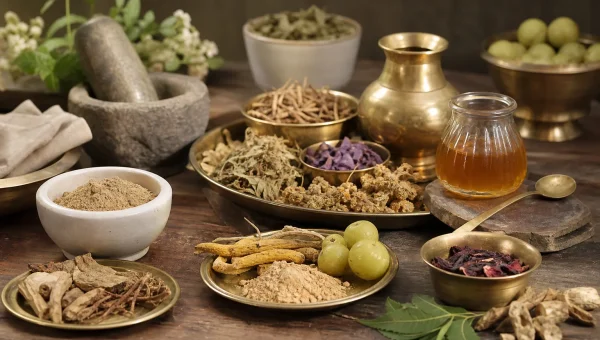
The first-month herbal focus should be simple and individualized. Classical care emphasizes digestion, Vata management, warmth, and nourishment rather than a large stack of supplements. Herbs and decoctions should be selected by a qualified Ayurvedic practitioner, especially when the mother is breastfeeding, recovering from surgery, taking medicines, anaemic, hypertensive, diabetic, or emotionally vulnerable.
- Panchakola-type digestive support: traditionally used with fat or warm water in early postnatal digestive care when suitable.
- Vata-pacifying decoctions: classical sources mention Vata-alleviating decoctions and Laghu Panchamoola when fat administration is unsuitable.
- Shatavari: traditionally used as a nourishing lactation-supportive herb, but it should not replace latch assessment, feeding support, hydration, adequate calories, and medical evaluation of low milk supply.
- Dashamoola: commonly used by Ayurvedic clinicians as a Vata-oriented ten-root preparation, but dose, timing, and suitability should be decided clinically rather than copied from a generic article.
Therapies in Month One
External care should be gentle, warm, and safe. Classical postnatal care includes abhyanga, abdominal support, hot water bathing or washing, sitz or hip bathing, and other local measures, but modern wound care and obstetric clearance come first.
- Abhyanga: warm oil massage may be used when there is no fever, infection, uncontrolled bleeding, painful wound, or medical restriction.
- Pelvic and lower-back care: the lower back, hips, thighs, and abdomen are traditionally emphasized because these regions bear the strain of pregnancy and delivery.
- Abdominal support: gentle abdominal wrapping is described traditionally, but it should not be tight, painful, restrictive to breathing, or placed over a tender surgical wound.
- Warm bathing: warm water bathing or washing is preferred over cold exposure.
- Emotional support: reassurance, calm companionship, reduced overstimulation, and help with the baby are part of the regimen, not optional luxuries.
Month Two: Days 31-60, the Rebuilding Phase
By the second month, many mothers can digest more substantial food, but this varies widely after difficult labour, caesarean birth, heavy bleeding, infection, sleep deprivation, anxiety, or breastfeeding challenges. The Ayurvedic shift is from protection alone toward gradual rebuilding with warm, cooked, nourishing foods.
Diet in Month Two
The second month may include more complete meals while still keeping the food warm, cooked, moist, and digestible. The emphasis is on rebuilding strength without creating heaviness.
- Cooked rice, wheat, millets, or other suitable grains with ghee.
- Well-cooked dals, especially lighter preparations if digestion remains sensitive.
- Root vegetables, pumpkin, bottle gourd, ridge gourd, carrots, and other soft cooked vegetables.
- Soaked dates, figs, raisins, or almonds in small quantities when digestion is strong.
- Warm milk with ghee or Shatavari only when milk is tolerated and Kapha-type heaviness is absent.
- Simple soups, stews, and broths for mothers who need more warmth and hydration.
Herbs in Month Two
Month two is a more appropriate time to consider deeper Brimhana and Rasayana measures, but only after the early signs of Ama have settled. The following table gives a corrected, cautious way to understand commonly discussed postpartum herbs.
| Herb or Preparation | Traditional Postnatal Use | Best Use Window | Safety Note |
|---|---|---|---|
| Shatavari (Asparagus racemosus) | Nourishing, lactation-supportive, Rasa-oriented care | When digestion is stable and lactation support is needed | Use with practitioner guidance; low milk supply also needs lactation assessment. |
| Dashamoola / Vata-alleviating decoctions | Vata-oriented postpartum support, especially when there is stiffness, pelvic discomfort, or depletion | After individual assessment | Decoctions are medicinal; dose and duration should be prescribed. |
| Vidari Kanda (Pueraria tuberosa) | Sweet, nourishing, strength-supportive herb used in Brimhana contexts | After Agni is stronger | Avoid self-prescribing if there is heaviness, poor digestion, diabetes, or medication use. |
| Guduchi (Tinospora cordifolia) | Traditionally valued in Ayurveda as a restorative herb | Only when specifically indicated | Not a routine postpartum herb for everyone; use professional guidance. |
| Ashwagandha (Withania somnifera) | General strength-supportive herb in Ayurveda | Not a default early breastfeeding herb | Breastfeeding safety data are limited; avoid self-use while nursing a newborn or preterm infant. |
Therapies in Month Two
The second month may include continued gentle oil massage, warm bathing, short walks, restorative breathing, and very mild mobility work. Strong abdominal work, intense yoga, long travel, heavy lifting, sexual activity before comfort and medical readiness, and sleep deprivation remain common aggravators of Vata.
Month Three: Days 61-90, the Restoration Phase
Month three is the restoration phase. The mother may look outwardly recovered, but lactation, sleep, pelvic floor strength, menstrual return, mood, digestion, and energy may still be adjusting. Ayurveda continues to favour warmth, regularity, nourishing cooked foods, and a gradual return to ordinary activity.
Diet in Month Three
Diet can move closer to the mother’s normal pattern, but the best foods remain warm, cooked, moist, and satisfying. Raw foods, fermented foods, cold drinks, and very spicy meals can be reintroduced only if appetite is clear, bowel movement is regular, there is no bloating, and the mother feels steady after eating them.
Rasayana in Month Three
Rasayana support may be considered in the third month when digestion is stable. Chyawanprash, Amalaki, Shatavari preparations, Vidari, or other nourishing formulations may be chosen by a practitioner according to constitution, lactation, bowel habits, sugar tolerance, medications, and the mother’s recovery pattern.
Returning to Movement
Modern postpartum exercise guidance also supports a gradual return. Gentle walking, pelvic-floor work, breath-led movement, and light stretching may begin when medically safe and comfortable. High-impact exercise, heavy weight training, strong abdominal work, or intense heat-based practices should wait until the mother has adequate healing, pelvic-floor readiness, and clinician clearance.
The Practical Modern Adaptation
Many mothers cannot follow an old-style postpartum household model with extended seclusion, multiple attendants, and daily therapist-led care. The essential adaptation is to protect the principles even when the form changes.
- Arrange help for food, laundry, older children, and visitors before the birth whenever possible.
- Keep the first six weeks warm, quiet, and digestion-friendly.
- Eat fresh cooked meals rather than relying on cold leftovers and snacks.
- Use brief self-abhyanga, warm showers, or warm foot massage when full massage is not available.
- Get lactation help early rather than relying only on herbs for milk supply.
- Build a postpartum medical plan, including obstetric follow-up, mental-health support, and primary care handover when needed.
- Use herbs only after checking breastfeeding safety, wound healing, medicines, bleeding, blood pressure, digestion, and the baby’s condition.
When to Seek Help Promptly
Sutika Paricharya should never delay medical care. Heavy bleeding, fever, foul-smelling discharge, severe abdominal or pelvic pain, chest pain, breathlessness, severe headache, high blood pressure symptoms, wound redness or discharge, calf pain, inability to sleep for prolonged periods, thoughts of self-harm, or frightening mood changes require prompt medical attention.
For related emotional care, see our guide on grief and emotional healing by dosha. For gentle later movement, see the postnatal yoga and Ayurvedic recovery guide.
Safety disclaimer: This article is for educational purposes only and does not substitute for professional medical care. Postpartum health is complex. Consult your obstetrician, midwife, lactation professional, primary healthcare provider, and a qualified Ayurvedic practitioner before starting herbs, supplements, medicated oils, abdominal wrapping, massage, detoxification, exercise, or therapeutic protocols, especially while breastfeeding, after caesarean birth, after heavy bleeding, with mood symptoms, or while taking medication.
References
- Jaims (jaims.in)
- Charaka Samhita — Sutika Paricharya
- Miracledrinksclinic (miracledrinksclinic.com)
- A Double-Blind Randomized Clinical Trial for Evaluation of Galactogogue Activity of Asparagus racemosus Willd (2011), PubMed Central
- NCBI
- Pueraria tuberosa: A Review on Traditional Uses, Pharmacology, and Phytochemistry (2020), PubMed Central
- Tinospora cordifolia (Willd.) Hook. f. and Thoms. (Guduchi) – validation of the Ayurvedic pharmacology through experimental and clinical studies (2010), PubMed Central
- Botanical identity of plant sources of Daśamūla drugs through an analysis of published literature (2012), PubMed Central
- Arpqc (arpqc.org)
- ACOG
- NCCIH
- Ia800501 (ia800501.us.archive.org)


the distinction between month 1 (complete rest, Ghee emphasis), month 2 (gradual reintroduction), and month 3 (rebuilding) gave my postpartum experience structure it lacked after my first child.
for women who had premature delivery, is the 3-month protocol the same or does prematurity change the recovery timeline?
That’s a really important question. I’d imagine that with a premature birth the mother’s body has also not completed the full physiological preparation of late third trimester, so the depletion may actually be greater. Curious whether the protocol accounts for that or whether the three-month frame stays fixed regardless.
Good question to raise. I was wondering the same thing — especially for preterm births where labour was induced or there was a stressful NICU situation running alongside. The emotional and physical depletion in those cases must affect how the body responds to the recovery protocol. 🙌
That’s something I was wondering about too. My mother had gestational cholestasis during her second pregnancy and the idea of a ghee-heavy diet in the first month would have alarmed her doctors. Is the ghrita component adjustable, or is it considered non-negotiable for rebuilding agni postpartum?
Completely agree with your point — the protocol assumes someone is bringing warm food, watching the baby, and giving the mother rest, not that she’s home alone by day four. I had my first baby in a city far from family and reading this honestly made me grieve a little for what I missed. Would love to see a version of this adapted for single-household realities.
The story about your cousin is painfully relatable. A friend of mine did exactly the same thing after her second delivery and spent the next two years fighting what her doctors called ‘post-viral fatigue’ but looking back it sounds a lot like depleted ojas from ignoring the recovery window. Does the protocol differ much between first and subsequent deliveries?
the Ghrita-dominant diet in month 1 is this appropriate for women with pre-existing cholesterol issues or history of gestational cholestasis?
for C-section recovery specifically, does the Sutika Paricharya timeline adjust? the incision healing adds a constraint that vaginal delivery protocols don’t have. 🌿
the social isolation aspect of traditional Sutika Paricharya is this still recommended or has the protocol been adapted for modern postpartum mental health awareness?
My sister-in-law is seven months postpartum and still struggling with joint pain and exhaustion. Reading about Sutika Paricharya made me realize she probably pushed back to normal activity far too early. Is the three-month protocol still worth starting this late, or is it only effective in that immediate postpartum window?
Sutika Paricharya month wise is helpful. postpartum advice gets too random from aunties and reels
The dietary guidance in the first month here is so specific — the emphasis on easy-to-digest foods and warming spices makes sense for restoring digestive fire after delivery. Did anyone find it difficult to maintain the prescribed meal rhythm while also waking multiple times at night for feeds? That tension seems like the hardest practical part.
@Steve the Ghrita-dominant diet in month 1 is this appropriate for women with pre-existing cholesterol issues or history of gestational cholestasis?
for C-section recoveey specifically, does the Sutika Paricharya timeline adjust? the incision healing adds a constraint that vaginal delivery protocols dont have.
followed the Sutika Paricharya protocol as closely as possible with my doula’s guidance. 3 months postpartum and my energy recovery and milk supply have been noticeably better than after my first delivery.
postpartum depression affects about 15% of women amd requires proper mental health support. the article doesnt address when the protocol is insufficient and professional support is needed. tbh
The breakdown of Vata subtypes really clarified why joint pain and mood swings can linger after birth.
Noted.
@Sandeep postpartum depression affects about 15% of women and requires proper mental health support. the article doesn’t address when the protocol is insufficient and professional support is needed.
Thanks!
I wonder how feasible the forty-two day no cold food rule is for someone returning to a desk job after two weeks.
for women who had premature delivery, is the 3-month protocol the samr or does prematurity change the recovery timeline? tbh
Reading this made me think about how many women in my family recovered poorly after childbirth and it was just accepted as normal exhaustion. The cousin’s story in the opening — back at the laptop on day four — sounds like every new mother I know. Wish this kind of structured approach was more widely available through mainstream maternity care.
@Sarah followed the Sutika Paricharya protocol as closely as possible with my doula’s guidance. 3 months postpartum and my energy recovery and milk supply have been noticeably better than after my first delivery.
postpartum depression affects about 15% of women and rrquires proper mental health support. the article doesnt address when the protocol is insufficient and professional support is needed. tbh
Interesting.
Reading about Samsarjana Krama made me reconsider the rush to eat solid meals right after delivery.
The mention of Shatavari in warm milk twice daily matches what my doula suggested for lactation support.
the distinction between month 1 (completr rest, Ghee emphasis), month 2 (gradual reintroduction), and month 3 (rebuilding) gave my postpartum experience structure it lacked after my first child.
It seems the protocol assumes a supportive household; single parents might need adapted strategies.
I appreciated the note about gradually reintroducing raw foods only when Agni feels strong.
The month-by-month breakdown is really what makes this useful — knowing that the first month is about stabilizing agni and the third about rebuilding strength gives the whole process a logical shape. I’m curious whether the herbal formulations recommended here differ significantly between Kerala and North Indian traditions of Sutika Paricharya.
The suggestion to use Dashamoola Kwatha for uterine Vata restoration caught my attention.
the social isolstion aspect of traditional Sutika Paricharya is this still recommended or has the protocol been adapted for modern postpartum mental health awareness? tbh