
My grandmother kept a clay pot on her kitchen shelf that she never, ever let go empty. It was her Takra pot, always filled with freshly churned buttermilk, seasoned and waiting. Many meals in her home ended the same way: she would press a small brass tumbler of spiced Takra into your hands before you could even push back your chair. “Sit,” she would say. “Let the meal settle properly.” I grew up thinking this was just a family habit. Years later, while studying Ayurvedic food traditions, I understood that she was practicing a well-known dietary method from classical Ayurveda.
Ayurvedic buttermilk, or Takra, is one of Ayurveda’s most valued post-meal preparations for supporting digestion, Agni, and comfortable elimination. Classical Ayurvedic texts describe Takra as light, digestive, and grahi, meaning it helps absorb and consolidate in conditions of loose or irregular bowel tendency. It is especially discussed in relation to Grahani, the Ayurvedic disorder category associated with impaired digestive fire and unstable digestion.
In this post, I want to share six Takra recipes that are practical enough for a modern kitchen while staying close to Ayurvedic logic. Each variation has a specific purpose: general digestion, heavy post-meal sluggishness, Pitta-type burning, irregular stools, gas and bloating, or Vata-type evening unsettledness. The measurements are intentionally modest so that the drink remains a digestive support rather than a heavy food.
What Makes Takra Different from Regular Buttermilk
Traditional Ayurvedic Takra is not exactly the same as many carton-style buttermilk products. In the Ayurvedic kitchen, Takra is prepared by churning curd or yogurt with water. Depending on the person’s digestion, strength, and dosha condition, the fat may be fully removed, partly removed, or retained. This churning and dilution make Takra lighter than plain curd and easier to use after meals.
Classical Ayurveda does not treat all buttermilk as one uniform drink. Charaka describes different forms according to how much fat is removed: fully de-fatted, half de-fatted, and non-de-fatted buttermilk. The lighter forms are preferred when digestion is weak, Kapha is heavy, or stool is unstable; richer forms are more nourishing and should be used with more discrimination.
- Light Takra: Curd or yogurt churned with extra water and the fat skimmed away. This is the most useful style for daily digestive support.
- Moderate Takra: Curd or yogurt churned with water, with only part of the fat removed. This suits people who need digestive support but are not depleted.
- Richer Takra: Churned curd with little fat removed. This is heavier and more nourishing, but less suitable for sluggish digestion, Kapha heaviness, or congestion.
For the recipes below, the base preparation is a light, practical household Takra. It is thin, pourable, gently sour, and easy to season with digestive spices.
The Base Recipe: How to Make Proper Takra at Home
All six recipes below begin with this base. Freshly prepared Takra has the cleanest taste and the best texture. Use plain, fresh curd or yogurt without sugar, fruit, stabilizers, or artificial flavors.
- Measure 1/2 cup (120 ml) fresh plain curd or yogurt, preferably made from cow’s milk.
- Add 1.5 cups (360 ml) room-temperature water. Avoid ice-cold water, because Takra is traditionally taken at room temperature or only mildly cool.
- Churn vigorously with a wooden churner, hand whisk, or blender on low speed for 30 to 45 seconds.
- Skim off any butter or fatty foam that rises to the surface, especially if you want a lighter digestive preparation.
- The remaining liquid is your Takra base, yielding about 480 ml. Stir once more before seasoning.
Drink Takra fresh, after the main meal, rather than sipping it constantly through the day. Lunch is usually the best time because digestive fire is traditionally considered strongest at midday.
Six Takra Variations for Post-Meal Digestion
These six variations use familiar Ayurvedic kitchen ingredients. Start with the smaller amount of each spice, observe how your body responds, and adjust gradually under sensible guidance.
Recipe 1: Classic Jeera Takra for General Digestion
This is the simplest everyday version: light Takra with roasted cumin and rock salt. It is pleasant, easy to digest, and suitable for many people after lunch.
| Ingredient | Amount | Ayurvedic Purpose |
|---|---|---|
| Takra base | 480 ml | Light post-meal digestive base |
| Cumin seeds (jeera), dry-roasted and ground | 1/4 to 1/2 tsp | Deepana, pachana, grahi, and ruchya |
| Rock salt | 1/8 to 1/4 tsp | Improves taste and supports a savory digestive profile |
| Fresh curry leaves, finely chopped | 4 to 5 leaves | Aromatic kitchen herb for freshness and flavor |
Stir all ingredients into the Takra base and drink at room temperature soon after finishing lunch. This is the best starting recipe for someone new to ayurvedic buttermilk Takra.
Suggested use: 150 to 250 ml after lunch. If it suits you well, the serving can be increased up to one small tumbler.
Recipe 2: Trikatu Takra for Slow, Heavy Digestion
When meals leave you feeling heavy, dull, or sluggish, Ayurveda often thinks in terms of Manda Agni, or slow digestive fire. Trikatu is the traditional three-spice combination of dry ginger, black pepper, and long pepper. It is sharp and warming, so a little is enough.
- Takra base: 480 ml
- Trikatu powder: 1/8 tsp to start, increasing only if well tolerated
- Roasted cumin powder: 1/4 tsp
- Rock salt: 1/8 tsp
Whisk the spices into the Takra until evenly mixed. Sip slowly after lunch, especially after a meal that feels heavy, oily, or Kapha-promoting.
Suggested use: 150 to 200 ml after lunch. Avoid this version when there is burning acidity, active mouth ulcers, strong Pitta aggravation, or a tendency toward heat and irritation.
Recipe 3: Shatavari Takra for Pitta-Type Burning After Meals
Some people do not need sharper spices after food; they need a gentler, cooler preparation. Shatavari (Asparagus racemosus) is classically described as cooling, nourishing, and Pitta-pacifying. In small amounts, it can be used in a softer Takra variation for people who feel heat or burning after meals.
- Light Takra base: 480 ml
- Shatavari powder: 1/4 tsp
- Cardamom powder: 1/8 tsp
- Fennel seed powder: 1/8 tsp
- Rock sugar or mishri: a small pinch, optional
Mix thoroughly and drink mildly cool or at room temperature, never ice-cold. This preparation is best suited to warm seasons, Pitta-dominant constitutions, and meals that leave a sour or burning sensation.
Suggested use: 150 to 250 ml after lunch. Persistent reflux, severe burning, vomiting, unexplained weight loss, black stools, or difficulty swallowing should be assessed by a qualified healthcare provider.
Recipe 4: Bilva Takra for Loose or Irregular Stools
Bilva (Aegle marmelos) is one of Ayurveda’s important herbs for the lower digestive tract. The unripe or half-ripe fruit pulp is described as deepana, pachana, and grahi, making it especially relevant when digestion is weak and stools are loose or inconsistent.
- Takra base: 480 ml
- Bilva fruit powder: 1/4 tsp
- Roasted cumin powder: 1/4 tsp
- Dry ginger powder: 1/8 tsp
- Rock salt: 1/8 tsp
Bilva powder may not dissolve completely. Stir well, drink slowly, and keep stirring between sips so the powder remains evenly suspended.
Suggested use: 150 to 250 ml after lunch for a few days when stools are loose or irregular. Avoid this version if you are constipated, dehydrated, passing blood, or experiencing severe abdominal pain.
Recipe 5: Ajwain and Hing Takra for Gas and Bloating
Ajwain and hing are classic kitchen allies when gas, gurgling, and abdominal bloating follow meals. In Ayurvedic terms, this combination supports Vata anulomana, the proper downward movement of Vata, while also helping Agni.
- Takra base: 480 ml
- Ajwain seeds, lightly roasted and crushed: 1/4 tsp
- Hing powder: a tiny pinch, about 50 to 100 mg
- Rock salt: 1/8 tsp
- Fresh lime juice: 1/2 tsp, optional
For the best flavor, warm a few drops of ghee in a small pan, add the hing for a few seconds, turn off the heat, and then stir this into the Takra. Do not boil the Takra. Add the crushed ajwain and rock salt at the end.
Suggested use: 150 to 200 ml after meals that commonly cause gas, such as heavy lentil preparations or large mixed meals. Use hing sparingly; more is not better.
Recipe 6: Ashwagandha-Nutmeg Takra for Vata-Type Evening Unsettledness
Stress, irregular routines, late meals, and overwork can disturb Vata and make digestion feel unsettled in the evening. Ashwagandha (Withania somnifera) is classically described as rasayana, balya, and Vata-Kapha pacifying. Nutmeg is warming and grahi, so only a very small pinch is used.
- Takra base: 480 ml
- Ashwagandha root powder: 1/4 tsp
- Nutmeg, freshly grated: a very small pinch
- Cardamom powder: 1/8 tsp
Whisk well and take at room temperature after an early, light dinner. This is the most grounding of the six preparations, but it is not the right choice for everyone because ashwagandha is a medicinal root rather than a simple culinary spice.
Suggested use: 100 to 200 ml after dinner when appropriate. Avoid self-prescribing ashwagandha during pregnancy, while nursing, with sedative medications, or with complex medical conditions unless supervised by a qualified practitioner.
Practical Tips for Making Takra a Daily Habit
The biggest barrier I hear from clients is time. “I cannot churn yogurt after every meal.” I understand. The solution is to keep the base simple and season only the portion you are about to drink.
- Prepare plain Takra base in the morning if needed, then keep it covered and refrigerated.
- Take out your portion before the meal so it is not ice-cold when you drink it.
- Add spices fresh each time. Roasted cumin, crushed ajwain, and cardamom lose aroma when left soaking for too long.
- Do not make every version at once. Choose the variation that matches the meal and your digestive state.
- Begin with smaller servings. A few mindful sips after food are often better than a large glass taken out of habit.
Who Should Be Cautious with Takra
Takra is widely used in Ayurvedic dietetics, but it is still a dairy preparation and must be matched to the person. The right form, amount, timing, and spices matter.
- People with dairy allergy should avoid Takra unless cleared by a qualified healthcare provider.
- People with lactose intolerance or dairy sensitivity should start only with a very small amount, or avoid it if symptoms occur.
- Those with active fever, severe diarrhea, blood in stool, persistent vomiting, dehydration, or severe abdominal pain should seek medical care instead of relying on home preparations.
- People with strong burning acidity should avoid sharp versions such as Trikatu Takra and Ajwain-Hing Takra unless guided by a practitioner.
- Pregnant or nursing individuals, children, elderly people with frailty, and anyone taking prescription medicines should consult a qualified practitioner before using medicinal herbs such as trikatu, bilva, shatavari, or ashwagandha regularly.
A Final Word from My Grandmother’s Kitchen
I still make Jeera Takra after lunch when the meal calls for it. My tumbler is smaller than my grandmother’s, and my kitchen is in a city apartment rather than a courtyard, but the ritual is the same. There is something deeply settling about ending a meal with intention, with a preparation that says to your body: I fed you, and now I am helping you receive what I gave you.
The six recipes above are starting points. As you become more familiar with how each preparation feels, you will begin to notice which one suits a given day: cumin for steadiness, trikatu for heaviness, shatavari for heat, bilva for looseness, ajwain-hing for gas, and ashwagandha-nutmeg for Vata-type evening unsettledness. That sensitivity, that ongoing conversation between food and awareness, is what ayurvedic buttermilk Takra is really teaching.
Disclaimer: This article is for educational purposes only and reflects traditional Ayurvedic dietary practices. It is not a substitute for professional medical advice, diagnosis, or treatment. If you have a diagnosed gastrointestinal condition, are pregnant or nursing, are preparing food for a child or elderly person, or are taking prescription medications, consult a qualified healthcare provider or Ayurvedic practitioner before beginning any new dietary or herbal regimen. Individual responses vary; discontinue use if adverse reactions occur.
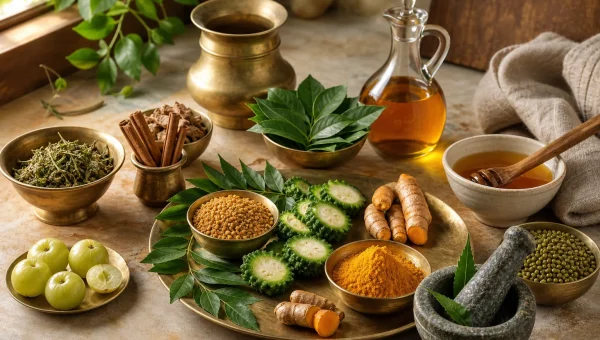
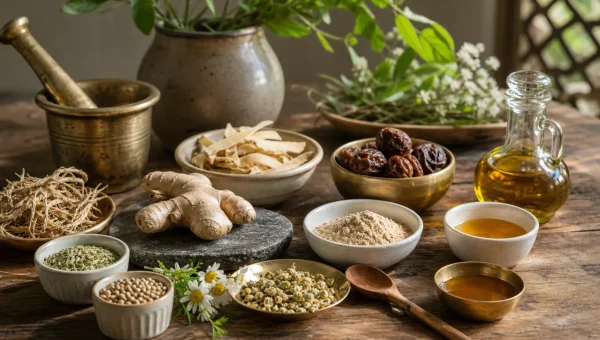
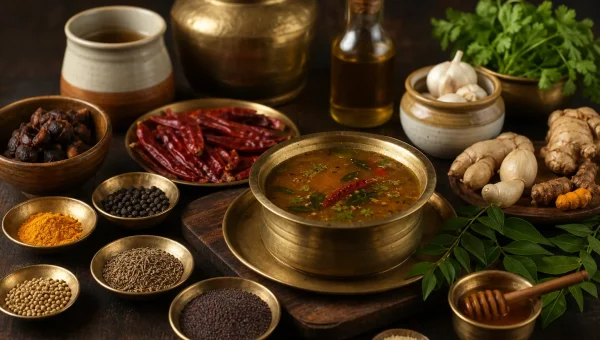
The grandmother’s Takra pot is an image I grew up with. Same practice, same brass tumbler, same instruction to sit and let the meal settle. I thought it was ritual. Now I understand it as clinical nutrition that happens to have been preserved through daily practice.
The cumin and mustard seed spicing of buttermilk for Vata versus leaving it plainer for Pitta makes sense from the perspective of what each dosha needs but I would like to understand the mechanism better. Is the spice acting on the digestion or on the quality of the buttermilk itself?
The summer variation using churned buttermilk with cooling herbs has been my family’s post-lunch staple for two generations. I never knew the clinical rationale for the summer timing. The fact that it reduces Pitta while supporting digestion in the hottest part of the day makes retrospective sense.
The Buttermilk Variations section feels grounded enough to try carefully. I would like to know how long to try it before judging results.
I have been lactose intolerant most of my life and avoided all dairy. After reading that properly fermented buttermilk is often tolerated by lactose-intolerant people because the lactose is largely consumed during fermentation, I tried the plain Takra preparation. No issues after 3 weeks. This is something my gastroenterologist did not know.
Anyone else tried this for longer than 6 months? Wondering about long-term effects
The brass tumbler detail really brings the grandmother’s ritual to life.
Takra after every meal for 6 weeks has completely resolved the post-meal heaviness I have had for years. I was treating it with antacids. The buttermilk works better and without the side effects.
The distinction between churned buttermilk and diluted yogurt sold as buttermilk commercially is important. What most supermarkets sell as buttermilk is not Takra in the classical sense and the therapeutic properties are different. This needs to be clearer in the article.
Wondering how the 1:3 yogurt-to-water ratio compares to store-bought buttermilk in texture.
What is the recommended quantity of Takra per meal for the digestive protocol? I have been taking a small glass about 150ml but some traditional recipes suggest as little as a quarter cup. Is there a minimum effective amount?
Thanks!
The Jeera Takra recipe sounds like an easy way to add cumin after lunch.
I was looking for a plain explanation of Buttermilk Variations. Would be useful to see a short checklist next.
Has anyone tried the Bilva Takra for irregular stools and noticed a difference?
Is Takra contraindicated for people with hypothyroidism? I have read that fermented dairy and Brassica-family herbs can interfere with thyroid medication. I want to make sure the spiced buttermilk is safe for my condition.
The digestive timing section makes me realize I was drinking it wrong before meal not after
I appreciate the caution about not adding honey to warm Takra; that’s a useful tip.
The jeera and ginger variation described in the third recipe is very close to what my grandmother made after every large meal. I always thought of it as just a family custom, not something with actual digestive logic behind it. Now I’m curious — is fresh ginger significantly different from dry ginger powder in this context, or can you substitute one for the other without losing much?
In our house growing up in Kerala, the post-meal Takra was non-negotiable too, though ours was always seasoned with roasted cumin and a bit of dry ginger rather than curry leaves. I never thought much about it until I started having digestive trouble in my thirties and went back to the habit almost by instinct. Is there a meaningful Ayurvedic distinction between the jeera-based and curry leaf-based versions in terms of what they target?
The section on dosage was the most practically useful for me
I tried a similar approach last year but without the specific sequencing. Wonder if that’s why it didn’t work
The addition of hing (asafoetida) for Vata types how much without making it taste too strong?
Is this suitable for elderly patients or does the dosage need adjustment?
This explains something I’ve experienced but couldn’t name. Good validation
The Trikatu Takra seems perfect for those heavy post meal feelings.
My doctor dismissed this as pseudoscience. Going to try it anyway and report back
The connection between gut health and this condition is the angle most allopathic doctors miss
The Kapha version with ginger and black pepper vs the Pitta cooling version opposite approaches. Interesting
Curious if the Ashwagandha Takra could help with evening stress related bloating.
Shared this with my Ayurveda practitioner. She agreed with most points 🌿
The Ayurvedic framing made this topic much easier to understand than the Western medical version 💯
Useful post
Does this apply to children or only adults?
The Shatavari version looks ideal for calming acid reflux during hot months.
The traditional context helps understand why it’s done this way. Not just ‘eat this herb’
For lactose sensitive people is takra still okay or does it contain lactose?
Not skeptical about Ayurveda generally but some claims here need stronger evidence
Same here
Does the fermentation time affect which version is better for which dosha?
The kadhi version you mentioned how does it compare to plain takra for gut health?
I find the tip about preparing a base each morning very practical for busy days.
The article makes a strong case for Takra being more than just a drink.
My IBS symptoms are much better on days I drink jeera chaas after lunch. This validates it
Are there clinical studies backing the specific herb combination you mentioned?
I appreciate how specific the instructions are compared to most Ayurveda articles
Would love a follow-up article going deeper on the herb preparation methods
It’s interesting to see modern gut health research aligning with ancient texts.
The dosage range given is wide. Is there a way to determine where in the range I should start?
Will try
started this 3 weeks ago, too early to say but the process itself feels right
Sorry off-topic but anyone here used Ayurveda for hair fall? Would love recommendations
The Buttermilk Variations explanation is clearer than most short posts. I appreciate that it does not oversell the result.
good info, sharing with my father who has been looking for something like this
Been following Ayurveda for 5 years and this article still taught me something new
The contraindications section was important and often missing from similar articles
Doing this 🙏
How long typically before seeing results with this approach?
Did this for 6 weeks exactly as described, going to update here with results ❤️
Does this protocol change if someone is pregnant or breastfeeding? ✨
What’s the typical duration of the treatment before reassessing?
Where do you recommend sourcing the herbs mentioned here in India? ✨
The seasonal variation angle is underused in most health content. Good to see it here
Can this be combined with modern medication or is it better standalone?
Tried all 6 variations over 2 weeks. The curry leaf version is my favourite honestly
tbh wasnt expecting much from this but the specifics are actually helpful
Is the morning or evening timing more important for this protocol overall?
Does commercially available buttermilk have the same properties or only fresh churned version?
Good information on this topic.
Helpful article, thank you.
Tried this, results were good.
Interesting perspective here.
Will try this approach soon.