
You have probably walked past it a hundred times. It sits in your kitchen cabinet next to the rice flour and the red chilli powder. Besan, also known as gram flour or chickpea flour, is a practical base for traditional Indian ubtan-style skincare: inexpensive, easy to mix, and gentle when used with light pressure on intact skin.
Besan is best understood as the base of the preparation rather than as a substitute for medical skincare. Its fine powdery texture helps lift loosened surface debris, while milk, yogurt, honey, aloe, oils and classical herbs can be chosen according to skin type. Because it can feel drying, oily or Kapha-leaning skin usually tolerates it better; dry or Vata-leaning skin should use it with fat-rich ingredients such as cream, ghee, oil, or milk.
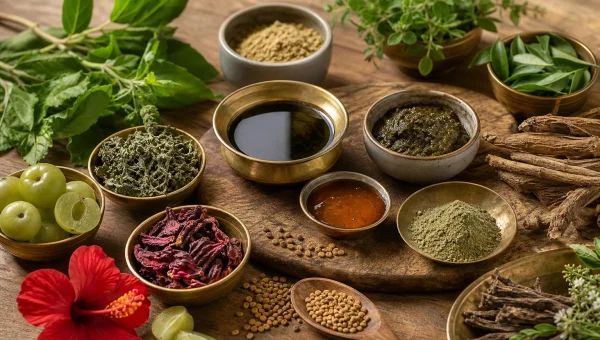
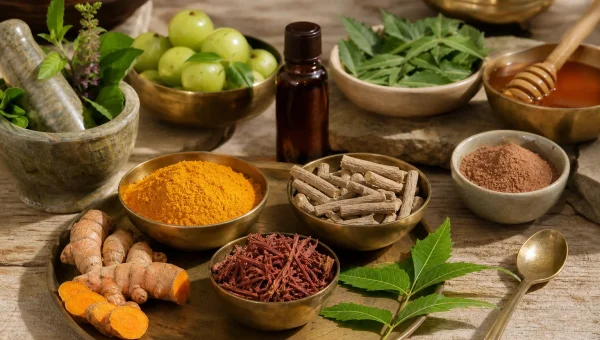
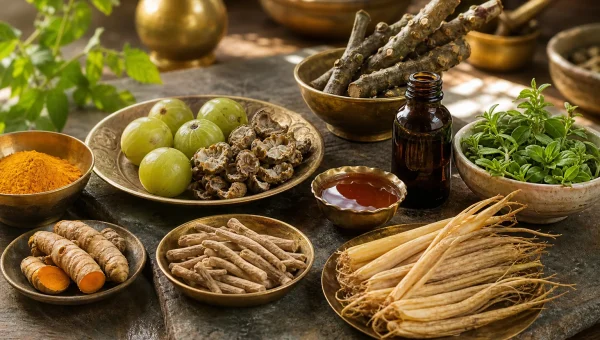
The recipes below pair besan with familiar Ayurvedic skincare herbs: Haridra (turmeric), Nimba (neem), Manjistha, Shvetachandana (white sandalwood), Yashtimadhu (licorice), Kumkuma (saffron), and Amalaki. Use these packs as cosmetic self-care for cleansing, mild exfoliation, temporary brightness, softness, and oil management.
Here are five measured recipes with application instructions and practical cautions so you can choose the right besan pack for your skin concern.
Recipe 1: Classic Besan and Turmeric Brightening Ubtan
This is the familiar household-style face pack made with besan, a small amount of turmeric, milk or yogurt, and honey. In Ayurvedic language, Haridra is associated with varnya complexion support and skin-use contexts, while besan provides the soft powder base for a gentle polish.
Ingredients
Keep the turmeric quantity small; a pinch is enough for facial use and helps reduce the chance of yellow staining.
- 2 tablespoons besan
- 1/8 teaspoon turmeric powder
- 1 tablespoon milk for normal-to-dry skin, or plain yogurt for oily skin
- 1 teaspoon honey
- A few drops of rose water or plain water, only if needed for consistency
Steps
Mix this pack into a soft paste before applying; the paste should spread easily without dragging the skin.
- Place the besan and turmeric in a clean bowl.
- Add milk or yogurt gradually and stir until smooth.
- Mix in honey and adjust with rose water or plain water if the paste is too thick.
- Apply evenly to clean skin, avoiding the under-eye area, eyebrows, lips, and broken skin.
- Leave on for 10 to 15 minutes, before it becomes fully hard and cracking.
- Wet your fingers and soften the mask first, then massage very gently for a few seconds and rinse completely.
Frequency: Once or twice per week.
Best for: Dullness, uneven-looking surface texture, and a tired complexion. This version omits lemon juice because citrus juice can irritate skin and may worsen pigmentation when followed by sun exposure.
Why This Supports Brightness
Haridra is a classical Ayurvedic skin herb, and turmeric naturally contains curcumin. Milk, yogurt, and honey make the paste smoother and reduce friction, while besan offers mild physical cleansing when removed gently with water.
Recipe 2: Besan Pack with Neem and Manjistha for Oily, Blemish-Prone Skin
This pack is designed for oily, congested, or blemish-prone skin that needs a cleaner, less greasy feel. Nimba is bitter, cooling, and traditionally used in skin contexts; Manjistha is valued in Ayurveda for complexion and inflammatory skin presentations.
Ingredients
Use a modest amount of neem powder, especially if your skin is sensitive, because bitter and drying herbs can be too strong when overused.
- 2 tablespoons besan
- 1/2 teaspoon neem powder, or 1 tablespoon fresh neem leaf paste
- 1/2 teaspoon Manjistha powder
- 1 tablespoon rose water
- 1/2 teaspoon honey, optional
- 1 drop tea tree essential oil, optional and only if previously tolerated
Steps
The goal is a moist mask, not a tight crust; do not let this recipe dry painfully on active breakouts.
- Combine besan, neem powder, and Manjistha powder.
- Add rose water slowly and mix into a smooth paste.
- Add honey if your skin feels irritated or tight easily.
- If using tea tree oil, add only one drop to the full batch and mix thoroughly; skip it if you have sensitive skin or a history of fragrance allergy.
- Apply a thin layer to acne-prone areas such as the forehead, nose, chin, and jawline.
- Leave on for 8 to 12 minutes, keeping the mask slightly damp if needed.
- Rinse with lukewarm water and pat dry with a clean towel.
Frequency: Once or twice per week for oily skin. Do not use daily.
Best for: Excess oil, clogged-feeling skin, and mild blemish-prone areas. For painful cystic acne, widespread inflamed acne, or acne that is leaving scars, use this only after professional guidance.
Ayurvedic Note
Nimba and Manjistha are not moisturising herbs; they are better suited to oily, heat-prone, or congested presentations. If the pack leaves your face tight, reduce the frequency, add honey, or choose the dry-skin recipe instead.
Recipe 3: Besan, Sandalwood and Yashtimadhu Pack for Sun-Exposed Skin
This cooling pack is for skin that looks dull, uneven, or heated after ordinary sun exposure. Shvetachandana is classically cooling and complexion-supporting, while Yashtimadhu is sweet, soothing, and traditionally associated with varnya and raktaprasadana actions.
Ingredients
Use genuine sandalwood from a trustworthy source and apply this recipe only to intact skin, not to blistered or actively sunburned skin.
- 2 tablespoons besan
- 1 teaspoon sandalwood powder
- 1/2 teaspoon Yashtimadhu powder
- 1 tablespoon aloe vera gel
- 1 to 2 tablespoons cold milk, rose water, or plain water
Steps
This pack should be applied as a smooth, cooling layer and removed without scrubbing.
- Blend besan, sandalwood powder, and Yashtimadhu powder in a bowl.
- Add aloe vera gel and mix well.
- Add cold milk, rose water, or plain water until the paste spreads easily.
- Apply an even layer to clean skin.
- Leave on for 10 to 15 minutes while keeping the mask from drying completely.
- Rinse with cool water without rubbing aggressively.
Frequency: Two to three times per week as needed.
Best for: A heated, dull, or tanned look after routine sun exposure. It is not a treatment for severe sunburn, blisters, burns, or persistent pigmentation.
Why This Combination Is Used
Sandalwood and licorice are both valued in complexion care. Aloe vera gel and cold liquid keep the paste comfortable, while besan gives the formula enough body to spread evenly and rinse away cleanly.
Recipe 4: Deep Moisturising Besan Pack for Dry Skin
Besan can feel drying when mixed only with water, so dry or Vata-leaning skin needs a richer formula. This version uses cream, ghee, saffron milk, and a few drops of Kumkumadi tailam to soften the powder base.
Ingredients
Use this recipe when your skin feels rough, tight, or undernourished, and avoid it if heavy oils easily trigger breakouts for you.
- 2 tablespoons besan
- 1 tablespoon full-fat cream or malai
- 1/2 teaspoon pure ghee, slightly warmed
- 2 to 4 drops Kumkumadi tailam
- 2 strands saffron soaked in 1 teaspoon warm milk for 10 minutes
Steps
The texture should be creamy rather than gritty; add a few extra drops of milk if the paste feels too thick.
- Soak saffron in warm milk for 10 minutes.
- Mix besan with cream and warmed ghee until smooth.
- Add the saffron milk and Kumkumadi tailam.
- Apply to clean skin in a thin, even layer.
- Leave on for 10 to 15 minutes.
- Rinse with lukewarm water and avoid harsh rubbing.
Frequency: Once per week, or twice per week only if your skin tolerates it well.
Best for: Dryness, rough texture, and a dull look in skin that tolerates dairy and oils. If you are acne-prone, use less ghee and patch test carefully.
Ayurvedic Note
Kumkuma is listed in Ayurveda as a complexion-supporting and rasayana-associated ingredient, and Kumkumadi tailam is a traditional saffron-based facial oil preparation. In this recipe, it is used in a small quantity to enrich the besan base.
Recipe 5: Nourishing Besan Pack with Amalaki, Ashwagandha and Rose
This pack is for mature, tired-looking, or dry-leaning skin that needs a softer finish rather than a strong drying mask. Amalaki is a classical Ayurvedic fruit and a rich source of vitamin C, while Ashwagandha is a classical root drug best known in Ayurveda for rejuvenative use.
Ingredients
Keep Ashwagandha powder low in quantity for facial use, as dense herbal powders can feel heavy or irritating if overused.
- 2 tablespoons besan
- 1/2 teaspoon Amalaki powder
- 1/4 teaspoon Ashwagandha powder
- 1 tablespoon rose water
- 1 teaspoon honey
- 1/2 teaspoon cold-pressed coconut oil or sesame oil
Steps
Blend the oil thoroughly into the paste so the mask applies evenly and does not separate on the skin.
- Mix besan, Amalaki powder, and Ashwagandha powder.
- Add rose water and honey and stir into a paste.
- Add coconut oil or sesame oil and blend until uniform.
- Apply to the face and neck with gentle upward strokes.
- Leave on for 10 to 15 minutes.
- Rinse with lukewarm water and follow with a light moisturiser if needed.
Frequency: Once or twice per week.
Best for: A dry, tired, or rough-looking complexion that benefits from a gentler, oil-softened besan pack. Deep wrinkles, laxity, and significant pigmentation require broader skincare and professional evaluation.
Ayurvedic Note
This recipe keeps the exfoliating role mild and emphasises nourishment. It is especially suitable when plain besan masks feel too drying but you still want the clean finish of an ubtan-style preparation.
Quick Reference: Which Pack Is Right for You?
Choose the recipe by skin condition, not by trend. The right besan pack should leave the skin comfortable, not burning, overly tight, or irritated.
| Recipe | Best For | Key Ingredients | Suggested Frequency |
|---|---|---|---|
| Classic Brightening Ubtan | Dullness and uneven surface texture | Besan, Haridra, milk or yogurt, honey | 1 to 2 times per week |
| Neem and Manjistha Pack | Oily, congested, blemish-prone skin | Besan, Nimba, Manjistha, rose water | 1 to 2 times per week |
| Sandalwood and Yashtimadhu Pack | Heated, sun-exposed, tanned-looking skin | Besan, Shvetachandana, Yashtimadhu, aloe | 2 to 3 times per week as needed |
| Deep Moisturising Pack | Dry, rough, Vata-leaning skin | Besan, cream, ghee, Kumkumadi tailam, saffron | 1 time per week |
| Amalaki and Ashwagandha Pack | Tired, dry-leaning, mature-looking skin | Besan, Amalaki, Ashwagandha, rose, honey, oil | 1 to 2 times per week |
General Tips for Better Results
Besan face packs work best when they are fresh, soft, and removed gently. Most irritation comes from over-scrubbing, leaving the mask until it cracks, or adding strong ingredients too often.
- Use fresh besan. Store it in an airtight container and discard it if it smells stale, sour, or rancid.
- Make each batch fresh. Do not store mixed masks, especially recipes containing milk, yogurt, cream, honey, aloe, or fresh leaf paste.
- Keep the paste moist. A fully dried, cracking mask can pull at the skin barrier and feel uncomfortable.
- Massage lightly. Let water soften the mask first, then use only gentle circular movements.
- Avoid lemon juice on the face. Citrus juice can irritate skin and may contribute to sun-related pigmentation problems.
- Use essential oils cautiously. Tea tree oil should never be applied undiluted; skip it if you have sensitive skin, eczema-prone skin, fragrance allergy, pregnancy concerns, or irritation.
- Moisturise afterwards. Aloe gel, a light non-comedogenic moisturiser, or a few drops of a suitable facial oil can reduce post-mask tightness.
What Besan Cannot Do
Besan packs are cosmetic home preparations for mild cleansing, oil management, softness, and temporary brightness. They are not treatments for cystic acne, melasma, rosacea, eczema, psoriasis, skin infections, burns, allergic rashes, or unexplained swelling. If your skin condition is painful, spreading, recurrent, scarring, or not improving, consult a qualified dermatologist, Ayurvedic practitioner, or healthcare provider.
Safety note: Natural ingredients can still cause irritation or allergy. Patch test a small amount before applying any new recipe to your face. Do not apply these packs on broken, infected, blistered, freshly waxed, or freshly shaved skin. If you are pregnant, breastfeeding, using prescription skin medication, or managing a medical skin condition, consult a qualified healthcare provider before using herbal or essential-oil preparations.
Besan has earned its place in Indian skincare because it is simple, adaptable, and easy to combine with Ayurvedic herbs. Choose the pack that matches your skin type, keep the application gentle, and let comfort be your guide.
Nothing in this article diagnoses, treats, cures, or prevents a medical condition. Use it as educational information and consult a qualified Ayurvedic practitioner, dermatologist, or physician for persistent skin concerns or therapeutic protocols.
References
- Nutritional composition, health benefits and bio-active compounds of chickpea (Cicer arietinum L.) (2023), PubMed Central
- Vogue (vogue.com)
- Ayurvedic Pharmacopoeia of India
- Curcumin inhibits melanogenesis in human melanocytes (2012), PubMed
- Ayurvedic Pharmacopoeia of India
- Ayurvedic Pharmacopoeia of India
- The efficacy of 5% topical tea tree oil gel in mild to moderate acne vulgaris: a randomized, double-blind placebo-controlled study (2007), PubMed
- Elucidating the Role of Santalol as a Potent Inhibitor of Tyrosinase: In Vitro and In Silico Approaches (2022), PubMed
- The inhibitory effect of glabridin from licorice extracts on melanogenesis and inflammation (1998), PubMed
- The Effect of Aloe Vera Clinical Trials on Prevention and Healing of Skin Wound: A Systematic Review (2019), PubMed Central
- Natural Ingredient Resource Center
- Natural Ingredient Resource Center
- Functional and Nutraceutical Significance of Amla (Phyllanthus emblica L.): A Review (2022), PubMed Central
- Phytophotodermatitis from making sangria: a phototoxic reaction to lime and lemon juice (2015), PubMed Central
- Aad (aad.org)
The 100 times walking past besan in the kitchen and never thinking to put it on your face that’s my experience exactly. It works better than every commercial scrub I’ve used and I’ve used many.
The saponin mechanism for lifting dirt without stripping this explains why besan doesn’t leave skin tight and squeaky the way soap does. It cleans without destroying the lipid barrier.
Do you have a recommended practitioner directory for people who want professional guidance?
Which liquid to mix with besan matters a lot and the article addresses this well. Milk for dry skin, yogurt for combination, rose water for Pitta. I tried all three and the yogurt version works best for my oily T-zone without drying my cheeks.
Quick clarification: the article mentions mixing besan with raw milk for the brightening pack, but can curd be substituted? I have a mild dairy sensitivity and find curd easier to tolerate than milk. Also wondering if the lactic acid in curd would add to or interfere with the exfoliation besan already provides.
yep the combination approach is what worked for me too. good to see it validated
I work in healthcare and appreciate the balanced approach here. Not anti-medicine, just complementary.
The microplastic concern from commercial scrubs is something I’ve thought about for years without acting on it. Besan eliminates that concern entirely and performs better than most scrubs I’ve used.
Applied the turmeric and besan pack last night for the first time and woke up to noticeably less redness around my nose. I was not expecting anything that fast. The staining on my fingertips took a day to fade though. Is using a brush instead of fingers going to reduce how well it works, or is it fine as long as the pack is applied evenly?
I appreciate the content but the formatting could use work. Hard to follow without clear numbered steps or a summary section.
Is besan from roasted chickpeas the same as raw gram flour for skincare? I’ve seen both at Indian grocery stores and wasn’t sure if the roasting changes the saponin profile or the exfoliation qualities.
Thank you for engaging with this so deeply! Your perspective adds so much value to the conversation here.
The safest part of the Besan Face Packs advice is keeping it simple. Would be useful to see a short checklist next.
appreciate that you mention when to see a doctor. responsible health content is rare these days
I have seborrheic dermatitis on my forehead. Is besan appropriate or would the granules irritate inflamed skin? I want to try it but am cautious about active skin conditions.
The safest part of the Besan Face Packs advice is keeping it simple. This is the kind of detail readers can test slowly.
My partner was skeptical but tried it after reading this. Now they’re a convert.
Interesting perspective, but I’ve read contradicting information from other Ayurvedic sources. How does a beginner know who to trust?
finally an article that gets the balance right. not too simple not too complex
Pack 2 with turmeric and honey for acne-prone skin I’ve used this 3 times a week for a month. My closed comedones are dramatically reduced and the active pimples healed twice as fast. Simple formula, remarkable results.
The shelf stability of besan means you can make large batches and keep them dry. Unlike most DIY skincare that requires refrigeration or preservatives, this is genuinely convenient for daily use.
After using the besan and turmeric mask twice a week, my complexion feels smoother and looks less dull.
How do you distinguish between a genuine healing response and placebo when monitoring progress with besan? What objective markers should I track?
Curious if the neem and tea tree version works well for hormonal breakouts around the menstrual cycle.
Just mixed sandalwood powder with besan and cold milk; the cooling sensation was nice on sun exposed skin.
Does anyone know how long the saffron strands should stay soaked before adding them to the dry skin pack?
Storing besan in a glass jar keeps it fresh longer than the original bag.
The lemon juice drops in the brightening pack made me a bit wary; skipping it seems safer for sensitive skin.
After a few uses of the anti aging blend, my forehead feels firmer, though I haven’t seen changes in fine lines yet.
Is it safe to use rose water instead of plain water when adjusting the consistency of the acne fighting mask?
My patch test behind the ear showed no irritation, so I feel comfortable trying the full face application.
The instructions to avoid metal bowls made sense; I switched to a ceramic mixing bowl and noticed no odd taste.
Applying a thin layer of jojoba oil after rinsing helped reduce the tight feeling I sometimes get.
For dry skin, adding a spoonful of warm ghee turned the mask into a creamy treat that left my face supple.
does the besan pack need to be completely dry before washing or is slightly moist washing okay?
I was looking for a plain explanation of Besan Face Packs. The main idea is clear even if someone is new to Ayurveda.
for the dark circle remedies, how long do the results last or does it require continuous application?
yes that specific thing you mentioned is what made the difference for me too
I tried a different variant and had a similar result. consistency seems to be key
recipe 3 has saffron which I can’t afford regularly. is there an equivalent substitute?
Useful
unrelated question but does anyone know a good vaidya in Pune?
off topic but can these herbs be taken with thyroid medication? my doctor doesnt know ठीक है
sorry off-topic but has anyone here used Ayurveda for hair loss? nothing seems to work
sorry to go off topic but any tips for Ayurvedic approach to knee pain?