
Warm spiced water is one of the simplest ways to bring Ayurvedic wisdom into a daily routine. Instead of treating water as only a thirst-quencher, Ayurveda often uses warm water and mild spice infusions to support agni, the digestive and metabolic principle that governs how food is processed, absorbed, and transformed.
When digestion is weak or irregular, Ayurveda describes the formation of āma, an incompletely processed residue associated with heaviness, dullness, coating on the tongue, sluggish bowels, and a general sense of internal stagnation. Warm infused waters are not a substitute for treatment, but they can be a gentle daily support when chosen according to season, digestion, constitution, and tolerance.
Ayurveda generally favors warm or room-temperature water over ice-cold drinks when the aim is to support digestion. The recipes below use familiar kitchen spices in mild quantities and are designed as practical wellness preparations, not as aggressive cleanses.
Here are seven Ayurvedic infused water recipes for daily use. Choose one or two according to your current need rather than drinking all of them in the same day.
1. Morning Cleanse Water: Cumin-Coriander-Fennel (CCF)
This balanced morning infusion is a gentle starting point for people who want a light digestive reset. Cumin is traditionally described as dīpana and pācana, supporting appetite and digestion. Coriander is also described as digestive and mūtrala, while fennel is valued for anulomana, helping the downward movement of vāta. Together, these three seeds make a mild, everyday formula that is suitable for many constitutions when used in moderate amounts.
Purpose: Gentle digestive support, morning lightness, and an āma-conscious daily routine.
Ingredients:
- 1/2 teaspoon cumin seeds
- 1/2 teaspoon coriander seeds
- 1/2 teaspoon fennel seeds
- 3 cups water
Method: Lightly crush the seeds. Add them to water in a saucepan, bring to a boil, then reduce the heat and simmer for 5 to 7 minutes. Strain into a cup or thermos. Sip the first cup warm in the morning and finish the rest before lunch.
Best time: Morning, preferably before a heavy breakfast. Start with 3 to 4 mornings per week and adjust according to appetite, bowel habits, and body response.
2. Digestive Fire Water: Ginger-Lemon-Honey
This warming drink is best suited to sluggish digestion, a heavy feeling after meals, or low appetite in cold weather. Dry ginger is classically described as dīpana, pācana, anulomana, and vāta-kapha-hara. Fresh ginger is also commonly used in food and drink for its warming, aromatic digestive effect. Lemon adds a bright sour taste, while honey should be added only after the liquid has cooled from hot to comfortably warm.
Purpose: Support sluggish digestion and reduce post-meal heaviness.
Ingredients:
- 1 inch fresh ginger root, thinly sliced
- 1 tablespoon fresh lemon juice
- 1 teaspoon raw honey
- 2 cups hot water
Method: Place the ginger slices in a cup and pour hot water over them. Steep for 5 to 7 minutes. Let the drink cool until it is comfortably warm and no longer steaming. Add lemon juice and honey, then stir well.
Honey note: Ayurveda advises against cooking honey or adding it to boiling liquids. Add honey only after the drink has cooled to a warm sipping temperature.
Best time: About 20 minutes before lunch or dinner. Avoid strong ginger drinks on an empty stomach if you have acidity, burning sensation, active ulcers, or strong pitta aggravation.
3. Skin Glow Water: Turmeric-Saffron-Rose
This complexion-supporting infusion keeps the original Ayurvedic focus on skin radiance while using mild, verified ingredients. Turmeric is classically described as varṇya and is used in traditional skin-related contexts. Rose is recognized in Ayurvedic pharmacopoeial literature as Śatapatrikā, and food-grade rose petals add a gentle, aromatic, soothing quality. A pinch of black pepper improves the usefulness of turmeric by supporting curcumin absorption.
Purpose: Support a clear, radiant complexion as part of a pitta-aware skin routine.
Ingredients:
- 1/8 to 1/4 teaspoon turmeric powder
- 2 to 3 strands saffron
- 1 teaspoon dried food-grade rose petals
- A tiny pinch of black pepper
- 2 cups warm water
Method: Soak saffron strands in 1 tablespoon of warm water for 10 minutes. Add turmeric, black pepper, and rose petals to 2 cups of warm water. Add the saffron with its soaking water. Steep for 5 minutes, stir well, strain, and sip warm.
Best time: Mid-morning or early evening. Use small amounts of turmeric if you are sensitive to heat, acidity, or dryness.
4. Energy-Lift Water: Tulsi-Ginger-Cardamom
This caffeine-free infusion is useful when you want warmth, clarity, and lightness without relying on tea or coffee. Tulsi is a revered Ayurvedic plant used in daily household wellness and seasonal care. Ginger adds warmth and digestive support, while cardamom is classically described as dīpana, rocana, hṛdya, and mūtrala, making it a pleasant aromatic spice for digestion and freshness.
Purpose: Support clear morning energy, digestion, and seasonal resilience without caffeine.
Ingredients:
- 5 to 6 fresh tulsi leaves
- 1/2 inch fresh ginger, crushed
- 2 green cardamom pods, lightly crushed
- 2 cups water
Method: Add tulsi, ginger, and cardamom to water. Bring to a boil, then simmer on low heat for 5 to 8 minutes. Strain and drink warm.
Best time: Early morning or early afternoon. Avoid taking strong warming infusions late at night if they disturb your sleep.
5. Weight Management Water: Fenugreek-Cinnamon
This morning infusion is best understood as a supportive metabolic drink, not a weight-loss shortcut. Fenugreek seeds contain soluble fiber, including galactomannan, which can slow carbohydrate absorption and support steadier post-meal blood sugar response. Cinnamon adds a warming quality and is often used in metabolic routines. Choose true Ceylon cinnamon when using cinnamon regularly, because cassia cinnamon contains much higher coumarin levels.
Purpose: Support healthy metabolism, steadier appetite, and mindful weight-management routines.
Ingredients:
- 1 teaspoon fenugreek seeds
- 1/2 inch Ceylon cinnamon stick
- 3 cups water
Method: Soak fenugreek seeds in 3 cups of water overnight. In the morning, add the cinnamon stick and bring the water to a gentle boil. Simmer for 3 minutes. Strain and sip warm through the morning.
Safety note: Fenugreek may lower blood sugar. If you take diabetes medication, are pregnant, are nursing, or are preparing for surgery, consult a qualified healthcare provider before using fenugreek water regularly.
Best time: Morning, about 30 minutes before breakfast. Use for short periods and pause if you notice looseness of stool, excessive heat, dizziness, or discomfort.
6. Calming Sleep Water: Coriander-Nutmeg
This mild evening drink is meant for people who feel mentally busy at night but do not want a heavy bedtime drink. Coriander is light and digestive in classical Ayurveda, and nutmeg is listed in Ayurvedic pharmacopoeial sources under Jātīphala, with traditional use that includes anidrā, or sleeplessness. Nutmeg must be used only in a very small pinch, because larger quantities can be unsafe.
Purpose: Support a calmer night routine and lighter digestion before sleep.
Ingredients:
- 1 teaspoon coriander seeds, lightly crushed
- A tiny pinch of nutmeg, about 1/16 teaspoon or less
- 1 cup warm water
Method: Add crushed coriander seeds to warm water. Steep for 10 minutes. Strain, then stir in the tiny pinch of nutmeg. Drink warm.
Safety note: Do not increase the nutmeg quantity. Avoid nutmeg preparations for children, during pregnancy, with sedative medicines, or if you have a serious psychiatric or neurological condition unless guided by a qualified practitioner.
Best time: 30 to 45 minutes before sleep, especially after a light dinner. Use occasionally rather than as a permanent nightly habit.
7. Seasonal Respiratory Water: Peppercorn-Tulsi-Turmeric
This warming kadha-style infusion is suited to damp, cold, or kapha-heavy seasons when the throat and respiratory passages need extra care. Black pepper is classically known as Maricha and has a pungent, warming profile. Tulsi is widely used in household seasonal wellness, while turmeric contributes its traditional varṇya, kaphapitta-balancing, and skin-supportive qualities. Black pepper also supports the absorption of turmeric’s curcumin.
Purpose: Support seasonal respiratory comfort and warmth during cold or damp weather.
Ingredients:
- 4 to 5 whole black peppercorns, crushed
- 5 fresh tulsi leaves
- 1/8 to 1/4 teaspoon turmeric powder
- 1/2 teaspoon raw honey, added after cooling
- 2 cups water
Method: Boil peppercorns, tulsi, and turmeric in 2 cups of water for 5 to 8 minutes. Strain and cool until warm but not hot. Add honey, stir, and sip slowly.
Best time: Morning or early evening during cold, damp weather. Avoid frequent use if you have acidity, burning sensation, mouth ulcers, or strong pitta symptoms.
Practical Tips for Making Ayurvedic Infused Waters
The strength of an infused water depends on freshness, the quality of spices, the vessel used, and how gently it is prepared. These drinks are meant to be mild and supportive, so stronger is not always better.
| Tip | Why It Matters |
|---|---|
| Use whole spices when possible | Whole seeds and pods retain aroma better than old pre-ground powders |
| Lightly crush seeds before boiling | Crushing exposes more surface area and gives a fuller infusion |
| Use moderate heat | A gentle simmer is enough for most seed and spice waters |
| Make fresh daily | Fresh preparations taste cleaner and are easier to judge for strength |
| Sip warm | Warm sipping fits the Ayurvedic aim of supporting agni |
| Do not combine too many recipes | One appropriate preparation is better than overloading digestion |
A Note on Water Quality
Start with clean, potable, filtered, or properly purified water. If you use a copper vessel, use it only for plain water, not lemon water, honey water, or spiced decoctions. Copper vessels have been examined for antimicrobial effects in stored water, but excessive copper intake is unsafe, and acidic liquids should not be stored in copper.
How to Build a Daily Routine
You do not need all seven recipes every day. A simple routine works better when it matches your digestion, season, and constitution. Begin with the mildest option, observe your body, and add targeted recipes only when needed.
- Week 1 to 2: Start with CCF water in the morning, 3 to 5 days per week.
- Week 3 to 4: Add one targeted recipe based on your main concern, such as digestion, sleep, seasonal congestion, or metabolic support.
- Ongoing: Use warming recipes with ginger, pepper, tulsi, or cinnamon in colder seasons; use gentler recipes with coriander, fennel, or rose when heat and pitta symptoms are prominent.
Consistency matters more than complexity. One suitable infusion used regularly with proper meals, sleep, and daily routine is more valuable than cycling through many drinks without observing your digestion.
Disclaimer: These recipes are traditional wellness preparations and are not substitutes for medical care. If you have a diagnosed health condition, are pregnant or nursing, take prescription medication, have diabetes, kidney disease, liver disease, bleeding disorders, allergies, or ongoing digestive symptoms, consult a qualified Ayurvedic practitioner or healthcare provider before using these preparations regularly.
A pot of water, a few whole spices, and five quiet minutes can become a steady daily ritual. Used wisely, Ayurvedic infused waters help bring warmth, rhythm, and awareness back to digestion and self-care.
References
- Physiological aspects of Agni (2010), PubMed Central
- Critical review and validation of the concept of Āma (2012), PubMed Central
- Notto (notto.mohfw.gov.in)
- Ayurvedic Pharmacopoeia of India
- Effect of ginger on gastric motility and symptoms of functional dyspepsia (2011), PubMed Central
- Studies on the physicochemical characteristics of heated honey, honey mixed with ghee and their food consumption pattern by rats (2010), PubMed Central
- 5-Hydroxymethylfurfural (HMF) levels in honey and other food products: effects on bees and human health (2018), PubMed Central
- Recent developments in delivery, bioavailability, absorption and metabolism of curcumin: the golden pigment from golden spice (2014), PubMed Central
- Ayurvedic Pharmacopoeia of India
- Pharmacological effects of rosa damascena (2011), PubMed Central
- Ayurvedic Pharmacopoeia of India
- Tulsi – Ocimum sanctum: A herb for all reasons (2014), PubMed Central
- The multifaceted potential of fenugreek seeds: From health benefits to food and nanotechnology applications (2024), PubMed Central
- NCCIH
- Drugs (drugs.com)
- NCCIH
- Assessment of coumarin levels in ground cinnamon available in the Czech retail market (2012), PubMed Central
- Pharmacological and Therapeutic Potential of Myristicin: A Literature Review (2021), PubMed Central
- Nutmeg poisonings: a retrospective review of 10 years experience from the Illinois Poison Center, 2001-2011 (2014), PubMed Central
- Storing drinking-water in copper pots kills contaminating diarrhoeagenic bacteria (2012), PubMed Central
- Epa (epa.gov)
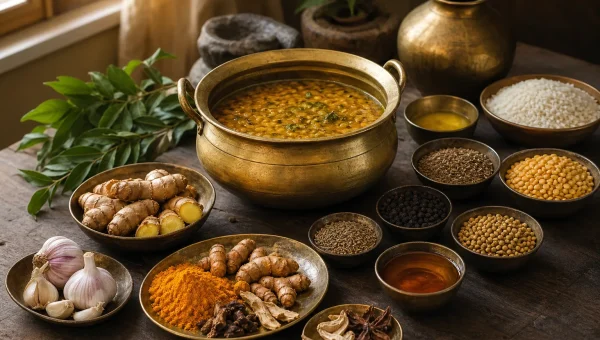
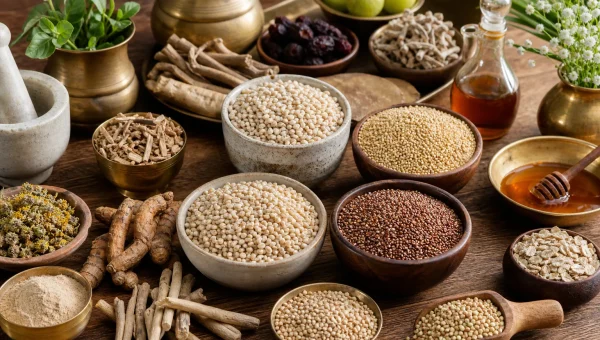
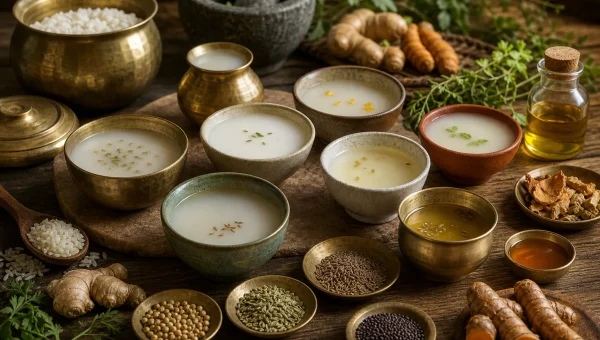
The 7 Ayurvedic Detox Water Recipes for Daily angle is useful here. The article avoids making it sound like a quick fix.
This is better than the consultation I paid for. Seriously thorough and well-researched.
The ama accumulation and coated tongue connection is the Ayurvedic morning assessment I’ve been doing for months but didn’t have language for. Understanding what the coating indicates allows me to adjust the morning detox water based on what’s actually presenting.
been trying different approaches for years and this is the first one that clicked for me
This is the kind of content that makes Ayurveda accessible to beginners without dumbing it down.
my grandmother used to talk about this but i never understood the science until now
Can digestion be taken alongside metformin? I have type 2 diabetes and my endocrinologist hasn’t heard of this approach.
Just ordered the herbs mentioned here. Excited to start this protocol
as someone with a science background, I find the mechanism explanations here a bit hand-wavy. Correlation isn’t causation.
The dosage guidance here is more specific and helpful than what I got from my last consultation.
What a wonderful question. The short answer is that individual constitution matters enormously here. I’d recommend starting gently and adjusting based on your body’s response.
gave this protocol 6 weeks and saw nothing. not saying it doesnt work but didnt work for me
Thank you for sharing your experience, it’s important that readers see the full range of outcomes, not just success stories. Not every approach works for everyone.
The copper vessel overnight for tamra jal is a practice my family has maintained for three generations. Seeing the antimicrobial mechanism explained in biochemical terms is satisfying. The empirical practice was always ahead of the mechanistic understanding.
My doctor in Bangalore suggested something similar but used different herbs. Is there regional variation in how Ayurvedic practitioners approach this condition?
The 7 Ayurvedic Detox Water Recipes for Daily angle is useful here. The main idea is clear even if someone is new to Ayurveda.
The neem and mint combination is the one I’d be most cautious about recommending without guidance. Neem has bitter compounds that affect different people differently and the dose in an infused water is less predictable than a prepared formula.
I’ve been making the fenugreek seed water for blood sugar support and my morning readings are consistently 10 to 15 points lower than before. My doctor knows I’m using it alongside my medication and monitors accordingly.
After a week of sipping the cumin-coriander-fennel blend each morning I felt lighter and my usual mid-morning bloating eased.
The variety across the seven waters is useful because it prevents the monotony that kills most daily health practices. Having seven options you rotate means you’re more likely to actually do something each morning.
The 7 Ayurvedic Detox Water Recipes for Daily angle is useful here. Good starting point for a cautious reader.
The ginger-lemon-honey drink works best when the honey is stirred in after the water cools preserving its enzymes.
A pinch of saffron in the turmeric-rose infusion gave my complexion a subtle glow after two weeks.
Storing plain water in a copper pot overnight adds a pleasant metallic tang and seems to keep the infused drinks fresher.
During the last cold spell I tried the peppercorn-tulsi-turmeric tea twice daily and noticed fewer throat irritations.
I was looking for a plain explanation of 7 Ayurvedic Detox Water Recipes for Daily. The article avoids making it sound like a quick fix.
can I add honey to make it more palatable or does sweetener affect the medicinal properties?
does the water need to be warm or will room temperature work for the absorption properties?
the boiling time matters for concentration, how do I know if Ive over-extracted?
the boiling time matters for concentration, how do I know if I’ve over-extracted?
unrelated question but does anyone know a good vaidya in Pune?
sorry to go off topic but any tips for Ayurvedic approach to knee pain?
sorry off-topic but has anyone here used Ayurveda for hair loss? nothing seems to work ठीक है
I got the same initial reaction. it settled down after the first week
off topic but can these herbs be taken with thyroid medication? my doctor doesnt know