
Ayurvedic sick-day cooking is at its best when it is simple, warm, light, and repeatable. These six soups keep the original kitchen-remedy spirit: each one is matched to a common sick-day need, uses exact household measurements, and stays within supportive food use rather than replacing medical care.
1. Golden Turmeric Broth for Cold-Season Congestion
This light broth is for the first day of throat scratchiness, stuffy heaviness, chills, or low appetite. It is thin enough to sip slowly and warm enough to feel comforting without becoming a heavy meal.
Ingredients (Serves 2)
Use fresh ingredients where possible, but powdered turmeric and dried spices are acceptable when you are too tired to shop or prep.
- 4 cups (960 ml) water
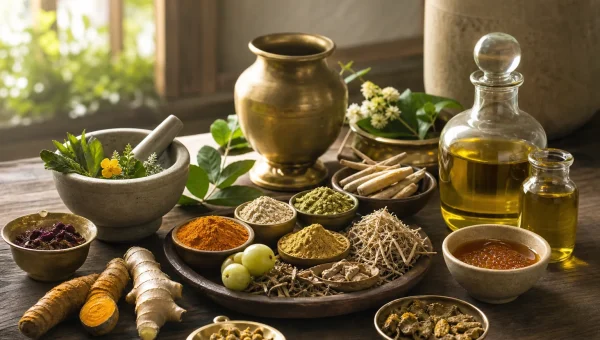
- 1 tablespoon fresh turmeric root, grated, or 1 teaspoon turmeric powder
- 1-inch piece fresh ginger, sliced thin
- 4 black peppercorns, lightly crushed
- 2 cloves
- 1 small cinnamon stick, about 2 inches
- 1/2 teaspoon cumin seeds
- 1 small garlic clove, lightly crushed
- 5 to 6 fresh tulsi leaves, if available
- 1 teaspoon ghee
- 1/2 teaspoon rock salt, or to taste
- Juice of 1/2 lemon, added after cooking
Method
Keep the simmer gentle and uncovered so the broth becomes fragrant without turning harsh or overly reduced.
- Bring the water to a boil in a medium pot.
- Add turmeric, ginger, black pepper, cloves, cinnamon, cumin, garlic, and tulsi leaves.
- Reduce the heat to low and simmer uncovered for 18 to 20 minutes.
- Strain into bowls or mugs.
- Stir in ghee, lemon juice, and rock salt.
- Sip very warm, then rest and avoid cold drafts.
Ayurvedic rationale: Haridra (turmeric) is described in the Ayurvedic Pharmacopoeia of India as tikta-katu in taste, ushna in potency, and used in classical contexts including pinasa. Shunthi or ginger is classically deepana and pachana, while tulsi is listed for respiratory contexts such as kasa and shvasa. Black pepper is a traditional pungent companion to turmeric and contains piperine, which improves curcumin bioavailability in the studied human dosing context.
2. Classic Soupy Kitchari for Digestive Reset
Kitchari is the bowl to make when appetite is low but you need something more nourishing than clear broth. This version is deliberately thin, soft, and mildly spiced so it is easier to take in small portions.
Ingredients (Serves 3 to 4)
Soaking the dal briefly and cooking everything until very soft gives the soup its gentle texture.
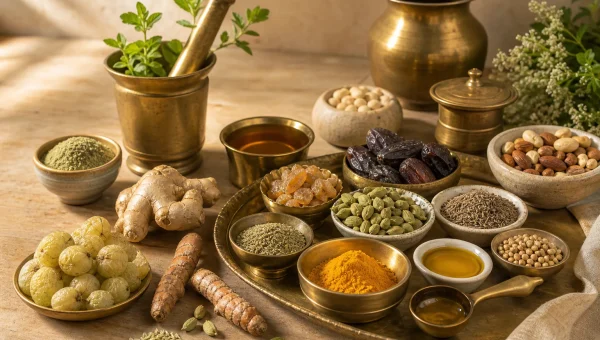
- 1/2 cup split yellow mung dal, washed and soaked for 30 minutes
- 1/4 cup white basmati rice, washed
- 6 cups (1.4 liters) water
- 1 tablespoon ghee
- 1/2 teaspoon cumin seeds
- 1/2 teaspoon mustard seeds
- 1/2 teaspoon turmeric powder
- 1/8 to 1/4 teaspoon asafoetida (hing)
- 1/2 inch fresh ginger, grated
- 1/2 teaspoon coriander powder
- 1/2 teaspoon rock salt, or to taste
- Fresh cilantro for garnish
Method
Cook this longer than regular dal-rice so the grains break down into a soft, spoonable soup.
- Heat ghee in a heavy-bottomed pot over medium heat.
- Add cumin seeds and mustard seeds. When the mustard seeds begin to pop, add asafoetida and ginger, and stir briefly.
- Add turmeric and coriander powder, then stir for a few seconds.
- Add drained mung dal and rice, and stir to coat with the spices.
- Pour in the water and bring to a boil.
- Reduce to low heat, cover partially, and simmer for 35 to 40 minutes, stirring occasionally, until the dal and rice are very soft.
- Add rock salt and garnish with cilantro.
- Add more hot water if you want a thinner soup.
Ayurvedic rationale: Ayurveda Aahara references include krishara or kichhdi, manda, mudgadi manda, yavagu, and yusha as traditional food preparations. Mudga (mung/green gram) appears in the Ayurvedic Pharmacopoeia of India, and thin rice-pulse preparations are a practical way to keep sick-day food warm, moist, and easy to portion.
3. Ginger Pepper Rasam for Kapha-Type Heaviness
This rasam is sour, pungent, thin, and sippable. It is best suited to days when the head and chest feel heavy, the tongue feels coated, and appetite is dull.
Ingredients (Serves 2)
Use a small amount of trikatu because it is intentionally sharp; more is not better when the throat or stomach is sensitive.
- 3 cups (720 ml) water
- 1 medium tomato, chopped
- 1 tablespoon tamarind paste, or a small lemon-sized piece of tamarind soaked and strained
- 1/4 to 1/2 teaspoon trikatu powder
- 1/2 teaspoon cumin powder
- 1/4 teaspoon turmeric powder
- 1 teaspoon ghee
- 1/2 teaspoon mustard seeds
- 6 to 8 curry leaves
- 1 dried red chili, optional
- 1 small garlic clove, crushed
- 1/4 to 1/2 teaspoon rock salt
- Fresh cilantro for garnish
Method
The broth should stay thin; rasam is meant to be drunk or poured over a small serving of soft rice.
- Boil water with tomato, tamarind, turmeric, cumin powder, and trikatu powder.
- Simmer for 12 to 15 minutes, until the tomato softens.
- In a small pan, heat ghee. Add mustard seeds, curry leaves, dried chili, and garlic.
- When the mustard seeds pop, pour the tempering into the simmering rasam.
- Cook for 3 to 5 more minutes.
- Add rock salt, strain if desired, and garnish with cilantro.
Ayurvedic rationale: Trikatu is the classical three-pungent combination of shunthi, maricha, and pippali. The same three pungents are represented in Ayurveda Aahara references under vyosha, and the Ayurvedic Pharmacopoeia of India lists their deepana, pachana, kapha-related, and respiratory-context actions. Tamarind and tomato keep the preparation sour and light, while ghee softens the sharpness of the spices.
4. Sweet Potato and Ashwagandha Soup for Post-Illness Weakness
This soup is for the stage after the acute phase has settled, when appetite is returning but strength still feels low. It is soft, mildly sweet, grounding, and more substantial than a clear broth.
Ingredients (Serves 2 to 3)
Ashwagandha is used here in a small food-level amount; avoid it unless it suits your health status and your clinician agrees.
- 2 medium sweet potatoes, peeled and cubed
- 4 cups (960 ml) water or light vegetable broth
- 1 tablespoon ghee
- 1/2 inch fresh ginger, grated
- 1/2 teaspoon cinnamon powder
- 1/4 teaspoon cardamom powder
- 1 small pinch freshly grated nutmeg
- 1/2 teaspoon ashwagandha root powder, about 2 to 3 grams
- 1/4 cup full-fat coconut milk
- 1/4 to 1/2 teaspoon rock salt
Method
Add ashwagandha near the end and warm it gently rather than boiling the finished soup hard.
- Heat ghee in a pot over medium heat.
- Add ginger and stir for 20 to 30 seconds.
- Add sweet potatoes and stir to coat with ghee and ginger.
- Add water or broth, cinnamon, cardamom, and nutmeg.
- Bring to a boil, then reduce heat and simmer for 20 to 25 minutes, until the sweet potatoes are very soft.
- Blend until smooth.
- Stir in ashwagandha powder, coconut milk, and rock salt.
- Warm gently for 2 minutes and serve.
Ayurvedic rationale: Ashwagandha is listed in the Ayurvedic Pharmacopoeia of India as tikta-kashaya in taste, ushna in potency, madhura in vipaka, and as balya and rasayana, with daurbalya among its classical therapeutic contexts. Sweet potato, coconut milk, and ghee make the soup soft and unctuous, which is more suitable for rebuilding meals than a sharp, drying broth.
5. Cumin and Buttermilk Soup for Low Appetite and Queasy Digestion
This takra-style soup is thin, warm, sour-salty, and spiced lightly. It is for days when solid food feels unappealing and the stomach wants something gentler than a full meal.
Ingredients (Serves 1 to 2)
Use fresh plain yogurt and keep the heat low so the mixture warms without curdling.
- 1/2 cup fresh plain yogurt, full-fat and unsweetened
- 2 cups (480 ml) water
- 1 teaspoon ghee
- 1/2 teaspoon cumin seeds
- 1/4 teaspoon dry ginger powder
- 1 small pinch asafoetida (hing)
- 6 to 8 fresh curry leaves
- 1/4 teaspoon rock salt
- 1 small pinch black pepper
Method
Whisk thoroughly before heating; the final texture should be almost drinkable.
- Whisk yogurt and water until smooth.
- Heat ghee in a small pot over low to medium-low heat.
- Add cumin seeds and let them crackle briefly.
- Add curry leaves, asafoetida, and dry ginger powder, and stir for a few seconds.
- Pour in the diluted yogurt mixture while stirring continuously.
- Warm on low heat for 4 to 5 minutes without boiling.
- Add rock salt and black pepper, then serve warm.
Ayurvedic rationale: Takra and related buttermilk preparations are described in Ayurveda Aahara references under drinkable preparations. Cumin, ginger, hing, salt, and pepper keep the soup aromatic and digestive in character, while dilution makes it lighter than plain curd or a heavy dairy soup.
6. Mung Dal and Moringa Soup for Post-Fever Recovery
After a feverish phase, the body often needs a bridge between clear liquids and regular meals. This soup gives soft mung dal with a small amount of moringa leaves, keeping the texture thin and the spices restrained.
Ingredients (Serves 2 to 3)
Fresh moringa leaves are best, but dried moringa powder can be used in a smaller amount after cooking.
- 1/2 cup split yellow mung dal, washed and soaked for 20 minutes
- 5 cups (1.2 liters) water
- 1 cup fresh moringa leaves, stripped from stems, or 1 tablespoon dried moringa leaf powder
- 1 tablespoon ghee
- 1/2 teaspoon cumin seeds
- 1/2 teaspoon turmeric powder
- 1/4 teaspoon black pepper
- 1 small garlic clove, minced
- 1/2 inch fresh ginger, grated
- 1/8 teaspoon fenugreek seeds
- 1/2 teaspoon rock salt, or to taste
- Juice of 1/4 lemon, optional
Method
The goal is a thin dal soup, not a thick dal; add warm water at the end if needed.
- Boil soaked mung dal in 5 cups of water with turmeric.
- Skim foam if needed and simmer on low for 25 to 30 minutes, until the dal is soft.
- If using fresh moringa leaves, add them in the last 5 minutes of cooking. If using moringa powder, add it after turning the heat low.
- In a small pan, heat ghee.
- Add cumin and fenugreek seeds. When aromatic, add garlic and ginger and stir briefly.
- Pour the tempering into the dal.
- Add black pepper, rock salt, and lemon juice.
- Stir well and thin with warm water if necessary.
Ayurvedic rationale: Mudga is a classical pulse in the Ayurvedic Pharmacopoeia of India, and Shigru leaf is identified there as the dried leaf of Moringa oleifera. Moringa leaves are also recognized as nutrient-dense leaves in nutrition literature, so this soup is useful as a gentle step back toward fuller food once appetite returns.
General Sick-Day Eating Guidelines
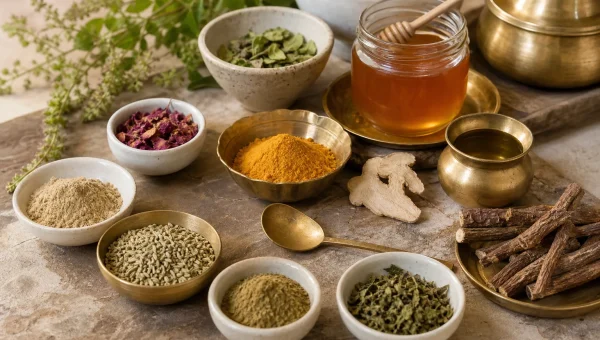
Keep portions small and eat only when genuine hunger appears. Choose warm, freshly cooked, soft, moist foods; avoid raw foods, fried foods, stale leftovers, and heavy meals while appetite is weak. Sip warm water between meals, or a simple cumin-coriander-fennel infusion if it suits you. Sit quietly while eating and stop before fullness becomes heaviness.
Safety disclaimer: These soups are supportive foods, not replacements for medical treatment. Seek medical care promptly for persistent high fever, difficulty breathing, chest pain, dehydration, confusion, severe vomiting, blood in stool, symptoms in infants or frail elders, or any worsening condition. Consult a qualified Ayurvedic practitioner or healthcare provider before using ashwagandha, trikatu, tulsi, turmeric, moringa, or other herbs if you are pregnant, breastfeeding, taking prescription medicines, have liver disease, thyroid disease, autoimmune disease, diabetes, a bleeding disorder, or are preparing for surgery.
The next time you or someone at home is under the weather, put a small pot on the stove. Let the food be warm, fragrant, simple, and measured; that is often the most practical form of Ayurvedic kitchen care.

The Golden Turmeric Broth is now permanently in my sick day protocol. Made it for my husband when he had flu last month and he said it was the first thing that felt like food rather than effort.
Reading this later and the 6 Healing Soups for Sick Days advice still feels relevant. The timing advice is the part I would start with.
Made the turmeric broth last week when I had a bad chest cold and honestly it worked better than anything I took out of a box. I added a small piece of fresh ginger on top of what the recipe called for and it helped clear the congestion faster. Will definitely keep these bookmarked for the next time someone in the house goes down.
the research citations give this real credibility. not just another wellness blog making random claims
Ive been doing this for about a month now and honestly the difference is noticeable. thank you for explaining it so clearly
the honesty about limitations and when this approach might not work is really appreciated.
This is better than the consultation I paid for. Seriously thorough and well-researched
I love Ayurveda but I think we do it a disservice when we present it as an alternative to evidence-based medicine rather than a complement.
Thank you for sharing your experience! Stories like yours help other readers see what’s possible with consistent practice.
Reading this later and the 6 Healing Soups for Sick Days advice still feels relevant. The safety notes could be expanded a little.
The way you connect traditional wisdom with modern understanding is brilliant
The general advice is sound but the claim that this ‘cures’ or ‘fixes’ the condition is irresponsible wording. ‘May help manage’ is more accurate
Your skepticism is healthy and welcome. We never intend for our content to replace medical advice, and we’ll make that clearer going forward.
Reading this later and the 6 Healing Soups for Sick Days advice still feels relevant. The main idea is clear even if someone is new to Ayurveda.
Reading this later and the 6 Healing Soups for Sick Days advice still feels relevant. This feels more usable than a long list of herbs.
What’s the shelf life of the prepared turmeric formulations? I ask because some preparations I’ve used seemed less potent after 2-3 months.
Reading this later and the 6 Healing Soups for Sick Days advice still feels relevant. I would like to know how long to try it before judging results.
The golden turmeric broth reminded me of my grandma’s kitchen, especially the scent of fresh ginger and cumin.
Each recipe serves two but when you’re sick you typically don’t want to cook and serving sizes are unpredictable. Can these be made in larger batches and reheated? Does reheating change the therapeutic properties?
Do you think the mung dal and moringa soup would work well with a squeeze of lime instead of lemon?
I found the instructions for the kitchari soup clear enough to follow even while feeling under the weather.
The cumin and buttermilk soup seems like a gentle option when nausea hits, though I’d skip the curry leaves if they’re hard to find.
After reading about the six soups, I’m tempted to keep a small stash of dried tulsi leaves in my pantry for future sick days.
Reading about soup 4 with drumstick and turmeric here for the first time. need to research more.
what’s the source for the pepper rasam for congestion? asking because I want to look at the original research.
The benefits for the mung dal soup for weak digestion are real but overstated here. took 5 months for mild improvement.
Helpful.
Where are the RCTs for the ginger-cumin broth in recipe 2? traditional use isn’t the same as clinical evidence ✨
i’d want a peer-reviewed source for the pepper rasam for congestion before recommending to patients.
Where are the RCTs for the pepper rasam for congestion? traditional use isn’t the same as clinical evidence.
been following your note about avoiding heavy soups for pitta fever since I read this. noticeably better digestion.
Regarding the pepper rasam for congestion, the amount you gave seems high for someone my size. thoughts?
started the mung dal soup for weak digestion after reading and my energy levels are much steadier now. 🙏
Can someone clarify the mung dal soup for weak digestion? I have a digestive condition.
For your note about avoiding heavy soups for pitta fever, is morning or evening application better?
Starting the ginger-cumin broth in recipe 2 next week. will update if I remember to.
The 6 Healing Soups for Sick Days section feels grounded enough to try carefully. The practical details matter more than people think.
didn’t work for me either. your note about avoiding heavy soups for pitta fever seems to benefit some people but not all.
does your note about avoiding heavy soups for pitta fever work differently for men vs women? curious about this.
Seems overhyped to me. the mung dal soup for weak digestion didn’t work for anyone in my family.
does the mung dal soup for weak digestion interfere with iron supplements? asking for my mother.
similar issue here. still figuring out the mung dal soup for weak digestion for my situation.
Just found this via Google, still wondering about soup 4 with drumstick and turmeric.
tried your note abt avoiding heavy soups for pitta fever exactly as described, got no results after 6 weeks. maybe I have a different constitution.
what’s the source for your note about avoiding heavy soups for pitta fever? asking because I want to look at the original research.
The article is good but soup 4 with drumstick and turmeric should come with a stronger dosage caution.
Disagree slightly on soup 4 with drumstick and turmeric. my experience after 8 weeks was mixed at best.