
Nobody warned Deepa. Nobody warned me, for that matter, when my second baby arrived and the dark cloud settled in around week three postpartum. I remember sitting on the bathroom floor at 2 AM, feeding my son, and feeling absolutely nothing. Not happiness, not sadness — just a hollow, terrifying emptiness in a body that felt completely alien to me. My mother called it “post-delivery weakness.” My doctor called it postpartum depression and offered treatment. Both were naming part of the truth. What I still needed was a way to understand the whole body-and-mind collapse that had happened after birth, and a gentle plan for being held while I recovered.
Years later, trained in Ayurveda, I can now see the postpartum period through another lens. Ayurveda does not replace medical care for postpartum depression, but it offers a clear map for why a new mother can feel ungrounded, depleted, frightened, sleepless, empty, and unlike herself after birth. It also offers a concrete, compassionate postpartum protocol: warmth, oil, digestible nourishment, protected rest, practical support, and carefully chosen herbs under qualified guidance.
Why Postpartum Depression Is a Vata Crisis
Childbirth, in Ayurvedic physiology, is one of the most Vata-provoking transitions in a woman’s life. A baby who occupied the pelvic space for months is suddenly outside the body. The uterus empties. Blood and fluids are lost. Sleep becomes irregular. Meals become unpredictable. The mother is physically open, depleted, tender, and often expected to become alert on demand every few hours. In Ayurvedic language, the qualities of emptiness, movement, dryness, coldness, irregularity, and exhaustion all point toward aggravated Vata, especially in the pelvic region and the nervous system.
Classical postnatal care, called Sutika Paricharya, gives special attention to Vata and digestion after birth. The postpartum mother is considered weak because labor, tissue depletion, blood loss, and the work of nourishing the fetus have reduced strength. The classical aim is not to push her back into ordinary life quickly; it is to restore stability, warmth, nourishment, digestion, and emotional steadiness through daily care.
The Clinical Bridge: Hormones, Stress, Sleep, and Support
Modern clinical language describes postpartum depression as a perinatal mood disorder influenced by hormonal changes, stress physiology, sleep disruption, prior depression or anxiety, obstetric stress, social support, and other biological and psychosocial factors. The rapid drop in estrogen and progesterone after delivery, changes in cortisol and stress regulation, lactation-related hormones, immune activity, exhaustion, and fragmented sleep can all contribute to vulnerability in the first weeks and months after birth.
Ayurveda describes the same vulnerable window in its own language: depleted tissues, disturbed Vata, weakened digestion, unstable routine, and the need for psychological and practical support. The two languages are different, but both point to the same practical truth: a new mother needs protection, nourishment, sleep support, medical screening when symptoms appear, and consistent human care.
Core Herbs for the Postpartum Protocol
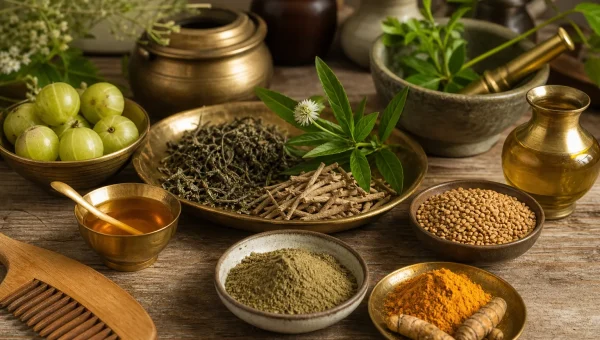
Herbs are not the foundation of postpartum recovery; care is the foundation. A warm room, regular food, protected sleep, help with the baby, emotional reassurance, and medical support when needed come first. Herbs can be useful when chosen according to breastfeeding status, digestion, bleeding pattern, constitution, medication use, and the severity of mood symptoms. A qualified Ayurvedic practitioner and healthcare provider should guide postpartum herb use, especially during breastfeeding or when antidepressants, thyroid medicines, sedatives, or other prescriptions are being used.
Shatavari (Asparagus racemosus)
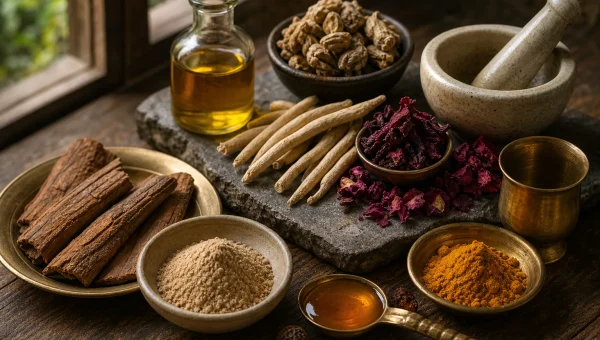
Shatavari is one of the most important Ayurvedic herbs for the postpartum period. The Ayurvedic Pharmacopoeia of India identifies Shatavari as the tuberous root of Asparagus racemosus and describes its rasa as madhura and tikta, its guna as guru and snigdha, its virya as shita, and its vipaka as madhura. Its listed actions include balya, rasayana, medhya, vatahara, kaphavata-ghna, and stanyakara. Its therapeutic uses include Sutika Roga, Stanya Dosha, and Stanya Kshaya, making it especially relevant when postpartum depletion and milk support are both concerns.
A traditional postpartum use is Shatavari powder or a prepared Shatavari Kalpa taken with warm milk, often with a small amount of ghee if digestion permits. The classical adult dose in the Ayurvedic Pharmacopoeia is 3–6 g of the drug, but postpartum dosing should be individualized. It is best suited when the mother is dry, depleted, anxious, overheated from exhaustion, struggling with low nourishment, or needing lactation support, provided there is no intolerance or medical contraindication.
Brahmi (Bacopa monnieri)
Brahmi is classically placed among mind-supporting herbs. The Ayurvedic Pharmacopoeia of India identifies Brahmi as the whole plant of Bacopa monnieri and describes its rasa as madhura, tikta, and kashaya; its guna as laghu and sara; its virya as shita; and its vipaka as madhura. Its actions include medhya, rasayana, vatahara, matiprada, and mohahara, and its therapeutic uses include Manasavikara.
In postpartum care, Brahmi is not the first herb for a mother who is acutely depleted, underfed, or sleeping in fragments. It fits better once food, warmth, and rest are in place and the main symptoms are mental fog, overwhelm, irritability, worry, and difficulty settling the mind. The classical adult dose in the Ayurvedic Pharmacopoeia is 1–3 g of powder. During breastfeeding, it should be used only with professional guidance.
Ashwagandha (Withania somnifera)
Ashwagandha is a major strength-building and Vata-pacifying root in Ayurveda. The Ayurvedic Pharmacopoeia of India identifies it as the dried mature root of Withania somnifera and describes its rasa as tikta and kashaya, its guna as laghu, its virya as ushna, and its vipaka as madhura. Its listed actions include rasayana, balya, vata-kapha-apaha, and vajikarana. It is traditionally used in states of weakness and Vata disorder.
Ashwagandha is not a default herb for a breastfeeding mother. Because dependable breastfeeding safety experience is limited and safety authorities advise avoiding it while nursing, it should be reserved for non-breastfeeding mothers or later postpartum use only when cleared by a qualified clinician. It may also be inappropriate in some thyroid, autoimmune, liver, sedative, or pregnancy-related contexts. The classical adult powder dose in the Ayurvedic Pharmacopoeia is 3–6 g, but postpartum use should be supervised.
Dashamoola
Dashamoola is the classical “ten roots” grouping used in many Vata-pacifying preparations. In postpartum practice, a practitioner may choose a Dashamoola decoction or related formulation when pelvic discomfort, lower back pain, gas, coldness, stiffness, or Vata-type body ache dominates the picture. It should not be used casually in every mother. Fever, infection, heavy bleeding, complicated delivery, surgical recovery, hypertension, medication use, and weak digestion all require individualized assessment before using decoctions or fermented preparations.
The Postpartum Protocol: Practical Week by Week
A postpartum protocol should be simple enough for a tired mother and her family to actually follow. The goal is not perfection. The goal is daily reduction of Vata: warmth instead of cold, regularity instead of chaos, oil instead of dryness, rest instead of overexertion, cooked food instead of raw food, reassurance instead of isolation, and timely medical care when symptoms are more than ordinary adjustment.
| Phase | Timeline | Priority Focus | Herbal Direction | Key Practice |
|---|---|---|---|---|
| Acute Rest Phase | Days 1–14 | Warmth, rest, digestion, Vata containment | Practitioner-guided Shatavari for milk/depletion; Dashamoola only if appropriate | Warm cooked foods, protected sleep, helper-supported oiling, no cold foods or drinks |
| Rebuilding Phase | Weeks 3–6 | Tissue restoration, steady meals, lactation support | Shatavari Kalpa or Shatavari milk when suitable | Gentle sunlight, short supported walks, abdominal and pelvic rest, family help with chores |
| Stabilization Phase | Weeks 7–12 | Mood steadiness, cognitive clarity, routine | Brahmi may be considered if breastfeeding safety and digestion are reviewed | Consistent bedtime support, counseling or support group if symptoms continue, gradual routine |
| Long-Term Recovery | Months 3–6 | Strength, ojas, sustainable mothering | Individualized rasayana plan; Ashwagandha only if not breastfeeding or clinically cleared | Gradual return to exercise, social connection, ongoing mental-health care when needed |
Abhyanga: The Most Underrated Postpartum Medicine
Warm oiling is central to classical postpartum care because it directly answers the Vata qualities that dominate after birth. Oil brings softness to dryness, warmth to coldness, steadiness to tremor and restlessness, and a felt sense of containment to a body that has just opened and emptied. Classical postnatal care includes whole-body abhyanga, with special care around the pelvic region, followed by warmth and bathing when appropriate.
In practice, this can be as simple as 10–20 minutes of warm sesame oil or practitioner-selected medicated oil applied by a trusted helper before a warm bath. A mother recovering from cesarean birth, tears, infection, fever, heavy bleeding, or severe pain should wait for medical clearance and avoid pressure over wounds or tender tissues. The purpose is not vigorous massage; the purpose is warmth, gentleness, safety, and nervous-system reassurance.
The Diet That Heals
Postpartum nutrition in Ayurveda is practical and deeply Vata-aware. The mother’s digestion is protected first. Foods are warm, soft, moist, oily in moderation, freshly cooked, and easy to digest. Classical postnatal regimens include preparations such as rice gruel, rice scum, ghee-supported foods, soups made from ingredients such as yava, kola, and kulattha, warm water, nourishing sweet and Vata-alleviating substances, and later heavier rebuilding foods only after digestion is ready.
- First two weeks: Favor warm rice gruel, soft cooked grains, thin dal or soup if tolerated, ghee in small amounts, cumin, ginger, ajwain, or similar digestive spices when suitable. Avoid refrigerated foods, cold drinks, raw salads, carbonated drinks, and skipped meals.
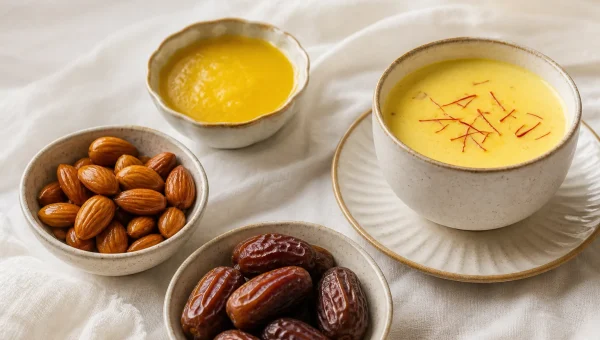
- Weeks 3–6: Build gradually with Shatavari milk if appropriate, soft khichari, nourishing soups, cooked vegetables with ghee, soaked almonds if digestion permits, and enough fluids for thirst and lactation.
- After six weeks: Increase variety slowly. Continue warm breakfasts, regular lunches, and early light dinners. The mother should not begin aggressive fasting, intense exercise, detoxification, or weight-loss programs while mood, sleep, lactation, or bleeding are unstable.
When Ayurvedic Support Is Not Enough
Postpartum depression is a medical condition, not a personal failure and not merely “weakness.” Ordinary baby blues are usually mild and short-lived, but symptoms that last more than two weeks, intensify, or interfere with eating, sleeping, bonding, or caring for the baby need professional attention. Ayurvedic care can support the mother’s body and routine, but it must not delay mental-health evaluation.
Seek urgent help immediately if there are thoughts of self-harm, thoughts of harming the baby, inability to care for the baby, inability to sleep even when the baby sleeps, severe agitation, panic, hallucinations, hearing voices, unusual beliefs, confusion, or a sudden sense of being unsafe. Postpartum psychosis is an emergency. For moderate-to-severe postpartum depression, psychotherapy, medication, and coordinated medical care may be necessary and can be lifesaving.
Herbs should not be mixed with antidepressants, sedatives, thyroid medicines, hormonal medicines, or other prescriptions without guidance from the prescribing clinician and a qualified Ayurvedic practitioner. The safest postpartum plan is integrative: medical screening, family support, therapy when needed, nourishment, rest, and carefully selected Ayurvedic measures.
Building Your Village
Ayurveda is unambiguous on one point that modern maternal care continues to relearn: new mothers are not designed to recover alone. Classical postnatal care includes psychological support, internal nourishment, and external therapies. Modern clinical sources also recognize lack of social support as a risk factor for perinatal depression. A mother’s support system is not a luxury; it is part of treatment and prevention.
If you are pregnant or in the first year postpartum, identify support before crisis begins. Decide who can bring warm meals, who can hold the baby while you sleep, who can accompany you to appointments, who can check on your mood without judgment, and who can respond if you say, “I am not okay.” The Ayurvedic village is not sentimental. It is a clinical necessity expressed through family, friends, doulas, neighbors, therapists, physicians, and practitioners.
A Gentle Nightly Starting Point
For a mother who tolerates dairy and has no medical restriction, a simple bedtime cup can begin the work of rebuilding: warm milk with a small amount of ghee, Shatavari powder or Shatavari Kalpa if approved, and a pinch of cardamom. Drink it slowly, seated, without a phone in hand. Let the ritual be small enough to repeat. If dairy does not suit you, use another warm nourishing preparation recommended by your practitioner. Avoid medicinal doses of sedative spices or herbs during breastfeeding unless specifically cleared.
Postpartum depression requires care. This article is educational support, not a substitute for diagnosis, psychotherapy, psychiatric care, emergency care, or individualized Ayurvedic treatment. If you are struggling, contact your healthcare provider, a maternal mental-health professional, a qualified Ayurvedic practitioner, or an emergency service if you feel unsafe.
References
- Charaka Samhita — Sutika Paricharya
- NCBI
- CDC
- Ayurvedic Pharmacopoeia of India
- NCBI
- Ayurvedic Pharmacopoeia of India
- NCBI
- Ayurvedic Pharmacopoeia of India
- NCBI
- NCCIH
- An investigation into the stress-relieving and pharmacological actions of an ashwagandha (Withania somnifera) extract: A randomized, double-blind, placebo-controlled study (2019), PubMed
- Social Support-A Protective Factor for Depressed Perinatal Women? (2019), PubMed Central
- NCBI
The bathroom floor at 2am is the detail that makes this real. I was on the bathroom floor too, 3 weeks after my daughter was born, feeling exactly the hollow terrifying emptiness described. Nobody had a framework for it beyond a prescription. This article is the first thing that has made me feel understood by a system of medicine.
The postpartum Vata surge explanation is something I have been looking for. My PPD presented not as sadness but as profound disconnection and anxiety, which matches Vata aggravation rather than the Pitta-type grief or Kapha-type withdrawal often associated with postpartum depression. The treatment approach should differ based on which pattern presents.
As an OB-GYN, I appreciate content that takes postpartum mental health seriously. My concern is the risk of women using this framework to delay seeking psychiatric care for severe PPD. A small but meaningful percentage of postpartum women develop conditions, including postpartum psychosis, that are medical emergencies. This protocol is appropriate alongside clinical care, not instead of it.
The Sutika protocol described here is essentially what my mother-in-law organized for me after my second delivery without knowing the name for it. Warm oil massage daily, specific soups, Shatavari in warm milk. She said it was just what was done. Three months later my PPD was significantly milder than after my first delivery when I had none of that support.
The connection between tissue depletion from delivery and the experience of disconnection and emotional flatness is an important reframe. Being told you are depressed when you are actually depleted, and the treatment for depletion is nourishment not medication, is a fundamentally different way to understand and address the experience.
The Shatavari and ashwagandha protocol described for postpartum is something I started 6 weeks after delivery this time based on advice from a practitioner. My recovery has been dramatically different from my first postpartum period when I took nothing. Whether it is the herbs or the intention and self-care that comes with taking them, I cannot separate, but something is working.
The explanation of Vata surge after childbirth really clicked for me.
I would like more detail on Postpartum Depression. This feels more usable than a long list of herbs.
I had postpartum psychosis, not just PPD, after my first baby. I want to be explicit for anyone reading this that psychosis needs immediate psychiatric intervention. Herbal protocols are for the milder end of the postpartum mental health spectrum and the triage question is the most important one.
I wonder if Shatavari milk before bed could help with night sweats.
Reading about Dashamoola made me curious about how to prepare the decoction at home.
Useful post on Postpartum Depression. The practical details matter more than people think.
Useful post on Postpartum Depression. Small daily changes are easier to follow than a perfect plan.
It seems practical to avoid cold drinks and raw salads in the first weeks postpartum.
Has anyone tried the warm oil abhyanga routine and noticed better sleep?
The week to week timeline gives a clear roadmap without feeling overwhelming.
I felt reassured learning that Ayurvedic herbs can be used alongside antidepressants under supervision.
Sometimes the simplest ritual, like a cup of warm milk with ghee and Shatavari, feels like a real self care step.
It would be helpful to see a short video demonstrating the abhyanga technique for new mothers.
The article describes postpartum depression through an Ayurvedic lens but does not address mothers who are not able to breastfeed or who had cesarean deliveries. Those presentations involve different Vata and tissue dynamics and the protocol presumably needs modification.
The shatavari recommendation for postpartum needs a caveat about women with hormone-sensitive conditions. Shatavari is estrogenic in activity and women with a history of hormone-sensitive cancers or those who have been advised to avoid phytoestrogens should not take it without medical clearance.
The article doesn’t address postpartum care in the context of single parents or those without family support. The Sutika protocol assumes a supported recovery with someone managing the household. For mothers who don’t have that, even the simplified protocol may not be feasible.
2 weeks in n no change yet. maybe giving up soon
The article would benefit from more rigorous sourcing. The studies referenced are mostly observational, not randomized controlled.
This makes sense for Postpartum Depression. The examples make the advice less abstract.