
Ice baths are everywhere. Sauna culture is booming. Many people are experimenting with temperature extremes, but far fewer are asking whether their body, season, digestion, training goal, and constitution are actually suited to the stress they are applying. Ayurveda offers a practical framework for this through the Ushna-Sheeta principle: heating and cooling influences should be used with discernment, not as random shocks to the system.
The Ushna-Sheeta Principle
In Ayurvedic materia medica, Sheeta (cold/cooling) and Ushna (hot/heating) are important qualities, and virya is commonly described as a drug’s heating or cooling potency. The same logic is used more broadly in diet, season, environment, bathing, sweating therapies, and lifestyle: a thermal influence can either support balance or aggravate an existing tendency.
Pitta is associated with heat and sharpness, so excessive heating can aggravate it while appropriate cooling can soothe it. Vata is cold, dry, light, and mobile, so prolonged cold or sudden shock can disturb it, while gentle warmth and oiliness usually support it. Kapha is cold, heavy, dense, and stable, so damp cold can increase sluggishness, while warmth, movement, and stimulation are generally more suitable. This makes thermal practice a matter of timing, constitution, season, and dose.
Cold Exposure: Who Benefits and Who Should Be Cautious
Cold water immersion is best matched to short-term recovery, soreness management, heat relief, and Pitta-calming when used in the right person at the right time. It is less suitable as a routine immediately after strength training when the primary goal is maximum hypertrophy, because regular post-exercise cold water immersion has been associated with blunted cellular and signaling responses involved in muscle growth.
From an Ayurvedic perspective, prolonged or intense Sheeta can aggravate Vata and Kapha. In Vata, this may show up as chilliness, stiffness, restlessness, anxiety, dry skin, disturbed sleep, or joint discomfort. In Kapha, it may increase heaviness, lethargy, congestion, or dullness. Cold should therefore be treated as a measured stimulus, not a universal daily recovery tool.
Dosha-Based Cold Protocol
Pitta types generally tolerate cool exposure best, especially in hot weather or after heat-producing activity. A brief cool shower or short cool immersion may be enough; forcing icy exposure is not necessary. Vata types should avoid long ice baths and sudden cold shock, and should favor warm bathing, warm oil massage, and mild heat. Kapha types usually do better with warming movement, sauna, dry heat, or brief contrast bathing rather than prolonged cold sitting.
Heat Therapy and Svedana
In Ayurveda, therapeutic sweating is called Svedana. Classical descriptions place it especially after oleation and use it to relieve coldness, stiffness, heaviness, and Vata-Kapha obstruction when appropriately indicated. Svedana is not simply “more heat is better”; it should be neither too mild nor too intense and should be adjusted to the person, season, strength, disease condition, and body part.
Classical forms of Svedana include methods such as Nadi Sveda (directed steam), Prastara Sveda (heated bed or surface), Avagaha Sveda (warm immersion), and other fire-induced and non-fire methods. Modern sauna use sits on the same Ushna side of the spectrum: useful for some Vata and Kapha patterns, but unsuitable when heat, dehydration, faintness, bleeding tendency, pregnancy, or strong Pitta aggravation is present.
Modern Sauna Use Through an Ayurvedic Lens
Frequent Finnish sauna bathing has been associated in large observational data with lower risk of fatal cardiovascular events and all-cause mortality, and intensive sauna exposure can acutely alter endocrine markers such as growth hormone. These findings do not make sauna a universal prescription; they simply show that heat exposure is a potent physiological stressor. Ayurveda would still ask whether the person is dry, depleted, overheated, inflamed, dehydrated, weak, dizzy, pregnant, or in a Pitta-dominant state before recommending strong heat.
For Vata, gentle warmth combined with oil is usually better than dry, aggressive heat. For Kapha, dry heat after movement may be more useful because it counters coldness, heaviness, and stagnation. For Pitta, heat should be moderate, seasonal, and carefully limited, with cooling recovery afterward.
Herbs for Thermal Balance
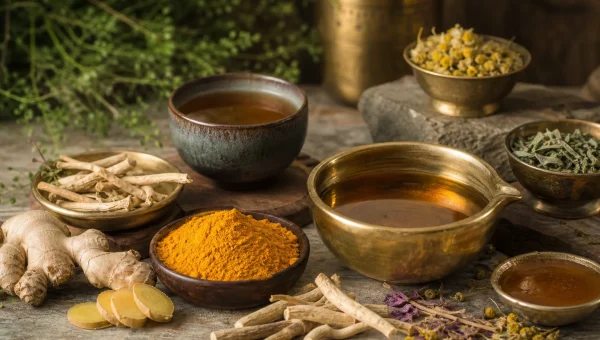
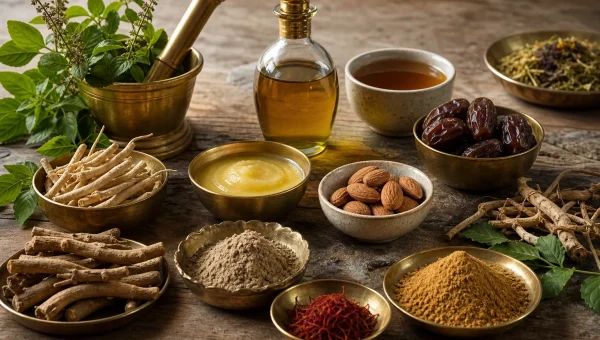
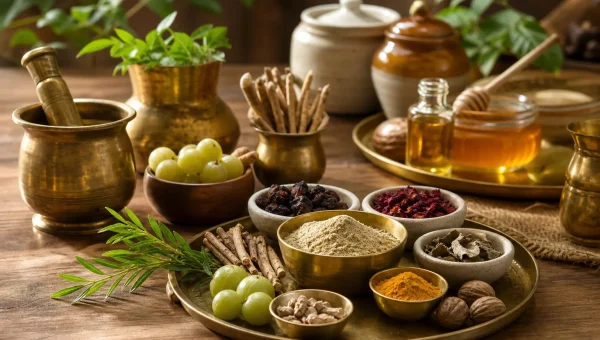
Herbs should be selected with a qualified Ayurvedic practitioner, especially when pregnancy, chronic disease, medication use, blood pressure issues, liver or kidney disease, or psychiatric medication is involved. For cold, Vata-Kapha states, the Ayurvedic Pharmacopoeia lists Ashwagandha as Ushna virya with Rasayana, Balya, and Vata-Kapha-pacifying actions, and Shunthi (dry ginger) as Ushna virya with Dipana, Pacana, and Vata-Kapha-pacifying actions. For heat and Pitta states, Amalaki is listed as Sheeta virya and Rasayana, Shatavari as Sheeta virya and Pittahara, and Brahmi as Sheeta virya with Medhya and Rasayana actions.
| Dosha Pattern | Best Thermal Direction | Suggested Practice Style | Frequency Principle | Traditional Support |
|---|---|---|---|---|
| Vata | Gentle Ushna with oil | Warm oil massage, warm bath, mild steam, brief gentle sauna | Regular but not depleting; avoid sudden cold shock | Ashwagandha or warm ginger support when appropriate |
| Pitta | Measured Sheeta | Cool shower, short cool immersion, shade, cooling recovery after heat | Most useful in hot weather or overheated states | Amalaki, Shatavari, or Brahmi when appropriate |
| Kapha | Ushna, dryness, movement | Exercise first, dry sauna, warm shower, brief contrast bathing | Best in the morning or during sluggishness | Dry ginger or other practitioner-guided pungent support |
Timing: Morning or hot season
Use: Brief cool shower or short cool immersion
Avoid: Long post-strength ice baths for hypertrophy goals
Goal: Cooling, alertness, soreness management
Timing: After light movement or as advised
Use: Warm bath, steam, mild sauna, Svedana
Avoid: Dehydration, overheating, Pitta flare
Goal: Warmth, softness, reduced stiffness
Timing: Morning activation
Use: Warm-dominant contrast, brief cold finish
Avoid: Cardiac risk, dizziness, Vata sensitivity
Goal: Circulation, wakefulness, lightness
The Abhyanga Bridge
Abhyanga, or warm oil massage, is Ayurveda’s classic bridge between the body and thermal practice. Classical Svedana is commonly described after Snehana, and oiling helps prepare the body before heat by adding softness and reducing Vata’s dryness and roughness. A small pilot trial on Ayurvedic Abhyanga recorded reduced subjective stress and changes in heart rate and blood pressure, supporting its use as a calming preparatory practice.
Abhyanga should still be used intelligently. It is not a reason to enter extreme heat, stand on a slippery floor, or plunge suddenly into cold water. Wipe the soles of the feet before walking, use gentle heat after oiling, and avoid oil massage when it is unsuitable for the person’s condition.
When Not to Use Thermal Extremes
Avoid intense cold immersion when there is cardiovascular disease, uncontrolled hypertension, arrhythmia history, fainting tendency, severe anxiety with panic, acute illness, pregnancy, intoxication, or uncertainty about medication interactions. Cold water can rapidly increase breathing, heart rate, and blood pressure, and cold shock can be dangerous when done alone or without gradual adaptation.
Avoid strong sauna, steam, or Svedana in high Pitta states, active bleeding disorders, dehydration, faintness, severe weakness, pregnancy unless specifically supervised, neuropathy with poor heat sensation, acute exhaustion, or immediately after a heavy meal. Classical guidance also warns against over-sweating, which may cause thirst, faintness, burning, weakness, fatigue, and Pitta aggravation. Heat should leave the body lighter and softer, not drained or overheated.
Nothing in this article diagnoses or treats a medical condition. Use it as educational information and consult a qualified Ayurvedic practitioner or healthcare provider before starting herbs, supplements, cold immersion, sauna, Svedana, detoxification, or therapeutic protocols, especially if pregnant, managing a medical condition, or taking medication.
References
- Natural Ingredient Resource Center
- Charaka Samhita — Dosha
- Charaka Samhita — Swedadhyaya
- Post-exercise cold water immersion attenuates acute anabolic signalling and long-term adaptations in muscle to strength training (2015), PubMed
- Post-exercise cold water immersion attenuates acute anabolic signalling and long-term adaptations in muscle to strength training (2015), PubMed Central
- Link (link.springer.com)
- Journals (journals.plos.org)
- Heart (heart.org)
- ‘Autonomic conflict’: a different way to die during cold water immersion? (2012), PubMed Central
- Association between sauna bathing and fatal cardiovascular and all-cause mortality events (2015), PubMed
- Mayoclinicproceedings (mayoclinicproceedings.org)
- Endocrine effects of repeated sauna bathing (1986), PubMed
- Pilot study investigating the effects of Ayurvedic Abhyanga massage on subjective stress experience (2011), PubMed
- Ayurvedic Pharmacopoeia of India
- Miracledrinksclinic (miracledrinksclinic.com)
- Miracledrinksclinic (miracledrinksclinic.com)
The Ushna-Sheeta principle finally gives me language for why I feel wrecked after ice baths some weeks and energized after them others. The same thermal input produces different results depending on my current dosha state. Understanding that makes the protocol rational instead of random.
Is there a specific brand or source you recommend for the herbs mentioned? Quality varies so much
same combo approach worked for me. feels good to see it recommended here
As someone with a family history of this condition, preventive approaches like these give me hope.
Can you clarify the Vata constitution contraindication for ice baths? My understanding from the article is that Vata-dominant people should avoid cold exposure in winter but the position in summer seems less clear.
was skeptical at first but tried it for two weeks and genuinely surprised by the results
The contrast therapy protocol described here is essentially what sports medicine calls contrast water therapy but with the Ayurvedic constitutional framework providing the individualization that sports medicine doesn’t offer.
Your experience is a perfect example of what the classical texts describe. Thank you for sharing, it will definitely help other readers here.
Is there a specific brand or source you recommend for the herbs mentioned? Quality varies so much.
The Pitta type actually thriving in cold exposure is counterintuitive given Pitta’s fire association but it makes sense once you understand that the cooling input is balancing rather than depleting. The Kapha type benefiting least from cold exposure is the finding that would surprise most coaches.
appreciate the reminder to see a doctor when needed. responsible content is rare
I had two months of daily cold showers and felt progressively worse, more anxious, lighter sleep, weaker digestion. I’m clearly Vata-dominant and the cold was aggravating an already elevated Vata state. Switching to alternating warm and brief cool rinses was the right modification.
the research citations give this real credibility. not just another wellness blog making random claims
I came for Cold Exposure and Ayurveda and this answered the main question. This feels more usable than a long list of herbs.
I appreciate your thoughtful question. I’ll address this in more detail in an upcoming post, but in the meantime, the key is to listen to your body and adjust accordingly.
been trying different approaches for years and this is the first one that clicked for me
Is there specific guidance on the duration and temperature of the cold component in contrast therapy based on dosha? Kapha types benefit from cold exposure but what’s the recommended minimum cold duration to achieve a meaningful stimulus?
The recipe proportions seem off compared to what my Ayurvedic doctor prescribed. Could you clarify the source for these specific ratios?
skeptical at first not gonna lie. but two weeks later and yeah im surprised
The lifestyle changes recommended here are excellent. The supplement recommendations, less so. Hard to know what dose actually works.
The way you connect traditional wisdom with modern understanding is brilliant.
Your skepticism is healthy and welcome. We never intend for our content to replace medical advice, and we’ll make that clearer going forward.
My skin cleared up within the first month of following similar advice. Wish I’d started sooner
wish I found this years ago honestly. so much trial and error I could have avoided
finally an article that gets the balance right. not too simple not too complex
You’ve raised a really important point, thank you! I’m actually planning a follow-up post on exactly this aspect, so stay tuned.
refreshing to see actual nuance. most articles just say do this without the why
I would like more detail on Cold Exposure and Ayurveda. I would like to know how long to try it before judging results.
What’s the Ayurvedic position on saunas specifically? The hot-dry versus hot-wet distinction seems like it would matter from an Ushna-Sheeta perspective but I haven’t seen guidance that distinguishes sauna types.
I’d flag that the case for ice baths in the article is primarily supported by anecdote and principle rather than RCT data for the Ushna-Sheeta individualization specifically. The general effects of cold exposure are documented but the dosha-specific response prediction needs its own validation.
The section on Vata types made me reconsider my post workout sauna habit. I’ll try adding a brief warm oil rub before stepping in.
Useful post on Cold Exposure and Ayurveda. The practical details matter more than people think.
the ayurvedic counterpart to hormesis, that stress can be beneficial up to a specific threshold that varies by constitution, is the principle that the biohacking community is still developing its own language for. the ancient framework just got there first
A quick contrast shower in the morning sounds doable. I wonder if the 30 second cold burst is enough to wake up my circulation.
It’s interesting that cold exposure can boost norepinephrine. Yet the article warns Vata folks to stay away from longer dips, which makes sense for anxiety prone folks.
After reading about avoiding cold within four hours of a heavy strength session, I’ll schedule my ice bath on rest days instead.
For Pitta dominance, a five minute cool dip at 15 to 18°C seems like a perfect way to temper summer heat without overdoing it.
Does the thermal cycling concept from section 3 interfere with iron supplements? asking for my mother.
three months in with the brief cold shower approach for kapha types, bloodwork showed improvement in my last checkup.
regarding the thermal cycling concept from section 3, the amount you gave seems high for someone my size. thoughts?
i’d want a peer-reviewed source for the Wim Hof vs Ayurveda comparison you made before recommending to patients.
not sure about that. I’d verify the Wim Hof vs Ayurveda comparison you made with an ayurveda doctor first.
Does the thermal cycling concept from section 3 interfere with iron supplements? asking for my mother 💯
three months in with the Wim Hof vs Ayurveda comparison you made, bloodwork showed improvement in my last checkup.
what’s the source for the Wim Hof vs Ayurveda comparison you made? asking because I want to look at the original research.
yes same experience with the Wim Hof vs Ayurveda comparison you made. consistency is key.
The explanation of your vata caution for ice baths in winter was clear and not oversimplified. appreciated.
i appreciate the write-up but the Wim Hof vs Ayurveda comparison you made caused me stomach upset after 4 days.
the evidence for the thermal cycling concept from section 3 is still thin. anecdotal results vary widely.
Question about the post-ice bath warming protocol with sesame oil , what if someone has high pitta? same dosage?
Does the thermal cycling concept from section 3 work differently for men vs women? curious about this.
my ayurveda practitioner confirmed what you wrote about the Wim Hof vs Ayurveda comparison you made. good to have it in writing.
my doctor said the thermal cycling concept from section 3 isn’t backed by solid trials. I’m skeptical.
For Cold Exposure and Ayurveda, consistency seems like the hard part. This feels more usable than a long list of herbs.
your vata caution for ice baths in winter , I tried something similar last year but different brand. hard to compare 🌿
really useful post. the the thermal cycling concept from section 3 section answered a question I had for months.
the section on the Wim Hof vs Ayurveda comparison you made was helpful. any follow-up posts planned on this?
been following the post-ice bath warming protocol with sesame oil since I read this. noticeably better digestion.