
Prostate Health and Mutravaha Srotas: An Ayurvedic Protocol for Male Urinary Flow Support
Benign prostatic hyperplasia (BPH) is a noncancerous enlargement of the prostate gland that becomes more common with age. Because the prostate sits below the bladder and surrounds the urethra at the bladder neck, enlargement can contribute to lower urinary tract symptoms such as hesitancy, weak or interrupted stream, dribbling, urgency, frequency, nocturia, and a feeling of incomplete emptying. This article presents an Ayurvedic support protocol for male urinary flow and mutravaha srotas care; it is complementary education, not a substitute for urological evaluation, PSA guidance, or prescribed treatment.
Ayurveda frames urinary flow through mutravaha srotas, the channels concerned with urine formation, storage, and passage. Classical descriptions identify the bladder region and pelvic/groin region as central to this channel system, and describe its disturbance through obstructed, frequent, scanty, thick, aggravated, or painful urination. In a modern prostate-health context, this makes mutravaha srotas a useful Ayurvedic lens for symptoms of urinary obstruction and irregular flow, while BPH itself remains a biomedical diagnosis requiring medical assessment.
The practical Ayurvedic approach is not a single-herb “prostate cure.” It addresses apana vata, which governs downward pelvic functions including urination and defecation, together with kapha-type heaviness, stagnation, swelling, and tissue accumulation. When vata irregularity and kapha obstruction appear together, a protocol should combine urinary-channel support, diet and routine, bowel regularity, pelvic-floor awareness, and clinician monitoring.
The Ayurvedic Reading: Apana Vata, Kapha, and Sanga
In the language of srotas, obstruction is called sanga. For male urinary health, sanga may be approached through signs such as delayed initiation, weak stream, incomplete emptying, pelvic heaviness, or repeated urges with low output. Vata-dominant presentations tend to show intermittency, anxiety around urination, dryness, constipation, variable symptoms, and disturbed sleep. Kapha-dominant presentations tend to show heaviness, sluggishness, thickening, weight gain, and a dull sense of pelvic congestion. Many older men show both patterns.
Classical guidance also warns against suppressing the urge to urinate and against disturbing normal urinary urges through improper timing of food, fluid, or sexual activity. In daily care, that principle translates into responding to natural urges, avoiding long habitual retention, keeping bowel movements regular, and reducing evening fluid load when nocturia is prominent. These measures are simple, but they directly support apana vata and reduce unnecessary strain on the lower urinary tract.
Practitioner-Guided Herb Protocol for Mutravaha Support
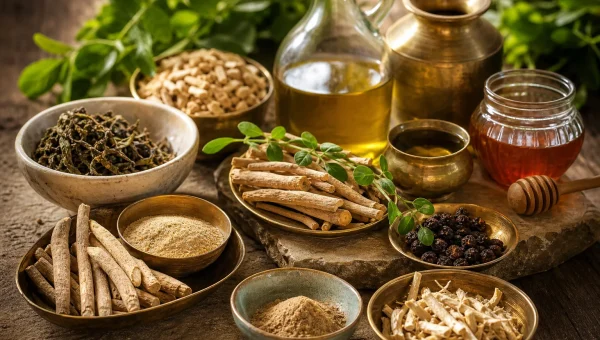
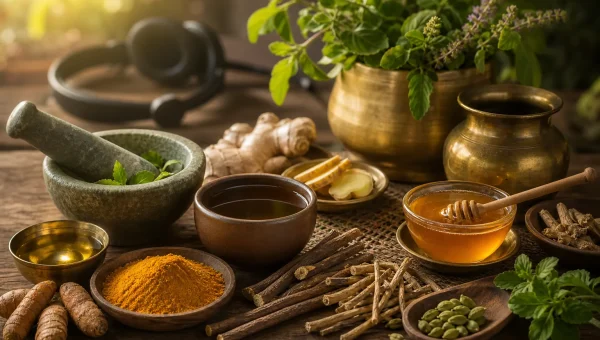
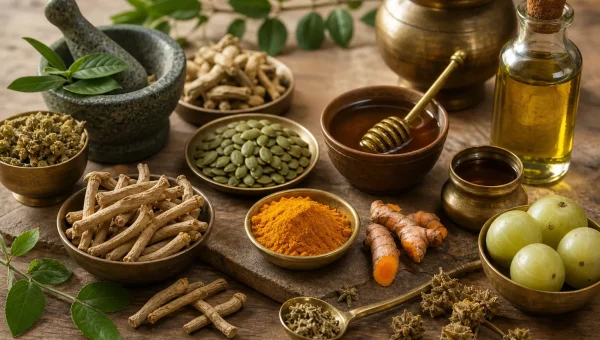
The herbs below are presented as an Ayurvedic framework, not as a self-prescribing schedule. Selection depends on constitution, strength, digestion, bowel pattern, medications, blood pressure, kidney function, prostate evaluation, and the presence or absence of stones, infection, retention, or high post-void residual urine. Traditional doses shown are from Ayurvedic pharmacopoeial usage and should be adapted by a qualified Ayurvedic practitioner.
| Herb | Classical Profile | Protocol Role | Traditional Dose Reference |
|---|---|---|---|
| Varuna (Crataeva nurvala) stem bark | Tikta, kashaya rasa; laghu, ruksha guna; ushna virya; katu vipaka; bhedi, dipana, vata-shleshmahara | A clearing and channel-opening herb for kapha-type urinary stagnation, pelvic heaviness, and stone-tendency patterns traditionally described under ashmari and mutrakricchra. | 20-30 g as decoction |
| Gokshura (Tribulus terrestris) fruit or root | Madhura rasa; guru, snigdha guna; shita virya; madhura vipaka; vatanut, vrishya, bastishodhana, ashmarihara | A soothing mutravaha herb for vata-irritated urinary channels, urinary discomfort, pelvic dryness, and flow support when depletion or irritation accompanies obstruction. | Fruit powder 3-6 g or decoction 20-30 g |
| Punarnava (Boerhaavia diffusa) whole plant | Madhura, tikta, kashaya rasa; ruksha guna; ushna virya; madhura vipaka; anulomana, shothahara, mutrala, vata-shleshmahara | Useful where fluid heaviness, swelling tendency, sluggish metabolism, or kapha accumulation accompanies urinary complaints. | 20-30 g as decoction |
| Ashwagandha (Withania somnifera) root | Tikta, kashaya rasa; laghu guna; ushna virya; madhura vipaka; rasayana, balya, vajikarana, vata-kaphapaha | A supportive rasayana for strength, stress resilience, sleep, and vata-kapha balance when the practitioner judges it appropriate; it is not a remedy for acute urinary obstruction. | 3-6 g root powder |
Varuna and Gokshura: The Core Mutravaha Pair
Varuna and Gokshura form a rational Ayurvedic pair because their qualities complement each other. Varuna is sharper, warmer, lighter, and more drying, making it suited to kapha-type obstruction, sluggishness, and stone-tendency patterns. Gokshura is sweet, cooling, unctuous, strengthening, and traditionally connected with bladder cleansing and urinary comfort, making it suited to vata irritation and depleted urinary-channel states. Used together under supervision, they allow the protocol to address both obstruction and irritation rather than forcing every presentation into one herbal category.
Contemporary Ayurvedic clinical work has also described practitioner-managed combinations such as Kanchanara Guggulu with medicated matra basti in patients assessed under mutraghata with reference to BPH. These are clinic-based interventions, not home experiments. Basti, guggulu preparations, and multi-herb formulations require assessment of digestion, bowel function, strength, medicines, and contraindications.
Diet and Daily Routine for Urinary Flow
The dietary goal is to reduce kapha stagnation without aggravating vata. Favor warm, freshly cooked meals; adequate but not excessive hydration earlier in the day; light evening food; regular meal timing; and bowel regularity. Reduce heavy late dinners, frequent fried foods, excess sweets, large dairy-heavy meals at night, and sedentary snacking, especially when weight gain, sluggish digestion, or pelvic heaviness are present.
For nocturia and urgency, a practical routine matters. Reduce large fluid intake in the hours before sleep, limit evening caffeine and alcohol, empty the bladder before bed, and avoid long deliberate urine retention during the day. Double voiding—relaxing briefly after urination and then trying again without straining—may help some men with incomplete emptying. Constipation should be addressed because straining and pelvic pressure disturb apana vata and can worsen urinary discomfort.
Food-level adjuncts may be included sensibly. Pumpkin seeds or pumpkin seed oil can be used as a dietary support, and cooked tomato preparations provide lycopene-containing food in a prostate-friendly diet pattern. These foods should not be treated as replacements for medication, evaluation, or monitoring, and concentrated supplements should be reviewed with a clinician when anticoagulants, diabetes medicines, kidney disease, allergies, or multiple prescriptions are involved.
Pelvic-Floor and Gentle Yoga Support
Yoga support for prostate-related urinary symptoms should emphasize apana vata regulation, pelvic relaxation, circulation, and non-straining strength. The goal is not to forcefully compress the prostate or “shrink” tissue through posture, but to reduce pelvic tension, improve body awareness, and support urinary control.
Gentle Mula Bandha or pelvic-floor contractions: Contract the pelvic floor lightly as though stopping the flow of urine, hold for a few seconds without breath-holding, then release fully. Practice in small sets, prioritizing relaxation between contractions. Men with pelvic pain, excessive tension, or worsening urinary hesitation should receive individualized guidance before continuing.
Pavanamuktasana: Lying on the back, draw one or both knees toward the chest and breathe slowly without strain. This posture supports lower abdominal relaxation and can be paired with attention to the exhalation, which is the breath phase most aligned with apana vata release.
Viparita Karani: Resting with the legs elevated against a wall may be used as a gentle evening relaxation practice when comfortable. Avoid inversions during acute illness, dizziness, uncontrolled blood pressure, significant glaucoma risk, or any condition for which a clinician has advised against them.
Walking remains one of the most useful daily practices for kapha-vata balance. A consistent moderate walking routine supports weight management, circulation, bowel function, sleep quality, and metabolic health, all of which are relevant to long-term urinary and prostate care.
Tracking Progress and When to Escalate Care
Track urinary changes in practical terms: number of night-time urinations, urgency episodes, stream strength, hesitancy, incomplete emptying, dribbling, discomfort, and any change in urine color. A clinician may use tools such as the International Prostate Symptom Score, post-void residual urine measurement, urinalysis, PSA testing, imaging, or cystoscopy when appropriate. Ayurvedic support is safest when it is integrated with this monitoring rather than used to avoid it.
Seek prompt medical care for inability to urinate, severe lower-abdominal pain, fever or chills with painful urination, blood in the urine, recurrent urinary tract infections, known bladder stones, kidney impairment, rapidly worsening symptoms, or new urinary symptoms accompanied by unexplained weight loss or bone pain. Men already using alpha blockers, 5-alpha reductase inhibitors, tadalafil, diuretics, anticoagulants, blood pressure medicines, or diabetes medicines should review herbs and supplements with their treating clinician before use.
Medical Disclaimer: Prostate and urinary symptoms require evaluation by a qualified urologist or physician to distinguish BPH from prostate cancer, infection, bladder dysfunction, stones, medication effects, and kidney-related complications. Do not stop or change prescribed medicines, PSA monitoring, imaging, or follow-up plans because of Ayurvedic care. Use herbs, guggulu formulations, basti procedures, and mineral-containing products only with guidance from a qualified Ayurvedic practitioner and appropriate medical oversight. Choose reputable, quality-tested products, and seek urgent care for acute urinary retention or any inability to urinate.
Nothing in this article diagnoses or treats a medical condition. Use it as educational information and consult a qualified Ayurvedic practitioner or physician before starting herbs, supplements, detoxes, basti, or therapeutic protocols, especially if managing a condition, taking medication, or under specialist care.
References
- NIDDK
- Aafp (aafp.org)
- NCBI
- Charaka Samhita — Sroto Vimana
- Ayurvedic Pharmacopoeia of India
- A clinical evaluation of Kanchanara Guggulu and Bala Taila Matra Basti in the management of Mutraghata with special reference to benign prostatic hyperplasia (2018), PubMed
- Efficacy of Kanchanara Guggulu and Matra Basti of Dhanyaka Gokshura Ghrita in Mootraghata (benign prostatic hyperplasia) (2015), PubMed
- Mdpi (mdpi.com)
- Pumpkin seed oil (Cucurbita pepo) versus tamsulosin for benign prostatic hyperplasia symptom relief: a single-blind randomized clinical trial (2021), PubMed
- NCCIH
Any urinary symptoms in men over 50 want prostate cancer screening before starting herbal protocols.
Tried Saw Palmetto and three Ayurvedic BPH protocols over two years with limited benefit. Surgery resolved my quality of life.