Plant-Based Ayurveda: A Complete Vegan Protocol Across All Three Doshas
A fully vegan Ayurvedic protocol is best understood as a careful modern application of classical Ayurvedic principles, not as a literal reproduction of every classical diet or formulation. Classical Ayurveda gives extensive attention to grains, pulses, vegetables, fruits, oils, spices, milk, ghee, curd, honey, and animal-based preparations; therefore, a vegan approach must preserve the Ayurvedic logic of guna, agni, dosha, season, and digestibility while replacing animal-derived substances with plant-based foods that serve similar dietary functions.
The central task is functional rather than ideological. Dairy, ghee, and meat broths appear in classical dietetics because they can be nourishing, unctuous, grounding, strengthening, or useful as vehicles for herbs in specific contexts. A vegan Ayurvedic plan should therefore ask what quality is needed: warmth, oiliness, heaviness, lightness, cooling, stimulation, softness, tissue nourishment, or easier digestion. The replacement should be chosen for that required quality, not merely because it resembles the original ingredient visually.
Modern vegan diet planning also requires deliberate attention to nutrients that are difficult to obtain reliably from unfortified plant foods. Vitamin B12, vitamin D, iodine, iron, zinc, calcium, and long-chain omega-3 fats deserve routine planning through fortified foods, appropriate supplements, and laboratory monitoring where needed. This nutritional layer is not separate from Ayurveda: it supports dhatu nourishment, stable agni, clear energy, and long-term resilience.
Replacing Dairy in Ayurvedic Practice: The Function-First Approach
Classical Ayurveda uses dairy in several different ways: as food, as a nourishing drink, as curd or buttermilk, as ghee, and as a medium for certain preparations such as ksheerapaka. Vegan substitutions can be useful for daily diet and gentle home routines, but they should not be presented as identical to classical medicated milk, classical ghee, or practitioner-prescribed formulations.
| Classical Function | Traditional Example | Vegan Adaptation | Practical Boundary |
|---|---|---|---|
| Warm, unctuous herb vehicle | Ksheerapaka, herbs processed with milk and water | Warm oat milk, almond milk, or diluted coconut milk used as a culinary carrier | Useful for home nourishment, but not identical to classical ksheerapaka |
| Tarpana and grounding | Warm milk with suitable spices | Warm coconut milk, oat milk, or almond milk with cardamom, nutmeg, or ginger according to dosha | Choose heavier milks for vata, lighter preparations for kapha, and cooling spices for pitta |
| Sneha, oiliness, and lubrication | Ghee | Sesame oil, coconut oil, olive oil, avocado, tahini, soaked nuts, or seed pastes | Plant oils can provide unctuousness in diet, but medicated ghee has its own classical identity |
| Fermented sour dairy | Dadhi and takra | Unsweetened coconut yogurt, cashew yogurt, or cultured plant yogurt used sparingly | Live-culture content depends on the product; sour fermented foods may aggravate pitta if overused |
Vata Dosha Vegan Protocol
Vata requires warmth, regularity, softness, oiliness, and grounding. A vegan diet can aggravate vata when it becomes too raw, cold, dry, irregular, airy, or low in fat. The vata vegan plan should therefore be built around cooked foods, stable meal times, warm spices, sufficient plant fats, and legumes prepared until soft.
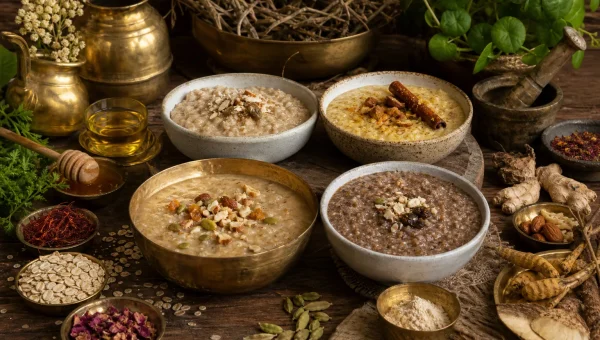
The best vata-supportive vegan foundation includes warm porridges, soft rice dishes, kichari-style meals, soups, stews, root vegetables, cooked fruits, soaked dates, tahini, sesame oil, olive oil, avocado, coconut milk, soaked almonds, soaked cashews, and well-cooked mung dal. Sesame oil is especially useful for bringing oiliness and warmth, while tahini and soaked nut pastes help create the smooth, heavy texture vata often needs.
Protein should come from the easiest legumes first: split mung dal, red lentils, soft tofu where tolerated, and thoroughly cooked chickpeas or beans in smaller portions. Vata digestion is variable, so legumes should be soaked when appropriate, cooked until fully soft, and served with digestive spices rather than eaten cold, raw, sprouted, or undercooked.
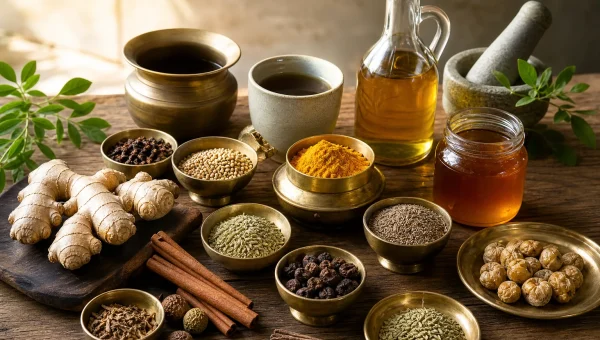
A vata vegan spice pattern can include cumin, fresh ginger, dry ginger, ajwain, fennel, cardamom, cinnamon, black pepper in moderation, and a small pinch of hing in dals and bean dishes. Hing is traditionally used for gas and flatulence, and it is particularly useful when legumes are a major protein source. Meals should be moist rather than dry: dal should be soupy, grains should be soft, and salads should be replaced by cooked vegetables when vata symptoms are active.
Pitta Dosha Vegan Protocol
Pitta benefits from food that is cooling, mildly oily, steady, and not excessively sour, salty, pungent, fried, or fermented. A vegan pitta plan can work well when it emphasizes hydrating vegetables, moderate legumes, sweet fruits in season, coconut, coriander, fennel, mint, and gentle cooking rather than heavy chili, vinegar, pickles, and very sour ferments.
Pitta-appropriate vegan fats include coconut, coconut milk, moderate avocado, soaked almonds without skins, sunflower seeds, pumpkin seeds, and moderate olive oil. Sesame oil is more warming and is better used in smaller quantities when pitta is high. Coconut water, cucumber, zucchini, bottle gourd, fennel, coriander leaf, mint, pomegranate, ripe sweet fruits, and bitter greens can help keep the diet light, cooling, and satisfying.
Pitta protein sources include mung dal, masoor dal, chickpeas in moderate quantity, tofu, tempeh in modest quantity if well tolerated, pumpkin seeds, sunflower seeds, and hemp seeds. Hemp seeds are useful because they provide plant protein and essential fatty acids, but they do not replace algae-derived DHA or EPA. Pitta vegans who avoid fish should consider a vegan long-chain omega-3 source when dietary assessment suggests need.
The pitta spice pattern should stay fragrant rather than fiery. Cumin, coriander, fennel, cardamom, turmeric, mint, and small amounts of fresh ginger are generally more suitable than heavy chili, garlic, mustard, or excessive black pepper. Sour vegan foods such as vinegar-heavy dressings, kombucha, pickles, sour yogurt alternatives, and tomato-heavy sauces should be used carefully when acidity, heat, rashes, irritability, or loose stools are present.
Kapha Dosha Vegan Protocol
Kapha benefits from food that is warm, light, dry, stimulating, and not excessively oily, sweet, cold, or heavy. A vegan diet can support kapha well when it centers on non-starchy vegetables, spices, modest legumes, and lighter grains; it can aggravate kapha when it becomes dominated by bread, pasta, rice, sweets, nut butters, coconut desserts, and frequent snacking.
A practical kapha vegan plate can emphasize mostly non-starchy vegetables, a moderate portion of legumes, and a small portion of grain when needed. Bitter greens, cabbage, cauliflower, broccoli, gourds, peppers, green beans, sprouts that are lightly cooked, barley, millet, lentils, mung dal, and chickpeas can be useful. Heavy vegan foods such as large quantities of cashews, peanut butter, coconut cream, vegan cheese, sweet smoothies, and desserts should be occasional rather than daily staples.
Kapha requires active spicing. Ginger, black pepper, long pepper, mustard seed, cumin, turmeric, fenugreek, cinnamon, clove, and curry leaves can help keep meals warm and stimulating. Trikatu, the classical combination of dry ginger, black pepper, and long pepper, is a strong heating formulation and should be used cautiously, especially in people with acidity, ulcers, pregnancy, bleeding tendency, or high pitta symptoms.
Kapha vegans should keep breakfast light, avoid grazing, prefer warm meals over cold bowls, and use soups, sautéed vegetables, and spiced dals rather than dense nut-based vegan comfort foods. Sweet taste is not forbidden, but it should come mainly from whole foods and should be balanced with pungent, bitter, and astringent tastes.
The Vegan B12, D, Iodine, and Omega-3 Protocol
No dosha framework removes the need for reliable vitamin B12 intake. Unfortified plant foods are not a dependable source of active B12, and deficiency can affect red blood cell formation and the nervous system. Vegans should use fortified foods or a B12 supplement consistently, with serum B12 and methylmalonic acid interpreted by a qualified healthcare provider when deficiency is suspected or risk is high.
Common vegan B12 strategies include fortified foods taken regularly, a daily supplement, or a weekly higher-dose supplement. Cyanocobalamin and methylcobalamin are both used in supplements; cyanocobalamin is stable and widely used, while methylcobalamin is also common. The right form and dose should be chosen according to diet, laboratory values, age, medications, pregnancy status, and clinical guidance.
Vitamin D should be planned through safe sun exposure, fortified foods, and supplements when needed. Vegan vitamin D may come as vitamin D2 or lichen-derived vitamin D3. Blood 25-hydroxyvitamin D is the standard marker used to assess vitamin D status, and supplementation should avoid chronic high dosing unless supervised by a clinician.
Iodine deserves special attention because dairy, eggs, and seafood are common iodine sources in many diets. Vegan iodine can come from iodized salt or carefully dosed supplements. Seaweed can be very high and variable in iodine, so it should not be used casually as a daily supplement without checking dose and suitability.
For omega-3 planning, flaxseed, chia seed, hemp seed, and walnuts provide alpha-linolenic acid, while algae-derived products can provide vegan DHA and EPA. This distinction matters: seeds are useful, but they are not the same as long-chain omega-3 sources. A dietitian or healthcare provider can help determine whether algae-derived DHA/EPA is appropriate.
Protein Adequacy in Vegan Ayurvedic Practice
Well-planned vegan diets can provide adequate protein, but Ayurveda adds a crucial qualification: food must be digestible for the person eating it. A high-protein vegan diet that relies on cold shakes, raw sprouts, undercooked beans, and frequent snacking may meet numbers on paper while disturbing agni, especially in vata and kapha constitutions.
The most Ayurvedic way to improve vegan protein intake is to make legumes easier to digest. Soak beans and larger legumes, discard soaking water where appropriate, cook until fully soft, and use spices such as ginger, cumin, fennel, coriander, ajwain, and hing according to dosha. This supports both the culinary digestibility of legumes and the Ayurvedic goal of reducing gas, heaviness, and incomplete digestion.
A daily vegan Ayurvedic protein pattern may include mung dal or lentils at lunch, tofu or tempeh where tolerated, chickpeas or beans several times per week, sesame or tahini, pumpkin seeds, hemp seeds, nut pastes in dosha-appropriate amounts, and fortified soy milk when suitable. Vata needs protein served warm and moist; pitta needs it without excessive heat or sourness; kapha needs it light, spiced, and not overloaded with fats.
Seasonal Adjustment for Vegan Ayurveda
A vegan Ayurvedic diet should not stay identical all year. In colder or windier periods, increase warm soups, stews, sesame, cooked grains, root vegetables, and gentle oiliness, especially for vata. In hot seasons, emphasize coconut, cucumber, gourds, coriander, fennel, mint, pomegranate, and lighter dals, especially for pitta. In damp, cold, or sluggish seasons, reduce heavy grains, sweets, nut-heavy foods, and cold meals while increasing ginger, black pepper, mustard seed, barley, millet, and bitter greens, especially for kapha.
The seasonal food rotation aligned with the dosha-specific intermittent fasting framework can provide additional structure for adjusting meal timing and food heaviness without abandoning the plant-based foundation.
Medical Disclaimer: This article is for educational and nutritional information only. A vegan diet requires careful planning to avoid nutritional deficiencies, particularly vitamin B12, vitamin D, iodine, calcium, iron, zinc, and long-chain omega-3 fats. Consult a registered dietitian, qualified Ayurvedic practitioner, and healthcare provider before transitioning to a fully plant-based diet, especially if you are pregnant, breastfeeding, elderly, managing a medical condition, taking medication, or planning herbs or supplements. Regular laboratory monitoring may be appropriate for strict vegans.
Nothing in this article diagnoses, treats, cures, or prevents any medical condition. Use it as educational information and consult a qualified Ayurvedic practitioner or physician before starting herbs, supplements, detoxes, or therapeutic protocols.
References
- Charaka Samhita — Annapanavidhi Adhyaya
- Wisdomlib — classical text
- Wjarr (wjarr.com)
- Ijaas (ijaas.org.in)
- Jandonline (jandonline.org)
- NHS
- NIH Office of Dietary Supplements
- Vegansociety (vegansociety.com)
- Efficacy of supplementation with methylcobalamin and cyancobalamin in maintaining the level of serum holotranscobalamin in a group of plant-based diet (vegan) adults (2021), PubMed Central
- NIH Office of Dietary Supplements
- Drugs (drugs.com)
- NIH Office of Dietary Supplements
- NIH Office of Dietary Supplements
- NIH Office of Dietary Supplements
- NIH Office of Dietary Supplements
- Higherlogicdownload (higherlogicdownload.s3.amazonaws.com)
- Link (link.springer.com)
- Tandfonline (tandfonline.com)
- Nutritionsource (nutritionsource.hsph.harvard.edu)
- Ferula asafoetida: Traditional uses and pharmacological activity (2012), PubMed Central
- Ayurveda (ayurveda.com)
- An Ayurvedic formulation ‘Trikatu’ and its constituents (1992), PubMed