
Autumn Seasonal Allergies Ayurvedic Herbs: Understanding the Sharad-to-Late-Autumn Shift
Autumn seasonal allergies ayurvedic herbs are best understood through both seasonal timing and individual dosha expression. In classical Ayurveda, sharad ritu is the season in which accumulated pitta commonly becomes aggravated after the rainy season. In many temperate autumn climates, the later part of the season also brings dryness, wind, cooler air, and irregular routines that resemble vata influence. For allergy-prone people, this means the autumn pattern often combines pitta-type reactivity with vata-type dryness and kapha-type mucus accumulation.
The external triggers may include ragweed and other weed pollens, mold spores, and indoor allergens such as dust mites, but the internal pattern determines how symptoms appear. Pitta-dominant people often report heat, burning eyes, redness, sharp sneezing, and irritability. Kapha-dominant people tend toward heaviness, thick mucus, sinus fullness, and post-nasal drip. Vata-dominant people may experience dryness, tickling, variable sneezing, dry nostrils, interrupted sleep, and symptoms that fluctuate from day to day.
Effective management begins before the peak of symptoms. In many regions, late-summer and early-autumn weed pollen exposure can begin in August and continue until frost, with ragweed often peaking around mid-September. Ayurvedic preparation is therefore most useful during the seasonal junction: gradually moving away from summer habits, pacifying pitta, protecting the nasal passages, maintaining warm digestion, and using herbs according to the dominant symptom pattern rather than taking every herb at once.
Pre-Season Preparation: September Protocol
The two weeks around the seasonal transition are the best time to prepare the respiratory channels. Ayurveda calls this transition ritu-sandhi, the junction between seasons, when earlier habits should be reduced gradually and the next season’s regimen adopted slowly. For autumn allergy prevention, the main priorities are pitta-pacifying diet, stable bowel habits, daily nasal lubrication when appropriate, and reducing exposure to dust, pollen, and mold.
Sharad pitta clearance: Classical texts recommend pitta-pacifying measures in autumn, including light, slightly bitter, sweet, cooling foods taken in proper quantity and stronger physician-directed therapies such as virechana when clinically suitable. Formal virechana is not a home purge and should be done only under the supervision of a qualified Ayurvedic physician. A practical home version is gentler: eat light, warm, freshly cooked meals; avoid overheating, alcohol, excessive sour and salty foods, curd, heavy fried foods, and daytime sleeping; and keep the bowels regular without forcing purgation.
Pratimarsha nasya: Daily low-dose nasal oiling is a central preventive practice for dryness and irritation of the nasal passages. A common approach is 1-2 drops of anu taila or plain sesame oil in each nostril after bathing, followed by gentle sniffing and light massage around the nose and cheekbones. This is most suitable when the nose is dry, irritated, or exposed to dust and wind. Avoid nasya during acute fever, active sinus infection, heavy congestion, nosebleeds, immediately after meals, or in children, pregnancy, asthma, or chronic medical conditions unless a practitioner approves it.
The Herb Stack: Autumn Allergy Support
Ayurvedic herb selection should match the symptom pattern. A pitta-kapha presentation with burning, itching, and mucus calls for different support than a vata-dominant presentation with dryness and erratic sneezing. The following herbs and formulas are commonly used in respiratory and rhinitis-like patterns, but they should be adjusted for constitution, digestion, age, medications, and disease severity.
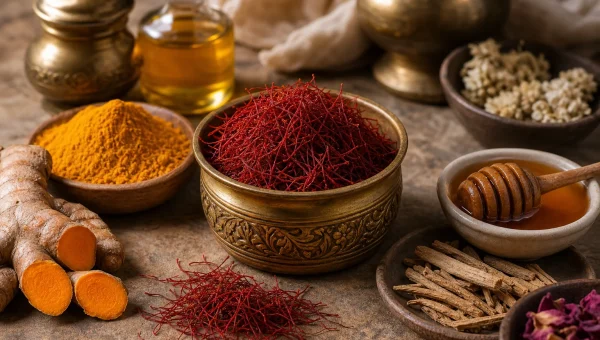
Haridra (turmeric, Curcuma longa): Haridra is listed in the Ayurvedic Pharmacopoeia of India with bitter and pungent taste, dry quality, hot potency, pungent post-digestive effect, and kapha-pitta-pacifying action. Its listed therapeutic uses include pinasa, a nasal catarrh/rhinitis-type condition. It is most appropriate when allergy symptoms include pitta-kapha features such as itching, mild swelling, mucus, and inflammatory heat. A food-level approach is turmeric in warm cooked meals; medicinal doses or curcumin extracts should be taken only with professional guidance, especially if using blood thinners, diabetes medicines, gallbladder medicines, or preparing for surgery.
Shirish (sirisha, Albizia lebbeck): Shirish bark is an important Ayurvedic respiratory and anti-reactive herb. The Ayurvedic Pharmacopoeia of India lists kasa, shvasa, pinasa, pratishyaya, and shitapitta among its therapeutic uses, making it especially relevant where rhinitis, cough, breathlessness tendency, and urticaria-like reactivity overlap. It is not a casual kitchen herb; use the powder, decoction, avaleha, or extract only under the direction of a qualified practitioner.
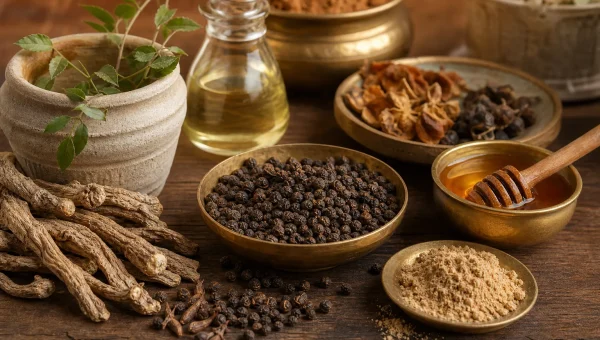
Trikatu (dry ginger, black pepper, long pepper): Trikatu is heating, pungent, light, sharp, drying, and kapha-vata clearing. It is most useful when autumn allergy presents with kapha heaviness: thick mucus, sluggish digestion, coated tongue, sinus fullness, and cold-damp aggravation. A small amount may be taken with honey or warm water when suitable, but it should be avoided or used cautiously in burning acidity, ulcers, bleeding disorders, high pitta symptoms, pregnancy, and severe dryness.
Sitopaladi churna: Sitopaladi is a classical respiratory powder prepared with sugar candy, vamshalochana, pippali, cardamom, and cinnamon. It is commonly used for cough, throat irritation, post-nasal drip, and respiratory discomfort, especially when the throat feels dry or tickled. Because it contains sugar candy, people with diabetes, insulin resistance, or strict sugar restriction should consult a practitioner before using it.
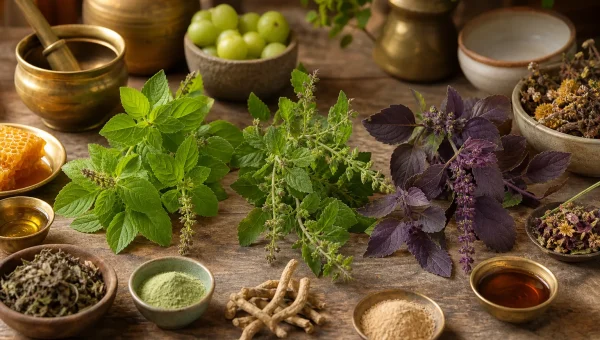
Tulsi (Ocimum sanctum): Tulsi is warm, aromatic, and traditionally used for kasa and shvasa. As a tea, it suits kapha-vata presentations with chilliness, mild mucus, dull heaviness, and low respiratory vitality. Pitta-dominant people with burning eyes, acidity, or heat should keep tulsi mild and avoid combining it with too many heating spices.
| Herb/Formula | Typical Use | Timing | Best-Matched Pattern | Seasonal Role |
|---|---|---|---|---|
| Anu taila or sesame oil nasya | 1-2 drops each nostril when suitable | Morning after bathing | Dryness, irritation, dust exposure | Preventive from seasonal junction |
| Haridra | Food use or practitioner-directed medicinal dose | With meals | Pitta-kapha irritation, itching, mucus | Early-season support |
| Shirish | Powder, decoction, avaleha, or extract under guidance | As prescribed | Reactive rhinitis, cough, urticaria tendency | Targeted seasonal herb |
| Trikatu | Small dose with honey or warm water when suitable | Before meals | Thick mucus, heaviness, sluggish agni | Short kapha-clearing support |
| Sitopaladi churna | Usually taken with honey or ghee as directed | After meals | Cough, throat tickle, post-nasal drip | During flare or throat symptoms |
Dietary Adjustments for Autumn Allergy Season
The autumn diet should reduce pitta reactivity without increasing kapha congestion. Classical autumn guidance emphasizes sweet, light, cooling, slightly bitter, pitta-pacifying foods taken in proper quantity and only with good appetite. In practical terms, choose warm but not overly spicy meals, cooked grains, light soups, moderate ghee, and simple freshly cooked foods rather than cold, stale, fried, fermented, or excessively sour meals.
Foods to emphasize from September onward include warm water; cooked vegetables; rice, barley, or wheat preparations that are easy to digest; mung dal soup; coriander, cumin, and fennel in cooking; small amounts of ghee when digestion is strong; and tulsi or mild ginger tea when kapha heaviness is present. If symptoms are strongly pitta-dominant, keep ginger, black pepper, trikatu, and tulsi mild rather than aggressive.
Foods and habits to reduce during allergy season include curd/yogurt, cold drinks, ice, heavy fried foods, excessive sour and salty foods, alcohol, daytime sleeping, and overeating. Kapha-dominant people should also reduce chilled dairy, banana-heavy smoothies, sweets, and late dinners. The goal is not austerity, but a clear respiratory channel supported by steady agni and light, seasonal meals. This connects with the broader agni maintenance approach used during seasonal transitions.
Dhoomapana: Classical Medicated Smoke With Modern Caution
Dhoomapana is a classical Ayurvedic procedure in which medicated smoke is inhaled through the nose and exhaled through the mouth using a specific prepared wick and apparatus. It is described for selected upper-clavicular and vata-kapha conditions, including some rhinitis-type patterns. However, it is a treatment procedure, not a casual home inhaler and not a substitute for prescribed allergy or asthma care.
For autumn allergies, dhoomapana should be considered only by a trained practitioner for the right person, right formulation, and right timing. It is unsuitable for children, pregnancy, weakness, bleeding tendency, burning disorders, severe dryness, active respiratory distress, and many acute or chronic conditions. People with asthma, reactive airway disease, wheezing, or smoke sensitivity should avoid smoke inhalation because smoke can trigger airway narrowing and breathing difficulty.
A safer home approach for most people is to keep the bedroom free of dust, avoid indoor dampness, shower and change clothes after heavy pollen exposure, use safe saline nasal rinsing when appropriate, and maintain daily nasal lubrication only when it is suitable for the individual.
Yoga and Pranayama for Respiratory Resilience
Three gentle practices are most useful for seasonal respiratory resilience: safe nasal rinsing, calming breathwork, and chest-opening postures. Neti or saline nasal irrigation can help remove pollen, dust, and mucus from the nasal passages, but it must be done only with distilled, sterile, or previously boiled and cooled water. The pot or bottle should be cleaned and dried after use, and nasal rinsing should be stopped if it causes pain, nosebleeds, fever, headache, or worsening symptoms.
For pranayama, favor gentle nadi shodhana and bhramari over forceful practices during active allergy flares. Five minutes of alternate-nostril breathing followed by a few rounds of humming exhalation can calm the breath and support sinus comfort without irritating the nasal lining. Forceful kapalabhati is not ideal during acute sneezing, wheezing, high blood pressure, pregnancy, severe acidity, dizziness, or active sinus inflammation unless a qualified teacher and healthcare provider consider it appropriate.
For posture, gentle bhujangasana (cobra pose), supported matsyasana (fish pose), and simple thoracic extension can reduce the rounded-shoulder, tight-chest pattern that often accompanies congestion. Practice slowly with nasal comfort as the guide. If breath becomes strained, return to sitting, breathe normally, and keep the practice restorative rather than forceful.
The most reliable Ayurvedic strategy for autumn allergies is early, steady, and individualized: begin at the seasonal junction, pacify pitta without provoking kapha, protect the nasal passages from dryness, keep digestion clear, and choose herbs according to the actual symptom pattern. Starting before symptoms become entrenched is more effective than waiting until the season has already overwhelmed the respiratory channels.
Medical Disclaimer: This content is for educational purposes only and does not constitute medical advice. Seasonal allergies with asthma, wheezing, severe reactions, anaphylaxis history, recurrent sinus infections, pregnancy, children, older adults, or chronic medical conditions require guidance from a qualified healthcare provider. Ayurvedic herbs, nasya, dhoomapana, and supplements should be discussed with a licensed practitioner, especially if taking antihistamines, corticosteroids, inhalers, anticoagulants, diabetes medicines, blood pressure medicines, or other prescription drugs. Do not discontinue prescribed allergy or asthma medications without medical supervision.
References
- Aafa (aafa.org)
- Mayoclinic (mayoclinic.org)
- Mayoclinic (mayoclinic.org)
- Charaka Samhita — Tasyashiteeya Adhyaya
- Jaims (jaims.in)
- Ayushdhara (ayushdhara.in)
- Ia800501 (ia800501.us.archive.org)
- Effect of curcumin on nasal symptoms and airflow in patients with perennial allergic rhinitis (2016), PubMed
- Anti-allergic activity of standardized extract of Albizia lebbeck with reference to catechin as a phytomarker (2010), PubMed
- Albizia lebbeck suppresses histamine signaling by the inhibition of histamine H1 receptor and histidine decarboxylase gene transcriptions (2011), PubMed
- Ijrap (ijrap.net)
- Eijppr (eijppr.com)
- Ayurvedic Pharmacopoeia of India
- Tulsi – Ocimum sanctum: A herb for all reasons (2014), PubMed Central
- Charaka Samhita — Dhumapana
- CDC
- FDA
- CDC
- Saline irrigation for allergic rhinitis (2018), PubMed
- Impact of Hatha Yoga on the Airway Resistances in Healthy Individuals and Allergic Rhinitis Patients (2019), PubMed
- Europepmc (europepmc.org)
- The Efficacy of Yogic Breathing Exercise Bhramari Pranayama in Relieving Symptoms of Chronic Rhinosinusitis (2019), PubMed
- NCCIH

For someone with both Vata and Pitta imbalance, would you adjust the autumn allergy protocol protocol or is it constitution-neutral?