Post Surgery Nutrition Ayurveda: Building Your Recovery Kit
Post surgery nutrition in Ayurveda can be organized with an adapted samsarjana krama mindset: begin with warm, thin, easy-to-digest foods and slowly return to heavier nourishment as appetite, bowel function, and strength return. In the classical setting, samsarjana krama is a post-shodhana dietetic regimen taught in the Charaka Samhita tradition, where weakened agni is restored through a graduated sequence such as peya, vilepi, yusha, and later more nourishing preparations. For surgical recovery, this should be used as a practical kitchen framework, not as a replacement for surgeon-directed diet orders.
The practical goal is simple: when the surgical team allows oral intake, choose foods that are warm, soft, moist, freshly prepared, lightly seasoned, and easy to digest. Increase texture, quantity, protein, fat, and spices gradually. This approach keeps the original Ayurvedic focus on restoring agni while respecting the modern realities of anesthesia, pain medicines, surgical wounds, nausea, hospital diet rules, and procedure-specific restrictions.
Days 1-3: The Liquid Foundation (Peya-Inspired Phase)
The first 24-72 hours are not rigid calendar rules. Some procedures allow clear liquids within hours, while others require a longer period without oral intake or a specific therapeutic diet. Anesthesia, surgical stress, and opioid pain medicines can slow bowel function, and nausea, vomiting, abdominal distension, swallowing difficulty, or surgeon restrictions override any fixed food schedule. When oral intake is permitted, the Ayurvedic aim of this phase is warmth, hydration, and minimal digestive burden.
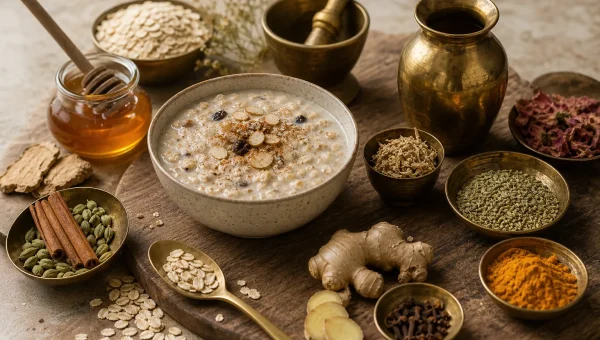
Rice peya or mung-rice peya: Wash 25-30 g white rice, or use 20 g white rice with 10 g yellow split mung dal for a slightly more nourishing version. Cook in 450-500 ml water until the grains break down completely. Strain for a very thin liquid if the patient is still on a liquid-only diet, or blend into a thin gruel if a fuller liquid texture is allowed. Add a small pinch of saindhava lavana or plain rock salt only if salt is permitted. Add 1/4 teaspoon ghee only after the patient is tolerating liquids well and dietary fat has not been restricted. Serve warm in small portions, such as 100-150 ml at a time.
CCF sipping water: Simmer 1/4 teaspoon cumin, 1/4 teaspoon coriander seed, and 1/4 teaspoon fennel seed in 400 ml water for 5-7 minutes. Strain well and offer warm in small sips if fluids and spices are permitted. In Ayurvedic materia medica, cumin, coriander, and fennel are used in relation to dipana, pachana, anulomana, and gentle digestive comfort. Keep the preparation mild; avoid it during NPO orders, fluid restriction, active nausea, reflux aggravation, allergy, or any hospital restriction.
Days 3-7: Thick Liquids and Soft Porridge (Vilepi-Inspired Phase)
Once warm liquids are tolerated and the care team clears thicker food, the diet can move toward a vilepi-inspired phase: thicker than peya, but still soft, moist, and spoonable. This is the stage for gentle calories, modest protein, and a little more substance without asking the digestive system to manage dry, fried, raw, or heavy meals.
Recovery khichdi: Wash 50 g yellow split mung dal and 30 g white basmati rice. Cook with 500-650 ml water until the mixture is completely soft and mashable. Add a pinch of rock salt, 1/8-1/4 teaspoon turmeric, and 1/8-1/4 teaspoon cumin powder if spices are permitted. Add 1 teaspoon ghee only when fat is allowed and the patient is tolerating food. Serve loose and porridge-like, not dry. Rice provides gentle carbohydrate, mung dal provides plant protein and minerals, and the soft cooked texture is the main therapeutic feature.
Wound recovery requires adequate energy, protein, fluids, vitamin C, zinc, and other nutrients as the diet advances. In an Ayurvedic kitchen, this can be supported through soft khichdi, well-cooked mung soup, strained vegetable broths, cooked carrots or bottle gourd, and small amounts of amalaki-based preparations when sourness and astringency are tolerated. Avoid megadosing nutrients or herbs after surgery unless your clinician has cleared them.
| Approximate Timing | Ayurvedic Phase | Key Preparations | Therapeutic Goal |
|---|---|---|---|
| First allowed oral intake to Day 3 | Peya-inspired thin liquids | Warm water, rice peya, mung-rice water, mild CCF water | Hydration, warmth, gentle agni support |
| Days 3-7, if cleared | Vilepi-inspired thick gruel | Soft khichdi, mung-rice porridge, thin mung soup | Gentle calories and digestible protein |
| Days 7-14, if tolerated | Yusha-inspired soups | Mung soup, soft cooked vegetables, slightly thicker khichdi | Sustained nourishment and bowel regularity |
| Weeks 2-4 | Soft strengthening diet | Lentil soups, rice, stewed vegetables, small ghee if allowed | Strength rebuilding and tissue support |
| Week 4 onward | Individualized return to normal diet | Gradual reintroduction of usual foods | Stable digestion and full dietary function |
The Hospital Recovery Kit: What to Pack
A post-surgery food kit is useful only when it fits hospital policy and the surgeon’s diet order. Pack simple items that help the caregiver provide warm, clean, easy food once oral intake begins. Label everything, keep portions small, and ask the nurse before giving any outside food or drink.
Approved food items: A thermos of warm water or very mild CCF water, a small container of thin rice peya, plain soft khichdi for later use, a small container of rock salt, and a small jar of ghee to add only when permitted. Keep foods freshly prepared, warm, and simple. Avoid strong masala, chili, fried tempering, onion-heavy preparations, refrigerated leftovers, and large portions.
Caregiver preparation items: Washed white rice, washed yellow split mung dal, a small measuring spoon, clean serving cups, and a soft spoon. For many patients, the difference between struggling with dry hospital food and comfortably taking a few spoons of warm khichdi is the difference between forcing digestion and cooperating with it.
Herbs and supplements: Do not begin herbal capsules, powders, tonics, or laxatives automatically on Day 2 or Day 3. Triphala may be considered for bowel regularity only after bowel function has returned and the surgeon or practitioner approves it; avoid it with diarrhea, dehydration, suspected obstruction, or immediately after bowel surgery unless specifically directed. Ashwagandha, guduchi, amalaki powders, turmeric extracts, and other supplements should be listed for the anesthesia and surgical team before surgery and restarted only after clearance.
Week 2-4: Practitioner-Supervised Rasayana and Balya Support
After the patient is home, tolerating semi-solid food, passing stool without strain, and cleared for a broader diet, the Ayurvedic emphasis can shift from pure agni rekindling toward balya and rasayana support. Food remains the foundation: soft khichdi, mung soup, cooked vegetables, adequate fluids, and enough protein are more important than starting many herbs at once.
Amalaki: Classical Ayurvedic pharmacopoeial sources list amalaki as rasayana and tridoshajit, and also note its ascorbic acid and tannin content. In a recovery diet, it may be used in small, practitioner-approved amounts when acidity, reflux, diarrhea, diabetes control, and medication timing have been considered.
Guduchi and ashwagandha: Guduchi is classically listed with actions such as dipana, balya, and rasayana. Ashwagandha is listed as rasayana, balya, and vata-kapha-hara. These herbs are not automatic post-operative supplements; they belong in an individualized plan after reviewing the type of surgery, liver and kidney status, bleeding risk, immune medicines, sedatives, thyroid medicines, pregnancy status, and current prescriptions.
Haridra in food: Small culinary amounts of turmeric can be used in khichdi or soup if spices are tolerated. High-dose turmeric or curcumin extracts should be treated as supplements and disclosed to the surgical team, especially when medicines or bleeding precautions are involved.
What to Avoid Until Cleared
During the early recovery window, avoid cold drinks, fried foods, heavy sweets, large meals, raw salads, dry snacks, excess chili, alcohol, and sudden high-fiber loading. These foods are harder to digest during the very stage when Ayurveda is trying to restore agni gradually. Reintroduce usual foods one at a time, watching appetite, stool, gas, nausea, wound comfort, blood sugar if relevant, and the surgeon’s instructions.
The clinical basis for this post-surgical Ayurvedic kitchen plan overlaps with the kshata-kshina recovery framework described in our article on post-surgical recovery. The digestive restoration aspect is expanded in our guide on agni as the foundation of health. In practical terms, the safest formula is: follow the surgeon’s diet order, keep food warm and simple, advance gradually, and use herbs only with professional supervision.
Medical disclaimer: Post-operative nutrition must be coordinated with your surgeon, hospital dietitian, anesthesia team, and qualified healthcare provider. Start or advance foods only as directed. Herbs and supplements can interact with anesthesia, pain medicines, blood-thinning medicines, diabetes medicines, sedatives, immune medicines, thyroid medicines, and other prescriptions. Consult a qualified Ayurvedic practitioner and your medical team before starting herbs, supplements, detoxes, or therapeutic protocols after surgery.
Nothing in this article diagnoses, treats, or replaces medical care. Use it as general educational information, especially after surgery, during pregnancy, while managing a medical condition, or while taking medication.
References
- Charaka Samhita — Uttar Basti Siddhi
- Charaka Samhita — Apamarga Tanduliya Adhyaya
- Jahm (jahm.co.in)
- Clinicalnutritionjournal (clinicalnutritionjournal.com)
- NCBI
- Cinj (cinj.org)
- NIH Office of Dietary Supplements
- Zinc in Wound Healing Modulation (2017), PubMed Central
- Fdc (fdc.nal.usda.gov)
- Ayurvedic Pharmacopoeia of India
- Therapeutic Uses of Triphala in Ayurvedic Medicine (2017), PubMed Central
- Madeforthismoment (madeforthismoment.asahq.org)