
Challenging the “Women’s Herb” Narrative
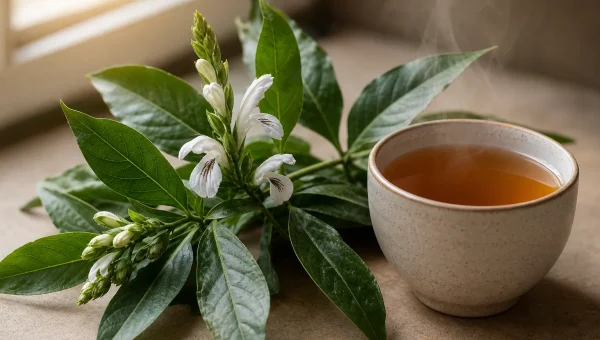
Shatavari (Asparagus racemosus) is often presented in contemporary wellness culture as a “women’s herb,” mainly because it is traditionally used as a stanya-janana or galactagogue herb and because its name is popularly explained as “she who has a hundred husbands.” That reputation is understandable, but it is incomplete. In Ayurveda, Shatavari is not defined only by lactation or female reproductive use; it is also described through broader actions such as balya strength support, rasayana rejuvenation, vrsya reproductive vitality, sukrala support for reproductive tissue, pittahara cooling action, and nourishment of depleted tissues.
The classical and pharmacopoeial profile therefore gives Shatavari a wider clinical identity than the modern “women’s herb” label suggests. The Ayurvedic Pharmacopoeia of India identifies Shatavari as the tuberous root of Asparagus racemosus Willd. and lists actions that include Sukrala, Balya, Rasayana, Vrsya, Vatahara, Pittahara, Stanyakara, Medhya, Hrdya, and Agnipustikara. Charaka also places Shatavari-related names in strength-promoting and reproductive formulations, including uses that are not limited to women.
This article keeps the central question simple: when Shatavari is assessed through authentic Ayurvedic descriptions and cautious modern pharmacology, it should not be automatically excluded for men. Its best-supported male-relevant areas are digestive protection, depletion and strength support, reproductive tissue nourishment, urinary support, immune modulation, and recovery states where cooling, unctuous, nourishing herbs are appropriate.
Classical Profile: Cooling, Nourishing, and Not Female-Only
Classically, Shatavari is a sweet-bitter, cooling, heavy, unctuous root with a sweet post-digestive effect. This makes it especially suitable where there is tissue depletion, heat, dryness, burning, weakness, or irritation. These indications can occur in women and men alike. Its lactation use is one part of the profile, not the boundary of the herb.
| Ayurvedic Category | Classical / Pharmacopoeial Description | Relevance for Men |
|---|---|---|
| Rasa | Madhura and Tikta — sweet and bitter | Supports nourishment while also cooling and calming heat-related irritation. |
| Guna | Guru and Snigdha — heavy and unctuous | Useful in dryness, depletion, post-illness weakness, and Vata-type tissue loss; requires care when digestion is sluggish. |
| Virya | Sita — cooling potency | Appropriate for burning, acidity, heat, irritability, and Pitta-aggravated states. |
| Vipaka | Madhura — sweet post-digestive effect | Traditionally linked with building and stabilizing tissues over time. |
| Karma | Sukrala, Balya, Rasayana, Vrsya, Pittahara, Vatahara, Stanyakara, Medhya, Hrdya | Shows a broad therapeutic identity: reproductive tissue support, strength, rejuvenation, cooling, nervous-system nourishment, and recovery. |
From this profile, the gender-neutral logic is clear. Shatavari is not simply “for women”; it is a cooling, nourishing, reproductive-tissue-supporting, strength-supporting herb. In a male patient, it may be considered when the presentation matches its qualities: dryness, debility, heat, acidity, burning, post-illness depletion, reproductive tissue weakness, or Pitta-Vata aggravation.
Phytochemistry: Why the Root Is Broader Than a Gender Label
The Ayurvedic Pharmacopoeia of India lists sugar, glycosides, saponins, and sitosterol among Shatavari’s constituents. Modern monographs and pharmacology summaries further describe steroidal saponins known as shatavarins, along with mucilage, polysaccharides, flavonoids, polyphenols, asparagamine, racemosol, and related compounds. These constituents help explain why the herb is discussed in relation to mucosal protection, nourishment, immune modulation, antioxidant activity, and reproductive tissue support rather than only lactation.
| Constituent Group | Examples | Reason It Matters |
|---|---|---|
| Steroidal saponins | Shatavarins and related saponins | Central to Shatavari’s pharmacological identity and frequently discussed in relation to reproductive, immune, and adaptogenic activity. |
| Glycosides and sterols | Glycosides, sitosterol | Part of the pharmacopoeial constituent profile of the root. |
| Mucilage and polysaccharides | Mucilaginous and polysaccharide fractions | Fit the traditional use of the root as a soothing, nourishing, demulcent herb for irritated tissues. |
| Polyphenols and related compounds | Flavonoids, racemosol, asparagamine and related constituents | Support the modern discussion of antioxidant and tissue-protective properties. |
The “women’s herb” reputation likely comes from Shatavari’s strong place in lactation and female reproductive support. That origin does not make the herb unsuitable for men. A herb can be a galactagogue and still be balya, rasayana, vrsya, cooling, demulcent, and digestive-protective in other contexts.
Area 1: Gastric Protection and Amlapitta-Type Support
One of Shatavari’s most practical gender-neutral applications is digestive protection. The Ayurvedic Pharmacopoeia of India lists Amlapitta and Parinama Sula among its therapeutic uses, matching the traditional picture of a cooling, unctuous root used where acidity, burning, irritation, and post-meal pain are present.
Experimental ulcer models support this traditional digestive direction. In rat models, Asparagus racemosus root extract reduced ulcer index, gastric secretion volume, free acidity, and total acidity, while improving antioxidant markers and protective carbohydrate-to-protein ratios in gastric tissue. Another rat model using indomethacin plus pyloric ligation also found reduced gastric secretion and acidity with Shatavari treatment, with results compared against ranitidine in that experimental setting.
- Mucosal soothing: The heavy, unctuous, mucilaginous nature of the root fits its use for irritated gastric and intestinal surfaces.
- Cooling action: The sita virya profile supports use in burning, sourness, and heat-dominant digestive presentations.
- Antioxidant tissue protection: Experimental ulcer models describe improved gastric antioxidant status and reduced lipid peroxidation.
For men who frequently use NSAIDs, experience stress-related acidity, or have recurrent burning digestion, Shatavari may be considered as a complementary Ayurvedic support when its cooling and nourishing qualities match the case. It should not replace medical evaluation for ulcers, bleeding, severe abdominal pain, unexplained weight loss, persistent vomiting, or suspected H. pylori infection.
Area 2: Balya, Training Adaptation, and Male Vitality
Shatavari’s balya and rasayana identity is highly relevant to men who are depleted, overworked, recovering, or training physically. Charaka’s placement of Shatavari among strength-supporting herbs and the pharmacopoeial listing of Balya and Rasayana make it broader than a reproductive herb.
A small randomized placebo-controlled trial in recreationally trained men used 500 mg per day of Asparagus racemosus root extract alongside eight weeks of bench-press training. The Shatavari group had greater percentage improvement in one-repetition maximum bench press and performed more repetitions to failure than placebo. The trial was small and involved a specific training context, but it is directly relevant to the question of male use because the participants were men and the outcome was physical performance adaptation rather than female reproductive health.
In Ayurvedic practice, this supports a sensible interpretation: Shatavari may be considered for men who need cooling nourishment and recovery support, especially when intense training, heat, dryness, poor sleep, acidity, or nervous depletion are part of the picture. It is not the right herb for every constitution; in heavy Kapha states, thick coating, strong ama, congestion, or very sluggish digestion, it may need digestive correctives or a different approach.
Area 3: Shukra Dhatu and Male Fertility Support
Shatavari’s reproductive relevance is not limited to female fertility. The Ayurvedic Pharmacopoeia of India lists actions such as Sukrala, Sukraja, and Vrsya, which place the herb in the domain of reproductive tissue and vitality. Charaka also includes Shatavari in vrsya and vajikarana contexts, including formulations concerned with reproductive strength.
For men, this does not mean Shatavari should be presented as a stand-alone cure for infertility. A more accurate Ayurvedic use is as a nourishing reproductive-tissue herb when the patient’s pattern shows depletion, heat, dryness, low vitality, or Pitta-Vata aggravation affecting reproductive health. It may be paired with diet, sleep correction, stress management, digestive regulation, and other vajikarana herbs according to constitution and diagnosis.
Modern reproductive data are best treated as supportive rather than definitive. Laboratory and veterinary work has examined Asparagus racemosus in relation to sperm protection and antioxidant activity; for example, a buck semen cryopreservation study found improved sperm viability, motility, acrosomal integrity, plasma membrane integrity, and antioxidant-related gene expression when Asparagus racemosus aqueous extract was added to semen extender. This supports a tissue-protective and antioxidant rationale, while clinical decisions for male infertility still require semen analysis, medical evaluation, and individualized care.
Area 4: Urinary Support and Kidney-Stone Models
Shatavari also appears in urinary contexts. The Ayurvedic Pharmacopoeia of India lists Mutrarakta among its therapeutic uses, and its cooling, soothing profile makes sense where urinary irritation, heat, or tissue sensitivity is present. This is another area where the herb’s relevance is not gender-bound.
In a male rat urolithiasis model induced with ethylene glycol and ammonium chloride, aqueous root extract of Asparagus racemosus reduced biochemical disturbances and kidney calcification compared with untreated stone-forming animals. The study used animal doses and cannot be translated directly into human dosing, but it supports why Shatavari is discussed in urinary and renal-protective contexts.
Men with recurrent urinary symptoms, burning urination, blood in urine, flank pain, fever, or suspected stones should seek medical evaluation rather than self-treating. Shatavari can be considered only as part of an appropriate plan after the cause is clear.
Area 5: Immune Modulation and Stress-Resilience Support
Shatavari’s Rasayana, Balya, and Medhya actions make it relevant in recovery states where the body is depleted after illness, heat, overwork, or chronic stress. In Ayurveda, the goal is not stimulation for its own sake; it is restoration of strength, tissue stability, and resilience when the herb’s qualities match the patient.
Animal immunology work with a standardized aqueous extract of Asparagus racemosus root described effects on T-cell populations, cytokine balance, antibody titres, delayed-type hypersensitivity response, and lymphocyte proliferation. Reviews of adaptogenic herbs also discuss Shatavari in relation to stress-linked pathways and antidepressant-like effects in preclinical models. These data fit the traditional rasayana concept, while human use still depends on constitution, digestion, disease state, and medication context.
For men recovering from gastrointestinal illness, heat exhaustion, chronic overwork, sleep debt, or inflammatory depletion, Shatavari may be more appropriate than hotter, more stimulating tonics. When the presentation is cold, damp, congested, or Kapha-heavy, it may be unsuitable unless carefully balanced.
Addressing Common Concerns About Shatavari for Men
Two concerns come up repeatedly: whether Shatavari “feminizes” men and whether it is the same as the vegetable asparagus. Both concerns need a precise answer rather than a slogan.
Will Shatavari increase estrogen or feminize men?
Shatavari contains phytoestrogenic constituents and has a long traditional use as a galactagogue, so it should not be dismissed as pharmacologically inactive. At the same time, Ayurveda does not define it only by female hormonal action; the same pharmacopoeial profile also lists Sukrala, Vrsya, Balya, and Rasayana. A balanced view is that Shatavari is a reproductive and nutritive tonic with cooling, unctuous, tissue-building qualities, not a female-only herb.
Men with hormone-sensitive cancers, breast tissue changes, endocrine disorders, or unexplained reproductive symptoms should not self-prescribe Shatavari. In such cases, use should be discussed with a qualified physician and Ayurvedic practitioner.
Is Shatavari the same as the vegetable asparagus?
No. Shatavari is Asparagus racemosus, while the common culinary asparagus is Asparagus officinalis. They belong to the same botanical genus but are different species with different traditional uses and constituent profiles. Eating asparagus as a vegetable is not the same as taking Shatavari root as an Ayurvedic herb.
Practical Integration Suggestions for Men
In classical dosage terms, the Ayurvedic Pharmacopoeia of India lists 3–6 g of the crude drug. Contemporary extracts vary widely in concentration and standardization, so label dose, practitioner guidance, constitution, digestive strength, and medical context matter. Traditionally, Shatavari is often paired with nourishing vehicles such as milk or ghee when appropriate, but those vehicles may be unsuitable for some patients.
- Men with acidity, burning digestion, or NSAID-related gastric irritation: Shatavari may be considered for its cooling and gastroprotective profile, alongside medical supervision where ulcer risk or medication use is present.
- Men in recovery or physical training: When weakness, heat, dryness, poor recovery, or tissue depletion are present, Shatavari’s balya and rasayana actions make it a reasonable consideration. For broader supplement planning, Creatine and Ayurveda: Stacking Supplements can be read alongside this approach.
- Men planning fertility support: Shatavari may be considered as part of a supervised vajikarana plan where depletion, heat, or Vata-Pitta aggravation is present. It should be combined with semen analysis, medical assessment, sleep correction, nutrition, and avoidance of heat and toxin exposures.
- Men after illness or gastrointestinal depletion: Its cooling, unctuous, nourishing profile may help rebuild strength when digestion can handle it. Ayurvedic Approach to Chronic Fatigue provides a broader framework for depletion and recovery.
- Men with urinary heat or irritation patterns: Shatavari may be relevant when the case matches its cooling and soothing qualities, but blood in urine, fever, flank pain, or recurrent stones require medical evaluation.
How to Use the Evidence Without Overstating It
The strongest reason to challenge the “women’s herb only” narrative is classical accuracy: Shatavari’s Ayurvedic identity includes strength, rejuvenation, reproductive tissue nourishment, cooling, digestive support, and recovery. Modern work adds useful support in gastric, immune, urinary, antioxidant, and performance contexts, but much of it is preclinical, and the direct human male literature remains limited.
The best conclusion is not that every man should take Shatavari. The better conclusion is that men should not be excluded from Shatavari when the Ayurvedic indication is appropriate. It is most suitable for men with heat, dryness, depletion, acidity, reproductive tissue weakness, post-illness weakness, or Pitta-Vata aggravation. It is less suitable as a casual tonic in heavy Kapha states, thick coating, poor digestion, congestion, or unclear medical conditions.
Nothing in this article diagnoses or treats a medical condition. Use it as educational information and consult a qualified Ayurvedic practitioner or physician before starting herbs, supplements, detoxes, or therapeutic protocols, especially if pregnant, nursing, managing a condition, or taking medication.
References
- Ayurvedic Pharmacopoeia of India
- Charaka Samhita — Shatavari
- Charaka Samhita — Shatavari
- Plant profile, phytochemistry and pharmacology of Asparagus racemosus (Shatavari): A review (2013), PubMed Central
- NCBI
- Antiulcer and antioxidant activity of Asparagus racemosus Willd and Withania somnifera Dunal in rats (2005), PubMed
- Antisecretory and antiulcer activity of Asparagus racemosus Willd. against indomethacin plus phyloric ligation-induced gastric ulcer in rats (2006), PubMed
- Mdpi (mdpi.com)
- Study of antiurolithiatic activity of Asparagus racemosus on albino rats (2012), PubMed Central
- Bolstering Buck Fertility: The Impact of Asparagus racemosus Aqueous Extract on Semen Cryopreservation and Antioxidant Defense System (2025), PubMed
- Immunomodulatory activity of Asparagus racemosus on systemic Th1/Th2 immunity: implications for immunoadjuvant potential (2009), PubMed
- Adaptogenic property of Asparagus racemosus: Future trends and prospects (2023), PubMed Central
- NCCIH
- Steroidal saponins from the roots of Asparagus racemosus (2008), PubMed
- An Updated Insight on the Chemistry, Ethnobotany, and Health Benefits of Asparagus racemosus (Shatavari): With a Special Emphasis on Shatavarin IV (2025), PubMed
- Antidepressant activity of Asparagus racemosus in rodent models (2009), PubMed
- Asparagus racemosus modulates the hypothalamic-pituitary-adrenal axis and brain monoaminergic systems in rats (2013), PubMed
- Antistress activity of ethanolic extract of Asparagus racemosus Willd roots in mice (2012), PubMed
- A comparative study on aphrodisiac activity of some ayurvedic herbs in male albino rats (2009), PubMed
- Immunomodulatory potential of shatavarins produced from Asparagus racemosus tissue cultures (2015), PubMed
u mention this is safe but what about drug interactions with common meds like bp tablets
I had the same question
The translation issue with ‘shatavari’ is something I’ve encountered too — a male friend was told by a pharmacy employee it was ‘not for men’ purely based on the name. Articles like this are doing real work correcting that assumption.
Fair point, though I think the more relevant labeling confusion for shatavari is the ‘asparagus racemosus vs asparagus officinalis’ mix-up in some Western supplement markets rather than a brahmi-type regional naming issue. Different problem, similar result — people not getting what they paid for.
Agreed — checking for ‘Asparagus racemosus’ on the label rather than just ‘shatavari’ or ‘asparagus root’ seems like the minimum bar. Some brands also specify saponin content which at least gives you something to compare.
Mine did too, actually — she recommended shatavari for my husband specifically for stress and energy, not for anything hormone-related. The ‘women only’ label seems to mostly exist in retail, not in actual clinical practice.
Which brand is she recommending? My practitioner has been vague about sourcing and I’m trying to find something with verified Asparagus racemosus and a decent saponin percentage.
the article would be stronger with a clear ‘when to see a doctor’ section. some of these conditions need medical clearance.
Completely agree on that. The article is good background but for anything involving hormonal health or existing conditions, a vaidya or integrative doctor really should be in the loop before someone starts dosing themselves with shatavari.
Trying this next week.
respectfully, most of these claims need larger RCTs before we can say they’re validated.
That’s a fair methodological point, though some of the animal studies and small pilots on sperm parameters are at least internally consistent, which is more than you can say for a lot of supplement research. Still, larger RCTs would settle this definitively.
Same here!
What are you finding the same about — the ‘women’s herb’ misconception specifically? I got the same reaction when I asked about shatavari at a local Ayurveda store, the staff looked at me like I’d asked for something strange.
Yeah the men’s reproductive health angle felt underexplored too, especially the part about sperm motility research. Would have liked to see that addressed more directly.
Same here. My vaidya had actually been recommending shatavari to male patients for years and I always assumed it was a mistake on his prescription pad.
What are you both referencing? I’m coming in without full context — same experience buying shatavari, or same result using it?
is this appropriate for elderly patients above 70 or should the dosages be reduced
what’s the source text for this recommendation Charaka Samhita or Ashtanga Hridayam
The breakdown of shatavari’s saponins and their non sex specific targets really clarifies why the herb works for men too.
the preparation method described here is exactly what my grandmother used to make. brings back memories.
implemented the morning routine from this article for 3 weeks. energy is much steadier throughout the day. 🙏
@reply Same experience here actually
how long before results become noticeable with this protocol? my patience has limits tbh
sorry off-topic but does anyone here have experience using Ayurveda for chronic fatigue
Refreshing to see research finally push back on the “women only” framing around shatavari. My uncle’s Ayurvedic doctor prescribed it to him for fatigue and everyone in the family was confused at first.
worth trying for a month at least before giving up
I found the gastric ulcer data compelling, especially the comparison to ranitidine at 100 mg/kg.
can someone with a strong Pitta constitution follow this or are modifications needed
The translation of “shatavari” point really stuck with me. It’s interesting how a name can bury centuries of broader clinical use. Wonder how many men have avoided a potentially useful herb just because of branding.
is there a simplified version for beginners who don’t have access to all these herbs
I think it depends on your constitution tbh
The sperm count improvements in the rat study look promising, though human trials are still small.
finally an article that explains the classical text basis rather than just listing herbs.
not disputing Ayurveda has value but articles like this sometimes overstate efficacy.
great to see peer-reviewed studies referenced alongside classical texts. makes it easier to trust.
It’s interesting that shatavari appears in Charaka Samhita without any gender restriction, yet modern marketing leans the other way.
Good read. One thing I’d add is that shatavari’s immunomodulatory action has been studied in male subjects too, not just reproductive contexts. The article could have mentioned that angle.
can someone with a strong Pitta constitution follow this or r modifications needed
tried a similar protocol 6 months back. results were modest at best and I was consistent.
Modest results with consistency is actually useful data. Did your practitioner suggest pairing it with ashwagandha or was shatavari used as a standalone in your case?
tried a similar protocol 6 months back. results were modest at best and I was consistent. 💯
Curious whether the article’s cited research on shatavari and testosterone levels used a standardized extract or the whole root powder. That distinction matters a lot for replicating results at home.
not disputing Ayurveda has value but articles like this sometimes overstate efficacy. ❤️
shared this with my Ayurveda practitioner and she confirmed the approach is sound.
For guys dealing with NSAID related stomach irritation, a 500 mg twice daily extract could be worth discussing with a doctor.
Honest question this article raised for me: if the “she who has a hundred husbands” etymology is so dominant in modern marketing, do you think manufacturers will ever rebrand shatavari products to target men? Seems like a missed market.