
When the Heart Hurts and Only Food Seems to Help
Three years ago, I lost my father. He was the one who taught me to cook, who stood beside me in the kitchen showing me how to listen to the tadka and know when the cumin was ready. In the weeks after he passed, I found myself standing in front of the refrigerator at midnight, reaching for anything that might fill the hollow feeling in my chest. Cold pizza. Leftover cake. Cheese straight from the packet. None of it helped. The emptiness remained, and now my stomach hurt too.
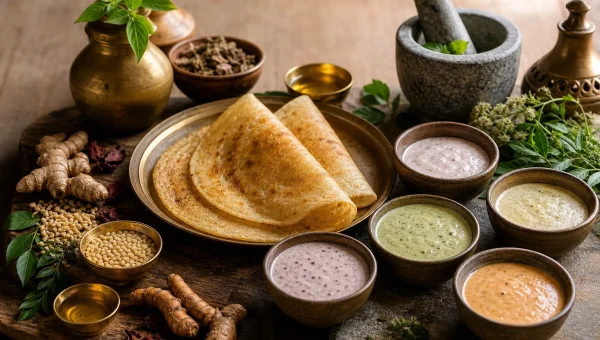
It was my mother who quietly redirected me. One morning, without saying a word about my midnight raids, she placed a small bowl of warm kheer in front of me, made with rice, milk, saffron, and crushed almonds. “Eat this,” she said. “Your Baba would want you to eat something that actually nourishes you.”
That bowl of kheer was the first thing I ate in weeks that felt like care rather than distraction. Ayurveda would read that season as a time when agni, vata, and ojas all need gentleness: the digestive fire may become irregular, the nervous system may feel unsteady, and the deeper reserves of vitality may feel thin. What helped was not a rigid diet, but warm, fresh, soft, mildly sweet food prepared with attention.
This article is for anyone going through loss, heartbreak, or deep emotional pain. It is not about dietary rules. It is about feeding yourself with kindness during the hardest season of your life.
What Happens to Digestion During Grief
Ayurveda recognizes that the mind and digestion do not function separately. Charaka Samhita, Vimana Sthana 2/9, teaches that even wholesome food in the right quantity may not digest properly when the mind is disturbed by grief, fear, anger, anxiety, or restlessness. This is why grief can make appetite disappear, become erratic, or turn into sudden cravings for foods that feel grounding for only a few minutes.
- Vata becomes harder to steady: Grief often brings irregular sleep, restlessness, dryness, anxiety, and a scattered feeling. These resemble vata qualities, so Ayurveda favors warmth, routine, softness, and unctuousness at such times.
- Agni needs smaller, simpler meals: When digestion is weak, food quantity and heaviness must be adjusted. Thin porridges, soft rice, well-cooked dal, and warm drinks are often kinder than large, fried, cold, or complicated meals.
- Ojas needs protection: Ojas is described as the essence of the dhatus and is associated with strength, vitality, steadiness, and resilience. Ayurveda gives special importance to protecting ojas and avoiding causes of mental suffering when the heart feels burdened.
The pull toward sugary, heavy, cold, or processed comfort food is understandable. Sweetness and heaviness can temporarily feel grounding. The Ayurvedic correction is not shame; it is to choose a fresher, warmer, more digestible version of comfort so the body receives nourishment instead of more heaviness.
The Sattvic Alternative: Foods That Genuinely Comfort
Sattvic food is traditionally described as food that supports life, strength, health, satisfaction, and steadiness. In practice, during grief, this means warm, freshly prepared, pleasing, soft, mildly sweet, and easy-to-digest food. The goal is not to eat perfectly; the goal is to make the next meal a small act of care.
| Quality Needed | Ayurvedic Principle | Food Examples | Go Easy On |
|---|---|---|---|
| Warmth | Ushna quality helps steady vata | Warm soups, dal, porridges, stews, warm milk | Iced drinks, cold cereal, food straight from the fridge |
| Mild sweetness | Madhura rasa is traditionally vata-pacifying and nourishing | Rice, milk, dates, ghee, sweet root vegetables, kheer | Refined sugar as the main source of comfort |
| Lightness when appetite is low | Food should match agni | Rice kanji, thin moong dal, soft rice, clear vegetable soups | Large meals, fried foods, heavy breads, excessive cheese |
| Unctuousness | Snigdha quality counters dryness and depletion | Ghee, warm milk, soaked peeled almonds, soft cooked foods | Very dry snacks such as chips, crackers, and popcorn |
| Freshness | Sattvic food is fresh, pleasing, and clean | Made-that-day meals, freshly cooked grains and dal | Stale leftovers, old reheated food, packaged meals |
Recipes for the Grieving Heart
These recipes are simple on purpose. They are warm, soft, familiar, and forgiving. Make them in small quantities, eat slowly, and let the meal be enough even if you can only manage a few spoonfuls.
1. Saffron Milk (Kesar Doodh): The Simplest Comfort
Saffron milk is useful when you need something warm and gentle but do not have the energy for a full meal. Keep it light, fragrant, and not overly sweet.
Ingredients:
- Whole milk, or almond milk if milk does not suit you: 1 cup
- Saffron strands: 3-5
- Ghee: 1/2 teaspoon
- Mishri, jaggery, or date paste: 1 teaspoon, optional
- Cardamom powder: a small pinch
- Crushed soaked almonds: 1 teaspoon, optional
Method: Warm the milk gently without vigorous boiling. Add saffron and let it steep for 2-3 minutes. Stir in ghee, sweetener if using, and cardamom. Top with crushed almonds if your digestion feels strong enough.
In the Ayurvedic Pharmacopoeia of India, saffron is listed as Kunkuma or Kesara, the dried style and stigma of Crocus sativus. Its classical profile includes snigdha and ushna qualities, with actions including vatahara and rasayana. In a kitchen drink, use only a few strands; medicinal dosing or regular supplementation should be guided by a qualified practitioner.
2. Rice Kheer (Payasam): Warm, Sweet, and Ojas-Friendly
Kheer holds a sacred place in Indian kitchens. It is food for celebration, offering, and consolation. When made fresh and eaten warm in a small bowl, it gives the body sweetness, softness, moisture, and steadiness without needing to become heavy or excessive.
Ingredients:
- Basmati rice: 3 tablespoons
- Whole milk: 3 cups
- Ghee: 1 tablespoon
- Mishri or jaggery: 1-2 tablespoons, to taste
- Saffron strands: 5-6, soaked in 1 tablespoon warm milk
- Cardamom powder: 1/4 teaspoon
- Blanched almonds, slivered: 1 tablespoon
- Soaked raisins: 1 tablespoon, optional
Method:
- Wash the rice and soak for 30 minutes. Drain.
- Warm ghee in a heavy pot and lightly sauté the rice for 1 minute.
- Add milk and bring to a gentle boil, stirring frequently.
- Reduce to a low flame and cook uncovered for 40-50 minutes, stirring every few minutes, until the rice becomes very soft and the milk thickens.
- Add sweetener, saffron milk, cardamom, almonds, and raisins.
- Cook for 5 more minutes, then remove from heat.
Eat it warm, not straight from the refrigerator. If your appetite is weak, take a few spoonfuls rather than forcing a full bowl.
3. Moong Dal Soup with Ghee and Ginger
On days when you cannot face anything rich or sweet, a thin moong dal soup can become your anchor. Split yellow moong cooks soft, can be made very light, and fits the Ayurvedic principle of choosing simple, warm, digestible food when agni is low.
Ingredients:
- Yellow split moong dal, washed: 1/2 cup
- Water: 3 cups
- Turmeric: 1/4 teaspoon
- Ghee: 1 tablespoon
- Cumin seeds: 1/2 teaspoon
- Fresh ginger, grated: 1/2 inch
- Rock salt: to taste
- Fresh coriander: a few leaves
- Lemon juice: 1 teaspoon, optional
Method: Cook moong dal with water and turmeric until completely soft. In a small pan, warm ghee and add cumin seeds. When they crackle, add ginger for a few seconds and pour this tadka into the dal. Add salt, coriander, and a little lemon if it suits you. Eat by itself or with soft rice.
Ginger is traditionally described as hot, digestion-supporting, and useful in vata-kapha conditions. Keep the soup thin when appetite is low, and make it thicker only when hunger returns.
4. Sweet Potato and Almond Soup
This soup gives warmth, softness, and natural sweetness in a form that is easy to sip. It is especially useful when you want comfort but do not want dessert.
Ingredients:
- Sweet potato, peeled and cubed: 2 medium
- Soaked, peeled almonds blended smooth, or almond butter: 2 tablespoons
- Ghee: 1 tablespoon
- Cinnamon stick: 1
- Cardamom powder: 1/4 teaspoon
- Freshly grated nutmeg: a very small pinch, optional
- Water: 2 cups
- Salt: to taste
Method: Sauté the sweet potato cubes in ghee with the cinnamon stick for 2 minutes. Add water and simmer until very soft. Remove the cinnamon stick. Blend with almond paste or almond butter until smooth. Add cardamom, a tiny pinch of nutmeg if using, and salt. Serve warm.
Almonds are described in classical Ayurvedic dietetics as sweet, unctuous, strengthening, and nourishing, while also being heavy. Soaking, peeling, blending, and using a modest quantity keeps this soup gentler.
5. Warm Date Milk with Optional Ashwagandha
This is a soft, sweet drink for evenings when hunger is present but chewing feels like too much effort. The ashwagandha is optional and should be used only when it is suitable for you.
Ingredients:
- Soft dates, pitted: 2-3
- Warm milk: 1 cup
- Ghee: 1/2 teaspoon
- Cinnamon powder: 1/4 teaspoon
- Ashwagandha powder: 1/4-1/2 teaspoon, optional and only with guidance
Method: Soak the dates in warm milk for 10 minutes. Blend with ghee and cinnamon until smooth. If a practitioner has advised ashwagandha for you, add it before blending. Drink warm, never iced.
Ashwagandha root is listed in the Ayurvedic Pharmacopoeia of India as Withania somnifera, with rasayana and balya actions. It is not suitable for everyone, especially during pregnancy, breastfeeding, liver concerns, thyroid conditions, autoimmune conditions, sedative use, or when taking medications unless a clinician approves it. Plain warm date milk is enough when herbs are not appropriate.
What to Eat When You Cannot Eat at All
Sometimes grief steals appetite completely. On those days, do not force a full plate. Choose small warm sips, then repeat later if the body accepts them.
- Rice kanji: Cook 2 tablespoons of rice in 4 cups of water until it becomes a thin, starchy porridge. Add a pinch of salt and 1/2 teaspoon ghee. Sip warm through the day.
- Thin moong water: Cook moong dal with extra water and strain or mash it thin. Add a little ghee and salt. This gives warmth and steadiness without demanding much from digestion.
- Ginger infusion: Steep a few slices of fresh ginger in hot water. Let it become comfortably warm before sipping. Add honey only after the water is no longer hot, and skip honey if it does not suit you.
- Warm milk with cardamom: If milk suits your digestion, take a small cup warm with cardamom before rest. If milk feels heavy, choose rice kanji instead.
Foods and Habits That May Deepen Heaviness
This is not a list of punishments. It is a gentle guide to notice which choices leave you more dull, bloated, restless, or sleepless, and which ones help you feel held.
| Food or Habit | Ayurvedic Concern | Gentler Alternative |
|---|---|---|
| Alcohol as comfort | It dulls awareness and is not a nourishing substitute for food, rest, or support. | Warm saffron milk, rice kanji, or a simple cooked meal |
| Excess caffeine | If it increases jitteriness, anxiety, or sleeplessness, it can make vata harder to steady. | Warm ginger infusion or warm water |
| Cold and raw foods | Coldness can be difficult when agni is low and vata feels high. | Warm soups, cooked vegetables, soft rice, dal |
| Refined sweets as the main meal | Sweetness may feel soothing, but nourishment is better when sweetness comes with warmth, moisture, and freshness. | Dates, warm kheer, sweet potato soup, date milk |
| Stale leftovers | Stale, tasteless, leftover, or impure food is classified as tamasic in the Bhagavad Gita. | Freshly cooked small portions |
| Skipping food all day | Too little nourishment can weaken strength and make appetite more irregular. | Small warm sips of kanji, thin dal, or milk if suitable |
Beyond Food: Complementary Practices
Food is one part of healing. Ayurveda also pays attention to touch, rhythm, calmness, and the state of mind during eating. These practices are simple enough for a difficult day.
- Warm oil self-massage: Apply warm sesame oil or a suitable oil to the feet, hands, scalp, or body before bathing. In Ayurveda, oleation is an important vata-soothing principle. Even a few minutes can feel grounding.
- Eat without rushing: Sit down, turn off screens, and take a few breaths before the first bite. Classical dietary guidance advises eating with a steady and pleasant mind, with attention on the meal.
- Let cooking be small: Do not demand elaborate meals from yourself. Washing rice, stirring dal, warming milk, or adding ghee to kanji can be enough. When you are ready, returning to the kitchen can become a gentle way of returning to yourself. For broader emotional eating patterns, see Ayurvedic Approaches to Emotional Eating.
A Final Word
If you are reading this because you are in the middle of grief, there is no perfect diet that will make the pain disappear. What food can do is keep the body from becoming more depleted while the heart does its difficult work.
Choose warmth. Choose softness. Choose freshness. Let someone make you a bowl of kheer, or make one for yourself. And if midnight finds you standing in front of the refrigerator again, pause for a moment and ask what would truly feel like care. Sometimes the answer is not more willpower. Sometimes it is a small cup of warm milk, a bowl of kanji, or one spoonful of fresh kheer.
Nothing in this article diagnoses or treats a medical condition. Consult a qualified Ayurvedic practitioner or healthcare provider before starting herbs, supplements, detoxes, or therapeutic protocols, especially if pregnant, breastfeeding, managing a medical condition, or taking medication.
References
- Charaka Samhita — Ahara vidhi
- Charaka Samhita — Trividhakukshiya Vimana
- Charaka Samhita — Ojas
- Charaka Samhita — Arthedashmahamooliya Adhyaya
- Charaka Samhita — Dosha
- Charaka Samhita — Annapanavidhi Adhyaya
- Gitasupersite (gitasupersite.iitk.ac.in)
- Holy-bhagavad-gita (holy-bhagavad-gita.org)
- Ayurvedic Pharmacopoeia of India
- Ayurvedic Pharmacopoeia of India
- NCCIH
- Charaka Samhita — Vatavyadhi Chikitsa
- Psychiatry (psychiatry.org)
- NHS
the article would be stronger with a clear ‘when to see a doctor’ section. some of these conditions need medical clearance.
That is a good suggestion — sattvic recipes are wonderful but grief that is very heavy or prolonged can sometimes need more than food. A note about when to reach out to a counsellor alongside these remedies would make the article more complete.
Agreed, a month is a fair window. I think with grief especially, the effects are subtle at first — less the food itself and more the ritual of preparing something warm and intentional each day.
@David Yes but results vary a lot from person to person
Thanks for sharing that, useful to know
@David i had the same question
can someone with a strong Pitta constitution follow this or are modifications needed
The part about standing at the refrigerator at midnight hit close to home. After my mother passed I found myself doing exactly that. The idea of cooking as a healing ritual rather than just eating for comfort is something I had not considered before reading this.
Fair point honestly. For something like moong dal khichdi the amounts are intuitive, but for the spiced milk recipes here I was also unsure how much ashwagandha or shatavari to stir in. A rough range in teaspoons would really help.
@Mahesh @reply worth trying for a month at least before giving up
Good point, the article doesn’t address that
shared this with my Ayurveda practitioner and she confirmed the approach is sound.
my practitioner said something similar
how long before results become noticeable with this protocol? my patience has limits tbh
The description of emotional eating after loss really resonated with me. I lost my brother last year and the midnight kitchen visits were very real. Did these sattvic recipes help settle the anxious feeling in the stomach as well, or mostly the emotional side?
The saffron milk recipe looks simple enough to try tonight, I appreciate the detail about steeping the strands.
the sattvic grief nourishment idea is sweet but grief is complex. food can support healing but let’s not oversimplify.
same experience here actually
not disputing Ayurveda has value but articles like this sometimes overstate efficacy.
My mother-in-law is 74 and going through a period of grief after losing her sister. Would the heavier preparations like the ashwagandha milk be suitable for her, or are the lighter khichdi options a safer starting point?
some of these recipes are quite time-consuming for weeknight cooking. a quick-prep version would be helpful.
The sattvic khichdi described here — I have been making a version of it for years but never thought of it consciously as comfort food. Reading this framed it differently for me. There is something to the idea that the act of cooking slowly is itself soothing.
comfort food for grief is a sensitive topic. glad it didnt shame emotional eating
what’s the source text for this recommendation Charaka Samhita or Ashtanga Hridayam
is there a simplified version for beginners who don’t have access to all these herbs
My mother used to make warm kheer when I was upset, it’s interesting to see how Ayurveda explains why it helped.
the mung dal khichdi for all three doshas with the tarka variations is exactly what I was looking for. made the Vata version yesterday.
is this appropriate for elderly patients above 70 or should the dosages be reduced 🌿
the dal recipe for Pitta uses less asafoetida but I react badly to even small amounts. substitute?
The midnight refrigerator scene the author describes is something so many people will recognise. I wonder if the article could also address daytime emotional eating, not just the late-night kind — that was my own pattern after a loss नमस्ते
khichdi and warm foods make sense, but sometimes grief also needs friends not recipes only
yes but results vary a lot from person to person
I wonder if substituting jaggery for maple syrup would still count as sattvic?
finally an article that explains the classical text basis rather than just listing herbs.
The explanation about vata aggravation and digestive fire makes sense when I think about my own appetite swings after a loss.
for the comfort food recipes, are these meant to replace regular meals or supplement them during grief episodes
Made the spiced moong soup from this article three times this week after a difficult period and it genuinely feels settling in a way that heavier food never did during hard times. The warmth of the cardamom and ghee is doing something. 🙏
Curious whether the sattvic recipes here shift at all through seasons — I imagine heavy monsoon humidity might affect which warming spices feel appropriate versus what works in dry winter months.
A warm bowl of moong dal soup seems like a gentle option for days when solid food feels too heavy.
tried a similar protocol 6 months back. results were modest at best and I was consistent.
@reply thanks for sharing that, useful to know
@Greg thanks for sharing that, useful to know
Do the recipes require any special equipment beyond a regular pot and spoon?
respectfully, most of these claims need larger RCTs before we can say they’re validated.
how long before results become noticeable with this protocol? my patience has limits tbh नमस्ते
great to see peer-reviewed studies referenced alongside classical texts. makes it easier to trust.
I tried the sweet potato and almond soup last week and found it surprisingly soothing without feeling heavy.
the dal recipe for Pitta uses less asafoetida but I react badly to even small amounts. substitute? धन्यवाद
very practical protocol. tried a modified version for a week and already feeling a difference. ✨
The suggestion to sip rice kanji throughout the day is a practical tip for when grief steals appetite completely.