
Dhanyamla Dhara: The Fermented Grain Wash Therapy for Inflammation and Kapha-Predominant Obesity
Dhanyamla dhara is a traditional Ayurvedic pouring therapy in which a warm, sour, fermented cereal liquid is streamed over the body or over affected limbs. Unlike oil-based therapies such as pizhichil, this treatment uses dhanyamla, a fermented preparation made from grains, pulses, dry ginger, lime, and deepyaka-type aromatic seed. It is especially selected when kapha, ama, meda, stiffness, swelling, heaviness, and vata-kapha obstruction are prominent.
The word “dhanyamla” joins dhanya, meaning grain or cereal, with amla, meaning sour. Dhanyamla is also discussed under related names such as kanjika and aranala in Ayurvedic literature. In practice, it may be used as a form of parisheka sweda or kayaseka, where warmth and repeated pouring help soften stiffness, support sweating, and mobilize obstructed doshas without adding the heaviness of oil.
Ayurvedic Rationale and Fermented Chemistry
Dhanyamla belongs to the Ayurvedic tradition of fermented preparations. Its sour, warm, light, and penetrating character makes it different from both plain herbal decoctions and unctuous oil therapies. When used externally as dhara, it is chosen for conditions where the physician wants warmth and stimulation but not the additional oiliness of sneha.
- Ruksha swedana effect: Dhanyamla dhara works as a relatively dry, light fomentation. This is useful when stiffness and swelling are associated with kapha, ama, or meda rather than simple dryness and depletion.
- Vata-kapha orientation: Classical and later Ayurvedic discussions describe dhanyamla as especially suited to vata and kapha involvement. This makes it appropriate for selected cases of amavata, heaviness, stiffness, and obstructive neuromuscular presentations.
- Fermented sour medium: Analytical samples of dhanyamla show an acidic profile, with reported pH values around 3.257 and 4.13 in different preparations. The sourness is part of its therapeutic identity and must be balanced with careful skin monitoring.
- Lactic fermentation: Fermentation of the cereal-pulse mixture produces acidity, and lactic acid is described as an important product of this process. This is one reason dhanyamla must be prepared hygienically and used fresh.
- Warm rhythmic pouring: The warm stream supports swedana, improves comfort in stiffness, and allows the liquid to act over a broad body surface or over a specific painful limb.
Classical Preparation of Dhanyamla
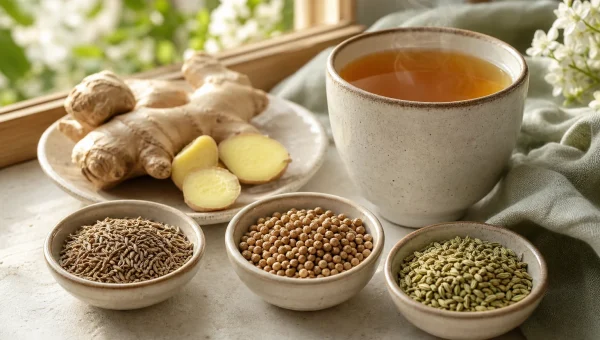
Classical dhanyamla is not a random sour grain wash. Sahasrayoga/Sahasrayogam-based formulations give a structured combination of rice, rice flakes, horse gram, puffed rice, little millet, kodo millet, dry ginger, lime, deepyaka, and water. The exact scale may be adjusted in clinical pharmacies, but the identity of the ingredients should remain faithful to the classical pattern.
Classical Ingredients
The following table presents the core classical ingredients in a clean clinical format. Quantities are shown as traditional measures where available, and modern preparation should be done only by trained personnel who understand Ayurvedic pharmacy, hygiene, and fermentation control.
| Ingredient | Sanskrit Name | Modern Identification | Classical Role |
|---|---|---|---|
| Rice | Tandula | Oryza sativa seed | Main cereal substrate for fermentation |
| Rice flakes | Pruthuka | Pressed Oryza sativa | Additional grain substrate and body to the preparation |
| Horse gram | Kulattha | Macrotyloma uniflorum | Lightening, kapha-meda oriented pulse component |
| Puffed rice | Laja | Puffed Oryza sativa | Light cereal component of the fermented medium |
| Little millet | Kangubeeja | Panicum sumatrense | Millet component supporting the dhanya base |
| Kodo millet | Kodrava | Paspalum scrobiculatum | Millet component traditionally used in the formula |
| Dry ginger | Nagara / Shunthi | Zingiber officinale rhizome | Warming, digestive, kapha-vata oriented support |
| Lime | Nimbuka | Citrus aurantifolia fruit | Sour agent and contributor to the amla character |
| Deepyaka seed | Deepyaka | Trachyspermum involucratum seed | Aromatic, warming, kapha-vata oriented ingredient |
| Water | Jala | Clean water | Fermentation medium |
Fermentation Method
Traditional preparation uses coarse powders or crushed ingredients placed in clean cloth bundles and fermented in boiled water. The method depends on season, climate, and pharmacy practice, but the classical pattern is a seven-day process with the liquid collected on the eighth day.
- Clean and coarsely crush the grains, pulses, dry ginger, and deepyaka. The ingredients should not be ground into a fine paste.
- Place the ingredients in clean cotton cloth bundles and secure them properly.
- Put the bundles into a clean vessel containing boiled and cooled water. The vessel is covered loosely to allow fermentation while protecting the contents from contamination.
- Maintain a warm environment suitable for fermentation. Some pharmacy methods gently heat the preparation daily for a fixed period before allowing it to rest.
- After seven days of fermentation, the sour liquid is collected on the eighth day, strained, inspected, and used only if it has the expected clean sour character.
- Any liquid that smells putrid, shows visible contamination, or causes abnormal skin irritation should be discarded.
The Dhanyamla Dhara Procedure
Dhanyamla dhara is performed on a treatment table with drainage, usually by trained therapists under the direction of an Ayurvedic physician. It may be applied to the full body or locally over joints, limbs, the back, or other selected areas. The liquid must be warm and comfortable, never hot enough to burn and never so cold that it defeats the purpose of swedana.
Step-by-Step Protocol
The practical protocol varies by condition, strength of the patient, season, and the physician’s intention. The following sequence reflects a safe clinical outline rather than a home-use instruction.
- Assessment: The physician assesses prakriti, vikriti, strength, digestion, skin condition, disease stage, blood pressure, temperature tolerance, and contraindications.
- Preparation of liquid: The dhanyamla is strained through clean cloth and warmed to a tolerable therapeutic temperature. The temperature is checked repeatedly before and during application.
- Positioning: The patient lies comfortably on the treatment table. The head and eyes are protected when the therapy is not intended for the head region.
- Pouring: The warm dhanyamla is poured in a rhythmic stream over the selected area. The stream is kept steady, gentle, and close enough to the body to avoid splashing or discomfort.
- Recycling and warming: The liquid may be collected, filtered, rewarmed, and reused during the same session when hygienically appropriate. Temperature and skin response are monitored throughout.
- Completion: After the session, the patient rests briefly, then bathes or is cleaned according to the physician’s instructions. A suitable oil, powder, or external application may be used afterward if indicated.
Treatment Course
A course of dhanyamla dhara is commonly planned over consecutive days. Ayurvedic standard treatment guidance includes dhanyamla dhara for seven days in inpatient management of amavata, while other durations may be selected according to the condition, strength of the patient, and the broader treatment plan. It is not a one-size-fits-all therapy and should not be used as a casual daily spa procedure.
Clinical Applications of Dhanyamla Dhara
Dhanyamla dhara is best understood as a targeted Ayurvedic therapy for selected vata-kapha, ama, stiffness, swelling, and meda-kapha presentations. Its role is strongest when the physician wants warmth, stimulation, and lightness rather than oiliness and tissue building.
1. Amavata and Inflammatory Joint Conditions
Amavata is classically associated with ama and vata, with kapha often contributing to swelling, heaviness, stiffness, and obstruction in the joints. Dhanyamla dhara is useful in this setting because it functions as a warm, relatively dry fomentation. Ayurvedic standard treatment guidance for amavata includes swedana with dhanyamla dhara for seven days as part of inpatient panchakarma care.
In such cases, dhanyamla dhara is generally not used alone. It may be combined with other physician-selected measures such as ruksha pinda sweda, nadi sweda, agni lepa, digestives, guggulu preparations, kashaya, and strict pathya-apathya guidance. The exact internal medicines and external therapies must be chosen according to the patient’s digestion, bowel pattern, inflammation, strength, and disease stage.
2. Obesity with Kapha-Meda Predominance
In sthaulya or kapha-meda dominant obesity, the key Ayurvedic features often include heaviness, sluggishness, excessive meda accumulation, reduced enthusiasm for movement, and impaired metabolic processing. Dhanyamla dhara fits this pattern as an external reducing and kapha-vata oriented swedana when selected by a physician.
For obesity, dhanyamla dhara should be viewed as an adjunct, not a stand-alone weight-loss method. It is most appropriate when combined with udvartana, regulated diet, daily movement, digestive correction, sleep discipline, and internal medicines such as Triphala-based, Medohara, or Guggulu preparations when indicated. Diet restriction, physical exercise, and lifestyle correction remain central to sthaulya management.
3. Vata-Kapha Neuromuscular Presentations
Dhanyamla dhara may be selected in neuromuscular conditions when kapha, ama, stiffness, heaviness, and painful obstruction are present. Ayurvedic standard treatment guidance includes dhanyamla dhara in saama or kapha-associated stages of pakshaghata, especially where painful limbs and obstruction are considered part of the presentation.
Local dhanyamla parisheka has also been used in limb-focused protocols for diabetic peripheral neuropathy, where symptoms such as burning, numbness, tingling, and altered sensation may be present. Such use must be supervised carefully, especially in patients with diabetes, because reduced sensation increases the risk of unnoticed burns or skin injury.
4. Myalgia, Stiffness, and Chronic Musculoskeletal Pain
When chronic pain presents with stiffness, heaviness, coldness, swelling, or ama-kapha features, dhanyamla dhara may be chosen over oil-heavy therapies. The warm sour stream can be applied locally or over the body to support swedana and reduce the sense of congestion in the tissues.
When pain is associated with marked dryness, emaciation, exhaustion, severe vata depletion, or burning pitta symptoms, oil-based or gentler approaches may be more appropriate. The physician must distinguish between obstructed vata and depleted vata before selecting dhanyamla.
Dhanyamla Dhara Compared with Oil-Based Dhara Therapies
The clinical value of dhanyamla dhara becomes clearer when it is compared with oil and decoction-based pouring therapies. The medium itself changes the effect: fermented sour liquid is not the same as warm oil, and neither should be prescribed simply because both are poured over the body.
| Parameter | Dhanyamla Dhara | Pizhichil / Oil Dhara | Kashaya Dhara |
|---|---|---|---|
| Medium | Warm fermented sour cereal liquid | Warm medicated oil | Warm herbal decoction |
| Dominant quality | Light, sour, warming, relatively dry | Unctuous, heavy, nourishing, softening | Depends on the herbs; often cleansing or pitta-kapha oriented |
| Main Ayurvedic role | Ruksha swedana, kapha-vata and ama-oriented support | Snehana with swedana, vata-pacifying and nourishing support | Herb-specific external cleansing, cooling, or reducing action |
| Best suited for | Amavata, stiffness, heaviness, kapha-meda accumulation, saama conditions | Dryness, depletion, vata disorders without heavy ama-kapha dominance | Conditions where the selected decoction matches the dosha and tissue state |
| Use caution in | Emaciation, severe dryness, burning pitta states, wounds, sensitive skin | Obesity with ama, kapha heaviness, acute congestion, poor digestion | Excess dryness or irritation when strong decoctions are used |
This distinction is clinically important. A heavy oil procedure may aggravate a patient whose main problem is ama, kapha, meda, heaviness, and sluggishness. Conversely, dhanyamla dhara may be too reducing for a patient who is thin, dry, weak, or depleted.
Condition-Based Modifications
The base dhanyamla preparation and the way it is applied can be adjusted according to the clinical goal. These modifications should be made by the physician, not improvised at home.
- For amavata: Dhanyamla dhara may be combined with other ruksha and swedana measures, including ruksha pinda sweda, nadi sweda, agni lepa, and suitable internal medicines.
- For kapha-meda obesity: It is often paired with udvartana, dietary restriction, structured exercise, sleep correction, and internal medohara or guggulu-based medicines when appropriate.
- For painful limbs in saama or kapha-associated neuromuscular states: The therapy may be applied locally rather than to the whole body, with special attention to temperature and skin sensation.
- For sensitive or pitta-prone patients: The physician may shorten the session, reduce temperature, choose another therapy, or avoid dhanyamla altogether if burning, redness, or irritation is likely.
Contraindications and Precautions
Dhanyamla dhara is a specialized therapy and is not suitable for every patient. Its warmth, sourness, and reducing quality must be respected, particularly in weak, sensitive, pregnant, or medically unstable individuals.
- Pregnancy, unless a qualified physician specifically determines that a modified treatment is safe and necessary
- Active fever, acute systemic illness, or severe exhaustion
- Open wounds, surgical wounds, active skin infection, or raw irritated skin
- Severe debility, emaciation, dehydration, fainting tendency, or very low strength
- Marked pitta or rakta aggravation with burning, bleeding tendency, inflamed skin, or strong heat symptoms
- Unstable cardiac, respiratory, neurological, or metabolic illness without medical clearance
- Known hypersensitivity to any ingredient in the preparation
During treatment, the temperature must be tested repeatedly, hydration should be maintained, and the session should be stopped if the patient develops burning, dizziness, palpitations, breathlessness, nausea, unusual fatigue, or skin irritation. Because dhanyamla is fermented and not inherently sterile, clean vessels, clean cloth, correct storage, and careful inspection are essential.
How Dhanyamla Dhara Fits into a Complete Plan
Dhanyamla dhara works best as one part of a broader Ayurvedic plan. The therapy may help address external stiffness and heaviness, but the deeper correction of ama, kapha, meda, digestion, diet, sleep, and movement depends on the entire protocol.
- Before therapy: The physician evaluates digestion, bowel habits, strength, dosha involvement, skin condition, and suitability for swedana.
- During therapy: Dhanyamla dhara may be combined with udvartana, ruksha pinda sweda, nadi sweda, local applications, or internal medicines depending on the condition.
- Diet and lifestyle: Kapha-meda conditions require disciplined food quantity, light and digestible meals, regular movement, and avoidance of day sleep and heavy late meals when inappropriate.
- Follow-up: The response is judged by changes in stiffness, heaviness, swelling, digestion, sleep, energy, and functional movement, not merely by sweating during the session.
Fermentation, Quality, and Hygiene
The therapeutic strength of dhanyamla depends on controlled fermentation and clean handling. Properly prepared dhanyamla has a sour character, an acidic profile, and a liquid consistency suitable for pouring. It should not be used if it becomes foul, contaminated, excessively old, or irritating to the skin.
Pharmacy-level preparation is preferable because the ingredients, water quality, vessel hygiene, heating, fermentation period, filtration, and storage all affect safety. This is especially important for patients with diabetes, fragile skin, reduced sensation, wounds, immune compromise, or chronic illness.
Medical Disclaimer: This article is for educational purposes only and does not constitute medical advice. Dhanyamla dhara is a specialized Ayurvedic therapy that should be administered by trained therapists under the supervision of a qualified Ayurvedic physician. Do not prepare or self-administer this therapy without professional guidance. Always consult a qualified Ayurvedic practitioner and your healthcare provider before beginning any new treatment, especially if you are pregnant, have chronic illness, have diabetes, have skin disease, or take regular medications.
Interesting. 💯
dhanyamla Dhara for post-COVID inflammation and joint stiffness did a 7-day course at a Kerala clinic and the relief in lower limb heaviness was real.
the article mentions this is particularly good for Kapha-Vata type obesity. what about Pitta-Kapha combination? tbh धन्यवाद
Good question on the dosha combinations. For Pitta-Kapha obesity, I’m wondering whether the fermentation medium changes at all — since Dhanyamla itself is heating and sour, adding more Pitta could potentially aggravate. Does the practitioner usually modify the herbal additions to offset that?
how does Dhanyamla Dhara compare to Kizhi (Podi Kizhi) for musculoskeletal inflammation? when would you choose one over the other?
the obesity treatment claims for Dhanyamla Dhara need more clinical data. a warm fermented grain pour is pleasant but the metabolic effect on adipose tissue needs evidence.
for my obesity management protocol, the Dhanyamla Dhara reduced the visceral heaviness feeling significantly within the 2-week treatment.
Same here.
is the Dhanyamla preparation standardized or does it vary by clinic? I want to understand if the batch I receive at different clinics is comparable. धन्यवाद
Noted.
is the Dhanyamla preparation standardized or does it vary by clinic? I eant to understand if the batch I receive at different clinics is comparable.
@Nicole the article mentions this is particularly good for Kapha-Vata type obesity. what about Pitta-Kapha combination? धन्यवाद
can Dhanyamla Dhara be done at home with purchased Dhanyamla concentrate or does the preparation quality matter that much?
Has anyone done Dhanyamla Dhara for inflammatory joint pain rather than weight loss? The article mentions it works well for musculoskeletal conditions and I have chronic lower back inflammation — would love to know if people saw results within a single course or needed multiple sessions.
the fermented grain wash pH and its effect on skin inflammation makes biochemical sense. lactic acid fermentation products are anti-inflammatory.
is the Dhanyamla preparation standardized or does it vary by clinic? I want to umderstand if the batch I receive at different clinics is comparable. 🌿
The explanation of how fermentation creates lactic acid and improves skin permeability makes the therapy feel scientifically grounded.
Useful info.
the obesity treatment claims for Dhanyamla Dhara need more clinical data. s warm fermented grain pour is pleasant but the metabolic effect on adipose tissue needs evidence.
the article mentions rhis is particularly good for Kapha-Vata type obesity. what about Pitta-Kapha combination? ❤️
Doing this.
I wonder if the warm temperature alone accounts for the sudation effect or if the acidity plays a bigger role.
@Amy for my obesity management protocol, the Dhanyamla Dhara reduced the visceral heaviness feeling significantly within the 2-week treatment.
for my obesity managrment protocol, the Dhanyamla Dhara reduced the visceral heaviness feeling significantly within the 2-week treatment. tbh
@Christopher will try!
It seems practical to prepare a fresh batch every few days to keep the pH in the therapeutic range.
The fermentation process described here is what sets Dhanyamla Dhara apart from the oil-based therapies. I’m curious how the sourness of the liquid interacts with Pitta constitutions — the article notes it’s primarily for Kapha and Vata, but my practitioner suggested it for my Pitta-dominant inflammation. Anyone else been through this with a Pitta constitution?
@Ryan is the Dhanyamla preparation standardized or does it vary by clinic? I want to understand if the batch I receive at different clinics is comparable.
Has anyone tried adding Triphala decoction for obesity and noticed a difference in water retention?
is the Dhanyamla preparation standardized or does it vary by clinic? U want to understand if the batch I receive at different clinics is comparable. tbh
the obesity treatment claims for Dhanyamla Dhara need more clunical data. a warm fermented grain pour is pleasant but the metabolic effect on adipose tissue needs evidence.
The comparison table clarified why dhanyamla is better suited for kapha dominance than pizhichil.
the article mentions this is particularly good for Kapha-Vata type obesity. what abput Pitta-Kapha combination?
@Susan the obesity treatment claims for Dhanyamla Dhara need more clinical data. a warm fermented grain pour is pleasant but the metabolic effect on adipose tissue needs evidence.
Interesting.
I appreciate the caution about open wounds; the acidic medium could sting.
Using a wooden ladle to stir daily sounds like a simple but important step in the fermentation process.