
Ayurvedic bridal skincare is best approached as a gradual preparation of digestion, daily rhythm, tissue nourishment, and gentle topical care. The goal is not to force a last-minute transformation or overload the face with strong actives, but to help the skin become calmer, softer, clearer, and more naturally luminous before the wedding day.
This 12-week protocol keeps the work simple: first clarify and reduce reactivity, then nourish and stabilize, then protect the glow you have built. Start earlier than three months if your skin is highly sensitive, acne-prone, or recovering from irritation.
Why Begin 3 Months Before the Wedding?
Ayurveda describes the body’s tissues as being nourished in an ordered sequence, beginning with Rasa Dhatu and continuing through Rakta, Mamsa, Meda, Asthi, Majja, and Shukra. Skin quality is therefore approached through digestion, circulation, tissue nourishment, sleep, stress steadiness, and appropriate external care rather than topical application alone.
A three-month runway gives enough time to notice how the skin responds, remove irritating products, support regular elimination, and introduce oils or herbal packs without rushing. The final weeks before a wedding are not the right time to experiment aggressively; they are the time to maintain what is already working.
The 3-Month Framework at a Glance
The protocol moves in three phases: gentle clarification in Month 1, nourishment and barrier support in Month 2, and glow maintenance with minimal irritation risk in Month 3.
| Month | Focus | Key Practices | Primary Herbs |
|---|---|---|---|
| Month 1 | Clarify and calm | Simple food rhythm, Triphala if suitable, weekly gentle Ubtan, light face massage | Triphala, Haridra, Nimba if needed |
| Month 2 | Nourish and balance | Shatavari if suitable, Kumkumadi or gentle facial oil, rose hydrosol, mild steam only if tolerated | Shatavari, Lodhra, Manjistha, Rose |
| Month 3 | Illuminate and protect | Saffron-Manjistha pack, steady sleep, reduced experimentation, optional practitioner-guided Ashwagandha | Saffron, Manjistha, Lodhra, Ashwagandha if suitable |
Month 1: The Clarify Phase
Month 1 is for creating a calm foundation. Keep meals warm, regular, and easy to digest; reduce late-night eating; and avoid adding too many new skincare products at once. In Ayurvedic language, this phase supports Agni and helps reduce the tendency toward Ama, the poorly processed residue associated with heaviness, dullness, and sluggishness.
Internal: Triphala at Night if It Suits You
Triphala is the classical three-fruit combination of Haritaki, Bibhitaki, and Amalaki. It is traditionally used as a digestive tonic, mild bowel-regulating formula, and Rasayana. For bridal skin preparation, its role is not to “detox” harshly, but to support regular digestion and elimination so the skin is not being burdened by irregular routine and sluggish metabolism.
For a healthy adult who already tolerates Triphala, take 1/2 teaspoon Triphala churna in warm water at night, about 45-60 minutes after dinner or before bed. If stools become loose, reduce the amount or stop. If you are pregnant, trying to conceive, nursing, taking medication, or have a digestive disorder, use it only with practitioner guidance.
External: Gentle Bridal Ubtan Once Weekly
Ubtan is a paste-based cleansing and polishing practice used in South Asian bridal preparation. Keep it gentle: the face should feel clean and soft afterward, not tight, hot, or scratched. Turmeric is classically recognized in Ayurveda for skin-related use, but too much turmeric can stain and irritate, so use a small amount.
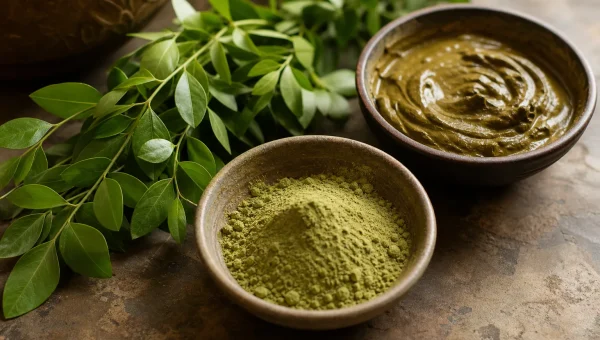
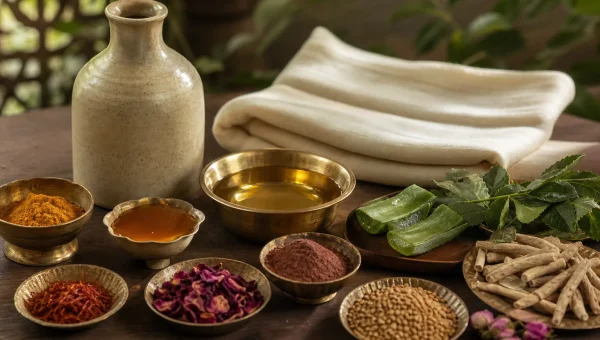
Weekly Bridal Ubtan Recipe
- 2 tablespoons chickpea flour (besan) as the paste base
- 1/4 teaspoon turmeric powder (Haridra)
- 1 teaspoon sandalwood powder or finely powdered oats for sensitive skin
- 1 teaspoon raw milk, plain yogurt, aloe gel, or rose water to moisten
- 1/2 teaspoon rose water to adjust texture
- 1 drop neem oil only for oily, non-sensitive, acne-prone skin
Mix into a smooth paste. Apply to the face and neck with light upward strokes. Leave for 7-10 minutes, but do not let it harden and crack. Dampen the fingertips, remove with very gentle circular movements, rinse with lukewarm water, and apply a simple moisturizer or a few drops of facial oil while the skin is still slightly damp.
Use once weekly in Month 1. Do not scrub active acne, eczema, rosacea, sunburn, or peeling skin. If any burning or redness lasts beyond a few minutes, discontinue the preparation.
Month 2: The Nourish Phase
Month 2 adds softness, steadiness, and barrier support. This is the right time to introduce a nourishing internal herb or a classical facial oil if the skin is no longer reactive. Add only one new practice at a time so you can see what helps and what does not.
Internal: Shatavari for Dry, Vata-Pitta Type Skin
Shatavari (Asparagus racemosus) is traditionally used as a cooling, nourishing, female reproductive tonic and Rasayana. In a bridal protocol, it is most appropriate for dry, depleted, heat-sensitive, or cycle-sensitive skin patterns, especially when the person is constitutionally suited to milk-based nourishment.
Take 1/2 teaspoon Shatavari powder in warm milk in the morning, or use a practitioner-recommended form. If you avoid dairy, use warm almond milk or another suitable alternative. Do not add honey to very hot liquid. Skip Shatavari if it causes heaviness, congestion, nausea, or digestive discomfort, and consult a practitioner if you are pregnant, nursing, using hormone-related medication, or managing a hormone-sensitive condition.
The Kumkumadi Facial Oil Ritual
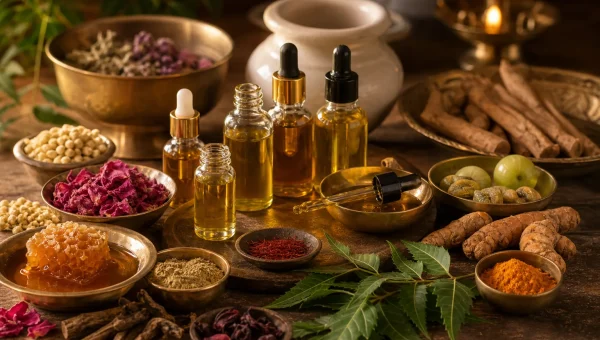
Kumkumadi Taila is a saffron-led Ayurvedic facial oil associated with Varnya, the classical idea of supporting complexion and radiance. Formulas vary by manufacturer, so choose a reputable product with a clear ingredient list, an appropriate oil base, and no synthetic fragrance added for cosmetic appeal.
Nightly Kumkumadi ritual
- Cleanse with a gentle cleanser or lukewarm water.
- Mist with rose hydrosol or dampen the face lightly.
- Warm 2-3 drops of Kumkumadi oil between the palms.
- Press into the skin from the center of the face outward.
- Massage gently for 2-3 minutes, using upward circles and very light pressure around the eyes.
- Leave on overnight if comfortable, or rinse after 30-60 minutes if your skin is oily or acne-prone.
Begin with three nights per week. Increase only if there is no congestion, itching, redness, or heaviness. Oily and acne-prone skin may do better with fewer drops, less frequent use, or a lighter non-comedogenic moisturizer instead.
Herbal Steam Once Weekly Only if Tolerated
Steam can soften the skin and prepare it for oil massage, but it is not suitable for every bride. Avoid facial steaming if you have rosacea, broken capillaries, active inflammatory acne, eczema, sunburn, or a damaged barrier.
For tolerant skin, bring 1 liter of water near a simmer, turn off the heat, and add dried rose petals with a few crushed cardamom pods. For oily, Kapha-type congestion, a small amount of dried neem leaf may be added. Keep the face comfortably away from the vessel, steam for 3-5 minutes, pat dry, and follow with a few drops of facial oil or moisturizer. Stop immediately if the skin feels hot, itchy, or tight.
Month 3: The Illuminate Phase
Month 3 should refine and protect rather than provoke. Avoid chemical peels, strong exfoliants, new prescription-strength products, new facials, and unfamiliar herbs close to the wedding. Stay with a calm routine and use brightening packs sparingly.
The Saffron, Manjistha, and Lodhra Pack
Manjistha (Rubia cordifolia) is classically connected with Rakta, complexion support, swelling, skin disorders, and Vyanga, a traditional category associated with facial discoloration. Lodhra is astringent, cooling, and Kapha-Pitta balancing. Together with saffron and rose water, they make a final-month pack for uneven tone and dullness when the skin is strong enough for herbal powders.
Illuminating face pack recipe
- 1 teaspoon Manjistha powder from an authenticated source
- 1/2 teaspoon Lodhra powder
- 4-6 saffron strands soaked in 1 tablespoon warm milk or rose water for 30 minutes
- Enough rose water or aloe gel to make a smooth paste
Apply a thin layer for 8-12 minutes, then rinse with cool water. Use once weekly; robust, non-sensitive skin may use it twice weekly with at least three days between applications. Do not use this pack on freshly waxed, threaded, peeled, sunburned, or inflamed skin.
Manjistha and saffron can stain fabric, towels, and light clothing. Use an old towel and rinse the sink area immediately after use.
Stress Support in the Final Month
The final month often brings irregular sleep, rushed meals, and emotional strain, all of which can disturb Vata and Pitta and show up as dryness, redness, dullness, or breakouts. Keep the skin plan boring in the best way: regular dinner time, warm water, gentle cleansing, early sleep whenever possible, and no unnecessary experimentation.
Ashwagandha (Withania somnifera) is a classical Rasayana and Balya herb, but it is warming and not suitable for everyone. If it is already part of your practitioner-guided routine and suits you, keep it steady. Do not start a new extract for the first time in the last few weeks before the wedding.
For brides who are not suited to Ashwagandha, use non-herbal anchors: 10 minutes of slow breathing before bed, a warm foot massage with sesame or coconut oil as appropriate, screen reduction at night, and a consistent wake time.
The Daily Anchor: Rose Hydrosol
Throughout all three months, a pure rose hydrosol can be used as a simple water phase after cleansing. Choose steam-distilled rose hydrosol without synthetic perfume. Mist onto clean skin, wait briefly, and seal with moisturizer or a few drops of facial oil while the skin is still damp.
If even rose hydrosol stings, your barrier may be irritated. Return to plain water and a bland moisturizer until the skin is calm.
What to Expect Realistically
Ayurvedic bridal skincare works best when expectations are steady and practical. The aim is improved comfort, softness, clarity, and makeup-friendly skin, not instant removal of every mark or texture change.
- Weeks 1-2: Digestion and routine begin to settle. Skin should feel calmer, not aggressively “purged.” New irritation means the routine is too strong.
- Weeks 3-6: Texture may begin to feel smoother, and dullness may reduce as sleep, elimination, and topical tolerance improve.
- Weeks 7-9: Tone may look more even, especially if redness and congestion have settled. Older pigmentation usually needs more time and sun protection.
- Weeks 10-12: The goal is stable radiance: hydrated, calm skin that accepts makeup easily and does not react unpredictably.
Skin Types and Adjustments
Adjust the protocol according to Prakriti, current imbalance, season, and skin sensitivity. More is not better; the right amount is the amount your skin can receive without irritation.
Vata skin is dry, thin, flaky, and easily roughened. Use less powder exfoliation, add a few drops of sesame or almond oil to the Ubtan, keep steam rare and brief, and emphasize warm meals, sleep, and nourishing oil massage.
Pitta skin is sensitive, warm, red, rash-prone, or reactive. Use very little turmeric, avoid hot steam, favor rose, sandalwood, aloe, and coconut-based preparations, and do not leave herbal packs on until they dry hard.
Kapha skin is oily, congested, thick, or pore-prone. Keep Ubtan once weekly or twice weekly in Month 1 only if the skin is not irritated, use minimal facial oil, avoid heavy night application, and keep the diet lighter and earlier in the evening.
Disclaimer: This protocol is for general wellness and educational use. It is not a substitute for medical advice, diagnosis, or treatment. Consult a qualified Ayurvedic practitioner, dermatologist, or healthcare provider before starting if you have acne requiring treatment, eczema, psoriasis, rosacea, fungal acne, pregnancy, breastfeeding, thyroid disease, liver disease, autoimmune disease, hormone-sensitive conditions, or if you take prescription medicines. Patch-test every new oil, herb, hydrosol, and paste on the inner arm for 24 hours before applying to the face. Stop any preparation that causes burning, swelling, rash, persistent redness, or worsening breakouts.
References
- Concepts of Dhatu Siddhanta (theory of tissues formation and differentiation) and Rasayana; probable predecessor of stem cell therapy (2014), PubMed Central
- Therapeutic Uses of Triphala in Ayurvedic Medicine (2017), PubMed Central
- Webprod (webprod.hc-sc.gc.ca)
- Ayurvedic Pharmacopoeia of India
- Ayurvedic Pharmacopoeia of India
- Plant profile, phytochemistry and pharmacology of Asparagus racemosus (Shatavari): A review (2013), PubMed Central
- Miracledrinksclinic (miracledrinksclinic.com)
- Jaims (jaims.in)
- NIH Office of Dietary Supplements
- An investigation into the stress-relieving and pharmacological actions of an ashwagandha (Withania somnifera) extract: A randomized, double-blind, placebo-controlled study (2019), PubMed Central
This makes sense for Bridal Skincare. This would be easier to follow with a one-week sample plan.
Would love a follow-up article going deeper on the herb preparation methods
The month-by-month protocol is what this article does that most bridal skincare advice doesn’t. Month 1 for purification, month 2 for nourishment, month 3 for refinement is a logical sequence. What is the fail-safe if you are starting late, say 6 weeks before rather than 12 weeks?
Good article on this subject. #74
That line about wanting to look like yourself but better really stayed with me. I had a similar experience with reactive skin before my own wedding and ended up making it worse with last-minute interventions. A calm, barrier-first approach like this would have saved me a lot of stress.
The protocol assumes no active skin conditions. I have rosacea and the warming herbs in month 1 that work for most people would aggravate mine. Is there a modified version of the Ayurvedic bridal protocol for Pitta-type or reactive skin that cannot tolerate the initial purification herbs?
Tried this, results were good.
Good article on this subject. #112
what is the Ayurvedic view on the pre-wedding facial treatments that are popular now, the carbon peels, microneedling, etc? are these compatible with Ayurvedic skin preparation in the final month or would they undermine the barrier-building work that the third month of the protocol is focused on?
Does the manjistha + turmeric combination cause any initial purging phase where skin looks worse? ❤️
This makes sense for Bridal Skincare. I would like to know how long to try it before judging results.
Good article on this subject. #69 🌿
This makes sense for Bridal Skincare. Good starting point for a cautious reader.
Are there food interactions with constitution that I should be aware of? My Ayurvedic doctor mentioned something about dairy but wasn’t specific.
Went through exactly this process last year. The constitution made a difference by week 3 and by month 2 I was back to sleeping through the night.
Good article on this subject. #98
The line ‘it does not mask or override your skin, it works with your constitution’ is the most accurate description of what Ayurvedic skin treatment feels like from the inside. Commercial approaches feel like putting something on top of you. Ayurvedic preparation feels like coming back to your own skin.
My doctor dismissed this as pseudoscience. Going to try it anyway and report back
Doing this
I tried the weekly ubtan recipe and noticed my skin felt smoother after just two applications.
the protocol relies heavily on dietary discipline which, given that the pre-wedding period is full of social events and food obligations, is extremely hard to maintain. the advice to tell family and friends about the protocol in advance so they don’t pressure you to eat unsuitable foods at events is practical and something I wish had been included.
The section on dosage was the most practically useful for me
I appreciate how specific the instructions are compared to most Ayurveda articles 💯
My niece’s skin reacted badly to a chemical peel she got two weeks before her wedding. Wish she had read something like this first. The idea of spending three months rebuilding the barrier instead of trying quick fixes right before the day makes so much more sense.
Are there clinical studies backing the specific herb combination you mentioned?
started this 3 weeks ago, too early to say but the process itself feels right
The internal shatavari recommendation for brides is that safe near the wedding date?
This explains something I’ve experienced but couldn’t name. Good validation
Can this be combined with modern medication or is it better standalone?
How long typically before seeing results with this approach?
The 3-month timeline is realistic unlike some protocols that claim 2-week transformations
Useful post
The dosage range given is wide. Is there a way to determine where in the range I should start?
Not skeptical about Ayurveda generally but some claims here need stronger evidence
Where do you recommend sourcing the herbs mentioned here in India?
Is the morning or evening timing more important for this protocol overall?
Good article on this subject. #82
What’s the typical duration of the treatment before reassessing?
tbh wasnt expecting much from this but the specifics are actually helpful
Good article on this subject. #61
The Ayurvedic framing made this topic much easier to understand than the Western medical version
The connection between gut health and this condition is the angle most allopathic doctors miss 🙏
Is this suitable for elderly patients or does the dosage need adjustment?
Been following Ayurveda for 5 years and this article still taught me something new नमस्ते
Anyone else tried this for longer than 6 months? Wondering about long-term effects
Thanks for the clear explanation.
Good article on this subject. #105
The kesar (saffron) milk protocol is it the flavor or the actual compound that helps skin? ठीक है
Has anyone else found that taking triphala at night changes their morning digestion noticeably?
Thanks!
Does this apply to children or only adults?
The seasonal variation angle is underused in most health content. Good to see it here
Does this protocol change if someone is pregnant or breastfeeding?
Shared this with my Ayurveda practitioner. She agreed with most points
Helpful article, thank you.
The traditional context helps understand why it’s done this way. Not just ‘eat this herb’ ठीक है
The ubtan recipe you gave is it suitable for all skin types or does it need modification? 🌿
Same here
I wish I had this before my wedding 2 years ago. Following it now just for general skin health
The part about Bridal Skincare feels realistic. Would be useful to see a short checklist next.
I tried a similar approach last year but without the specific sequencing. Wonder if that’s why it didn’t work
The contraindications section was important and often missing from similar articles
Good information on this topic.
Did this for 6 weeks exactly as described, going to update here with results
Month 1 focus on internal cleanse before external treatment this sequencing makes sense
Will try
Good article on this subject. #76
good info, sharing with my father who has been looking for something like this
The anti-stress protocol alongside skin protocol is something most bridal skincare completely ignores
As a bride with oily acne-prone skin, the pitta-pacifying focus in month 2 seems most relevant for me
Interesting perspective here.
Will try this approach soon.
The kumkumadi oil ritual sounds lovely but I worry about the cost of authentic saffron based oil.
This helped clarify my doubts.
Useful and actionable.
Following this protocol now. ❤️
Bookmarked for future reference.
Good article on this subject. #55
Good article on this subject. #56
Good article on this subject. #57
Good article on this subject. #58
Good article on this subject. #59
Good article on this subject. #60
Good article on this subject. #62
Good article on this subject. #71
Good article on this subject. #63 🙌
Good article on this subject. #64
Good article on this subject. #65
Good article on this subject. #66
Good article on this subject. #67
Good article on this subject. #68
I appreciate the emphasis on internal cleansing before external treatments; it makes sense for lasting glow.
Good article on this subject. #70
Do you think reducing ubtan to once every ten days in month two is enough to keep exfoliation balanced?
Good article on this subject. #72 🙌
Good article on this subject. #73
The explanation of rasa and rakta dhatu helped me understand why three months is the minimum timeframe.
Good article on this subject. #75
Good article on this subject. #77
Good article on this subject. #92
Good article on this subject. #78
Good article on this subject. #79 🙏
Good article on this subject. #80
Good article on this subject. #81
Adding ashwagandha in the final month seems like a smart way to manage wedding related stress.
Good article on this subject. #83 नमस्ते
Good article on this subject. #84 🙏
Good article on this subject. #85
Good article on this subject. #86
Good article on this subject. #87
Good article on this subject. #88
Wondering if the rose hydrosol toner works well for oily skin types or if it feels too moist.
Good article on this subject. #89
Good article on this subject. #90 🙏
Good article on this subject. #91
Good article on this subject. #93
Good article on this subject. #94
Good article on this subject. #95
Good article on this subject. #96
Good article on this subject. #97
Good article on this subject. #99
Good article on this subject. #100
Good article on this subject. #101 🙏
Good article on this subject. #102
Good article on this subject. #103
Good article on this subject. #104
Good article on this subject. #106
Good article on this subject. #107
Good article on this subject. #108
Good article on this subject. #109
Good article on this subject. #110
Good article on this subject. #111
Good article on this subject. #113
Good article on this subject. #114 💯
Good article on this subject. #115
Good article on this subject. #116
Good article on this subject. #117
Good article on this subject. #118 🙌