
Ayurvedic Vaginal Health: Yoni Prakshalana and Daily Care Rituals
Women’s Health
You are in the shower, quietly wondering whether a change in discharge is normal. Or maybe you have caught yourself searching for why your intimate scent feels different at 2 a.m. while everyone else is asleep. You are not alone in this, sister. Vaginal symptoms are common, and an estimated 75% of women experience at least one episode of vulvovaginal candidiasis in their lifetime. Yet many of us grow up without open, practical conversations about intimate care. Ayurveda approaches yoni swasthya—well-being of the female genital tract—with attention to cleanliness, dosha balance, comfort, and respect for the body’s natural intelligence.
Understanding Your Yoni Through Ayurveda
Classical Ayurveda discusses disorders of the female genital tract under yonivyapad, with careful attention to Vata, Pitta, Kapha, and associated tissues. This is not a substitute for a gynecological examination, swab test, culture, STI testing, or pH assessment when symptoms are present. It is a supportive lens for noticing patterns in your body and knowing when gentle care is enough and when medical evaluation is needed.
When Vata is disturbed, the classical descriptions emphasize dryness, pain, roughness, stiffness, and a sensation of pricking or crawling. In daily life, this may resemble dryness, irritation, discomfort during intimacy, or a feeling that the tissues are undernourished. Pitta-type disturbance is associated with heat, burning, inflammation, sharp odor, and yellowish or discolored discharge. Kapha-type disturbance is associated with heaviness, sliminess, itching, coldness, mild discomfort, and pale or whitish sticky discharge. Mixed patterns are common, so do not self-diagnose from color or odor alone.
From a modern perspective, a typical healthy vaginal pH is mildly acidic, often around 3.8 to 4.5, and Lactobacillus species help maintain that acidic environment. The vagina cleans itself internally through natural secretions. Ayurveda’s gentlest daily care aligns with this principle: cleanse the outside, avoid harsh products inside, and do not disturb the internal ecosystem.
Yoni Prakshalana: A Gentle External Herbal Wash
Yoni Prakshalana can be understood here as a gentle external rinse of the vulva and perineal area with a warm, well-strained herbal decoction. It is not an internal douche. Do not insert a nozzle, bulb, syringe, paste, oil, powder, tablet, or decoction into the vagina unless a qualified gynecologist or AYUSH-registered Ayurvedic practitioner has personally examined you and prescribed a specific procedure.
The simplest daily cleansing method is still warm water on the outside of the vulva during bathing. A mild, occasional herbal rinse may be used externally by some women when the vulvar skin feels sweaty, heavy, or mildly irritated, but it should never be used to mask infection symptoms, strong odor, pelvic pain, bleeding, sores, fever, or suspected STI exposure.
Triphala Kwatha for External Rinsing
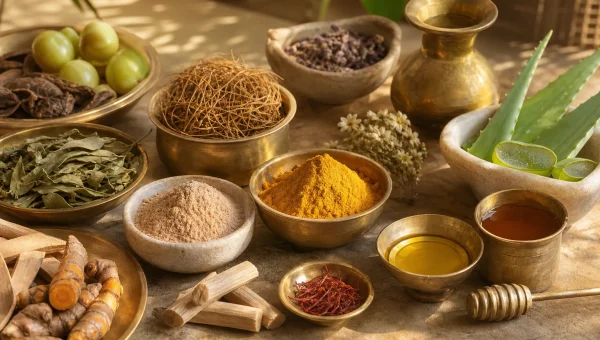
Triphala is a classical Ayurvedic formulation made from three fruits: Amalaki (Emblica officinalis), Haritaki (Terminalia chebula), and Bibhitaki (Terminalia bellirica). Its traditional appeal for an external rinse comes from its cleansing and astringent character. Use only clean, good-quality powder, strain it thoroughly, and keep the preparation mild.
- Add 1 teaspoon of Triphala churna to 400 ml of water in a clean stainless steel vessel.
- Bring to a boil, then simmer until the liquid reduces to about 200 ml.
- Strain through a fine muslin cloth or double-layered cotton so no powder particles remain.
- Let it cool until comfortably warm, close to body temperature. It should never feel hot.
- During bathing, gently pour the decoction over the outer vulva and perineal area only.
- Pat dry with a clean cotton towel or allow the area to air-dry. Do not rub.
For general freshness, this may be used occasionally, such as once weekly or after menstruation if it suits your body. Avoid daily use as a routine habit, especially if you already have dryness, burning, fissures, eczema, allergic tendency, or pain. If itching, odor, burning, or abnormal discharge continues, stop the rinse and seek medical evaluation.
Nimba and Other Stronger Herbs
Nimba or Neem (Azadirachta indica) is described in the Ayurvedic Pharmacopoeia of India as bitter, dry, cooling, and traditionally used in conditions involving krimi, wounds, skin disorders, and metabolic conditions. Because Neem is drying, it should not be casually added to intimate washes, especially in Vata-type dryness, pregnancy, postpartum healing, cracked skin, burning, or sensitive skin.
If an Ayurvedic practitioner recommends Neem externally for a Kapha-type pattern with itching or excessive moisture, use only the exact dose and duration prescribed. Do not use Neem oil internally or place Neem powder inside the vagina. Strong herbs can irritate delicate vulvar tissue when used incorrectly.
Lodhra for Kapha-Pitta Patterns
Lodhra (Symplocos racemosa) is classically valued for its astringent taste and is listed in the Ayurvedic Pharmacopoeia of India with kashaya rasa, sheeta virya, and traditional use in pradara. In clinical Ayurveda, Lodhra may be considered when there is excess discharge, tissue laxity, or Kapha-Pitta involvement, but intimate application should be guided by a practitioner rather than improvised at home.
For home care, it is safer to keep external rinses simple and mild. The more intense the symptom, the more important it is to identify the cause before applying herbs.
Daily Care Rituals for Yoni Swasthya
Yoni health is supported more by small daily choices than by aggressive cleansing. The goal is not to make the vagina smell like flowers or feel sterile. The goal is to keep the vulvar skin calm, the inner vagina undisturbed, and the body’s natural rhythms respected.
Morning Routine
Begin with simple external care during your bath. Let warm water run over the vulva and outer folds, using your hand gently. Avoid scrubbing, loofahs, perfumed soaps, scented intimate washes, deodorant sprays, antiseptic liquids, vaginal wipes, and powders. These can irritate the vulvar skin and disturb the natural balance.
- Choose breathable underwear. Wear clean cotton underwear during the day and avoid tight synthetic fabrics when you are prone to sweating, itching, or recurrent irritation.
- Keep cleansing external. The outer vulva may be washed with warm water; the inner vagina does not need washing.
- Use oil cautiously for external dryness. A tiny amount of plain coconut oil or sesame oil may suit some women on the outer vulvar skin, but patch test first, stop if it burns or itches, and do not use oils with latex condoms because oils can weaken latex.
After Using the Restroom
After urination or bowel movement, wipe gently from front to back to reduce the chance of bringing anal bacteria toward the urethra or vulva. Choose unscented toilet paper and avoid scented wipes. If the skin is irritated, rinsing externally with plain water and patting dry may be gentler than repeated wiping.
- Change sweaty clothing soon after exercise.
- Change pads or period products regularly during menstruation.
- Avoid leaving the area damp for long periods.
- After menstruation, a plain warm-water rinse is usually enough; a mild Triphala external rinse may be used occasionally only if your skin tolerates it well.
Nighttime Support
At night, comfort and airflow matter. If it feels comfortable and safe for you, sleeping without underwear or choosing loose cotton sleepwear can reduce trapped heat and moisture. This is especially helpful for women who notice itching after long hours in tight clothing.
- For mild external irritation, use a cool plain-water compress for a few minutes rather than scratching.
- For dryness, use a clinician-approved vulvar moisturizer or a very small amount of tolerated external oil, never deep inside.
- If itching wakes you repeatedly or becomes intense, seek evaluation instead of layering multiple home remedies.
Yoni Dhupana: Classical Fumigation, Not a DIY Steam
Yoni Dhupana traditionally refers to medicated fumigation directed toward the vulvovaginal region, not a casual at-home steam over a pot of boiling herbs. In Ayurvedic clinical practice, it belongs to sthanika chikitsa, or localized therapy, and may be used by trained practitioners in selected conditions such as postpartum care, excess discharge, itching, or wound support.
Do not attempt vaginal steaming at home as a cleansing or “detox” ritual. Hot steam can burn delicate vulvar tissue, and herbs or fumes can irritate sensitive skin. Avoid all steaming or fumigation during pregnancy, active menstruation, unexplained bleeding, active infection, sores, pelvic pain, fever, recent surgery, postpartum tears that are not fully healed, or whenever your clinician has advised pelvic rest.
If an Ayurvedic practitioner recommends Yoni Dhupana, it should be performed with controlled temperature, clean equipment, proper positioning, appropriate herbs, and clear contraindication screening. For daily self-care, warm water, breathable clothing, and symptom awareness are safer and more useful.
Diet and Lifestyle for Vaginal Comfort
Ayurveda connects yoni health with agni, tissue nourishment, hydration, and the tendency toward excess heat, dryness, or moisture. Food does not “wash” the vagina, but it can support digestion, blood sugar balance, bowel regularity, and mucosal comfort.
Foods That Support Balance
Favor simple meals that digest well and do not leave you feeling heavy, acidic, or overheated. The best diet is individualized, but many women do well with warm cooked foods, adequate protein, seasonal vegetables, and enough fluids for normal thirst and urine output.
- For Vata-type dryness: Include warm cooked meals, ghee in moderation if tolerated, mung dal, rice, soups, sesame in food, and regular meal timing.
- For Pitta-type burning: Favor cooling foods such as amla, pomegranate, coconut water, cucumber, bottle gourd, and well-cooked greens; reduce excess chili, vinegar, alcohol, and very sour pickles.
- For Kapha-type heaviness or thick discharge tendency: Keep meals lighter and warm, favor ginger in food if it suits you, and reduce frequent sweets, heavy fried foods, and excessive dairy.
- For gut support: Fresh homemade curd or thin buttermilk may suit some women, but avoid it if it worsens mucus, heaviness, acidity, or your practitioner has advised against it.
Foods and Habits to Minimize
Recurrent yeast infections deserve proper diagnosis, and blood sugar concerns should be addressed medically. From an Ayurvedic perspective, excessive refined sugar, heavy processed food, poor sleep, and chronic stress can disturb agni and increase kleda, the dampness or excess moisture quality associated with Kapha imbalance.
- Reduce refined sugar, sweet drinks, and frequent desserts if you are prone to recurrent yeast symptoms or blood sugar imbalance.
- Moderate alcohol and excessive caffeine when burning, dryness, anxiety, or sleep disturbance is present.
- Avoid crash dieting; undernourishment can aggravate Vata and worsen dryness.
- Support daily bowel movement with fiber-rich cooked vegetables, adequate fluids, and regular meal timing.
Recognizing Signs of Imbalance
Your body is always communicating. Normal discharge changes across the menstrual cycle and may be clear, white, slippery, creamy, or mildly musky. Concerning symptoms are those that are new, strong, persistent, painful, bloody, or associated with fever, sores, pelvic pain, or sexual exposure risk.
- Strong fishy odor: This can occur with bacterial vaginosis, especially when paired with watery grayish discharge.
- Thick white discharge with itching: This can occur with yeast infection, often with vulvar itching, soreness, swelling, redness, or burning.
- Green, gray, pus-like, bloody, or bright yellow discharge: This needs professional evaluation.
- Persistent burning or itching: This may come from infection, dermatitis, allergy, friction, hormonal dryness, or skin disease.
- Pain during intercourse: This can reflect dryness, infection, pelvic floor tension, inflammation, hormonal changes, or deeper pelvic conditions.
- Recurrent infections: Three or more symptomatic yeast infections in a year should be evaluated for recurrent vulvovaginal candidiasis and possible contributing factors such as diabetes, recent antibiotics, immune concerns, or non-albicans Candida.
When to See a Gynecologist
Loving your body also means knowing when home care is not enough. Please consult a qualified gynecologist, healthcare provider, or AYUSH-registered Ayurvedic practitioner if symptoms are new, persistent, recurrent, severe, or unclear.
- Fever along with vaginal or pelvic symptoms
- Severe pelvic or lower abdominal pain
- Bleeding between periods, bleeding after sex, or any bleeding after menopause
- Discharge with blood, pus, strong fishy odor, or green/gray color
- Genital sores, blisters, ulcers, or suspected STI exposure
- Pregnancy with itching, burning, odor, bleeding, pain, or unusual discharge
- Symptoms that worsen or do not improve with gentle external care
- Recurrent yeast-like symptoms, especially three or more episodes in a year
Modern diagnostics and Ayurveda can work together. A swab, wet mount, pH test, culture, STI test, or blood sugar assessment can identify what is actually happening. There is no shame in needing an antibiotic, antifungal, antiviral, hormone support, dermatology care, pelvic floor therapy, or a deeper medical workup.
A Final Note on Internal Herbal Douching
Avoid inserting herbal decoctions, oils, powders, garlic, essential oils, capsules, or pastes into the vagina on your own. The inner vagina is self-cleaning and has a delicate microbial and acidic balance. Internal douching can disturb protective flora, worsen irritation, and push infection-causing organisms upward.
The safe home-care boundary is simple: cleanse externally, keep products minimal, observe symptoms honestly, and get proper care when something feels wrong. Ayurvedic local therapies such as yoni prakshalana, yoni pichu, yoni dhupana, or uttara basti belong in trained clinical hands when they involve internal contact or medicated procedures.
Bringing It All Together
Your yoni does not need to be aggressively cleaned, perfumed, tightened, steamed, or “fixed.” She needs to be understood, gently supported, and listened to. Start with the simplest changes first: warm water externally, cotton underwear, front-to-back wiping, fewer scented products, steady digestion, balanced meals, and prompt evaluation when symptoms are strong or unusual.
Maybe your supportive ritual is an occasional mild Triphala external rinse. Maybe it is sleeping in loose cotton clothing. Maybe it is finally booking the gynecology appointment you have been postponing. Small, respectful steps can rebuild trust with your own body.
With love and warmth,
Priya
Disclaimer: This article is for educational purposes only and does not replace professional medical advice, diagnosis, or treatment. Always consult a qualified healthcare provider, gynecologist, or AYUSH-registered Ayurvedic practitioner before starting any new intimate-care practice, especially during pregnancy, breastfeeding, postpartum recovery, recurrent infections, suspected STI exposure, diabetes, immune conditions, unexplained bleeding, pelvic pain, or existing medical conditions.
References
- CDC
- Charaka Samhita — Yonivyapat Chikitsa
- My (my.clevelandclinic.org)
- Frontiersin (frontiersin.org)
- OASH Women’s Health
- CDC
- Webprod (webprod.hc-sc.gc.ca)
- Sljid (sljid.sljol.info)
- Ayurvedic Pharmacopoeia of India
- Ia800501 (ia800501.us.archive.org)
- ACOG
- ACOG
- Health (health.clevelandclinic.org)
- Ayushdhara (ayushdhara.in)
- Health (health.clevelandclinic.org)
- Second-Degree Burn Sustained After Vaginal Steaming (2019), PubMed
- Natural Ingredient Resource Center
- CDC
- Mayoclinic (mayoclinic.org)
- LWW Journals
- ACOG
Been using ayurvedic for about 3 months now and the difference in how I feel is real. My practitioner said the same things this article covers so good to have it spelled out.
I started the Triphala warm water gentle rinse protocol 6 weeks ago after reading an earlier version of similar guidance. The chronic mild itching I had accepted as normal for years has resolved. My gynecologist confirmed the microbiome looks healthy at my last visit. The simplest possible intervention turned out to be the right one.
The advice around Vaginal Health is specific enough to be useful. The main idea is clear even if someone is new to Ayurveda.
I am a gynecologist and the mainstream medical recommendation is the same as what Ayurveda says here: the vagina is self-cleaning and does not need any product beyond plain water. The commercial intimate wash industry has created a problem that did not exist to sell solutions for. I recommend this article to patients regularly.
The seasonal variation in intimate health, the changes in vaginal microbiome and discharge that correspond to seasonal doshic shifts, is something I have experienced but never had a framework for. The summer Pitta increase producing more heat and acidity is consistent with what I observe. Is there a seasonal protocol adjustment in Ayurveda?
I had recurrent BV for 2 years. Three rounds of antibiotics, each followed by recurrence within 4-6 weeks. Started a protocol with neem-based internal preparations and the Triphala wash. BV has not recurred in 14 months. My gynecologist is cautiously pleased but attributes it to luck or my body finally clearing it spontaneously. I believe the protocol helped.
I appreciated the personal opening but want more specific guidance on which of the Ayurvedic recommendations are appropriate for women who have a latex allergy. Some herbal oils are latex-based or processed in facilities with latex, and this is a significant issue for intimate applications.
as a western woman new to Ayurveda, reading about Yoni practices can feel overwhelming and somewhat culturally foreign. this article bridges that gap well by starting with the universal problem, the synthetic product industry’s harm, before moving to the traditional solution. the sequencing makes the traditional approach accessible.
The comment about 75% of women experiencing yeast infections is striking because it suggests the current intimate care culture is failing most women. The Ayurvedic prevention-first approach to intimate health, maintaining a healthy environment rather than treating recurrent infections, is a fundamentally different clinical philosophy.
The explanation of how Kapha Pitta and Vata each affect discharge really helped me connect my symptoms to my constitution.
The Vaginal Health angle is useful here. Small daily changes are easier to follow than a perfect plan.
I tried the coconut oil with turmeric topical application for external irritation and it worked immediately for the discomfort. But I developed a mild yellow staining that took two days to fully fade. The cooling and antimicrobial effect is real but the staining is a practical concern for everyday use.
The Vaginal Health angle is useful here. I would still ask a practitioner before changing medicines.
I tried the Triphala wash as described and noticed less irritation after a few days.
Using cotton underwear and skipping soap on the vulva made a noticeable difference in comfort during the week.
The section on yoni dhupana steam was interesting especially the caution about avoiding it during pregnancy or with an IUD.
I appreciated the clear warning against internal herbal douching and the reminder to see a gynecologist for persistent burning or odd discharge.
Adding a spoonful of homemade yogurt to my breakfast seemed to help keep my pH steady just as the article suggests for Lactobacillus support.
Is the the herb selection for washing version from Kerala classical or is it more modern?
For Yoni Prakshalana frequency specifically I think the article oversells the benefits. The data I’ve seen is preliminary. 🌿
Have you written anything about combining Triphala wash concentration with conventional medicine?
I had the same issue. didn’t work well for me either
The scientific evidence behind Yoni Prakshalana frequency seems to lag well behind the traditional claims.
This helped me understand Vaginal Health without too much jargon. This would be easier to follow with a one-week sample plan.
omg the the microbiome section part is exactly what i needed to read today
good question about Yoni Prakshalana frequency. I was wondering the same thing
Thanks!
The comparison between classical texts and modern practice on Yoni Prakshalana frequency is exactly what I needed.
Is there an age limit for the microbiome section? Asking for my 68-year-old father.
Is the dosage for the microbiome section different during pregnancy? I couldn’t find a clear answer.
yeah the the microbiome section claims need better sourcing
Sharing this.
Have you written anything about combining the microbiome section with conventional medicine?
Is there an age limit for the herb selection for washing? Asking for my 68-year-old father.
Does the herb selection for washing interact with metformin? Would appreciate a separate post on herb-drug combos.
Good info.
I’m a bit skeptical of the claims around Triphala wash concentration. The mechanism you describe sounds plausible but where’s the data?
Is the the herb selection for washing protocol you described safe for someone with hypothyroidism?
Is the Triphala wash concentration version from Kerala classical or is it more modern?
omg the pH-safe herb list part is exactly what i needed to read today
The the herb selection for washing schedule in section 2 , is that for all three doshas or specifically for Kapha?
How long before you start seeing results with Yoni Prakshalana frequency? My practitioner said 90 days.
Have been doing the microbiome section for about 3 months. Saw improvement in month 2, slight plateau now. ठीक है
shared this with my mom, shes been asking about Triphala wash concentration forever ❤️ नमस्ते
For the herb selection for washing specifically I think the article oversells the benefits. The data I’ve seen is preliminary.