
Spring allergies often feel sudden: sneezing, watery eyes, nasal stuffiness, post-nasal drip, heavy-headed mornings, and dull digestion appear just as the weather turns warm. In Ayurveda, this pattern is understood through Ritucharya, the seasonal regimen described in Charaka Samhita, Sutra Sthana Chapter 6. The classical spring plan is not merely symptomatic care; it is a Kapha-clearing seasonal routine designed to lighten the body before accumulated winter heaviness becomes troublesome.
Modern allergic rhinitis is described by sneezing, nasal congestion, itching, and postnasal discharge after allergen exposure. Ayurveda does not use the same diagnostic language, but the seasonal Kapha pattern of Vasanta Ritu offers a practical framework for people whose upper respiratory symptoms reliably worsen in spring.
The Kapha Accumulation-Liquefaction Cycle
Charaka Samhita explains that in spring, accumulated Shleshma or Kapha becomes liquefied by the increasing heat of the sun. This affects Agni, the digestive and metabolic fire, and can give rise to many disorders. In practical terms, the body that tolerated heavier winter foods may begin spring with sluggish digestion, mucus tendency, heaviness, sleepiness, and congestion.
This is why the Ayurvedic allergy plan begins before symptoms are severe. The aim is to clear, dry, warm, and lighten Kapha while protecting digestion. For many people, that means changing breakfast, reducing cold dairy and sweet-heavy foods, adding warming spices, using appropriate nasal care, and increasing movement during the early spring transition.
The Three-Phase Vasant Ritu Protocol
The spring protocol has three parts: classical Kapha purification where appropriate, nasal and throat care for the head and upper respiratory passages, and daily diet-herb-lifestyle support through the season. The strongest procedures belong in a clinic; the gentler daily practices can be adapted at home after guidance from a qualified practitioner.
Phase 1: Kapha Shodhana
For marked Kapha accumulation, classical Ayurveda recommends purification procedures such as Vamana during Vasanta Ritu. This is a physician-supervised Panchakarma procedure, not a home remedy. It is considered when Kapha is strong, the person has adequate strength, and a trained practitioner has prepared the patient with proper assessment, oleation, fomentation, and post-procedure diet.
Important: Vamana should only be performed under direct supervision of a qualified Ayurvedic Panchakarma physician. It is unsuitable for many people, including children, older adults, pregnant women, the extremely weak or emaciated, and people with heart disease or upper-channel bleeding conditions. Anyone with chronic illness, pregnancy, active gastric irritation, bleeding tendency, or significant medication use should avoid self-directed cleansing and consult a qualified practitioner.
Phase 2: Nasya and Local Kapha Care
Nasya, the nasal administration of medicated oil or other preparations, is included in the spring regimen in classical seasonal guidance. For allergy-prone people, a practitioner may select Anu Taila or another suitable nasal preparation according to constitution, dryness, congestion, sinus sensitivity, and season.
A supervised Anu Taila Nasya course may use a measured dose such as six drops in each nostril for a defined number of days. At home, many people require only a gentler Pratimarsha Nasya-style approach, using a very small amount of appropriate oil under guidance. The practical sequence is usually simple: apply when the face and body are comfortable and warm, keep the head slightly tilted back, inhale gently, rest briefly, and clear the throat with warm water gargling if oil drains backward.
- Use only a clean, practitioner-recommended nasal oil.
- Do not apply Nasya immediately after meals, alcohol, strenuous exercise, or bathing.
- Avoid forceful inhalation; the oil should not be snorted sharply.
- Stop if there is burning, choking, headache, nausea, wheezing, or worsening congestion.
- Seek medical care for severe sinus pain, fever, breathing difficulty, asthma flare, or persistent symptoms.
If you are unfamiliar with the procedure, our guide to Nasya therapy explains safe self-administration, indications, and precautions in more detail.
Phase 3: Herbal Support and Dietary Modification
This phase runs through the spring season. The best formula depends on the person: some need warming digestive support, some need soothing respiratory support, and some need formal medical treatment for allergic rhinitis, asthma, sinusitis, or infection. Herbs should be chosen according to constitution, age, digestion, pregnancy status, medications, and the exact symptom pattern.
Key Herbs and Formulations for Spring Allergies
Ayurveda commonly approaches spring allergy tendency by reducing Kapha, supporting Agni, clearing mucus, and soothing irritated respiratory passages. The following herbs and formulations are commonly used, but they should be individualized rather than taken as a fixed prescription.
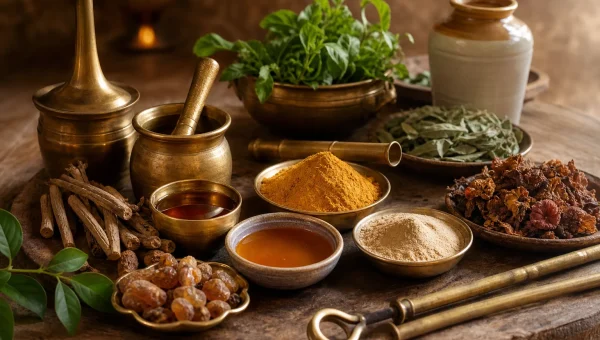
Haridra (Curcuma longa, turmeric) is a useful spring herb when there is Kapha heaviness with inflammatory irritation. In contemporary clinical literature, oral curcumin has been evaluated in adults with perennial allergic rhinitis and was associated with improvement in nasal airflow and immune markers. In Ayurvedic practice, Haridra may be used as food, powder, or part of classical formulations, but high-dose curcumin supplements require caution.
Tulsi (Ocimum sanctum / Ocimum tenuiflorum) is widely used in Indian households and Ayurveda for respiratory comfort and seasonal resilience. A simple Tulsi tea made with fresh leaves is a gentle option for many adults, especially when congestion is accompanied by dullness and heaviness. Concentrated extracts should be treated as medicine, not as ordinary tea.
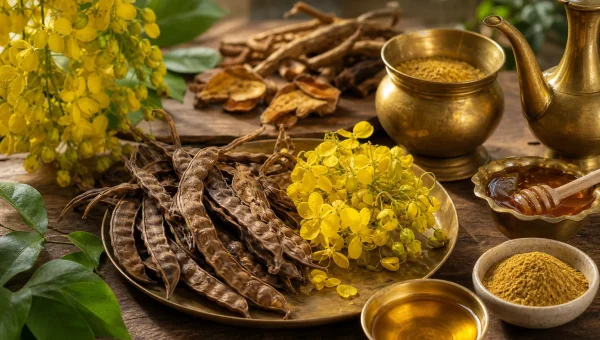
Sitopaladi Churna is a classical powder used when cough, throat irritation, or chest congestion accompanies the nasal picture. It traditionally contains sugar candy, bamboo manna, Pippali, cardamom, and cinnamon. Because it contains a significant sweet component, people with diabetes or blood sugar concerns should use it only with professional advice.
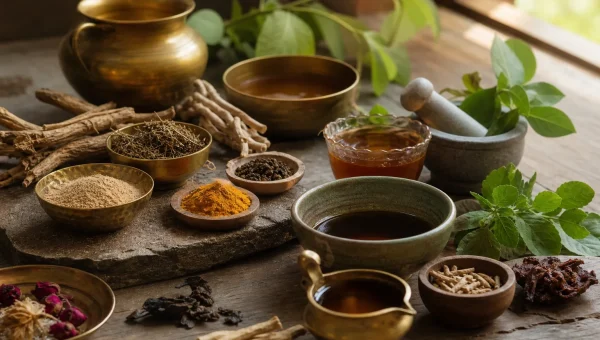
Trikatu combines Shunthi (dry ginger), Maricha (black pepper), and Pippali (long pepper). It is warming, pungent, Kapha-reducing, and used to kindle sluggish digestion. It is not suitable for everyone; people with acidity, gastritis, mouth ulcers, burning sensations, pregnancy, or strong Pitta aggravation should avoid unsupervised use.
Vyoshadi Vati is traditionally used in throat and upper respiratory Kapha conditions. It contains warming pungent ingredients and is commonly taken by slowly dissolving it in the mouth, but dose and duration should be directed by a practitioner.
| Herb or Formulation | Common Adult Use Pattern | Ayurvedic Role | Best Suited For |
|---|---|---|---|
| Haridra | As food spice, powder, or practitioner-selected formulation | Kapha-Pitta balancing, supports inflammatory irritation | Sneezing, congestion with irritation, seasonal inflammatory tendency |
| Tulsi | Fresh leaf tea or supervised extract | Warming, aromatic, respiratory support | Congestion, dullness, seasonal respiratory sensitivity |
| Sitopaladi Churna | Often taken with honey under guidance | Respiratory support, throat soothing, Kapha management | Cough, throat irritation, mild chest congestion |
| Trikatu | Small supervised dose, often with honey or warm water | Deepana-Pachana, Kapha reduction | Sluggish digestion, heaviness, mucus tendency |
| Vyoshadi Vati | Lozenge-style use as directed | Warming throat and Kapha support | Sore throat, post-nasal drip, pharyngeal congestion |
Disclaimer: These are general educational guidelines, not a personal prescription. Pregnant or breastfeeding women, children, older adults, people with asthma, diabetes, liver disease, bleeding disorders, reflux, gastritis, or those taking anticoagulants, antiplatelets, diabetes medicines, steroids, antihistamines, or other regular medications should consult a qualified Ayurvedic practitioner and healthcare provider before using herbs or supplements.
The Vasant Ritu Diet: What to Eat and What to Avoid
Diet is central to the spring protocol. Charaka Samhita advises pungent, bitter, and astringent tastes; light, dry, and warming foods; old grains such as barley, wheat, and rice; honey; ginger-medicated water; and Kapha-clearing practices in spring. The same passage advises avoiding heavy, sour, unctuous, sweet, and cold items, curd, day sleep, direct harsh sun, and sleeping under dew.
Favor these qualities:
- Light (Laghu), warm (Ushna), and relatively dry (Ruksha) meals
- Pungent (Katu), bitter (Tikta), and astringent (Kashaya) tastes
- Barley, old wheat, old rice, mung dal, and light soups
- Cooked greens, fenugreek, turmeric, ginger, black pepper, mustard seed, and cumin
- Warm water or ginger-infused warm water through the day
Reduce or avoid:
- Cold dairy, curd, ice cream, cold milk, and heavy fresh cheese
- Heavy sweets, fried foods, refined flour, and oily snacks
- Large portions of very sweet, cold, watery foods when congestion is active
- Daytime sleeping and long sedentary mornings
For practical meals based on these principles, our spring cleansing recipes collection gives simple Kapha-clearing food ideas for the seasonal transition.
The Honey Question
Ayurveda regards honey (Madhu) as useful in Kapha-oriented contexts when used properly and in moderation. In spring, classical seasonal guidance includes honey among suitable items, and it is often used as an Anupana, or carrier, for Kapha-related powders such as Sitopaladi or Trikatu when appropriate.
Use honey in small amounts, do not give it to infants under one year, and do not heat it. Classical Ayurveda discourages heated honey, and modern food analysis also recognizes that heat can increase undesirable processing markers such as hydroxymethylfurfural in honey. For adults, a common practical amount is about one teaspoon with an appropriate formulation, but it should not replace prescribed allergy medicine or emergency care.
Pranayama: Kapalbhati and Bhastrika
Spring is a good time for appropriate movement and Kapha-clearing breath practices, but strong pranayama should be introduced carefully. Kapalbhati uses active, rapid abdominal exhalations with passive inhalation. Bhastrika uses forceful inhalation and exhalation in a bellows-like rhythm. Both are heating and stimulating, so they fit the Kapha-clearing logic of spring only when the person is suitable for them.
A conservative morning routine may begin with gentle breathing, then a small number of Kapalbhati strokes, followed by rest and normal breathing. Bhastrika should be learned from a qualified yoga teacher and practiced mildly at first. The goal is clear breathing and alertness, not strain, dizziness, sweating, or breath hunger.
Caution: Kapalbhati and Bhastrika are not suitable during pregnancy and should be avoided or medically supervised in uncontrolled hypertension, heart disease, stroke history, epilepsy, hernia, gastric ulcer, severe vertigo, recent surgery, or significant respiratory disease. Stop immediately if there is chest pain, dizziness, breathlessness, palpitations, or worsening symptoms.
Understanding Ritucharya for Year-Round Prevention
The deeper lesson of Ritucharya is that seasonal health is prepared in advance. Spring Kapha is shaped by late-winter food, sleep, movement, and digestion. People who predictably suffer in March, April, or May should begin gently lightening the diet and increasing movement before the full allergy season arrives.
This does not mean abandoning modern allergy care. Persistent allergic rhinitis, recurrent sinus infections, wheezing, asthma, fever, facial pain, or sleep-disrupting symptoms need proper medical evaluation. Ayurveda can be a seasonal support system, but safe care means matching the remedy to the person, the disease severity, and the medicines already being used.
References
- NCCIH
- Charaka Samhita — Tasyashiteeya Adhyaya
- Ayurveda Management of Allergic Rhinitis: Protocol for a Randomized Controlled Trial (2024), PubMed
- Researchprotocols (researchprotocols.org)
- Ayurveda Management of Allergic Rhinitis: Protocol for a Randomized Controlled Trial (2024), PubMed Central
- A study on Vasantika Vamana (therapeutic emesis in spring season) – A preventive measure for diseases of Kapha origin (2011), PubMed Central
- Charaka Samhita — Vamana
- Niimh (niimh.nic.in)
- Effect of curcumin on nasal symptoms and airflow in patients with perennial allergic rhinitis (2016), PubMed
- NCCIH
- Medsafe (medsafe.govt.nz)
- Double-blinded randomized controlled trial for immunomodulatory effects of Tulsi (Ocimum sanctum Linn.) leaf extract on healthy volunteers (2011), PubMed
- The Clinical Efficacy and Safety of Tulsi in Humans: A Systematic Review of the Literature (2017), PubMed Central
- Patanjaliayurved (patanjaliayurved.net)
- Mast cell stabilization potential of Sitopaladi churna: An ayurvedic formulation (2013), PubMed Central
- Mast cell stabilization potential of Sitopaladi churna: An ayurvedic formulation (2013), PubMed
- 1mg (1mg.com)
- Aryaayurved (aryaayurved.com)
- Ingestion of honey improves the symptoms of allergic rhinitis: evidence from a randomized placebo-controlled trial in the East coast of Peninsular Malaysia (2013), PubMed
- Ingestion of honey improves the symptoms of allergic rhinitis: evidence from a randomized placebo-controlled trial in the East coast of Peninsular Malaysia (2013), PubMed Central
- 5-Hydroxymethylfurfural (HMF) levels in honey and other food products: effects on bees and human health (2018), PubMed Central
- Study of immediate neurological and autonomic changes during kapalbhati pranayama in yoga practitioners (2022), PubMed Central
- En (en.wikipedia.org)
- Pharmeasy (pharmeasy.in)
- Pharmeasy (pharmeasy.in)
- Maxhealthcare (maxhealthcare.in)
The ‘didn’t start out of nowhere’ framing is exactly right and I wish every allergist would read this. I’ve been told for years that my spring allergies are just environmental. The Kapha accumulation through winter as the root cause explains why some years are worse than others depending on what I ate through winter.
Can you quantify what ‘reduces severity’ means in the context of the protocol described? My allergies involve 40-50 sneezes before breakfast and completely watery eyes. I’m looking for something that meaningfully reduces symptom burden, not just mild improvement.
Nasya with Anu tailam twice daily from February through April has been my anti-allergy protocol for two years. Last spring I used one antihistamine all season. Previous spring I was using one daily. The difference is real and it was the Nasya that was the most impactful single addition.
The antihistamine dependence cycle is real and the Ayurvedic case for breaking it through root cause treatment is theoretically sound. Antihistamines are excellent at managing the histamine response but do nothing about the Kapha accumulation that primes the reactivity.
The part about Vasant Ritu Allergy feels realistic. Would be useful to see a short checklist next.
The dietary piece is specifically the February changes that matter most. I start reducing dairy and wheat eight weeks before my typical allergy onset every year now. The difference in severity is consistent enough that I’ve accepted the causation even without controlled evidence.
Is there any data on the Ayurvedic allergy protocol versus oral immunotherapy for chronic allergies? I’ve been offered OIT for dust mite allergy and I’m trying to understand where the Ayurvedic approach fits relative to a desensitization strategy.
I followed the winter prevention protocol for the first time this year and my March was the most symptom-free in a decade. One antihistamine compared to daily medication for six weeks. Starting the prevention approach early is everything.
The explanation of Kapha building up in winter and melting in spring makes a lot of sense for my yearly sinus trouble.
The Kapha-Vata overlap in allergy symptoms, the heaviness and congestion plus the sneezing and erratic pattern, is why allergy presentations vary so much between individuals. Treating them all the same with generic antihistamines ignores the constitutional variation.
My child has severe spring allergies and I’ve been reluctant to keep her on daily antihistamines through the entire season. The preventive protocol described here seems like a reasonable alternative to try, especially since it has no significant side effects.
I wonder if Nasya with Anu Taila would be safe for someone with high blood pressure; the article mentions cautions but not details.
I’d be cautious about the neti pot frequency recommendation during active allergy season. When nasal membranes are already inflamed and producing excess mucus, the additional fluid can sometimes worsen congestion if the drainage is incomplete. This is worth flagging.
A friend tried the Tulsi tea routine and said her morning heaviness lifted after a few days.
The dietary shift to warm, dry, bitter foods feels like a big change from my usual cold smoothies.
Has anyone here actually done Vamana under supervision? Seems intense but interesting.
I appreciate the breakdown of herbs; Haridra Khanda with warm water sounds easier than capsules.
The pranayama rounds, Kapalbhati then Bhastrika, seem like a quick morning reset before work.
Reading about the software engineer’s relapse into antihistamines made me check my own spring meds.
Local honey as an Anupana for Sitopaladi Churna is a new twist I hadn’t heard before.
just found this via Google search, is the protocol here still the current recommendation?
would love a follow-up article on the same topic but for elderly patients
The part about Vasant Ritu Allergy feels realistic. The practical details matter more than people think.
It’s helpful that the protocol starts in early March, giving a window to prep before the pollen surge.
same question as above, any substitute for herbs not available outside India?
same here
late to this but wanted to ask if anyone has combined these approaches with conventional treatment 💯
Saved this
Doing this
been doing this for 6 months, amazing difference in energy levels
the translation of Sanskrit terms throughout helps a lot for those of us learning this system
I wish more doctors knew about this approach
Thanks!
good information but the references section would make this much more credible ✨
I would like more detail on Vasant Ritu Allergy. I appreciate that it does not oversell the result.
will try and report back. fingers crossed
not sure if its the herbs or the diet changes that made the difference
useful info but hard to find a practitioner who does this type of treatment outside major cities नमस्ते
would prefer more citations in the text itself
For Vasant Ritu Allergy, consistency seems like the hard part. This feels more usable than a long list of herbs.
Good read 🌿
Will try
@Anita tried this for 30 days, mixed results. maybe my constitution assessment is wrong
reading this in 2027, has anything changed about the dosage recommendations since this was published?
Very helpful, thank you
not sure about some of the claims here. would like to see proper citations for the traditional references
which of these approaches works best for Kapha constitution? the article mixes all three doshas
@Jessica sharing with my mom
🙏 the basic concepts here match what I learned in my yoga teacher training
the quality of herbs varies so much between brands. really hard to replicate these results
नमस्ते, this is exactly what I was looking for 🙏
does anyone know if these herbs are safe while on blood thinners? would really appreciate a response 💯
started this protocol 2 weeks ago. nothing notable yet but will report back in a month
my vaidya in Pune recommended exactly this. nice to see it confirmed here
The Vasant Ritu Allergy section feels grounded enough to try carefully. Small daily changes are easier to follow than a perfect plan.