
Dhoomapana: Ayurvedic Herbal Smoking Therapy for Respiratory and Sinus Conditions
The term “herbal smoking” deserves caution. In Ayurveda, dhoomapana is not recreational smoking and not a harmless wellness habit. It is a measured classical procedure in which smoke from a medicated wick is taken through a prescribed route, in a limited number of rounds, for selected kapha and vata-kapha disorders of the head, nose, throat, and upper chest. Because it still involves combustion, it belongs in trained clinical hands rather than home experimentation.
Classical dhoomapana is mainly described for urdhvajatrugata conditions—disorders arising above the clavicle—especially where kapha produces heaviness, stickiness, mucus, dullness, obstruction, cough, rhinitis, sneezing, or impaired voice. Its traditional purpose is to mobilize and clear kapha while avoiding excessive heat, dryness, and irritation.
Classical Authority and Classification
Charaka describes dhoomapana in Sutra Sthana Chapter 5, giving its materials, timing, method, pipe measurements, indications, contraindications, and signs of proper and excessive use. Vagbhata describes the procedure in Ashtanga Hridaya Sutra Sthana Chapter 21, with a similar focus on kapha and vata disorders above the shoulders.
- Prayogika dhoomapana: A milder, routine or preventive form used in the classical daily regimen for kapha-vata disorders of the upper body. Charaka’s prayogika formulation includes aromatic, resinous, pleasant, and stabilizing substances such as guggulu, aguru, ela, tvak, patra, ushira, padmaka, madhuka, mamsi, sarjarasa, shallaki, and selected barks.
- Snaihika or snigdha dhoomapana: An unctuous form prepared with substances such as ghee, fat, beeswax, and sweet-taste drugs. It is used where vata, dryness, roughness, or irritation must be handled gently.
- Vairechanika or tikshna dhoomapana: A stronger cleansing form used to expel aggravated kapha from the head region. Classical descriptions include potent substances, including mineral materials in some formulations, so this category is strictly unsuitable for self-preparation or casual use.
Ayurvedic Rationale
Ayurveda explains the desired effect of dhoomapana as the thinning, mobilizing, and expelling of kapha from the head, throat, and chest. Proper administration is marked by lightness of the head, throat, and chest, along with easier movement of kapha. Excessive or mistimed use produces the opposite pattern: heat, dryness, thirst, dizziness, bleeding, fainting, and disturbance of the senses.
The classical apparatus and route are part of the therapy. The dhooma netra, or smoking pipe, is used to attenuate the smoke before it reaches the patient. The procedure is not performed by drawing smoke forcefully into the lungs; it is a short, regulated application through the classical route chosen for the location of the disorder.
Traditional Indications
Classical texts list dhoomapana for many kapha-vata conditions of the head, nose, throat, mouth, voice, and upper respiratory region. The following table uses modern descriptive language only to help readers recognize the traditional scope; it is not a substitute for diagnosis.
| Classical Presentation | Modern Descriptive Language | Ayurvedic Focus | Usual Dhoomapana Approach |
|---|---|---|---|
| Pinasa, pratishyaya, nasal discharge, sneezing | Rhinitis-like congestion, recurrent nasal blockage, excess mucus | Kapha lodged in the nose and head | Mild or cleansing form, selected by practitioner |
| Shirogaurava, shirahshula, heaviness of head | Head heaviness with kapha-type obstruction | Kapha-vata in the head region | Prayogika or stronger form when appropriate |
| Kasa, shvasa, hikka | Cough, breathlessness, hiccup-like upper respiratory disturbance | Kapha-vata obstruction in the chest and throat | Only after medical screening and professional selection |
| Galagraha, vaisvarya, swarabheda | Throat obstruction, hoarseness, impaired voice | Kapha or vata-kapha affecting throat and voice | Route and formulation adjusted for throat involvement |
| Excessive drowsiness, dullness, mucus in mouth | Kapha-type heaviness and sluggishness in the upper channels | Accumulated kapha in urdhvajatrugata region | Mild routine form when no contraindication exists |
The Classical Procedure
The route of administration is a major correction to many modern descriptions of dhoomapana. For disorders of the head, nose, and eyes, the classics describe taking smoke through the nose; for disorders of the throat, the mouth route may be used. The smoke is expelled through the mouth. Exhaling smoke through the nose is specifically warned against in the classical procedure.
- Eligibility is checked first: The practitioner confirms that the patient has a suitable kapha or vata-kapha indication and no contraindication such as bleeding tendency, pregnancy, severe pitta aggravation, dehydration, intoxication, head injury, faintness, or active lung disease.
- The patient sits upright: The person sits straight, alert, and calm, with the mind attentive to the procedure.
- The dhooma netra is used: The medicated wick is lit and placed in the smoking apparatus so that the smoke passes through the pipe before reaching the patient.
- The route is selected: For head and nasal disorders, one nostril is used at a time while the other is gently closed. For throat disorders, the mouth route may be used according to classical instruction.
- The smoke is expelled through the mouth: The smoke is released from the mouth, not from the nose.
- The dose is limited: Classical descriptions use three puffs in a round, repeated in a regulated manner. The number of sessions depends on the type: milder forms are used less aggressively, while cleansing forms require stricter supervision.
- The procedure stops at warning signs: Heat, dryness, thirst, dizziness, nosebleed, faintness, eye discomfort, or sensory disturbance are signs to stop immediately.
Preparation of the Dhooma Varti
A dhooma varti is not a cigarette or ordinary incense stick. Classical descriptions prepare a medicated wick by coating a reed or support with selected herbal or medicinal paste, drying it, removing the central support to leave a channel, smearing it with a suitable sneha such as ghee, oil, fat, or wax depending on the type, and then placing it in the smoking pipe after lighting.
- For prayogika use: Charaka lists fragrant, resinous, and pleasant substances such as guggulu, aguru, ela, tvak, patra, ushira, padmaka, madhuka, mamsi, sarjarasa, shallaki, and selected tree barks.
- For snaihika use: The wick is prepared with unctuous substances such as ghee, animal fat, and beeswax, combined with sweet-taste drugs to soften the effect.
- For vairechanika use: The formulation is stronger and intended for cleansing kapha from the head. Because classical lists may include potent minerals and sharply acting substances, it should never be made or used without qualified supervision.
Important Dhoomapana Materials
The substances used in dhoomapana are selected according to dosha, tissue sensitivity, strength of the patient, location of kapha, and the intended type of smoke. Familiar Ayurvedic single drugs must still be used according to classical context and pharmacopoeial standards, not by casual substitution.
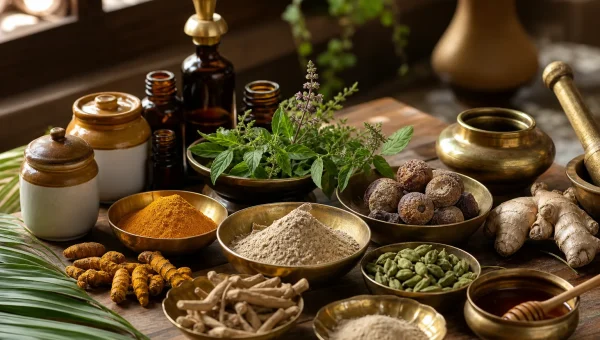
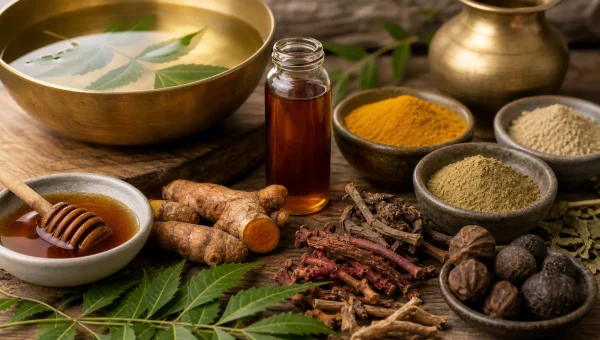
- Guggulu (Commiphora wightii): Guggulu is an aromatic resinous exudate listed in the Ayurvedic Pharmacopoeia of India. In classical dhoomapana it appears among prayogika ingredients, supporting the resinous and aromatic character of the medicated smoke.
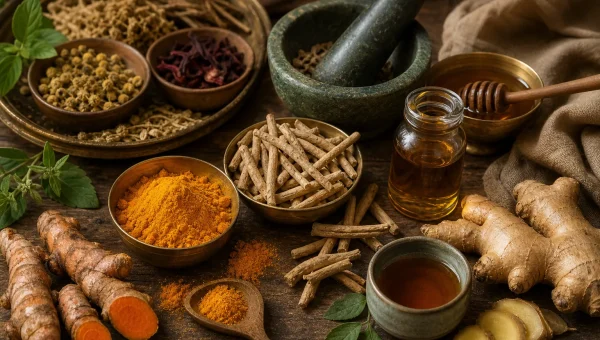
- Haridra (Curcuma longa): Haridra is described in the Ayurvedic Pharmacopoeia of India as pungent and bitter in taste, dry in quality, hot in potency, and kapha-pitta reducing. Its listed traditional uses include pinasa, making it relevant to kapha-related nasal conditions when selected appropriately.
- Vacha (Acorus calamus): Vacha is an aromatic rhizome described as pungent and bitter, with volatile oil content specified in the Ayurvedic Pharmacopoeia of India. Because it is sharp and penetrating in Ayurvedic use, it belongs in practitioner-selected formulations rather than home dhoomapana recipes.
- Jatamansi (Nardostachys jatamansi): Jatamansi is an aromatic rhizome described in the Ayurvedic Pharmacopoeia of India and traditionally associated with medhya and calming actions. It is more appropriate in gentle or supportive contexts than in aggressive cleansing use.
Signs of Proper Administration
Proper dhoomapana is judged by immediate and practical signs. The procedure is considered suitable only when the patient feels clearer and lighter without burning, dryness, dizziness, or strain.
- Lightness in the chest, throat, and head
- Kapha becoming loose and easier to expel
- Reduction of kapha-type heaviness in the upper region
- Clearer throat and easier voice when the indication is appropriate
- No burning, faintness, bleeding, or sensory discomfort
Signs of Excessive Administration
Excess use of dhoomapana is treated as a complication. Classical signs of excess include heat, dryness, thirst, bleeding, dizziness, fainting, and disturbance of sensory function.
- Dryness of the palate, throat, mouth, or head
- Heat or burning sensation in the head or throat
- Excessive thirst
- Dizziness, faintness, or stupor
- Nosebleed or bleeding tendency
- Eye, ear, or sensory disturbance
Contraindications and Critical Precautions
Classical texts give detailed contraindications, showing that dhoomapana was never meant to be used casually. It should be avoided when the patient is weak, overheated, depleted, bleeding, intoxicated, unstable, or otherwise unsuitable for smoke exposure.
- Pregnancy
- Active bleeding tendency, raktapitta, or recurrent nosebleeds
- After purgation, enema, or other procedures that leave the patient depleted
- Severe thirst, dehydration, exhaustion, emaciation, faintness, or giddiness
- Pitta aggravation with heat, burning, irritability, or inflammatory signs
- Head injury, trauma, severe headache, or acute neurological symptoms
- Recent alcohol intake or intoxication
- Immediately after unsuitable foods or drinks listed in the classics, including alcohol, milk, curd, honey, and heavy unctuous intake
- Severe eye disease or sensory disturbance
- Meha-type urinary or metabolic disorders unless specifically cleared by a qualified practitioner
- Asthma, COPD, chronic lung disease, acute respiratory infection, unexplained breathlessness, or reduced oxygen levels unless cleared by an appropriate medical specialist
- Children, frail elders, or medically fragile patients except under direct specialist supervision
Modern Risk Context
The classical procedure is dose-limited and route-specific, but combustion risk remains. Tobacco-free or herbal smoke can still contain tar, particulates, carbon monoxide, and respiratory irritants. Dhoomapana should therefore not be used as a cigarette substitute, a daily habit, a room-filling incense exposure, or a casual home remedy for congestion.
The difference between dhoomapana and tobacco smoking is not that one is harmless and the other is harmful. The difference is that classical dhoomapana is medicinal, brief, selected, supervised, and stopped at the first sign of excess. Even then, it is inappropriate for many patients.
When Smoke Is Not Appropriate
When smoke exposure is unsuitable, a practitioner may choose non-combustion approaches for kapha-related head and nasal complaints. These may include nasya, gentle steam, saline cleansing, dietary kapha reduction, and practitioner-prescribed internal medicines. These measures are not identical to dhoomapana, but they are often more appropriate for sensitive patients.
Nasya is a separate classical nasal therapy and may be selected where lubrication, softening, or head-neck support is needed without combusted smoke. Diet and lifestyle measures are also important: reducing cold, heavy, sweet, and mucus-forming foods while supporting digestion is often central in kapha-dominant presentations.
Practical Clinical Position
Dhoomapana is best understood as a specialized Ayurvedic procedure for selected kapha and vata-kapha disorders of the head, nose, throat, and upper respiratory region. It is not a blanket treatment for chronic sinusitis, allergies, asthma, infections, or lung disease. Its value in Ayurveda lies in precision: correct patient, correct indication, correct formulation, correct route, small dose, close observation, and prompt discontinuation at signs of excess.
Medical Disclaimer: This article is for educational purposes only. Dhoomapana is a specialized Ayurvedic procedure and should be performed only under the supervision of a qualified Ayurvedic practitioner, with medical evaluation when respiratory, sinus, allergic, or pulmonary disease is present. Do not attempt herbal smoking as self-treatment. Patients with asthma, COPD, chronic lung disease, pregnancy, bleeding tendency, heart-lung disease, or unexplained breathing symptoms should avoid dhoomapana unless explicitly cleared by an appropriate healthcare provider and a qualified Ayurvedic specialist. Any form of smoke exposure carries respiratory risk.
the preparation method described here is exactly what my grandmother used to make. brings back memories.
thanks for sharing that, useful to know
That’s a fair point — what did you share specifically? Would help others reading this thread to have the detail here rather than having to scroll.
Agreed on constitution, but the article does distinguish between vataja and kaphaja types of respiratory issues and recommends different herb blends for each. For kapha-dominant conditions the formulations tend to be more pungent — haritaki and vacha feature heavily. Did you find that distinction useful when you tried it?
Out of curiosity, how are you determining your prakriti before deciding on dhoomapana suitability? Is it self-assessed or through a practitioner? The article hints that pitta types should be cautious with the hotter formulations.
That’s really touching. Do you remember what herbs she used? The article lists haritaki, vacha, and guduchi as core ingredients — wondering if the traditional home versions matched that or differed regionally.
My grandmother had a slightly different version too — she used tulsi leaves in the mix, which I don’t see in most classical formulations. Funny how regional practice drifts from the texts over generations but the core intent stays the same.
is this appropriate for elderly patients above 70 or should the dosages be reduced
I’d strongly suggest consulting a vaidya for elderly patients rather than self-administering. The article notes that frequency and duration both need to be reduced when respiratory capacity is lower, and in older patients you’d also want to rule out any cardiac contraindications before starting.
is there a simplified version for beginners who dont have access to all these herbs
not disputing Ayurveda has value but articles like this sometimes overstate efficacy.
u mention this is safe but what about drug interactions with common meds like bp tablets
which herbs are used in the classical dhoomapana formulation vs the modern safe alternatives
the article would be stronger with a clear ‘when to see a doctor’ section. some of these conditions need medical clearance.
how is this different from steam inhalation? the article mentions both but doesn’t clearly compare
@Laura same experience here actually
any kind of smoke inhalation, even herbal, causes my sinuses to flare up badly. not for everyone.
does this protocol change during monsoon season? ive heard Ayurvedic timing is seasonal
finally an article that explains the classical text basis rather than just listing herbs.
tried a similar protocol 6 months back. results were modest at best and I was consistent.
how long before results become noticeable with this protocol? my patience has limits tbh
any kind of smoke inhalation, even herbal, causes my sinuses to flr up badly. not for everyone.
sorry off-topic but does anyone here have experience using Ayurveda for chronic fatigue
can someone with a strong Pitta constitution follow this or r modifications needed
does this protocol change during monsoon season? I’ve heard Ayurvedic timing is seasonal
@Maya yes but results vary a lot from person to person
the tulsi and cardamom steam protocol from section 3, three sessions and my bronchial congestion was gone.
the classical dhoomapana uses tobacco and camphor in some formulations. please clarify which version is being discussed here. 🙏
@Madhuri good question — from the context of the article it seems to be focusing on the non-tobacco formulations used in shodhana and shamana categories. The camphor-based versions are a separate class. Maybe worth asking the author directly to clarify which classical source they’re drawing the procedure from. 🙏
i had the same question
The breakdown of the three dhoomapana types helped me understand why ghee is used in the unctuous version.
very practical protocol. tried a modified version for a week and already feeling a difference.
What modification did you make — did you reduce the number of inhalations or substitute any of the herbs? Curious because a week seems quite short to feel a difference with something like this, which usually takes longer to act on chronic sinus issues.
respectfully, most of these claims need larger RCTs before we can say they’re validated.
is dhoomapana safe for someone with mild asthma? worried about irritating the airways further
the haritaki + yashtimadhu steam inhalation variant cleared my chronic sinusitis faster than any decongestant.
how is this different from steam inhalation? the article mentions both but doesnt clearly compare
what’s the source text for this recommendation Charaka Samhita or Ashtanga Hridayam
My practitioner said something similar
great to see peer-reviewed studies referenced alongside classical texts. makes it easier to trust. 💯
@reply same experience here actually
I wonder how the mucus thinning effect of turmeric smoke compares to a regular steam inhalation.
how long before results become noticeable with this protocol? my patience has limits tbh ठीक है
how do I source quality herbs for this? most local shops sell low-grade material.
same experience here actually
respectfully, most of these claims need larger RCTs before we can say they’re validated. ✨
can someone with a strong Pitta constitution follow this or are modifications needed
great to see peer-reviewed studies referenced alongside classical texts. makes it easier to trust.
Same here!
Seeing the case study where chronic sinusitis improved after eight weeks makes me curious about long term follow up.
is there a simplified version for beginners who dont have access to all these herbs 🙌