
Ayurvedic Meal Plans for Monsoon Digestive Weakness: Varsha Ritu Agni Support
Every year, the monsoon brings a familiar digestive shift: appetite becomes lighter, meals feel heavier, and warm, freshly cooked food suddenly matters much more than it did in the dry heat of summer. In many homes, dal, rice, khichdi, rasam, and spiced soups become the most reliable foods because they support the body without overwhelming digestion.
Ayurveda explains this seasonal pattern through varsha ritu, the rainy season. In the classical seasonal regimen, varsha is the time when digestive fire, or agni, needs special protection. The goal is not to eat less out of fear, but to eat in a way that is warm, light, freshly prepared, gently unctuous, and kindled with suitable spices.
Why Digestion Weakens in the Monsoon
In the Ayurvedic seasonal cycle, vata accumulates during grishma ritu and becomes aggravated in varsha ritu. The rainy season also comes after the depleting summer period, so bodily strength and digestive power are described as low. Charaka and Vagbhata both describe the need to protect agni during varsha through appropriate food, water, and daily routine.
- Agni is vulnerable: the rainy season is described as a period when digestive fire is weakened and must be supported with suitable food and drink.
- Vata needs calming: sour, salty, warm, and mildly unctuous foods are used especially on cold, windy, rainy days.
- Old grains are preferred: aged rice, old barley, wheat, and light grain preparations are favored over heavy, stale, or cold foods.
- Pulse soups are useful: thin dals, yusha, rasam-like soups, and khichdi-style meals fit the varsha principle of warm, light nourishment.
- Water must be handled carefully: classical texts advise properly boiled water in this season, and modern public-health guidance also emphasizes safe drinking water.
Varsha Ritu Food Principles
The central monsoon rule is simple: protect agni without drying or starving the body. Meals should be warm, freshly cooked, easy to digest, and seasoned with digestive spices. Heavy, cold, stale, raw, or unhygienic food is best avoided because the season already places extra burden on digestion.
- Eat freshly cooked meals while they are still warm.
- Use old rice, wheat, barley, or light millet preparations when available and suitable.
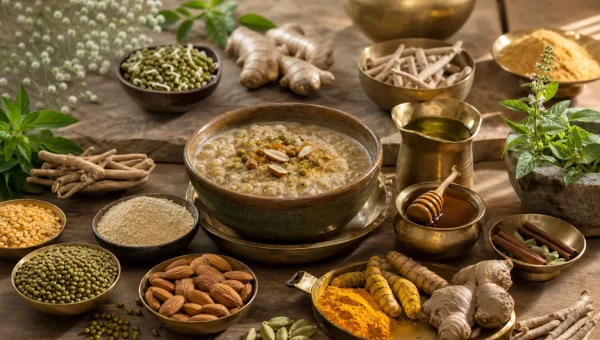
- Favor moong dal, thin dal soups, rasam, vegetable soups, and khichdi.
- Use small amounts of ghee to add snigdha quality without making the meal heavy.
- Season food with ginger, cumin, ajwain, hing, and similar digestive spices in modest amounts.
- Use sour and salty tastes carefully, especially on cold and windy rainy days, unless restricted for health reasons.
- Drink warm water or warm herbal infusions instead of chilled drinks.
- Keep dinner lighter than lunch and avoid eating very late at night.
- Avoid leftover food, uncooked salads, cold curd at night, ice cream, and fried street food.
The 7-Day Varsha Ritu Meal Plan
This meal plan keeps the article’s focus on practical monsoon agni support. It is vegetarian, home-style, and built around warm grains, dals, cooked vegetables, thin soups, digestive spices, and simple beverages. Adjust portion size, spice intensity, salt, sourness, and dairy according to your constitution, appetite, age, and medical needs.
Day 1
Begin the week with familiar, light foods that are easy to cook and easy to digest. Keep the spices gentle but consistent so that agni is supported from breakfast onward.
Breakfast: Ginger-cumin poha cooked with curry leaves, a little ghee, roasted cumin, and a small amount of peanuts if they suit your digestion. Sip warm cumin water.
Lunch: Aged rice with thin moong or toor dal tempered with hing and cumin, plus bottle gourd or drumstick sabzi cooked with ginger. Add a small spoon of ghee over the rice or dal.
Afternoon: Ajwain-infused warm water made by simmering a small pinch to 1/4 teaspoon ajwain in water and sipping it warm.
Dinner: Moong dal soup with ginger, cumin, hing, and ghee. Serve with a small portion of rice or one soft phulka.
Day 2
Use warm, soft foods on the second day and include a lunch beverage only if buttermilk suits your digestion. Keep buttermilk thin, freshly prepared, spiced, and never cold.
Breakfast: Soft rava upma made with ghee, ginger, cumin, curry leaves, and well-cooked vegetables such as carrot or bottle gourd. Sip warm fennel-cumin water.
Lunch: Soft wheat phulka or old rice with ridge gourd sabzi, masoor dal tempered with hing, and thin spiced takra at lunch if suitable.
Afternoon: Warm dry ginger water in a mild strength, or plain warm water if the body feels heated.
Dinner: Vegetable khichdi made with rice, split moong dal, bottle gourd, and a small amount of ghee. Add lime only if sour taste suits you.
Day 3
This day keeps lunch nourishing and dinner very light. Rasam-style preparations are helpful in the monsoon because they are warm, thin, spiced, and usually easier to digest than dense meals.
Breakfast: Soft semolina upma with ginger, cumin, curry leaves, black pepper in a very small amount, and well-cooked carrots. Drink warm water after the meal.
Lunch: Old rice with snake gourd or bottle gourd sabzi, thin sambar or dal soup tempered with hing, and a small spoon of plain ghee.
Afternoon: A small handful of dry-roasted chana or puffed rice with roasted cumin and rock salt, followed by warm water.
Dinner: Clear rasam made with cumin, pepper in small quantity, ginger or garlic if suitable, and a small serving of rice.
Day 4
Day four uses moong and cooked vegetables to keep the plan light. Avoid raw chutneys if hygiene is uncertain; when using chutney, prepare it fresh and keep it mild.
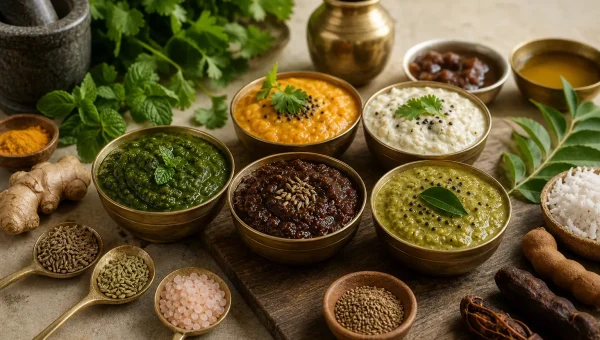
Breakfast: Moong dal cheela cooked with ghee, cumin, ginger, and hing. Serve with a small amount of freshly prepared mint-coriander chutney without curd.
Lunch: Soft wheat phulka or old rice with bhindi sabzi cooked with cumin, a thin arhar or moong dal, and a small amount of fresh lime if suitable.
Afternoon: Puffed rice lightly warmed with ghee, cumin, curry leaves, and a pinch of rock salt.
Dinner: Bottle gourd soup blended smooth with ginger, cumin, and a small spoon of ghee. Serve with one small soft phulka if needed.
Day 5
This day keeps the digestive load moderate and avoids making sabudana or peanuts too heavy. Use smaller portions at breakfast and keep dinner simple.
Breakfast: Light sabudana khichdi with cumin, curry leaves, ginger, and a modest amount of peanuts. Sip warm ajwain water.
Lunch: Old rice with ivy gourd or pointed gourd sabzi, moong dal tempered with hing and cumin, and thin spiced takra at lunch if it suits you.
Afternoon: Warm water or mild cumin water. If hunger is strong, take a small portion of roasted chana.
Dinner: Thin moong khichdi with ghee, ginger, cumin, and hing. Keep the texture soft and slightly soupy.
Day 6
Day six uses steamed and soupy preparations. Steaming, boiling, and gentle tempering are better choices than deep frying during a season when agni needs protection.
Breakfast: Rava idli served warm with thin, freshly prepared sambar. Keep the sambar well cooked and not overly sour.
Lunch: Old rice or parboiled rice with parwal sabzi, masoor dal with cumin and hing, and a small spoon of ghee.
Afternoon: Roasted gram with a pinch of rock salt and dry ginger powder, followed by warm water.
Dinner: Tomato-cumin rasam or clear vegetable soup with a small serving of rice. Keep the meal light, warm, and early.
Day 7
The final day returns to very simple foods so the body does not feel overloaded by the end of the week. This is also a good template for any rainy day when appetite is low.
Breakfast: Savory oats or broken wheat cooked with ghee, cumin, ginger, turmeric, curry leaves, and steamed carrots. Avoid cold sweet oats with milk during sluggish digestion.
Lunch: Old rice with bitter gourd sabzi in a small portion, thin chana dal or moong dal, and a fresh ginger-lime-rock salt side in a very small amount if it suits your stomach.
Afternoon: Warm turmeric milk only if milk suits your digestion; otherwise take warm cumin water.
Dinner: Moong dal soup with ghee, cumin, hing, and fresh coriander. Keep it simple, warm, and soupy.
Monsoon Spice Protocol: Daily Agni Kindlers
Spices should be used as culinary support, not as a substitute for medical care. The amounts below are modest household ranges, with classical pharmacopoeial dose ranges noted where available. People with acidity, ulcers, pregnancy, bleeding disorders, medication use, or chronic disease should use medicinal doses only under qualified guidance.
| Spice | Practical Daily Use | How to Use | Ayurvedic Action |
|---|---|---|---|
| Sunthi (dry ginger) | Small pinch to 1/2 teaspoon in food or drink; classical powder dose listed as 1-2 g | Use in dal, tea, warm water, khichdi, and soups | Dipana, pachana, anulomana, and vata-kapha pacifying |
| Svetajiraka (cumin) | 1/2-1 teaspoon through the day; classical powder dose listed as 1-3 g | Use in tempering, takra, rice, dal, and warm cumin water | Dipana, pachana, grahi, rucya, and kapha-vata pacifying |
| Yavani (ajwain) | Small pinch to 1/4 teaspoon for routine use; larger medicinal use needs guidance | Use in warm water, dal, vegetable dishes, and soft rotis | Dipana, pachana, anulomana, shulahara, and rucya |
| Hingu (asafoetida) | A tiny pinch in cooked food; classical dose listed as 125-500 mg | Use in dal tempering, khichdi, sabzi, and soups | Dipana, pachana, anulomana, rucya, and vata-kapha pacifying |
The Pre-Meal Agni Appetizer
A simple monsoon appetizer can be made with a very thin slice of fresh ginger, a few drops of lime, and a pinch of rock salt before lunch. Use it only when it feels pleasant and appetite is dull. Skip it during burning acidity, mouth ulcers, gastritis, salt restriction, high pitta symptoms, or when a healthcare provider has advised limiting pungent, sour, or salty foods.
This appetizer follows the same seasonal logic as the varsha diet: a small amount of pungent, sour, and salty taste before the main meal can prepare the palate for warm, cooked food. Keep the quantity small; the purpose is to kindle, not irritate.
Foods to Avoid During Monsoon
Because varsha is treated as a season of vulnerable agni, foods that are cold, stale, heavy, raw, or unhygienic should be reduced. The classical texts also caution against unsuitable water and habits such as day sleep and excessive exertion during the rainy season.
| Food Category | Specific Items to Avoid or Reduce | Ayurvedic Reason |
|---|---|---|
| Raw and cold foods | Raw salads, uncooked sprouts, cold fruit bowls, chilled leftovers | Cold and raw qualities are harder to digest when agni is low |
| Heavy foods | Large portions of paneer, cheese, heavy sweets, dense fried snacks | Guru and oily foods can burden sluggish digestion |
| Cold dairy | Ice cream, cold curd, cold lassi, refrigerated milk drinks | Cold dairy can feel heavy and may increase kapha-like sluggishness |
| Fried outside food | Pakoras, samosas, vada pav, chaat, and roadside batters during heavy rain | Heavy oil, stale preparation, and water-quality concerns make these poor monsoon choices |
| Stale food | Food cooked long before eating, repeatedly reheated meals, uncovered leftovers | Freshly cooked warm food is more suitable when agni needs support |
| Unsafe water | Untreated water, flood-affected water, and drinks made with doubtful ice | Varsha texts emphasize careful water use, and safe drinking water is essential |
Three Essential Monsoon Beverages
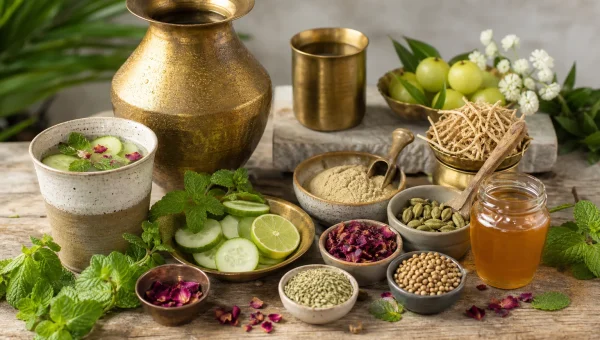
Monsoon drinks should be warm, fresh, and easy to digest. Avoid iced drinks and very heavy milk-based beverages when appetite is low. Add honey only to a drink that has cooled to comfortable drinking warmth, and avoid honey entirely if it is not suitable for you.
1. Dry Ginger-Cumin Water
This is a simple warm drink for days when appetite is low and the stomach feels heavy. Keep it mild, especially for pitta-prone people or anyone with acidity.
- Water: 2 cups
- Cumin seeds: 1/2 teaspoon
- Dry ginger powder: a small pinch
- Optional: a tiny pinch of rock salt if suitable
Simmer for 5 minutes, strain, and sip warm. Use once daily or as needed with meals rather than drinking it continuously all day.
2. Takra-Style Spiced Buttermilk
A thin, freshly churned buttermilk at lunch can be a practical household adaptation of the rainy-season recommendation to use curd-water or whey preparations with digestive spices. It should be fresh, thin, room-warm or mildly warm, and taken only when dairy suits you.
- Fresh curd: 1/4 cup
- Water: 3/4 to 1 cup
- Roasted cumin powder: 1/4 to 1/2 teaspoon
- Dry ginger powder: a small pinch
- Rock salt: a pinch
- Hing: a tiny pinch
Churn well, remove excess cream if present, add the spices, and take with or just after lunch. Avoid it at night, during active intolerance to dairy, or during any illness where your healthcare provider has restricted dairy.
3. Ajwain-Hing Digestive Water
This drink is useful as an occasional kitchen support when meals feel heavy or gas-prone foods have been eaten. Keep the amount small because ajwain and hing are sharp and heating.
- Water: 1 cup
- Ajwain: a small pinch to 1/4 teaspoon
- Hing: a tiny pinch
Simmer briefly, strain, and sip warm. Avoid frequent use if you have acidity, burning sensation, pregnancy-related restrictions, or a condition requiring professional dietary control.
Special Considerations for Different Doshas
The general monsoon pattern is vata aggravation with weak agni, but individual adjustment still matters. Use these as broad prakriti-based refinements, not rigid rules.
- Vata types: favor warm, soft, slightly unctuous meals; use ghee modestly; keep meals regular; include cumin, hing, ajwain, and ginger in gentle amounts; avoid skipping meals and eating dry snacks as the main food.
- Pitta types: use heating spices carefully; rely more on cumin and small amounts of coriander or fennel; avoid excess sour, salt, chili, and very sharp preparations if there is burning, acidity, or loose stool tendency.
- Kapha types: keep portions moderate; favor soups, thin dals, old grains, and cooked vegetables; reduce sweets, cold dairy, and daytime sleep; use warm drinks and digestive spices in suitable amounts.
Handling Monsoon Digestive Upsets
Kitchen remedies are only for mild, familiar digestive discomfort. Monsoon diarrhea, vomiting, fever, blood in stool, dehydration, severe abdominal pain, or symptoms lasting more than a short period need medical attention, safe fluids, and appropriate care.
- Bloating and gas: sip warm water prepared with a small pinch of ajwain and hing, or take a light moong soup dinner instead of a full meal.
- Loss of appetite: take smaller meals, use thin khichdi or dal soup, and try a tiny ginger-lime-rock salt appetizer before lunch if suitable.
- Loose stools: prioritize clean fluids and medical guidance when needed; eat light foods such as soft rice gruel or thin moong soup if appetite allows.
- Nausea or heaviness: avoid fried food, cold dairy, and large portions; sip warm water or very mild ginger-cumin water if it suits you.
Planning Ahead: Your Monsoon Kitchen Prep List
A well-stocked monsoon kitchen makes it easier to choose warm, simple meals instead of fried snacks or stale leftovers. Keep ingredients that support quick khichdi, dal soup, rasam, and cooked vegetable meals.
- Old basmati rice, old shali rice, or other aged rice if available
- Old wheat, barley, or light grain options suitable for your household
- Yellow moong dal, whole moong, and masoor dal
- Fresh ginger and dry ginger powder
- Cumin seeds and roasted cumin powder
- Ajwain seeds
- Hing in a clean, dry container
- Good-quality ghee
- Rock salt, used modestly
- Seasonal gourds such as bottle gourd, ridge gourd, snake gourd, ash gourd, and pointed gourd
- Ingredients for rasam, thin dal, and vegetable soups
- A reliable method for boiling or purifying drinking water
With these ingredients and the meal plan above, the monsoon diet becomes steady and manageable: warm grains, thin dals, cooked vegetables, digestive spices, safe water, and light dinners. This is the essence of varsha ritu agni support.
Medical Disclaimer: This article provides dietary guidance based on Ayurvedic seasonal principles and is for educational purposes only. Consult a qualified Ayurvedic practitioner or healthcare provider before using medicinal doses of herbs or spices, changing diet for a medical condition, or managing persistent digestive symptoms. Diarrhea lasting more than a few days, blood in stool, high fever, dehydration, severe pain, repeated vomiting, pregnancy-related symptoms, or digestive upset in infants, elderly people, or medically fragile individuals requires prompt medical care.
been taking light foods for like 6 weeks and honestly sleep is better. never expected it to work this fast tbh
finally smthing useful abt agni
the decoction method for varsha ritu is a bit confusing, is there a simpler version
any1 tried agni here tell me
Yes, tried adjusting to the lighter monsoon meal plan described here last year. The switch to moong dal khichdi as the evening meal made the biggest difference for me. Digestion felt noticeably easier within about ten days.
For agni support during varsha ritu I found the ginger-ajwain combination mentioned in the article really useful, especially with meals that felt heavy. Takes some getting used to if you’re not accustomed to spicing your food that way.
been taking agni for like 6 weeks and honestly sleep is better. never expected it to work this fast tbh
about 8 weeks for me with agni before any visible change
Is there a seasonal consideration for monsoon diet? I read elsewhere that some adaptogens should be paused in summer.
Thanks!
tried the digestive fire recipe from section 3 last week, tasted awful but felt lighter the next morning lol
the decoction method for digestive fire is a bit confusing, is there a simpler version
Sure, the basic idea is just simmering the herbs in water until it reduces by half — no need for exact temperatures or anything fancy. I do it on low flame for about 20 minutes each morning before breakfast. Took a few tries to get the consistency right but it’s pretty forgiving.
Six weeks is actually about what I hear from most people. Did you make any changes to your meals at the same time, or was it the varsha ritu protocol on its own? Wondering how much the light-food adjustments contributed versus the herbs alone.
My grandmother used agni for decades. Reading the science behind it here connects the dots for me in a satisfying way.
I asked my vaidya the same question about light foods. He said constitution matters more than standard dose.
The breakdown of why humidity slows digestion really clicked for me, especially the bit about blood flow shifting to the skin.
dosage info not clear enuf
Can children use agni? The post covers adults but my 11-year-old has similar symptoms.
does brand matter for agni or is generic fine
Good point about light foods. The quality of the herb makes a huge difference in my experience.
the studies quoted for light foods are like 10 years old, anything more recent?
The explanation connecting monsoon diet with light foods in Ayurvedic theory here is cleaner than anything I found in the textbooks I have.
I tried monsoon diet for two months following a similar protocol and saw zero improvement. Not sure if dosage was wrong or the formulation matters that much.
tried the agni recipe from section 3 last week, tasted awful but felt lighter the next morning lol
Can children use varsha ritu? The post covers adults but my 11-year-old has similar symptoms.
i have high pitta, would the agni protocol here work or make things worse
High Pitta is a valid concern here. From what I understand the warming spices in the agni support protocol can aggravate Pitta if used in the same quantities. My vaidya suggested replacing the dry ginger with coriander and cutting the black pepper entirely during monsoon. Might be worth checking with a practitioner before diving in.
I never realized old basmati rice is considered lighter; now I’ll look for purana chawal at the store.
The section on agni dosage timing was something I had not seen explained this clearly before. Taking it 30 minutes before meals has made a real difference.
The article mentions starting agni on an empty stomach. Does this apply even when taking it in ghee form?
For the agni preparation described, does the water temperature affect the active compounds during the decoction process?
Good question actually. I asked someone who studied this and apparently keeping the water just below a rolling boil is important — a full aggressive boil can break down some of the volatile oils. The tradition of using earthen pots may also relate to heat distribution, not just ritual.
is light foods ok during pregnancy? asking for my wife who is in second trimester
Seeing the spice table with exact grams for sunthi and jeera helps me measure instead of guessing.
the studies quoted for agni are like 10 years old, anything more recent? 💯
@Michael Yeah the light foods timing thing confused me too. I do it before meals now based on another source.
way too vague about dosage for digestive fire. ‘2 to 3 capsules’ covers a huge range depending on body weight
Totally fair point. The article should really clarify whether it means per serving, per day, or adjusted for digestive strength. Even Ayurvedic texts say agni itself varies person to person, so a single range feels too broad without at least a starting guideline.
Six weeks sounds about right. What did your meals look like during that time — were you strictly following the varsha ritu light-food guidelines or more loosely? I ask because I was inconsistent the first time and felt the difference when I actually committed to the seasonal adjustments.
can you combine digestive fire with digestive fire or is that too much at once
Is monsoon diet safe to use alongside SSRIs? My psychiatrist has not cleared any supplements and I want to go in informed.
the decoction method for light foods is a bit confusing, is there a simpler version
same here, varsha ritu helped me but took longer than the article suggests
Just started the digestive fire protocol this week. A bit early to report results but the article gave me enough confidence to try it properly.
my aunt has been doing monsoon diet for years, finally understand why it actually helps after reading this
That’s lovely. Older family members often have this lived intuition about seasonal eating without the formal language for it. Did she do anything specific around the monsoon, like avoiding raw salads or switching to moong dal? Curious which parts your aunt focused on.
The article glosses over contraindications for monsoon diet. People on blood thinners really need to know this before starting.
That’s a really important flag and I’m glad you raised it. Blood thinners especially, since some of the digestive herbs here have mild anticoagulant properties. The article treating contraindications as an afterthought is a gap — anyone on medication should definitely run this past their doctor first, not just check the herb list themselves.
Good point about monsoon diet. The quality of the herb makes a huge difference in my experience.
I wonder if the ajwain water would help my kids who refuse their usual portions when the rain hits.
bought monsoon diet from a random brand and got no results. does quality vary that much between suppliers?
The recommendation to keep dinner light and finish by 7 PM fits my schedule better than eating late.
For the varsha ritu preparation described, does the water temperature affect the active compounds during the decoction process?
My practitioner said the same thing about monsoon diet. Results vary by individual constitution.
Does the quality of monsoon diet source matter significantly? Organic vs non-organic makes a big cost difference where I live.
bought digestive fire from a random brand and got no results. does quality vary that much between suppliers?
The monsoon season is actually the hardest time for my digestion too — this article finally put into words why. The bit about agni naturally weakening during varsha ritu because of the humidity shift made so much sense. I’ve been blaming stress all these years when it was probably just the season.
I appreciate that the plan avoids raw salads and cold yogurt, which I’ve always felt heavy in monsoon.
The claim about varsha ritu reducing inflammation in two weeks seems optimistic. My experience was more like four months before any noticeable change.
Quick question: is the digestive fire dose mentioned here for KSM-66 extract or full-spectrum powder? The potency difference is significant.
hw mny wks 4 varsha ritu 2 work
For the monsoon diet preparation described, does the water temperature affect the active compounds during the decoction process?
gr8 info on monsoon diet thanku
does brand matter for digestive fire or is generic fine
Honestly for classical formulations like the ones in this article, I’d lean toward a brand that specifies the herb ratios and sources. Generic versions often skip quality testing on the guggulu base, which affects how well the digestive formula actually works. But even a reputable brand won’t substitute for following the diet recommendations alongside it.
Using hing as a pinch per meal seems like a small change that could reduce bloating.
My grandmother used digestive fire for decades. Reading the science behind it here connects the dots for me in a satisfying way. धन्यवाद
yeah light foods quality is huge. local brand didnt work, switched to a standardized extract and different story ❤️
where r the studies for monsoon diet tho
way too vague about dosage for agni. ‘2 to 3 capsules’ covers a huge range depending on body weight
The monsoon kadha recipe with tulsi and jaggery looks like a comforting drink for chilly evenings.
how long do u need to take varsha ritu before results show? been 3 weeks, nothing yet
I tried the moong dal soup with julienned ginger and ghee last night and felt less heaviness than usual.
anyone here tried monsoon diet for the specific issue in the article? what was your experience
The advice to avoid fried street food because of reused oil makes me think twice about those pakora cravings.
That’s a fair concern. I found varsha ritu worked better when I also adjusted my diet simultaneously.
Quick question: is the agni dose mentioned here for KSM-66 extract or full-spectrum powder? The potency difference is significant.
I asked my rheumatologist about varsha ritu and he was dismissive, citing no RCT data. Would love to know which studies this article draws from.
Would have appreciated actual study citations for the digestive fire claims. The references section is thin for something presented as clinical fact.
Same experience with agni here. Took me about 6 weeks to notice real change.
For pitta types, leaning on coriander and fennel instead of extra black pepper seems like a smart tweak.
monsoon meal plans should include what to avoid too, because pakoras win every rainy evening
yeah digestive fire quality is huge. local brand didnt work, switched to a standardized extract and different story
Storing dry ginger powder and aged ghee before the rains start is a practical prep step I hadn’t considered.
The section on monsoon diet dosage timing was something I had not seen explained this clearly before. Taking it 30 minutes before meals has made a real difference.
Is there a seasonal consideration for digestive fire? I read elsewhere that some adaptogens should be paused in summer.
That’s a really relevant point for this particular protocol. Monsoon is actually the season where agni support is most commonly prescribed in classical texts, so the timing here seems intentional. The concern about summer makes more sense for heating adaptogens — the herbs in this varsha ritu plan are mostly designed to be gentle rather than stimulating.
my vaidya suggested monsoon diet but never explained the why. this article fills that gap 🙏
i have pitta excess and monsoon diet worked fine for me, but started at lower dose
My practitioner said the same thing about digestive fire. Results vary by individual constitution.
these ayurvedic treatments take so long to work. western medicine might be faster for acute issues ✨
That’s fair for acute issues, I get it. But the monsoon digestive stuff in this article is more about prevention and gentle support during a seasonal transition — it’s not really competing with acute care. The light-food approach especially is something you can do alongside whatever else you’re doing. ✨
The suggestion to sip warm CCF tea throughout the day feels easy to integrate into work breaks.
Is there a seasonal consideration for varsha ritu? I read elsewhere that some adaptogens should be paused in summer.
Not sure I agree on varsha ritu being suitable for Vata-Pitta. My experience was different.
What was different for you? I’m curious whether it was the specific herbs or more about how the varsha ritu protocol interacts with Vata-Pitta. My experience with dual doshas is that the approach needs more customizing than a single plan can offer. 💯
Learning that accumulated vata from summer gets aggravated by the sudden coolness explains why my digestion feels off as soon as the rains begin.
does brand matter for light foods or is generic fine 🌿
about 8 weeks for me with light foods before any visible change
Does the quality of light foods source matter significantly? Organic vs non-organic makes a big cost difference where I live.
The pre meal ginger lime rock salt appetizer sounds like a quick way to awaken agni before each main meal.
my vaidya suggested digestive fire but never explained the why. this article fills that gap 🙏
hw mny wks 4 light foods 2 work
Same experience with light foods here. Took me about 6 weeks to notice real change.
I asked my rheumatologist about agni and he was dismissive, citing no RCT data. Would love to know which studies this article draws from.
didnt work for me varsha ritu waste of money tbh
i have high pitta, would the light foods protocol here work or make things worse
my practitioner told me something different about digestive fire. this article contradicts what i was told ❤️
same here, digestive fire helped me but took longer than the article suggests
how long do u need to take light foods before results show? been 3 weeks, nothing yet
anyone here tried digestive fire for the specific issue in the article? what was your experience
How long does it typically take before the monsoon diet effects become measurable in blood markers? My next labs are in three months.
can you combine monsoon diet with monsoon diet or is that too much at once