
Why Inhalers Are Not Enough: The Kapha Accumulation Behind Chronic Asthma
In clinical Ayurvedic practice, many individuals with chronic asthma present after already using bronchodilators and inhaled corticosteroids. These modern interventions are effective for acute bronchospasm and airway inflammation control, yet some patients continue to experience recurrent seasonal exacerbations, exertional breathlessness, and a persistent sense of heaviness in the chest.
From an Ayurvedic perspective, this residual pattern is associated with aggravated kapha dosha accumulating in the pranavaha srotas (respiratory channels). Classical Ayurvedic texts describe tamaka shwasa as a disorder in which vitiated kapha obstructs the normal movement of vata (prana vayu), leading to wheezing, dyspnea, and episodic coughing. When managed only at the symptomatic level, it tends to recur, while deeper management focuses on dosha elimination and channel cleansing through shodhana therapies.
Among these therapies, vamana karma (therapeutic emesis) is traditionally indicated for kapha-dominant conditions situated above the clavicular region. It is a structured, physician-supervised detoxification procedure designed to mobilize and eliminate excess kapha from the upper gastrointestinal and respiratory systems when appropriately prepared and administered.
Patient Assessment: Who Qualifies for Vamana in Chronic Asthma
Not all asthma patients are suitable candidates for vamana. Classical Ayurvedic assessment emphasizes individualized evaluation based on doshic predominance, physical strength, digestive capacity, and overall resilience.
Vamana is generally considered more appropriate in kapha-dominant presentations—such as symptoms worsened by cold, damp weather, morning congestion, or heavy and sweet foods. In contrast, vata-dominant patterns, often triggered by stress, anxiety, or irregular sleep, are typically managed with alternative approaches such as basti therapy.
Patient suitability also depends on bala (strength), including physical constitution, digestive capacity (agni), and mental stability. Very weak individuals, children, elderly patients, pregnant women, and those with significant systemic illness are generally not considered suitable for intensive shodhana procedures.
Contraindications include severe debility, active gastrointestinal ulcers, uncontrolled systemic disease, and acute medical instability. Careful clinical screening is essential before any purification procedure is undertaken.
| Assessment Parameter | More Suitable | Less Suitable / Contraindicated |
|---|---|---|
| Predominant Dosha | Kapha or Kapha-Pitta | Vata-predominant asthma |
| Trigger Pattern | Cold, damp weather, heaviness after food | Stress-driven or purely neurogenic triggers |
| Physical Strength | Moderate to strong constitution | Severely debilitated individuals |
| Age Group | Adults with adequate strength | Very young, elderly, or frail patients |
| Digestive Capacity | Stable or slow digestion with kapha signs | Unstable digestion with acute gastric disease |
| Mental State | Cooperative and stable | Severe anxiety or inability to tolerate procedure |
Purva Karma: The Preparation Phase (7–10 Days)
Proper preparation is essential before vamana. Inadequate preparation can reduce effectiveness and increase discomfort. The preparatory phase focuses on digestive activation, internal oleation, and external therapies that mobilize doshas toward the gastrointestinal tract.
Step 1: Deepana-Pachana (Initial Digestive Preparation)
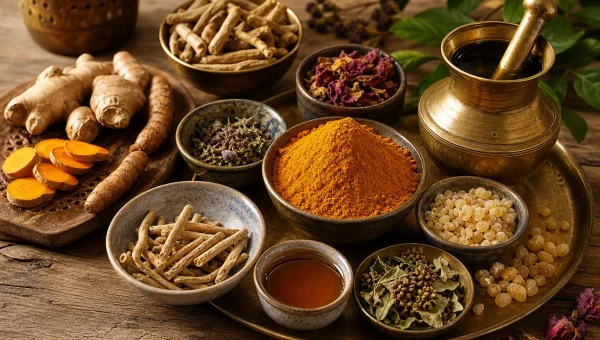
Digestive stimulation is commonly achieved using herbal combinations such as Trikatu (Piper longum, Piper nigrum, Zingiber officinale). These herbs are traditionally used to support digestive fire (agni) and reduce ama (metabolic residue). During this phase, a light, easily digestible diet is followed, avoiding heavy, oily, and cold foods.
Step 2: Snehapana (Internal Oleation)
Internal oleation using medicated or plain ghee is a key preparatory step. The dose is gradually increased over several days until classical signs of adequate oleation appear, such as softness of tissues, oiliness of stool, and reduced appetite for fatty substances.
Ayurvedic texts describe that sneha (unctuous substances) helps loosen accumulated doshas from deeper tissues and facilitates their movement toward the gastrointestinal tract, preparing them for elimination.
Step 3: Abhyanga and Swedana
Following oleation, external oil massage (abhyanga) and sudation therapy (swedana) are applied. These therapies help further mobilize doshas from peripheral tissues toward the central digestive tract, making them accessible for elimination during vamana.
Pradhana Karma: The Vamana Procedure
Vamana is typically performed in the morning during kapha time of day, when kapha naturally predominates in the body. The procedure is conducted in a controlled clinical environment under the supervision of a qualified practitioner.
Pre-Procedure Preparation
Prior to the procedure, kapha-aggravating foods may be used the previous evening to increase dosha availability in the stomach. On the day of the procedure, liquids are administered to prepare the stomach for controlled emesis.
Administration of Emetic Formulation
Classical emetic preparations often include herbs such as Madanaphala (Randia dumetorum), sometimes combined with supportive substances like honey and herbal decoctions. These formulations are selected based on individual constitution and clinical condition.
Madanaphala is traditionally regarded as one of the primary emetic agents in Ayurvedic literature due to its ability to induce controlled emesis under supervision.
Monitoring the Process
During vamana, the practitioner monitors the process carefully, including the number of emetic bouts, the quantity expelled, and qualitative changes in the expelled material. The procedure is concluded when appropriate therapeutic endpoints are achieved, such as lightness in the chest, clarity of breathing, and reduction of congestion.
Paschat Karma: Post-Vamana Recovery Protocol
After vamana, digestive capacity is temporarily reduced, requiring a carefully structured dietary progression known as samsarjana krama. This staged reintroduction of food helps restore agni gradually.
Samsarjana Krama (Graduated Diet)
| Day | Diet Stage | Description |
|---|---|---|
| Day 1 | Peya | Thin rice gruel with light seasoning |
| Day 2 | Vilepi | Thicker rice preparation with mild ghee |
| Day 3 | Yusha | Mung dal soup with light spices |
| Day 4+ | Gradual Normal Diet | Progressive return to regular light meals |
Post-Therapy Support
After completion of recovery diet, mild respiratory-supportive herbs such as Sitopaladi churna, Kantakari-based formulations, or turmeric may be used as part of ongoing care under supervision. These are traditionally used to support respiratory function and maintain post-procedural balance.
Clinical Outcomes: What Patients Can Expect
Clinical experience in Ayurvedic practice suggests that well-selected patients may experience reduced frequency and severity of respiratory symptoms following properly conducted vamana, especially when combined with dietary regulation and seasonal management.
Response varies depending on disease chronicity, constitution, environmental exposure, and adherence to post-therapy recommendations. Some individuals experience sustained improvement over months, while others may require periodic repetition as part of seasonal care.
Best outcomes are traditionally associated with administration during vasanta ritu (spring season), when kapha accumulation naturally increases in the body.
Integration with Conventional Asthma Management
Ayurvedic shodhana therapies are considered complementary approaches and should not replace essential medical treatment for asthma. Patients are advised to continue prescribed inhalers and medications unless directed otherwise by their primary physician.
Coordination between Ayurvedic practitioners and pulmonologists is important to ensure safety, particularly in moderate to severe asthma cases.
Seasonal and Long-Term Management After Vamana
Long-term management in Ayurveda emphasizes ritucharya (seasonal regimen) to prevent recurrence of kapha accumulation.
- Spring: Kapha-reducing purification therapies when appropriate under supervision.
- Monsoon: Careful diet and digestion support to prevent respiratory congestion.
- Winter: Nourishing, warming regimens to maintain respiratory strength.
- Summer: Light diet and hydration support to maintain digestive balance.
Regular seasonal regulation is considered important in preventing chronic accumulation of doshas associated with respiratory disorders.
Final Considerations for Patients and Practitioners
Vamana karma is a specialized Ayurvedic procedure that requires proper clinical setting, patient selection, and experienced supervision. It should never be attempted without qualified guidance.
Medical Disclaimer: This content is for educational purposes only. Vamana karma and other Panchakarma therapies must be performed only under the supervision of a qualified Ayurvedic physician. Individuals with asthma should continue their prescribed medical treatment and consult both their physician and a trained Ayurvedic practitioner before considering any additional therapies.
The pre-treatment oleation phase is what I found most involved. Three to seven days of internal ghee before the main procedure is a significant commitment. Did patients in the cases described manage this at home or was it supervised throughout? 💯
Fifteen years of inhaler dependence and this is the first time I have read a clear clinical argument for why the inhalers address the result but not the Kapha accumulation behind it. The seasonal recurrence pattern described here matches my own history almost exactly.
The framing around Kapha accumulation as the underlying driver makes the emesis approach feel more logical than it first sounds. My instinct was that Vamana was too harsh but if the root cause is chronic Kapha buildup that other interventions are not clearing, it starts to make sense as a targeted choice.
The contraindications list is important but I agree they deserve clearer hierarchy. Someone with uncontrolled hypertension or active respiratory infection reading this needs to see those warnings immediately, not after working through the full eligibility criteria.
The protocol description is thorough but I am wondering about the Samsarjana Krama dietary plan post-Vamana. How strictly does the graded re-feeding need to be followed and what happens if someone eats normally too soon after the emesis?
The section on Deepana-Pachana herbs before the main procedure was new to me. Is that preparatory phase adjustable based on how strong the Kapha imbalance is, or is it always the same regardless of severity?
My experience with Vamana for seasonal asthma was that the first round reduced the intensity of attacks but not entirely the frequency. The article’s note about needing follow-up Rasayana support afterward makes sense in hindsight — I skipped that part the first time.
The distinction between managing bronchospasm acutely and actually clearing the Kapha accumulation that causes the recurring pattern — that is the part this article explains better than anything I have read before. Changed how I think about my own treatment history.
Agree that the home preparation steps need more caution language. The Snehapana phase with increasing ghee doses can go wrong if someone pushes too fast and mistakes Ama symptoms for successful oleation. A supervised first course seems important before attempting this independently.
@Kiran good question. My practitioner said the daily Vamana preparation cycle has defined stopping points built into the assessment — you are not continuing indefinitely but watching for specific signs that indicate the Kapha is sufficiently mobilized. So duration is more about clinical markers than a fixed number of days. 🙌
The contraindications section here could use more emphasis. Cardiac conditions and active fever are mentioned but almost in passing — for a procedure as intense as Vamana I’d expect those to be front and center before someone reads the protocol steps.
Does the article’s three-day Snehapana leading into Vamana need to be done in a clinical setting or can the oleation phase happen at home? I’m in a small town with no Panchakarma centre nearby and my vaidya is only available on weekends.
I wonder if the morning timing really makes a difference for the emesis process compared to doing it later in the day.
Good explanation of the Kapha accumulation mechanism. I’d always assumed my seasonal asthma spikes were purely allergic, but the idea of Kapha building up over years in the upper respiratory tract makes sense with my pattern — always worse after winter, which is exactly what the post describes.
The point about inhalers targeting bronchospasm but leaving Kapha accumulation untouched really landed for me. My pulmonologist says my lung function is near normal between attacks yet I keep getting them — this framing at least offers a different explanation for why that happens.
Not sure that question has a simple answer since Vamana is specifically aimed at Kapha in the upper channels, which is a different target than most other Panchakarma. Worth asking your vaidya whether combining procedures dilutes the effect or actually supports it in your case.
Helpful.
Curious how the post-Vamana Samsarjana diet is managed for someone still on a maintenance inhaler. Is there any interaction concern with taking Salbutamol during the Paschat Karma period when digestion is being rebuilt?
The section on Purvakarma preparation is the most detailed I’ve seen for Vamana. Usually articles skip straight to the emesis day, but the explanation of why three days of internal oleation is needed before the procedure actually made the whole protocol make sense to me.
The three tier screening makes sense, especially checking strength before shodhana.
How many sessions of Vamana is realistic for someone with a fifteen-year asthma history? The article talks about the protocol in singular terms but I’m wondering whether one round actually shifts chronic Kapha or whether annual repetition is expected.
@Amy same here.
My asthma was considered ‘well-controlled’ on a combination inhaler for two years, then I had a bad winter and nothing worked. Went through Vamana last spring and the following winter was genuinely different — fewer night episodes and no emergency visits. Still on a low-dose inhaler but the baseline shifted.
Wanted to add a small note for anyone reading this later — the ‘mild’ and ‘moderate’ Vamana Vegas categories the article describes actually matter a lot in practice. My vaidya stopped my session after four Vegas and I felt good; a friend pushed to seven and was exhausted for two days. The article’s guidance on this is worth taking seriously.
The safety note in the article is fine for a clinic context but the step-by-step framing could give readers the impression this is something to attempt solo. Vamana specifically needs someone monitoring for Asamyak (insufficient) vs Atiyog (excessive) emesis — those aren’t calls a first-timer can make reliably on their own.
Does the ghee dose have to be increased every day, or can it stay flat if signs appear early?
The part about Vasanta Ritu being the optimal season for Vamana made me reconsider my timing. I’ve been asking my vaidya about this for months and kept hearing ‘not now’ — reading that spring is specifically when Kapha liquefies and becomes easiest to expel finally explains why the timing matters. 🙌
I tried a light diet before a cleanse once and felt noticeably lighter, so the prep phase seems crucial.
Seeing that only about two thirds cut inhaler use makes me think vamana works best as part of a broader plan.