
January often inspires cold cleanses, raw-food resets, fasting challenges, and abrupt lifestyle overhauls. Ayurveda points in a different direction for this month: winter is a time to protect warmth, keep digestion steady, nourish the tissues, and build strength without becoming heavy or sluggish. In the Indian six-season model, January usually straddles the end of Hemanta Ritu and the beginning of Shishira Ritu, so the practical emphasis remains warm food, unctuousness, stable routine, adequate rest, and sensible movement.
January in the Ayurvedic Seasonal Calendar
Ayurveda divides the year into six ritus, or seasons. Hemanta is early winter, placed approximately from mid-November to mid-January, while Shishira is late winter, placed approximately from mid-January to mid-March. Shishira is described as colder and drier, yet the same basic winter regimen is continued. This makes January a bridge month: the body still benefits from the nourishing Hemanta pattern, while the increasing dryness of Shishira asks for extra attention to warmth, oil, protection from cold wind, and regular meals.
Classical ritucharya describes winter as a period when internal strength and appetite are strong, so very light food, under-eating, cold drinks, dry foods, and excessive exposure to cold are not ideal. The goal is not to suppress the season but to cooperate with it: eat enough, cook food well, use suitable fats, keep the body warm, exercise appropriately, and avoid habits that increase coldness, dryness, or stagnation.
What to Eat in January
January meals should be warm, cooked, satisfying, and easy to digest. Classical winter guidance favors foods dominated by sweet, sour, and salty tastes, along with unctuous preparations, milk and milk products, sugarcane products, rice, wheat, black gram, sesame, and suitable strengthening foods. People with sluggish digestion, heaviness, high Kapha, or a medical condition should individualize these choices with a qualified practitioner.
| Category | Recommended Foods | Ayurvedic Purpose |
|---|---|---|
| Grains | Rice, wheat, warm wheat preparations, corn, warm porridges | Steady nourishment and support for winter appetite |
| Legumes | Black gram in moderation, well-cooked pulse soups, gram-flour preparations | Strength-building when digestion is strong; lighter pulses when digestion is sensitive |
| Vegetables | Cooked carrots, radish, yam, onion, garlic, leafy greens such as fenugreek or spinach | Warm, cooked support without the coldness of raw salads |
| Dairy | Warm milk, ghee, fresh curd used appropriately, fresh paneer when suitable | Unctuous nourishment and tissue support in cold weather |
| Fats | Ghee, sesame oil, and other suitable cooking fats used moderately | Counteracts dryness and supports winter strength |
| Proteins | Strengthening vegetarian foods and, for those who eat them, well-cooked meat soups | Balya-style nourishment for people with strong digestion |
| Sweeteners | Jaggery and other sugarcane products; honey only unheated and in small amounts | Winter-compatible sweetness without cooking honey |
The January Herb Stack
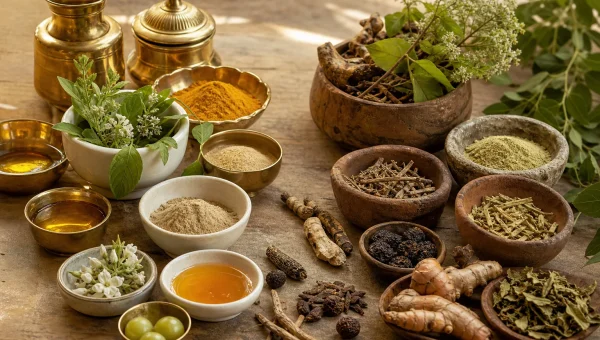
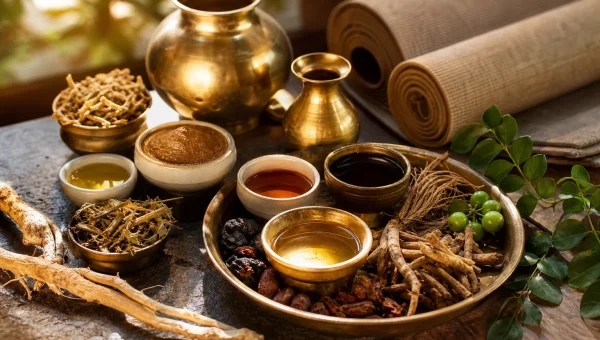
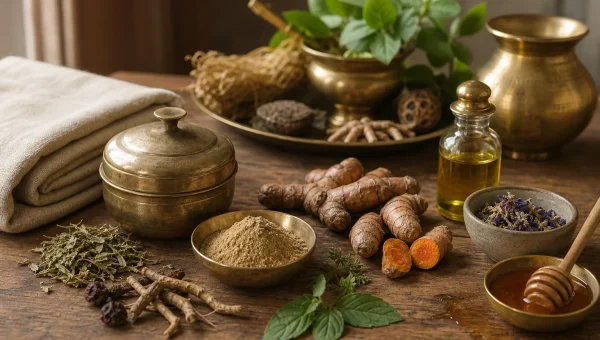
The best January herb plan is not a large, self-prescribed stack. It is a small, appropriate selection based on constitution, digestion, age, strength, sleep, medications, and current health. The following herbs fit the winter themes of nourishment, agni support, rasayana, and strength when used correctly.
Ashwagandha (Withania somnifera) is listed in the Ayurvedic Pharmacopoeia of India as rasayana, balya, vajikarana, and Vata-Kapha pacifying. Its root is the used part, and the pharmacopoeial powder dose is 3–6 g. In January, it is best suited to people who need strength, steadiness, and restoration, especially when digestion can handle a nourishing herb.
Suggested traditional use: Ashwagandha powder may be taken in warm milk or another suitable vehicle when advised by a practitioner. Avoid casual use during pregnancy, acute illness, or when taking sedatives, thyroid medication, immune-modulating medication, or other prescriptions unless a healthcare provider approves it.
Shatavari (Asparagus racemosus) is described as madhura and tikta in taste, guru and snigdha in quality, shita in potency, madhura in post-digestive effect, and as balya, rasayana, vrishya, stanyakara, and Kaphavataghna. Because it is cooling and nourishing, it is more suitable for dryness, depletion, and Pitta-type heat than for people who already feel heavy, congested, or very sluggish.
Suggested traditional use: The pharmacopoeial powder dose is 3–6 g, but the correct vehicle and timing should be individualized, especially during pregnancy, lactation, hormone-sensitive conditions, or prescription medicine use.
Guduchi or Giloy (Tinospora cordifolia) is described as tikta and kashaya in taste, laghu in quality, ushna in potency, madhura in post-digestive effect, and as dipana, rasayana, balya, tridoshashamaka, rakta-shodhaka, and jvaraghna. In a winter routine, it is useful when a person needs digestive support and lightness without relying only on very sharp heating spices.
Suggested traditional use: The pharmacopoeial dose is 3–6 g of powder or 20–30 g for decoction preparation. People with chronic disease, autoimmune conditions, liver concerns, pregnancy, or ongoing medication should use it only with professional guidance.
Pippali (Piper longum) is listed as dipana, kaphahara, vatahara, rucya, rasayana, and vrishya. It is especially relevant when winter coldness is accompanied by low appetite, Kapha-type heaviness, or respiratory congestion. The Ayurvedic Pharmacopoeia of India lists pippali as having anusna virya, so it should not be described simply as a hot herb in the same way as very heating spices.
Suggested traditional use: The pharmacopoeial powder dose is 1–3 g. Pippali should be used carefully, usually for a defined period, and avoided without supervision in pregnancy, gastritis, bleeding tendency, high heat conditions, or when medications may interact.
Vidari Kanda (Pueraria tuberosa) is described as madhura in taste, guru and snigdha in quality, shita in potency, madhura in post-digestive effect, and as balya, rasayana, brihaniya, jivaniya, shukrala, vatahara, and stanyada. It belongs more to the nourishing and building side of the January routine, especially when dryness and depletion are prominent.
Suggested traditional use: The pharmacopoeial powder dose is 3–6 g. Because Vidari is heavy and nourishing, it may not suit people with weak digestion, marked Kapha accumulation, obesity-related concerns, or uncontrolled metabolic disease unless guided by a practitioner.
January Exercise Guidance
Winter is a better season for stronger exercise than the hot or rainy months because strength and appetite are supported by the season. January exercise should create warmth, circulation, and steadiness without exhausting the body. Strength training, brisk walking in daylight, mobility work, and warming yoga are all more appropriate than a sudden punishment-style fitness routine.
Exercise is best done after the body has warmed up and before the heaviest meal of the day. Abhyanga, warm bathing, warm clothing, and sun exposure all fit the winter pattern. Avoid harsh outdoor exertion in severe cold wind, cold-water immersion without proper preparation, and fasting-based workouts when they leave the body depleted, shaky, or chilled.
January Sleep and Rest Protocols
January rest should be regular, warm, and grounding. Ayurveda advises avoiding late nights in Shishira, and classical winter guidance also discourages habits that increase coldness, dryness, and heaviness. A practical January rhythm is to sleep early enough to wake before the heavy Kapha part of the morning, while still allowing adequate rest.
Sesame oil on the feet, a warm bath, warm bedding, dim evening light, and a simple cup of warm milk with suitable spices can support a calmer night routine. Avoid making the evening routine too heavy: very late dinners, excess screens, alcohol, cold desserts, and sleeping far into the morning can leave the body dull and congested.
What to Avoid in January
The main January mistakes are habits that are too cold, too dry, too depleting, or too stagnant. A winter routine should preserve agni and strength while preventing Kapha heaviness from settling in.
| Avoid This | Ayurvedic Reason | Better Alternative |
|---|---|---|
| Raw salads and cold foods as the main meal | They are too cold and light for winter digestion | Warm soups, stews, and cooked vegetables |
| Aggressive January detoxes | Under-eating and excessive cleansing oppose the winter building pattern | Regular meals with warm water and simple digestive spices |
| Cold beverages and ice water | Cold drinks are specifically discouraged in the winter regimen | Warm water, ginger water, or mild spice tea |
| Dry, very light meals | Dryness and underfeeding aggravate winter depletion | Cooked grains, ghee, sesame, and warm sauces used appropriately |
| Sleeping late into the morning | It encourages heaviness and dullness | Earlier bedtime and steady waking time |
| Long exposure to cold wind | Cold wind increases dryness and discomfort | Warm clothing, covered ears and neck, and protected outdoor time |
The January Ritual Stack
A practical January ritual stack can be simple: daily or near-daily abhyanga with sesame oil when suitable, warm bathing, warm clothes, head and foot oiling when dryness or restlessness is present, moderate powder massage when heaviness is present, and daylight exposure when available. These practices help the body stay warm, oiled, and active rather than cold, dry, and stagnant.
Udvartana, or powder massage, is best used selectively. It can be helpful for Kapha-type heaviness, but people with very dry skin, Vata aggravation, eczema, acute illness, or weakness should not overuse it. Abhyanga is generally the safer January foundation, while powder massage is a periodic counterbalance when the body feels heavy or sluggish.
CCF Tea: The January Foundation Drink
Cumin-coriander-fennel tea is a gentle warm drink for January, especially when meals are richer and the body needs a simple digestive beverage between meals. Prepare it by simmering 1/4 teaspoon each of cumin seed, coriander seed, and fennel seed in about two cups of water for 8–10 minutes, then drink it warm. Keep it mild rather than overly spicy; the purpose is steady warmth, not aggressive stimulation.
Cumin is listed in the Ayurvedic Pharmacopoeia of India as dipana, pachana, rucya, and Kaphavatahara, while coriander is listed as dipana, pachana, grahi, hridya, tridoshanut, and mutrala. This makes the cumin-coriander base especially suitable as a light kitchen support when January food becomes heavier than usual.
Safety note: Seasonal diet, herbs, oil massage, and cleansing practices should be individualized. Consult a qualified Ayurvedic practitioner or healthcare provider before using herbs, taking supplements, changing medicines, attempting panchakarma, treating a child, or starting a new routine during pregnancy, breastfeeding, chronic illness, fever, acute infection, or prescription medication use.
Actionable tip: For one week, replace one cold drink or second coffee with a warm cup of mild CCF tea after lunch. Observe appetite, bloating, warmth, sleep, and bowel regularity. Continue only if it feels supportive; reduce or stop it if it causes acidity, dryness, discomfort, or excessive heat.
References
- Charaka Samhita — Ritucharya
- Studies on the physicochemical characteristics of heated honey, honey mixed with ghee and their food consumption pattern by rats (2010), PubMed Central
- Ayurvedic Pharmacopoeia of India
- Ayurvedic Pharmacopoeia of India
- Ayurvedic Pharmacopoeia of India
- Hopkinsmedicine (hopkinsmedicine.org)
- Betterhealth (betterhealth.vic.gov.au)

The January detox case is embarrassingly familiar. I did exactly this in 2022, a raw food and cold smoothie cleanse in mid-January, and was sick with a respiratory infection within two weeks. My Ayurveda teacher said the same thing you describe here: I was fighting the season.
What does the Hemanta Ritu diet look like in practice for someone living in a warm climate where January doesn’t feel like winter? The seasonal principles seem calibrated for Northern Indian or European climates.
The New Year cleanse industry is a January phenomenon because that’s when people feel guilty about holiday eating. Ayurveda would say that’s exactly the wrong moment, you’ve just done the building you were supposed to do and now is the time to complete it, not undo it.
What’s the transition protocol from Hemanta into the spring season? I’m looking for guidance on when and how to shift from building practices to the more lightening approach that spring requires.
The Monthly section feels grounded enough to try carefully. This would be easier to follow with a one-week sample plan.
The Monthly section feels grounded enough to try carefully. The safety notes could be expanded a little.
I tried the CCF tea swap yesterday and already feel less bloated after lunch.
What’s the Ayurvedic position on alcohol in January? The holiday season drinking that precedes January usually leaves the liver under some stress. Is alcohol the one thing you should reduce even in the building season?
I appreciate that this is season-specific guidance rather than generic Ayurvedic advice. The seasonal framework is what makes the system coherent. Without it, you just get a static list of good and bad foods that doesn’t account for how the body’s needs change.
used January guide for the first time this year. energy levels in Feb were the best they’ve been in years. continuing with Feb guide now 522
list of things to avoid is longer than list of things to do. more positive framing would be motivating 474
The advice about heavier grains in January makes sense when you think about needing warmth.
The Agni being strongest in winter is counterintuitive to most people who assume their digestion should be lighter in winter because they’re less active. Understanding that higher metabolic demand in cold requires stronger digestive fire changes the whole dietary logic.
Does anyone have experience using Vidari Kanda powder in warm milk at night?
I’d challenge the universal applicability here. Kapha-dominant types may genuinely benefit from some lightening even in winter because their natural tendency toward accumulation means winter building practices can push them into excess. The protocol isn’t one-size-fits-all.
I appreciate the reminder to avoid raw salads this month; I usually crave them.
The two seasonal frameworks for winter being separate preparation periods that build toward spring health is the piece most people don’t understand. They treat winter as health maintenance mode. It’s actually a critical building opportunity.
The article treats January climate as uniform across India, which it isn’t. South India experiences different January conditions than North India, and the protocol needs regional adaptation notes.
The sleep extension recommendation in January, allowing 7.5 to 8 hours versus 6.5 in summer, aligns with chronobiological research on winter circadian patterns and is appropriate seasonal guidance.
The Vata-Kapha transition in January is well-described. The shift from peak Vata of December to early Kapha accumulation in January is clinically noticeable and the dietary bridging approach makes sense.
the Tilgul (sesame-jaggery) recommendation for Makar Sankranti ties the festival food directly to the seasonal therapeutic need. that’s beautiful and practical
the January recommended foods list includes sesame in several forms, is there a limit to how much sesame is safe daily Found this through a search.
The sleep extension recommendation in January, allowing 7.5 to 8 hours versus 6.5 in summer, aligns with chronobiological research on winter circadian patterns and is appropriate seasonal guidance. 800
Is the Triphala use in January at the same dose as other months, or is there a seasonal adjustment recommended in classical texts for winter use?
The Abhyanga frequency increase to daily in January versus alternate days in summer is a classical seasonal adjustment that most modern guides don’t specify.
The Monthly angle is useful here. The practical details matter more than people think.
started following the January protocol this year. the Trikatu + ginger before meals for the cold-season digestion has genuinely helped with the sluggishness I always get in January
The Monthly angle is useful here. I would still ask a practitioner before changing medicines.
is the 5am wake-up recommendation actually necessary or can it be adjusted for people who work late shifts
The monthly guide format works well for steady-state living but doesn’t address the significant lifestyle disruption of January in India, post-wedding season, family gatherings, and New Year dietary excess recovery.
The suggestion to do abhyanga before workouts seems like a practical way to keep Vata balanced.
the festival foods section is unrealistically restrictive for most Indian families. more realistic compromise guidance would be useful
list of things to avoid is longer than list of things to do. more positive framing would be motivating
the January recommended foods list includes sesame in several forms, is there a limit to how much sesame is safe daily
the cold water avoidance recommendation, does that include cold filtered water in the morning or specifically ice water
the skin care section for January cold, is sesame oil best or does it depend on skin type
The Monthly angle is useful here. I would like to know how long to try it before judging results.
The recommendation for warming Pranayama (Bhastrika, Kapalabhati) specifically in January to counter cold-season Kapha accumulation is well-timed for the season.
used January guide for the first time this year. energy levels in Feb were the best they’ve been in years. continuing with Feb guide now
started following the January protocol this year. the Trikatu + ginger before meals for the cold-season digestion has genuinely helped with the sluggishness I always get in January 732
the skin care section for January cold, is sesame oil best or does it depend on skin type 779
the festival foods section is unrealistically restrictive for most Indian families. more realistic compromise guidance would be useful 934
Good reminder on Monthly. The article avoids making it sound like a quick fix.
Wondering if the recommended sleep window of 6:30 a.m. wake up works for night shift workers.
The monthly guide format works well for steady-state living but doesn’t address the significant lifestyle disruption of January in India, post-wedding season, family gatherings, and New Year dietary excess recovery. 423
the cold water avoidance recommendation, does that include cold filtered water in the morning or specifically ice water 960
The note about Giloy preventing Kapha accumulation caught my eye.
Has anyone tried the ashwagandha dosage with ghee and cinnamon before bed?
The idea of vigorous exercise in winter feels surprising yet intriguing.
is the 5am wake-up recommendation actually necessary or can it be adjusted for people who work late shifts 707
Is the Triphala use in January at the same dose as other months, or is there a seasonal adjustment recommended in classical texts for winter use? 125
The article treats January climate as uniform across India, which it isn’t. South India experiences different January conditions than North India, and the protocol needs regional adaptation notes. 774
The article’s warning against aggressive January detoxes resonates with my own past exhaustion.
The recommendation for warming Pranayama (Bhastrika, Kapalabhati) specifically in January to counter cold-season Kapha accumulation is well-timed for the season. 359
Pippali as a bioenhancer sounds useful for making other herbs more effective.
The Vata-Kapha transition in January is well-described. The shift from peak Vata of December to early Kapha accumulation in January is clinically noticeable and the dietary bridging approach makes sense. 512
I came for Monthly and this answered the main question. A few more examples would still help.
the Tilgul (sesame-jaggery) recommendation for Makar Sankranti ties the festival food directly to the seasonal therapeutic need. that’s beautiful and practical 599
I came for Monthly and this answered the main question. Small daily changes are easier to follow than a perfect plan.
The Abhyanga frequency increase to daily in January versus alternate days in summer is a classical seasonal adjustment that most modern guides don’t specify. 683
is the 5am wake-up recommendation actually necessary or can it be adjusted for people who work late shifts 670
The article treats January climate as uniform across India, which it isn’t. South India experiences different January conditions than North India, and the protocol needs regional adaptation notes. Still following this.
list of things to avoid is longer than list of things to do. more positive framing would be motivating 682
the Tilgul (sesame-jaggery) recommendation for Makar Sankranti ties the festival food directly to the seasonal therapeutic need. that’s beautiful and practical 251
I came for Monthly and this answered the main question. I appreciate that it does not oversell the result.
The Vata-Kapha transition in January is well-described. The shift from peak Vata of December to early Kapha accumulation in January is clinically noticeable and the dietary bridging approach makes sense. 837
the cold water avoidance recommendation, does that include cold filtered water in the morning or specifically ice water 753
used January guide for the first time this year. energy levels in Feb were the best they’ve been in years. continuing with Feb guide now 550
started following the January protocol this year. the Trikatu + ginger before meals for the cold-season digestion has genuinely helped with the sluggishness I always get in January 206
The Abhyanga frequency increase to daily in January versus alternate days in summer is a classical seasonal adjustment that most modern guides don’t specify. 306
the festival foods section is unrealistically restrictive for most Indian families. more realistic compromise guidance would be useful 475
I came for Monthly and this answered the main question. Good starting point for a cautious reader.
The recommendation for warming Pranayama (Bhastrika, Kapalabhati) specifically in January to counter cold-season Kapha accumulation is well-timed for the season. 919
the January recommended foods list includes sesame in several forms, is there a limit to how much sesame is safe daily 559
The sleep extension recommendation in January, allowing 7.5 to 8 hours versus 6.5 in summer, aligns with chronobiological research on winter circadian patterns and is appropriate seasonal guidance. 463
The part about Monthly feels realistic. Small daily changes are easier to follow than a perfect plan.
The monthly guide format works well for steady-state living but doesn’t address the significant lifestyle disruption of January in India, post-wedding season, family gatherings, and New Year dietary excess recovery. 908
the skin care section for January cold, is sesame oil best or does it depend on skin type 385
Is the Triphala use in January at the same dose as other months, or is there a seasonal adjustment recommended in classical texts for winter use? 205
used January guide for the first time this year. energy levels in Feb were the best they’ve been in years. continuing with Feb guide now Has anything changed about this advice recently?
the skin care section for January cold, is sesame oil best or does it depend on skin type 970
list of things to avoid is longer than list of things to do. more positive framing would be motivating 974
The part about Monthly feels realistic. The safety notes could be expanded a little.
The part about Monthly feels realistic. The main idea is clear even if someone is new to Ayurveda.
is the 5am wake-up recommendation actually necessary or can it be adjusted for people who work late shifts 880
The Vata-Kapha transition in January is well-described. The shift from peak Vata of December to early Kapha accumulation in January is clinically noticeable and the dietary bridging approach makes sense. 674
the cold water avoidance recommendation, does that include cold filtered water in the morning or specifically ice water 450
The recommendation for warming Pranayama (Bhastrika, Kapalabhati) specifically in January to counter cold-season Kapha accumulation is well-timed for the season. 841